

What to prepare before briefing a design-build contractor in Dubai: site documents, budget, programme and specification level.
Design-build works by collapsing two relationships into one. Instead of an architect designing a building and a contractor pricing it afterwards, a single party carries both, which removes the gap where most cost overruns and most disputes originate. The model delivers on that promise when the client supplies a clear brief at the outset, and it underperforms when the client supplies an aspiration and expects the brief to emerge during design.
That distinction matters more in design-build than in traditional procurement. Under a traditional route, the design develops slowly, in drawings, with the client reviewing at each stage and correcting course before anyone is committed. Under design-build, design and construction overlap deliberately — that overlap is where the programme saving comes from — so a brief that changes in month four arrives after decisions have already been built on it. Late clarity in design-build is expensive in a way that late clarity in traditional procurement is not.
This guide sets out what to prepare before the first design meeting, what to decide before design begins, what can legitimately stay open, and how the brief translates into a contract. It reflects how we run the opening phase of our design-build service, where the brief is treated as a deliverable in its own right rather than a preamble to the real work.

Part one: why the brief carries more weight in design-build
Under a traditional appointment, the client's requirements are interpreted by a designer, drawn, then priced by a contractor who assesses what has been drawn. Two independent parties test the requirement, and the pricing exercise functions as a cross-check on the design.
Design-build removes that cross-check by design. The party interpreting your requirement is the same party pricing and building it, which is what produces the speed, the cost certainty and the single point of accountability. The trade-off is that the client's brief becomes the primary control document. What you write is what gets designed, priced and built, and anything you leave unwritten gets resolved by the contractor according to their judgement, which may be perfectly reasonable and still be different from what you had in mind.
The practical consequence is that the client's effort front-loads. The hours you would have spent reviewing design iterations under a traditional route are instead spent defining requirements before design opens. Clients who understand that trade-off get the model's full benefit. Clients who expect design-build to be less work overall are usually surprised. The wider comparison between delivery models is set out in our guide to choosing between a construction manager and a general contractor, and the case for the single-contract route in single contract construction and its advantages.
Part two: the property and site information to assemble first
Nothing in the brief can be tested until the site is understood, and several of these items take weeks to obtain. Starting them early keeps them clear of the critical path.
- Title deed and plot documentation, establishing ownership, plot boundaries and any registered encumbrances
- Affection plan showing the plot's official dimensions, setbacks and coordinates
- Plot regulations from the governing authority or master developer, covering permitted use, plot coverage, gross floor area limits, height restrictions, setback requirements and parking provision. These define the envelope inside which any design must sit, and a brief that exceeds them produces a design that cannot be permitted
- Community design guidelines for villa plots in Emaar, Nakheel or similar communities, which frequently govern facade materials, roof form, boundary treatment and colour palette in considerable detail
- Existing approved drawings, for any project involving an existing structure, retrieved from the authority archive or the developer
- Geotechnical report, or an instruction to commission one. Ground conditions determine the foundation design and often the first several months of the programme, and Dubai's coastal plots bring high water tables, sulphate-rich soils and variable bearing capacities that differ plot to plot. Our note on the role of geotechnical studies explains why this precedes rather than follows design
- Utility positions and available capacities — DEWA connection points, drainage connections, telecom provision — since capacity constraints shape the design rather than merely the connection detail
- Existing NOCs or approvals already obtained, along with any authority correspondence
The governing authority also needs establishing at this stage, because it determines the code your design is tested against, the portal it is submitted through and the consultant credentials required. Mainland plots submit to Dubai Municipality against the Dubai Building Code. Creative and tech clusters route through the Dubai Development Authority. Palm Jumeirah and PCFC areas route through Trakhees.

Part three: the decisions to close before design opens
These are the parameters that shape the design from its first sketch. Changing them later means redesigning rather than revising.
Use and programme of accommodation. What the building is for, and what it contains. For a villa: the number of bedrooms, whether staff accommodation is required, whether a majlis is needed and whether it requires separate access, garage capacity, pool, outdoor kitchen, lift provision. For a commercial building: floorplate strategy, core position, target tenant profile, parking ratio, whether the ground floor is retail. Write the schedule of accommodation as a list with approximate areas rather than as a description.
Budget, stated as a real number. Design-build's cost advantage depends on the design being developed against a known figure from the first week. A brief without a budget produces a design that gets value-engineered backwards after the client has become attached to it, which is the worst available sequence. State the construction budget, state what it excludes — furniture, landscaping, authority fees, consultant fees — and state whether it is a target or a ceiling.
Programme and the date that actually matters. Handover dates are rarely arbitrary. A lease expiring, a school year, a trading season, a family event, a financing milestone. Naming the driver lets the contractor design around it, including deciding which packages need early procurement and which approvals need parallel submission.
Quality and specification level. This is the most commonly under-specified item in a brief and the one that moves cost most. Rather than adjectives, give reference points: buildings you like, a hotel whose finish level you want matched, a previous property, sample images. Where a brand or operator standard applies, supply the standard document itself. Our explanation of Cat A versus Cat B fit-out is a useful way to frame where the finish line sits on commercial projects.
Sustainability targets. Whether you are aiming at the mandatory baseline or a higher rating changes the envelope, the plant and the specification. Requirements under Al Sa'fat, Dubai's green building system are cheapest to design in and most expensive to retrofit after submission.
Holding period and intent. Whether you will occupy the building, lease it or sell on completion changes every life-cycle decision in the design — plant selection, envelope specification, material durability. A contractor who knows you are holding for twenty years designs differently from one who assumes a sale at handover.
Non-negotiables. Every client has three or four. The staircase must be visible from the entrance. The kitchen must open to the garden. The office must have no internal columns in the main floorplate. Name them at the start and they become design constraints. Name them in month five and they become variations.
Part four: what can legitimately stay open
A brief that specifies everything defeats the purpose of the model, since the contractor's buildability input is exactly what you are buying. These are the areas where flexibility pays.
Structural system and construction method should stay open — the contractor's ability to select a frame that suits their plant, their cycle and their supply chain is where much of the programme saving originates. Material selection within an agreed specification level should stay open, so alternatives with better availability or better lead times can be brought forward. Detailed layouts within an agreed schedule of accommodation benefit from design input rather than client prescription. MEP system selection within an agreed performance requirement should stay open, since specifying performance rather than equipment is what allows the contractor to optimise. Phasing and sequencing should stay with the contractor entirely.
The distinction holding all of this together: specify outcomes and constraints, leave means and methods open. A brief requiring an internal temperature of 22°C at peak occupancy gives the contractor something to engineer. A brief naming a specific chiller model gives them something to procure, and forfeits the value of asking.
Part five: assembling the brief document
Requirements scattered across emails, meeting notes and conversations are not a brief, because nothing in that form can be attached to a contract. The brief is a single document, and it typically contains:
- Project description, site address and plot reference
- Schedule of accommodation with areas
- Performance requirements — structural, thermal, acoustic, environmental — stated as outcomes
- Specification level by area, with reference images or precedent projects
- Budget and its exclusions
- Programme, with the critical date and its driver identified
- Statutory context: governing authority, applicable codes, target sustainability rating
- Client-supplied information: the site documents from Part two
- Decision-making protocol: who approves what, how quickly, and who has authority to instruct variations
- Explicit exclusions — what falls outside the contractor's scope
That last item prevents more disputes than any other. Furniture, IT infrastructure, security systems, kitchen equipment, landscaping, signage and artwork sit in a grey zone unless allocated explicitly.
The decision-making protocol deserves equal attention, because design-build runs fast and a design query waiting three weeks for a client answer stalls a programme built on overlap. Identify one decision-maker with authority. Where a committee or family group is involved, name the person who speaks for it.
Part six: how the brief becomes the contract
Once agreed, the brief is normally appended to the contract as the employer's requirements, which makes it the document against which completion is judged. Everything the contractor produces is tested against it, so ambiguity in the brief becomes ambiguity in the obligation.
Design-build in the region commonly uses FIDIC-based forms, and FIDIC's commentary on contract practice in the Middle East notes the regional convention of capping delay damages at ten percent of contract value, alongside the Particular Conditions amendments that routinely modify the published allocation. Three points are worth settling explicitly in a design-build contract:
Design liability. Whether the contractor warrants fitness for purpose or owes reasonable skill and care. The difference is substantial, and it interacts with the contractor's professional indemnity cover, which is worth verifying rather than assuming.
The variation mechanism. How a change to the brief is instructed, priced and agreed. Design-build produces fewer variations than traditional procurement, but the ones it produces are usually client-initiated changes to the brief, and the procedure should be clear before the first one arises.
Approval risk. Who carries the consequence when an authority requires a change. Single-point responsibility usually places design risk with the contractor, but authority-driven change sits differently and should be named. Our fuller treatment is in construction risk management in Dubai.
Value engineering also belongs in the contract rather than in goodwill. Design-build's strongest cost advantage comes from studies conducted while systems are still open, which is precisely the period a design-build contractor controls. Our value engineering service covers how those studies are structured, and the worked examples from Dubai projects show what the studies produce when they are run early.
Part seven: the six questions to ask a design-build contractor
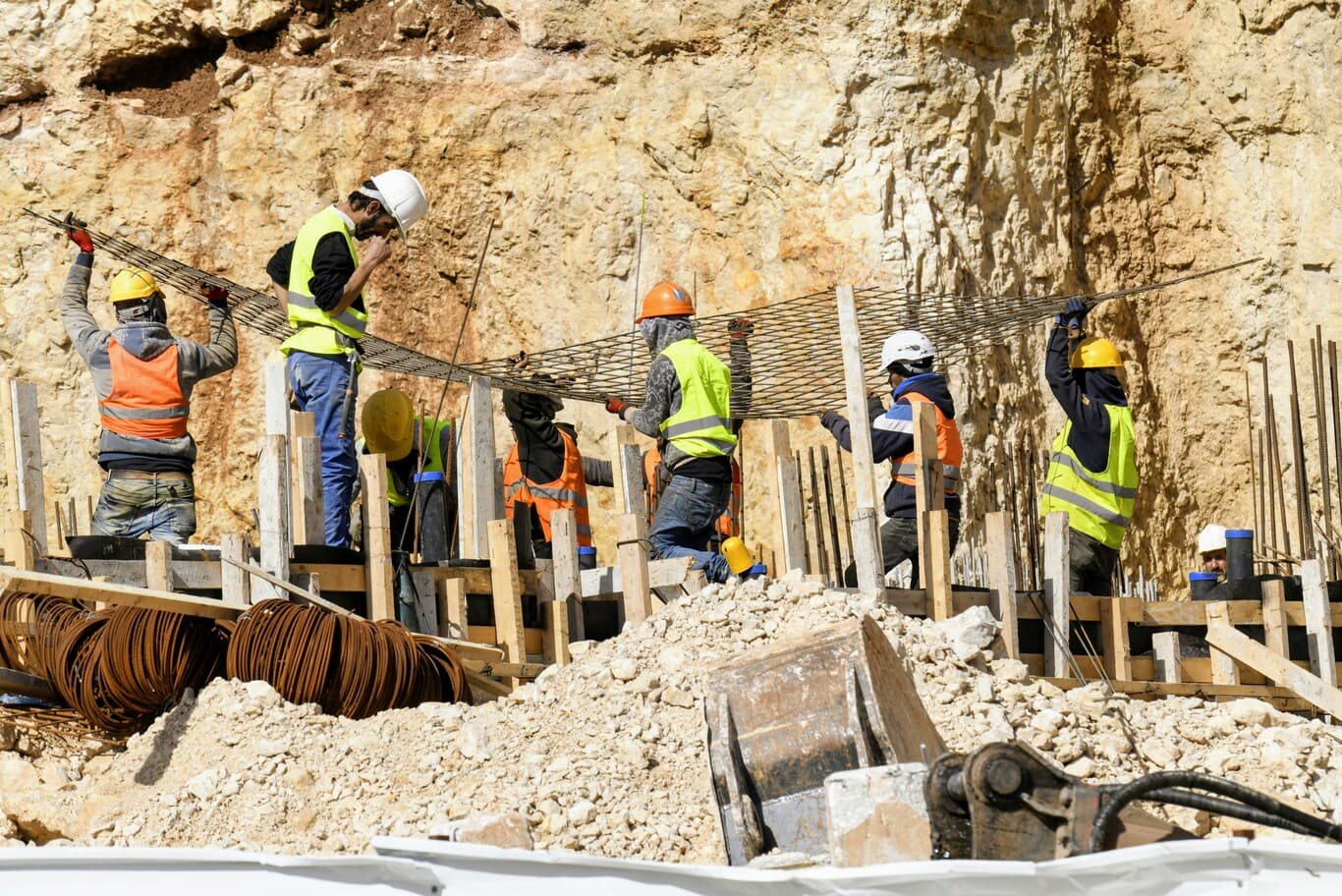
Ask whether the design capability is in-house or subcontracted, since an outsourced design team reintroduces the coordination gap the model exists to remove. Ask who your single point of contact is and what authority they hold. Ask for completed projects where they carried both design and construction, rather than projects where they built someone else's design. Ask how they handle a brief item that turns out to be unbuildable within budget, and at what point in the programme they would raise it. Ask what design liability they carry and what their professional indemnity covers. Ask how authority approvals are handled and whether the submissions are prepared in-house.
Then ask what they need from you, and when. A contractor who answers that question precisely — with a list and dates — has run the model before. A contractor who says they will work it out as they go has described exactly how design-build fails.
Wider selection criteria are covered in our guide to identifying trustworthy contractors in Dubai.
Bring us your project
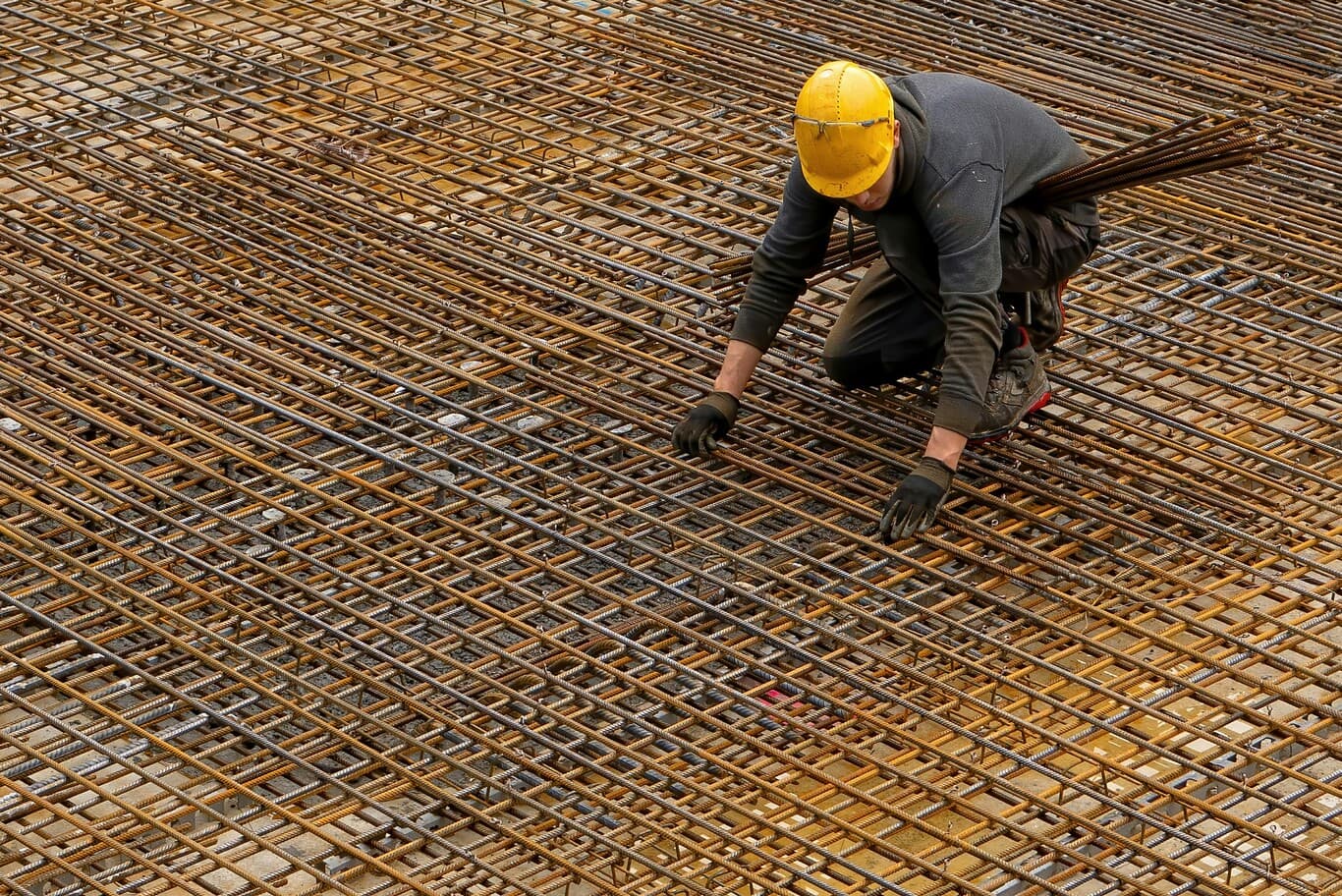
Capital Associated delivers design-build with architecture, engineering and construction held in-house under a single contract, which means one team shapes the brief, develops the design, carries the authority submissions and builds the result. Our completed work includes villa construction at Dubai Hills and Jumeirah, along with commercial delivery for the Meat Moot restaurant at City Walk — projects where the brief, the approvals and the construction ran through the same team.
Tell us about your project. Complete the project enquiry form with your project type, plot location, approximate built-up area, budget range and target handover date, and attach whatever you hold — title deed, affection plan, plot regulations, community guidelines, sketches, reference images. A senior member of our team will review it and come back with an assessment of what is achievable within your envelope and budget, what further information the design needs, and a realistic programme from brief to handover.
If your brief is still forming, that is the right moment to talk. We would rather help shape it than price something that has to be redesigned later. For projects where the scope extends beyond a single building, our general contracting and pre-construction services cover the wider delivery routes available.