
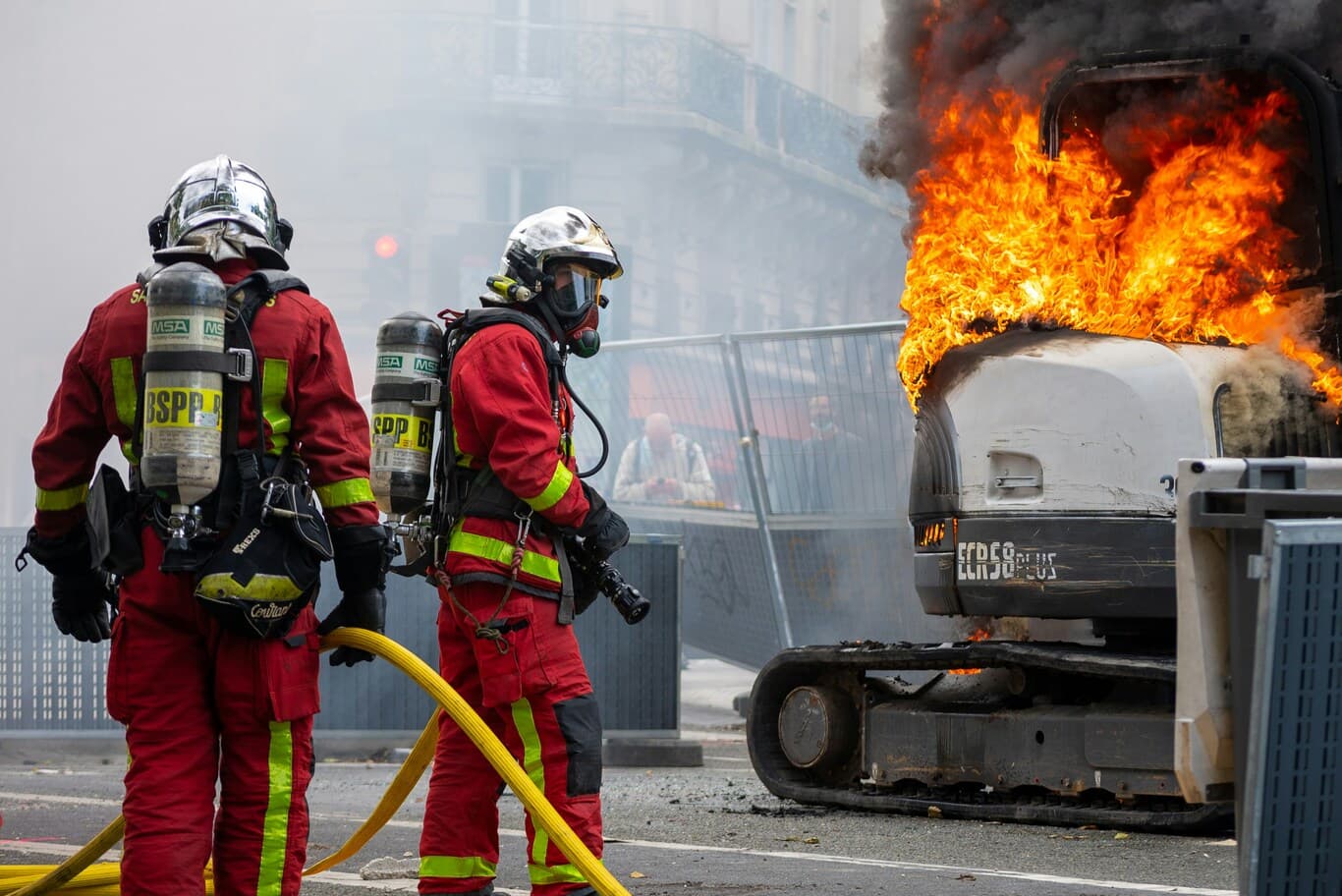
A contractor's guide to Dubai fire safety compliance — DCD approvals, UAE Fire Code essentials, and penalty avoidance strategies.
Fire safety compliance in Dubai is one of the most critical regulatory obligations for any contractor or contracting company operating in the emirate. The Dubai Civil Defence (DCD) enforces strict standards at every phase of a project — from initial drawing submission through to the final completion certificate — and failure to meet these standards can result in project shutdowns, significant financial penalties, and revocation of operating licences. Whether you are delivering a commercial interior fit-out, a residential villa, or a large-scale hospitality development, fire safety compliance must be embedded into your planning from day one.
This guide covers the regulatory framework, approval processes, contractor obligations during and after construction, common compliance failures, and the financial consequences of non-compliance. It is designed to help contractors working across Dubai understand what DCD expects and how to build fire safety into every stage of project delivery. For a broader look at the permit landscape that surrounds these requirements, we recommend reading our Dubai Building Permits & Regulations: Contractor's Complete Guide.
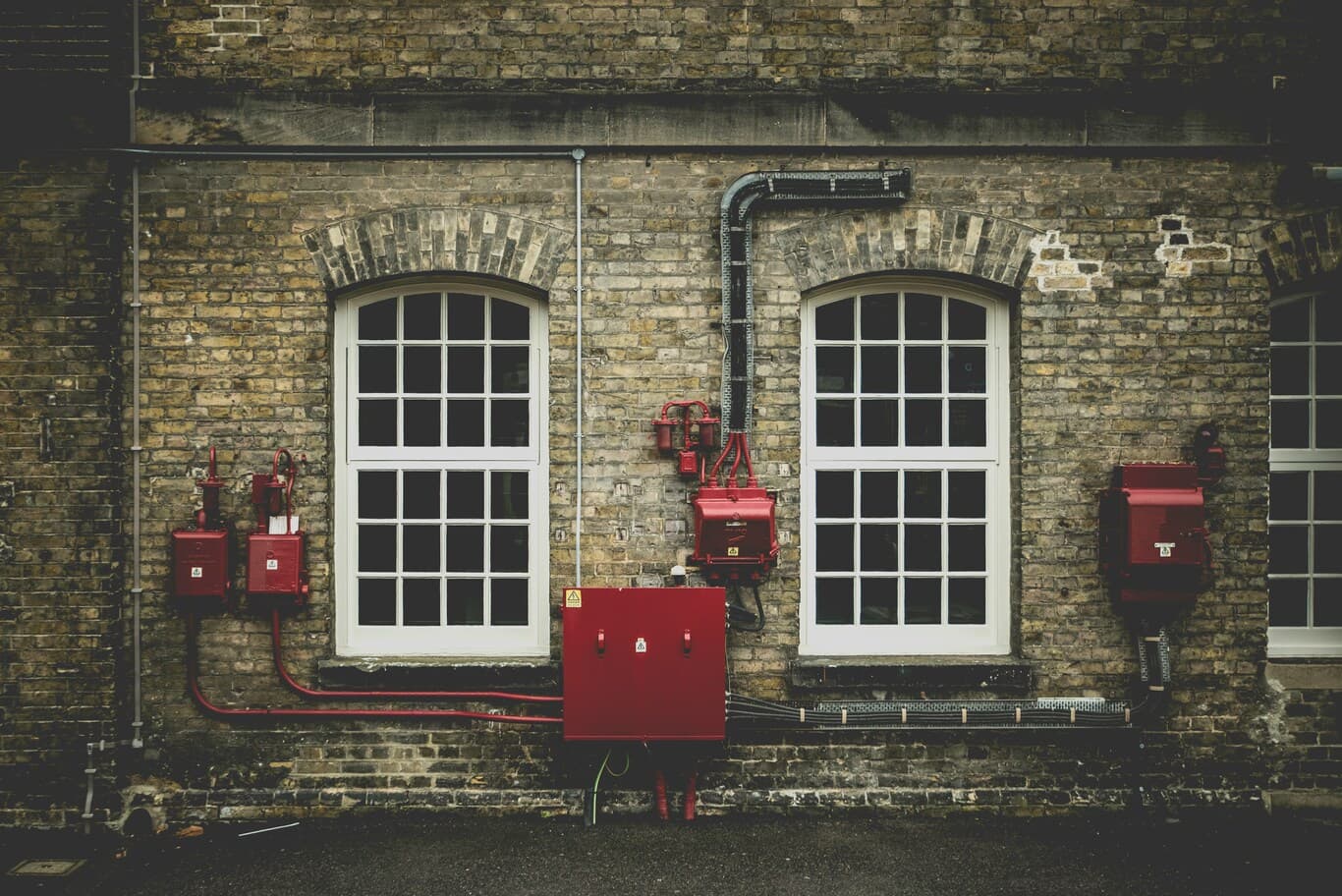
The Regulatory Framework: UAE Fire and Life Safety Code
All fire safety compliance in Dubai is anchored in the UAE Fire and Life Safety Code of Practice, which is administered and enforced by the Dubai Civil Defence. The Code prescribes minimum requirements for the design, construction, modification, and installation of fire detection systems, fire protection systems, fire prevention systems, and life safety systems across all building types — residential, commercial, industrial, and public.
Property owners, developers, designers, consultants, and contractors are all legally obligated to follow these minimum standards. The Code also mandates that all materials, equipment, and accessories used in fire and life safety systems must be listed, approved, and registered by the Civil Defence. This means contractors cannot source fire safety components independently without verifying that those products carry DCD-recognised certification. This material compliance obligation has a direct impact on project budgets — a factor we break down in our Commercial Fit-Out Cost Guide Dubai 2026.
The Code references and aligns with international standards, including those published by the National Fire Protection Association (NFPA). However, the UAE Code adapts these international benchmarks to address local conditions — including the extreme summer heat, high-rise density, and mixed-use building typologies that define Dubai's built environment. Contractors working in the emirate must treat the UAE Fire Code as the primary compliance document, not a supplementary reference.
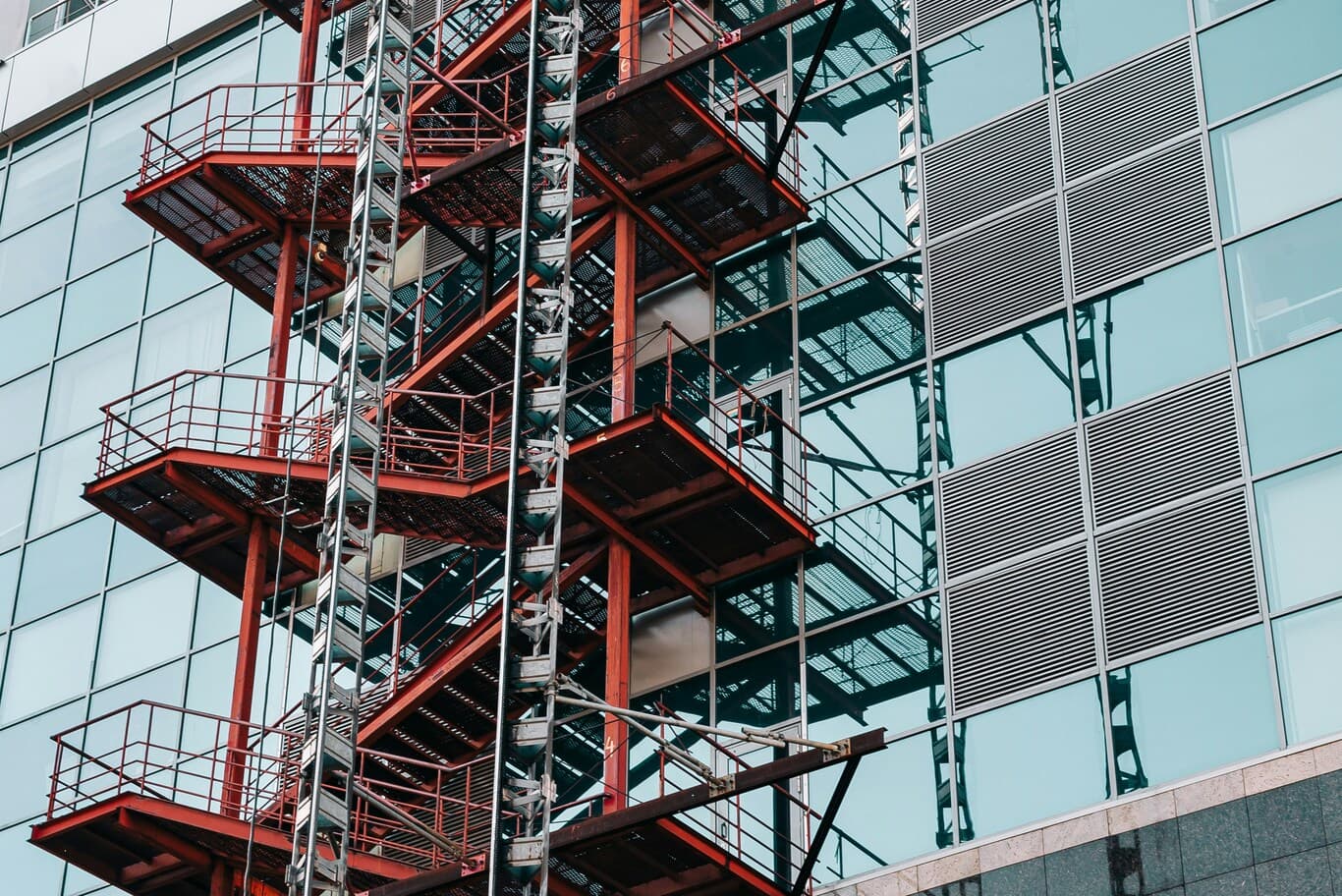
DCD Approval Process: What Contractors Must Submit
Obtaining Dubai Civil Defence approval is a mandatory step for every construction and fit-out project. The DCD reviews and approves fire and life safety compliance before construction begins, during the build, and before any occupancy permit is granted. The DCD Completion Certificate is required by Dubai Municipality before issuing the Building Completion Certificate (BCC), and by the Department of Economy and Tourism (DET) before issuing trade licences for commercial activities.
The approval process typically involves submitting detailed fire safety drawings and technical documents through the DCD e-Services portal. Submissions must include fire alarm system layouts, firefighting system plans, means of egress and exit layouts, emergency access and life safety planning documents, and material compliance certificates. All drawings must be prepared by a DCD-registered consultant.
Contractors should be aware of several recent changes that affect submissions:
- As of 2026, all new fire alarm systems must be addressable type — conventional systems are no longer accepted for new installations.
- Smart monitoring is now mandatory for all commercial premises.
- Updated kitchen suppression specifications apply to all food-service and hospitality fit-outs.
- New clean agent suppression requirements have been introduced for IT server rooms and data centres.
- Fire-resistant doors, cladding materials, facade systems, roofing systems, and fire-resistant cables must be evaluated at the Emirates Safety Laboratory (ESL) and authorised by an official UAE certifying authority.
Incomplete submissions are the primary cause of delays in DCD approval. Hospitality projects, in particular, face tight DCD timelines because of the revenue pressure from delayed openings — a dynamic we analyse in detail in The Developer's Playbook: Reducing Time-to-Market and Eliminating Interest Carry in Hotel Builds.
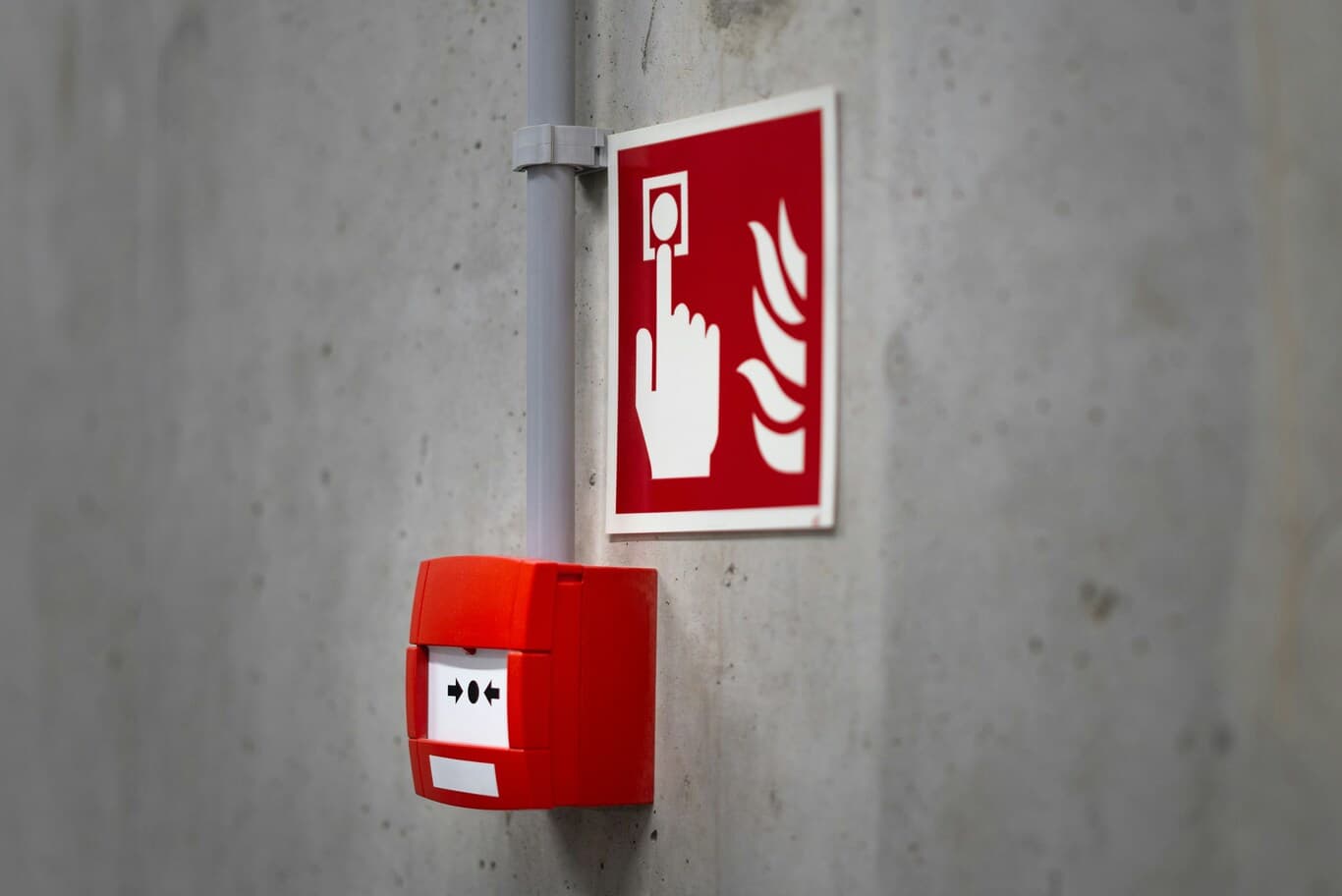
Fire Safety Obligations During Construction
Contractor obligations do not begin at handover. The UAE Fire and Life Safety Code requires active fire safety management throughout the construction phase itself. Dubai Development Authority circulars (including Circular 333 and Circular 354) reinforce and reemphasise these requirements specifically for construction, modification, alteration, and demolition operations.
Key obligations during construction include:
- Fire Risk Assessments: Contractors must conduct formal fire risk assessments at the start of the project and update them as conditions change. These assessments must address material storage, hot work, electrical installations, and site access for emergency vehicles.
- Hot Work Permits: All ignition sources, including welding, cutting, brazing, and electrical work, must be managed through a formal work permit procedure. No hot work should proceed without documented authorisation.
- No-Smoking Zones: The entire construction area must be designated and clearly marked as a no-smoking zone.
- Flammable Material Storage: All flammable and combustible materials must be stored safely, away from ignition sources. Bulk storage of flammable material requires separate DCD approval.
- Temporary Fire Protection: Depending on the project scope, contractors may need to provide temporary fire detection, alarm, and suppression measures during construction, particularly in occupied or partially occupied buildings.
- Emergency Access: Site layouts must maintain clear access routes for fire service vehicles at all times during construction.
Consultants and contractors share legal responsibility for implementing these measures. The best way to ensure nothing is missed is to build fire safety into the project scope from the outset. Our article Top Pre-Construction Services That Guarantee Project Success explains how early-phase planning prevents exactly these kinds of compliance gaps.
Core Fire Safety Systems Required in Dubai Buildings
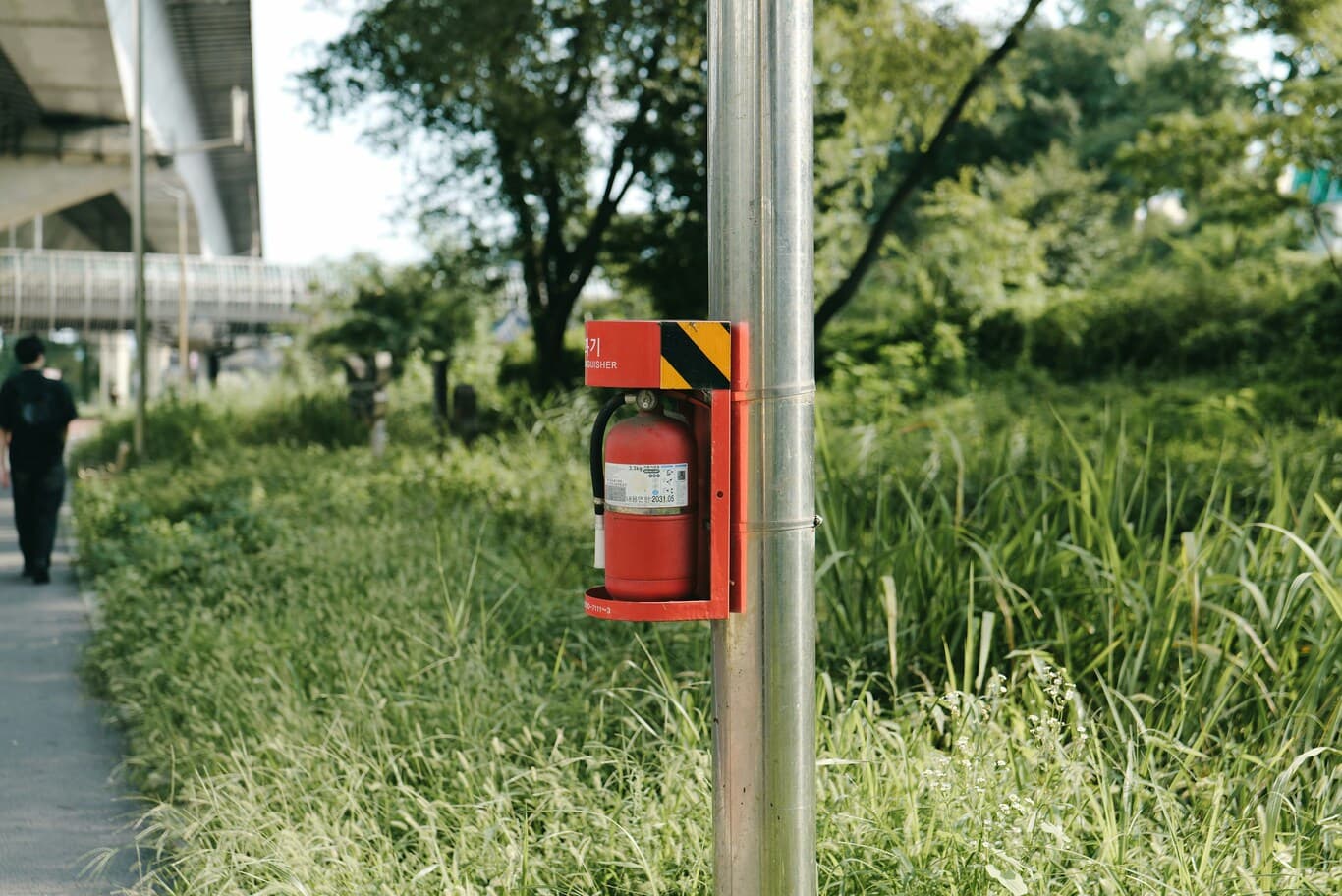
The type and complexity of fire safety systems required in any building depend on the occupancy classification, building height, total area, and risk profile. However, several core systems are mandatory across nearly all project types in Dubai.
Fire Detection and Alarm Systems
Every commercial premises requires a fire alarm system. DCD specifies detector placement, alarm panel type, and notification device requirements. As of 2026, addressable fire alarm systems (where each device is individually identifiable) are required for all new installations. These systems must connect to centralised fire alarm control panels linked to the DCD monitoring network.
Fire Suppression Systems
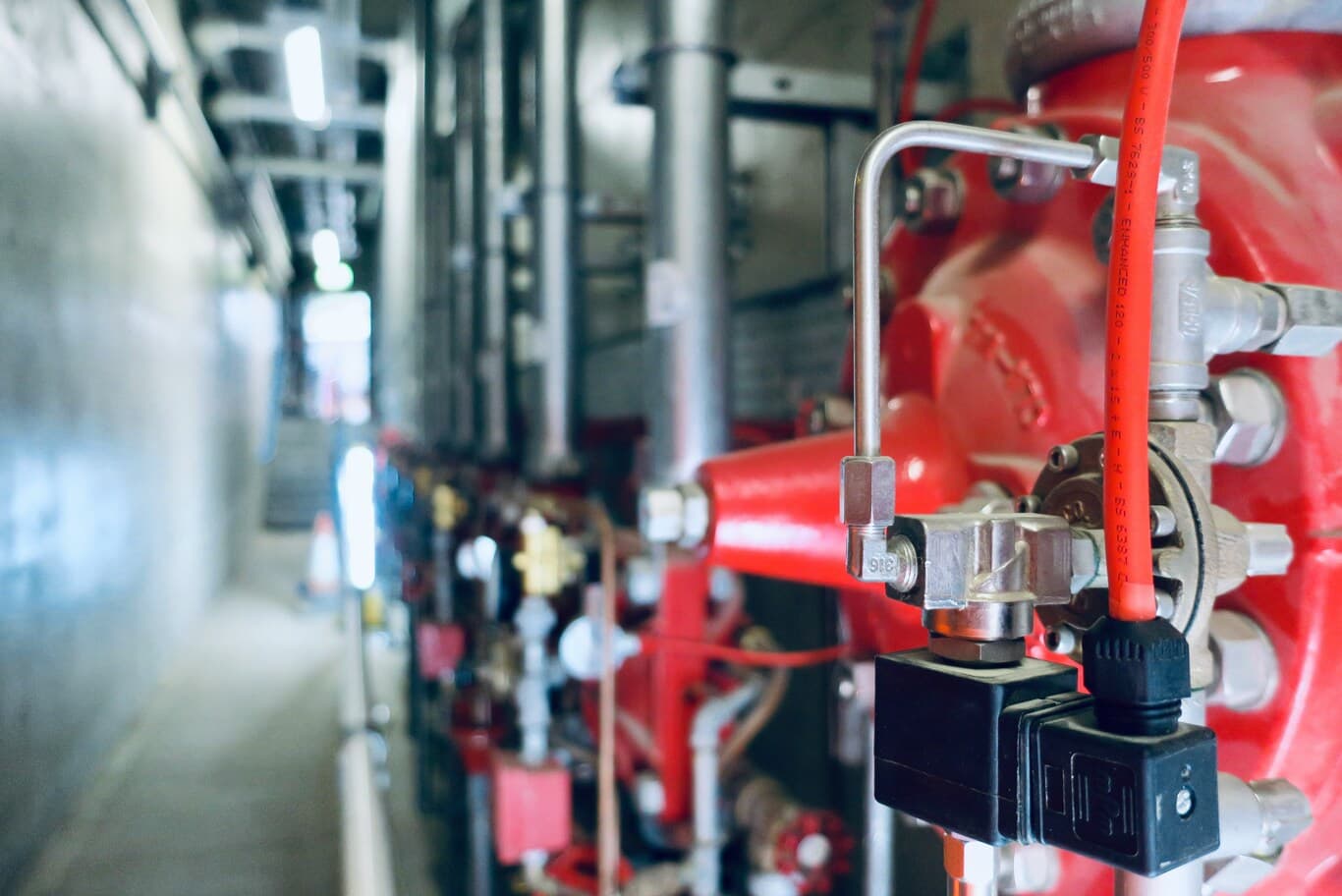
Most commercial premises over 250 square metres require automatic sprinkler systems. DCD specifies the type, coverage area, and capacity of suppression systems based on the building's risk profile. Specialised environments — such as commercial kitchens, server rooms, and chemical storage areas — require dedicated suppression systems tailored to the specific hazard. Fire hydrant systems, fire pump flow rates, and water tank capacity requirements are also prescribed by the Code. For a detailed look at how these systems integrate with the broader building services package in hospitality projects, see our article MEP Systems in Hotel Construction: A Developer's Checklist.
Means of Egress
Adequate exit routes, stairwell pressurisation, emergency lighting, and photoluminescent exit signage are all mandatory. Emergency lighting must remain functional for a minimum of three hours on backup power. High-rise buildings face additional requirements for refuge floors, firefighter lifts, and stairwell ventilation.
Passive Fire Protection
Fire-rated doors, walls, ceilings, and compartmentation play a critical role in slowing the spread of fire and smoke. The Code specifies minimum fire-resistance ratings for structural elements and separation barriers based on building type. All fire-rated materials must carry valid certification from recognised testing laboratories. Following several high-profile cladding fires in the region, facade and cladding material testing requirements have been significantly tightened.
Smoke Control and Management
Smoke management systems — including stairwell pressurisation, corridor smoke extraction, and atrium smoke ventilation — are required in mid-rise and high-rise buildings. The design must demonstrate that evacuation routes remain tenable for the required evacuation time. Contractors must coordinate smoke control design with the overall HVAC strategy to prevent system conflicts. These passive and active fire protection requirements apply equally to new construction and to renovation projects — something we address in detail in our Villa Renovation in Dubai: Complete Planning & Execution Guide.
Dubai Law No. 3 of 2026: The New Building Safety Certification Regime
In March 2026, His Highness Sheikh Mohammed bin Rashid Al Maktoum issued Law No. (3) of 2026 on the Quality and Safety of Buildings in the Emirate of Dubai. This legislation introduces a significant new layer of regulatory oversight that contractors, developers, and building owners must understand.
The Law requires every building in Dubai — including those in free zones such as DIFC — to obtain a Quality and Safety Certificate following a comprehensive technical inspection by a licensed engineering office. The inspection covers structural components, mechanical and electrical systems, fire safety infrastructure, and general maintenance conditions. A certificate is only issued once the building meets the prescribed technical and safety standards.
The certificate validity periods are:
- 10 years for buildings less than 40 years old from the date of their completion certificate.
- 5 years for buildings that are 40 years old or older.
For contractors, this law means that fire safety systems must be designed and installed to a standard that will withstand periodic re-inspection — not just pass the initial DCD completion check. Systems that are installed poorly or that use substandard materials may trigger remediation costs during future inspections. Fire safety system upgrades alone can cost between AED 200,000 and AED 1,000,000 or more, depending on building size and complexity. This is why getting the construction sequence right from the start matters — as we outline in Luxury Villa Construction Process: From Design to Handover, every phase of the build must account for long-term compliance, not just the initial sign-off.
Non-compliance penalties under Law No. 3 of 2026 can reach up to AED 1 million, and repeated violations may result in fines of up to AED 2 million. These figures are in addition to the penalties established under Dubai Law No. 7 of 2025 (Regulating Contracting Activities), which carries fines of up to AED 200,000, licence suspension, and potential removal from the official contractor registry.
Common Compliance Failures and How to Avoid Them
Based on DCD inspection patterns and industry experience, the most frequent fire safety compliance failures among contractors in Dubai include:
- Submitting incomplete or non-compliant drawings — missing NOLs, incorrect system layouts, or drawings not prepared by a registered consultant.
- Using non-certified or non-listed materials — sourcing fire-rated products that lack ESL evaluation or DCD registration.
- Failing to maintain fire safety during construction — no fire risk assessments, uncontrolled hot work, blocked emergency access routes.
- Installing conventional alarm systems where addressable systems are required — this results in automatic rejection of the DCD submission.
- Neglecting passive fire protection — skipping fire stopping at service penetrations, using incorrect fire-rated door assemblies, or failing to maintain compartmentation integrity.
- Inadequate documentation for final inspection — missing testing and commissioning reports, fire-rated material certificates, or Annual Maintenance Contracts (AMCs).
Each of these failures leads to rework, re-inspection, and schedule disruption. The cascading effect on project timelines can be severe — a topic we cover at length in Top Tips to Avoid and Manage Delays in Construction Projects.
Fire Safety Compliance Checklist for Dubai Contractors
The following checklist summarises the key fire safety compliance milestones every contractor should track across the project lifecycle:
Pre-Construction and Design Phase
- Appoint a DCD-registered fire and life safety consultant.
- Complete fire risk assessment for the project.
- Submit fire safety drawings (alarm, suppression, egress, smoke control) to DCD.
- Obtain DCD NOC before commencing construction.
- Verify all specified fire-rated materials carry ESL/DCD certification.
- Coordinate fire safety design with MEP and architectural teams.
Construction Phase
- Implement site fire safety plan (risk assessments, hot work permits, no-smoking enforcement).
- Maintain emergency vehicle access throughout construction.
- Obtain separate DCD approval for bulk flammable material storage if required.
- Install temporary fire protection in occupied or partially occupied buildings.
- Conduct fire safety training for all site personnel.
Pre-Handover and Completion Phase
- Complete final testing and commissioning of all fire safety systems.
- Compile fire-rated material certificates and warranty documentation.
- Execute Annual Maintenance Contract (AMC) with a certified fire safety provider.
- Submit updated DCD-approved drawings reflecting any construction-phase modifications.
- Obtain DCD Completion Certificate.
- Confirm DCD certificate is provided to Dubai Municipality for the Building Completion Certificate (BCC).
Building these milestones into your project budget from the outset prevents costly surprises at handover. Our guide on How to Budget for a Commercial Fit-Out in Dubai walks through how to allocate for compliance costs within a commercial project timeline.
How BIM and Digital Tools Support Fire Safety Compliance
Building Information Modelling (BIM) has become an increasingly valuable tool for managing fire safety compliance across complex projects. BIM allows contractors to model fire compartmentation, sprinkler coverage, detector placement, and egress routes in three dimensions before any physical installation begins. Clashes between fire safety systems and other MEP services — a common source of site rework — can be identified and resolved during the design phase. We explore the broader applications of this technology in The Role of BIM in Construction: Transforming Project Delivery.
Digital documentation platforms also streamline the DCD submission process by maintaining version-controlled fire safety drawings, material certificates, and inspection records in a single accessible location. For large-scale or multi-phase projects, this level of documentation control can mean the difference between a smooth completion and months of regulatory back-and-forth.
Why Fire Safety Compliance Starts with the Right Contractor
Fire safety compliance in Dubai requires specialised knowledge of the UAE Fire and Life Safety Code, the DCD approval process, and the evolving regulatory landscape — including Law No. 3 of 2026 and Law No. 7 of 2025. Contractors who treat fire safety as an afterthought expose developers and building owners to significant financial and legal risk. The coordination required across consultants, testing laboratories, and material suppliers demands a structured approach to execution — the kind of discipline we describe in The Role of Project Management in Construction Success.
At Capital Associated Building Contracting, we integrate fire safety compliance into every phase of project delivery — from initial feasibility through to final DCD certification and handover. Our team coordinates directly with registered fire safety consultants, DCD-approved testing laboratories, and certified material suppliers to ensure that every system meets Code requirements on the first submission.
Frequently Asked Questions
What is DCD approval, and do all construction projects in Dubai require it?
DCD approval is the mandatory fire safety permit issued by the Dubai Civil Defence confirming that a building or premises meets the UAE Fire and Life Safety Code requirements. All commercial, residential, industrial, and hospitality projects in Dubai require DCD approval before occupancy.
What happens if a contractor fails DCD inspection?
If a project fails DCD inspection, the contractor must rectify the identified deficiencies and schedule a re-inspection. The Building Completion Certificate cannot be issued until the DCD Completion Certificate is obtained, which means project handover, tenant move-in, and trade licensing are all delayed.
What are the penalties for fire safety non-compliance in Dubai?
Under Dubai Law No. 3 of 2026, fines for non-compliance with building safety requirements can reach AED 1 million, with repeated violations potentially incurring fines of up to AED 2 million. Law No. 7 of 2025 adds penalties of up to AED 200,000 for contractors, along with licence suspension and potential removal from the contractor registry.
Are fire alarm requirements different for new builds versus renovations?
The core requirements are the same — all fire alarm systems must comply with the UAE Fire Code. However, as of 2026, all new fire alarm installations must use addressable systems. Renovation projects that modify or replace existing fire alarm systems are also required to upgrade to addressable technology.
How do I verify that a contractor is qualified to handle DCD compliance?
Confirm that the contractor holds a valid classification with Dubai Municipality, has a track record of obtaining DCD Completion Certificates, and works with registered fire safety consultants. We outline the full vetting process in Choosing The Best Contracting Company in Dubai 2026.
What fire safety documents are needed for the DCD Completion Certificate?
Required documents typically include final testing and commissioning reports for all fire safety systems, fire-rated material certificates, an executed Annual Maintenance Contract (AMC) with a certified provider, warranty certificates, and the final DCD-approved drawings including any construction-phase modifications.
Get a Fire Safety Compliance Audit for Your Dubai Project
Do not let fire safety non-compliance delay your project, trigger penalties, or expose your client to long-term liability. Capital Associated provides end-to-end fire safety compliance support — from planning and DCD drawing submission to system installation coordination and final certification. For a comprehensive overview of how we approach projects across the emirate, read The Complete Guide to Construction in Dubai: Everything You Need to Know.
Contact us today at hello@capitalassociated.com or call +971 528111106 to schedule a compliance audit for your upcoming project.