

Role of project management in construction success. Planning, procurement, risk control & quality assurance for on-time, on-budget delivery.
Construction projects are complex endeavors that require careful coordination and management. Effective project management ensures that these projects are completed on time, within budget, and to the desired quality standards.
This article explores the role of project management in construction success, focusing on the practices that drive efficiency and productivity in this sector.
What is Construction Project Management?
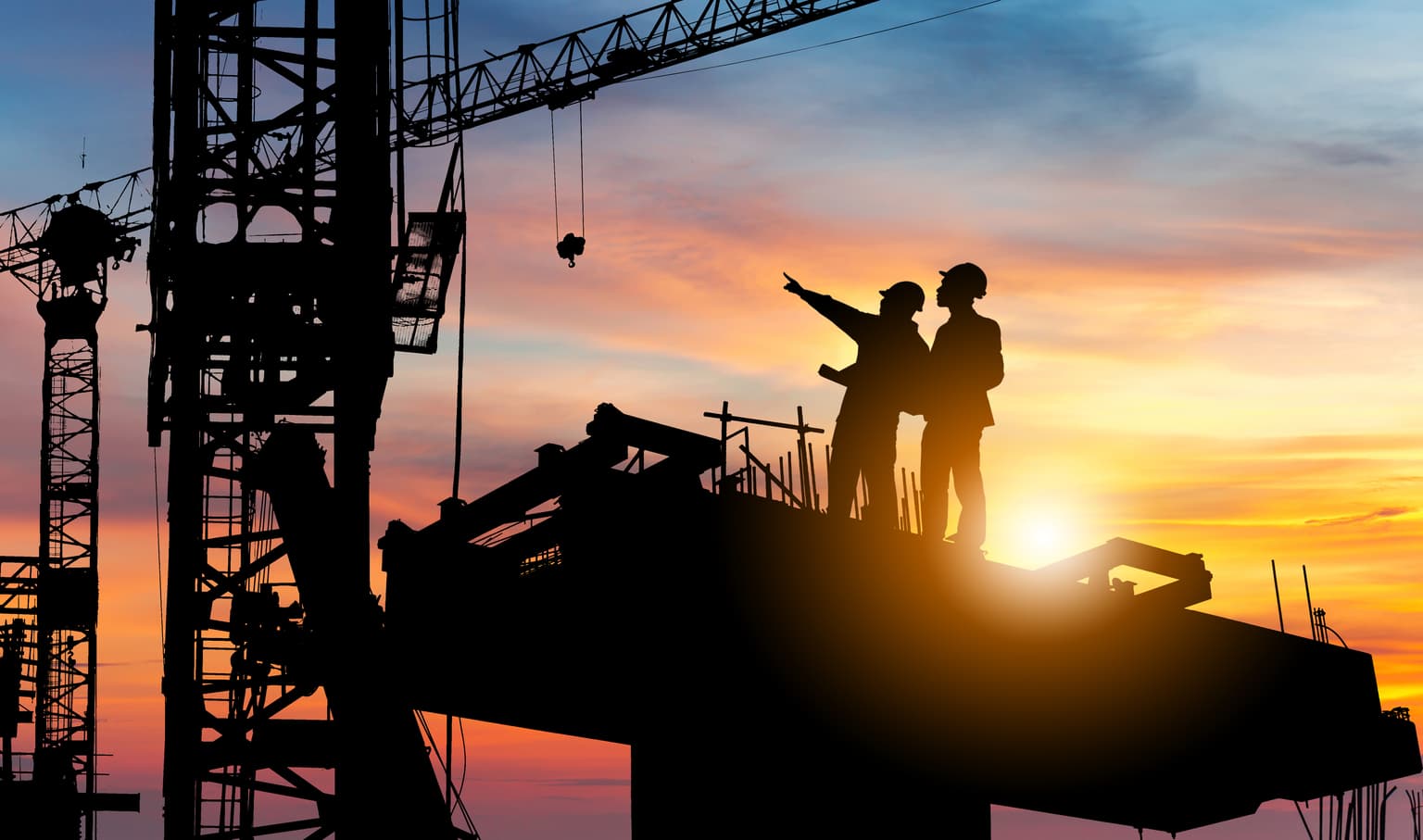
Construction project management involves planning, coordinating, and overseeing construction activities from start to finish. It aims to meet the project's objectives in terms of scope, time, cost, and quality. This discipline differs from general project management due to its focus on construction-specific elements such as safety regulations and technological integration.
Key Roles in Construction Project Management
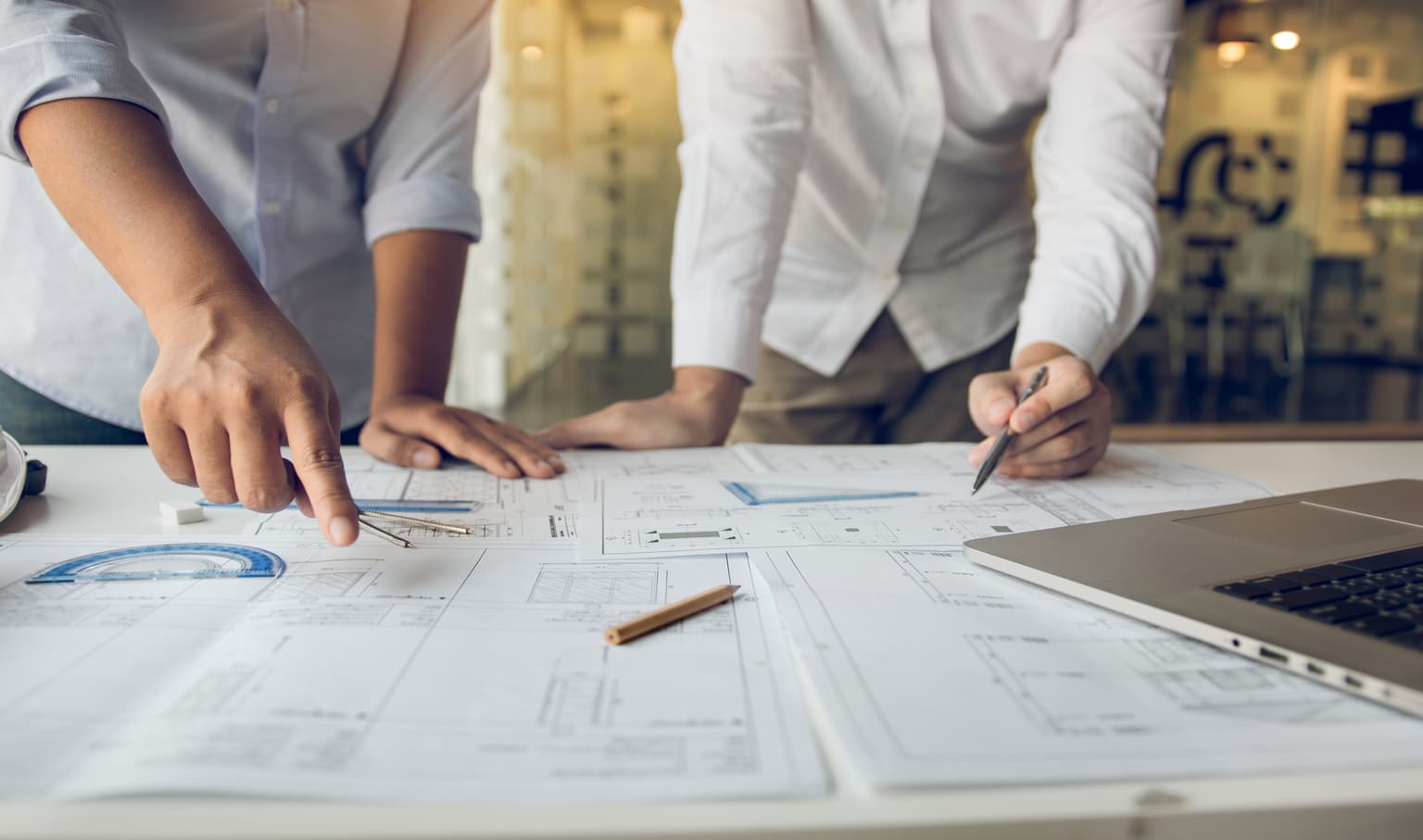
Several key roles are crucial for successful project management in construction:
- Project Owner: The owner finances the project and makes high-level decisions.
- Project Manager (PM): The PM oversees planning, execution, and closure. They handle budgeting, scheduling, and stakeholder communication.
- Construction Manager (CM): The CM manages daily operations on-site, ensuring safety and productivity.
- General Contractor (GC): The GC supplies materials, labor, and equipment and manages subcontractors.
- Contract Administrator: This role involves managing contracts, procurement, and ensuring legal compliance.
Importance of Project Management in the Construction Industry
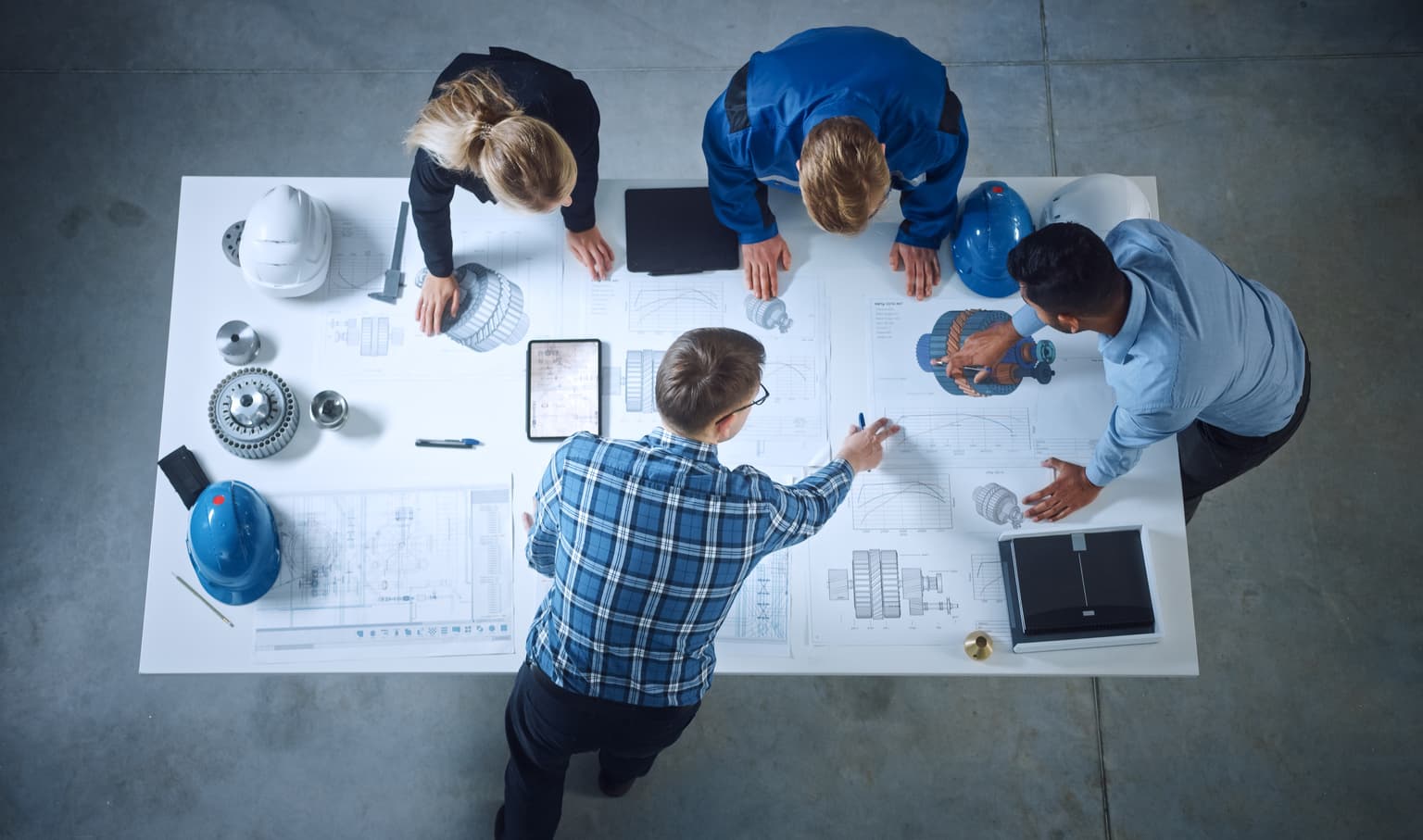
1- Enhancing Efficiency and Productivity
Effective project management boosts efficiency and productivity. A well-structured plan ensures that tasks are completed on schedule and within budget. This organization helps prevent delays and cost overruns, crucial for maintaining profitability.
2- Risk Management
Construction projects are prone to various risks, including weather conditions, labor shortages, and material supply issues. Project management involves identifying potential risks and implementing measures to mitigate them, ensuring that the project progresses smoothly.
3- Cost Control
Construction projects are expensive, and costs can escalate quickly if not properly managed. Efficient project management involves detailed cost estimation and budgeting, helping to control expenses and ensure the project remains profitable.
4- Quality Assurance
Maintaining high-quality standards is essential in construction. Project management ensures that all materials and processes meet specified standards, resulting in a safe and durable final product.
Phases of Construction Project Management
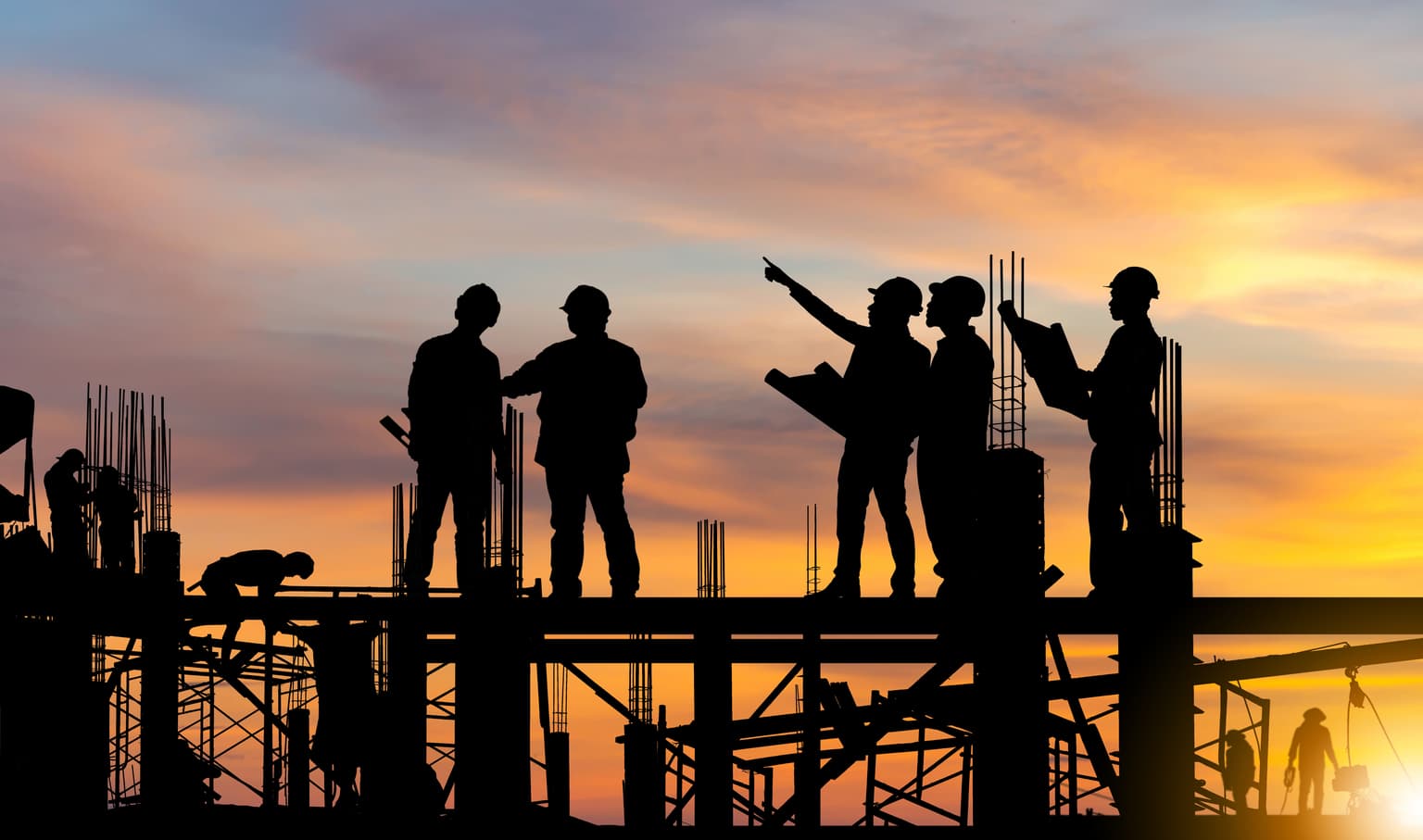
1- Initiation
This phase involves defining the project's scope, objectives, and stakeholders. A feasibility study and business case are conducted to evaluate the project's viability.
2- Planning
During this phase, the PM develops a strategic plan, including a detailed schedule, budget, and risk management plan. The PM also selects a delivery method and prepares for the bidding process.
3- Preconstruction
The preconstruction phase ensures all requirements and preparations are in place. This includes cost assessment, securing permits, site inspection, and setting up safety plans.
4- Procurement
In this phase, contractors and subcontractors are selected, and materials and equipment are procured according to the project's specifications.
5- Construction
This is the execution phase, where the actual construction takes place. The PM ensures that all activities are coordinated and completed according to the plan.
6- Post Construction
The final phase involves completing all construction activities, conducting a final site inspection, and closing contracts. The PM reviews the project and gathers feedback for future improvements.
Effective Project Management Practices

1- Detailed Planning
A clear project management plan is essential. This plan outlines the client's expectations, schedules, resource allocation, risk management, and quality standards.
2- Regular Reporting
Regular reporting helps track progress and informs strategic decisions. Reports should include project details, schedule progress, cost comparisons, and risk assessments.
3- Effective Communication
Clear communication is vital for successful project management. It ensures that all stakeholders are informed and that any issues are promptly addressed.
Examples of Successful Project Management in Dubai

Dubai is home to some of the most iconic construction projects globally, demonstrating effective project management.
- Burj Khalifa: As the world's tallest building, the Burj Khalifa is a good example of exceptional project management. Its construction involved meticulous planning, innovative engineering solutions, and effective coordination among international teams.
- Palm Jumeirah: This man-made island required extensive planning and project management to address the unique challenges of constructing on water. The project was completed successfully through detailed scheduling, risk management, and quality control.
- Dubai Metro: The Dubai Metro project is another successful project management in public infrastructure. Completed ahead of schedule, the project involved precise planning, budgeting, and efficient use of resources to meet its targets.
- Museum of the Future: This architectural perfection showcases advanced project management techniques. The unique design and construction methods required careful coordination and innovation to achieve the desired results.
These examples highlight the importance of effective project management in achieving construction success in Dubai. Each project faced unique challenges, which were overcome through thorough planning, risk management, and execution.
Conclusion

Project management plays a crucial role in the success of construction projects. It enhances efficiency, manages risks, controls costs, and ensures quality. Following best practices, can help construction companies for their project goals and maintain profitability.
Project Management Resources

Effective PM prevents common problems. Learn proven strategies to avoid and recover from construction delays.
Scale affects PM approach. Explore specialised methods for large-scale construction management.
Every project follows phases. Review the complete construction lifecycle from concept to completion.
Work With Capital Associated Bulding Contracting LLC

Professional site management services UAE ensure measurable daily progress toward your goals. Our construction supervision Dubai maintains quality standards at every stage of your build.
Discuss project management for your development.
FAQ
1. What is construction project management?
It is the process of planning, coordinating, and overseeing construction activities to meet project goals related to scope, time, cost, and quality.
2. Why is project management important in construction?
It improves efficiency, controls costs, manages risks, and ensures that work meets safety and quality standards.
3. What are the main phases of construction project management?
The main phases include initiation, planning, preconstruction, procurement, construction, and post construction.
4. Who is responsible for managing a construction project?
The project manager oversees the entire process, working closely with the owner, contractors, engineers, and site teams.
5. How does project management reduce construction risks?
By identifying potential issues early, preparing mitigation plans, monitoring progress regularly, and maintaining clear communication among all stakeholders.