
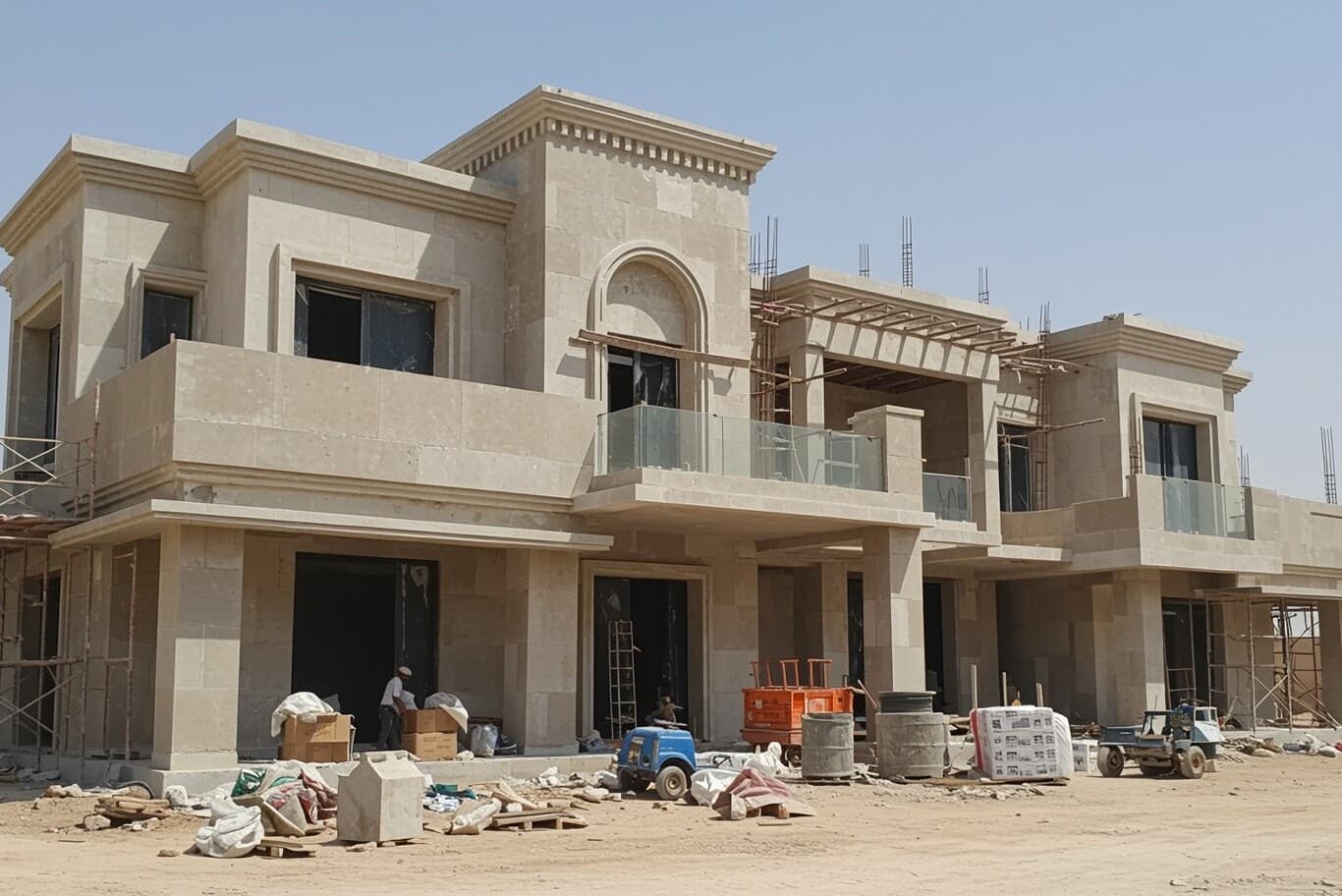
A stage-by-stage guide to building a luxury villa in Dubai — from site selection and design through construction and final handover.
Building a luxury villa in Dubai is one of the most significant investments you will make. It is also one of the most complex. Between choosing a plot, getting the design right, managing authority approvals, coordinating dozens of trades on site, and handling the finishing details that separate a good villa from an extraordinary one — there are hundreds of decisions and potential pitfalls between your first sketch and the moment you get the keys.
This guide walks you through the complete luxury villa construction process in Dubai, stage by stage. Whether you are building a waterfront estate on Palm Jumeirah, a family compound in Emirates Hills, or a modern contemporary villa in Dubai Hills, the fundamentals are the same. Understanding how each phase connects to the next will help you make smarter decisions, avoid costly mistakes, and end up with a home that matches your vision — not a compromised version of it.
Stage 1: Site Selection and Feasibility
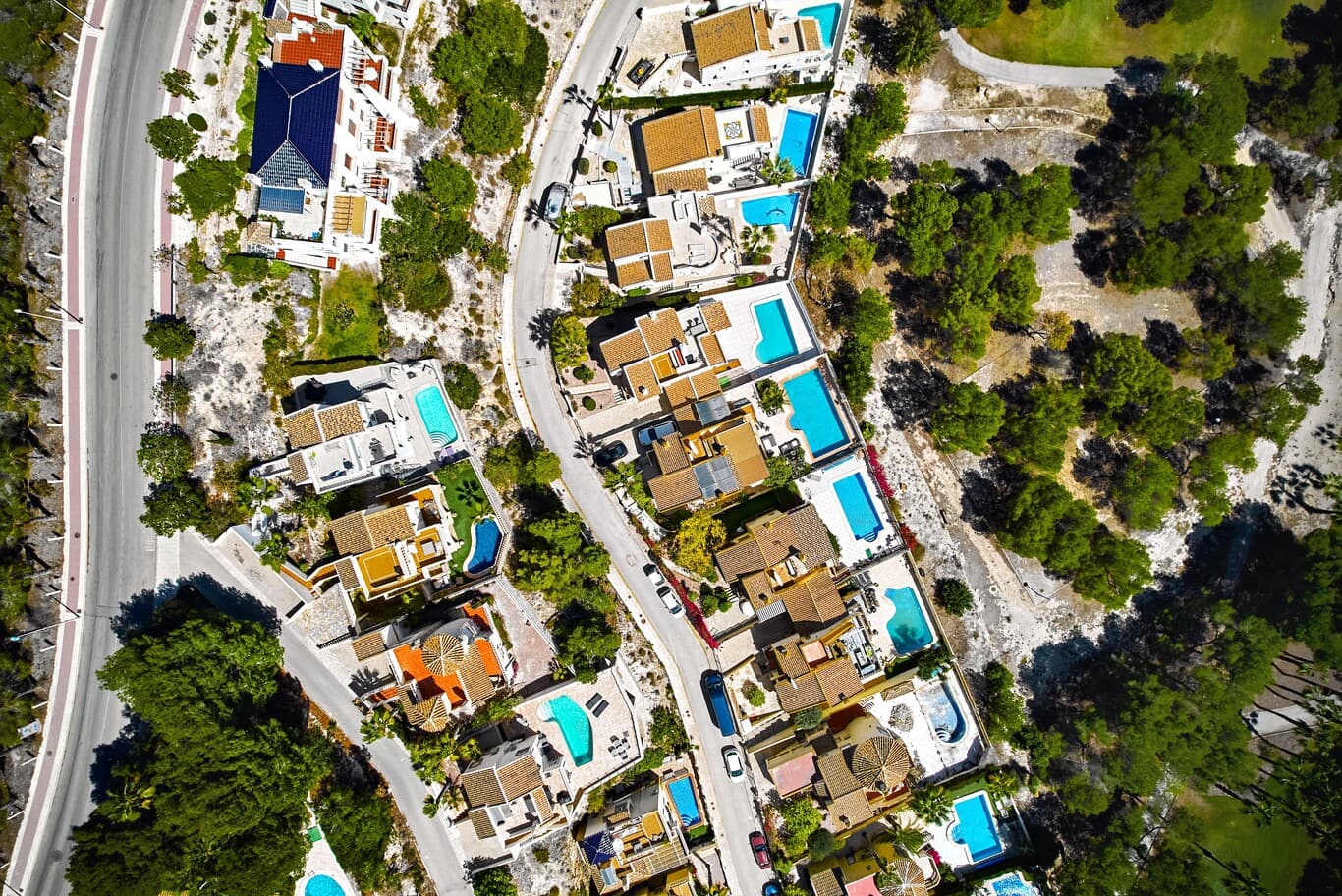
Every villa project starts with the land. In Dubai, your plot location does not just determine the view from your living room — it dictates setback requirements, allowable built-up area, height restrictions, and even the type of foundation your villa will need.
Before you commit to a plot or start any design work, you need a thorough feasibility assessment. This means reviewing Dubai Municipality zoning regulations, checking community-specific design guidelines (Palm Jumeirah, for example, has strict facade and height rules), and understanding the ground conditions beneath the site.
For coastal and waterfront plots, ground conditions become even more critical. Soil bearing capacity, water table levels, and salt exposure all influence the structural design and the materials you can use. Getting a geotechnical report done before you finalise the purchase can save you from expensive surprises later.
At this stage, an experienced contractor or project manager should be involved — not just your architect. A construction management partner can assess the buildability of a plot and flag issues that designers sometimes overlook, like access constraints for heavy equipment, proximity to existing infrastructure, or restrictions on construction working hours in certain communities.
Stage 2: Design and Architectural Development
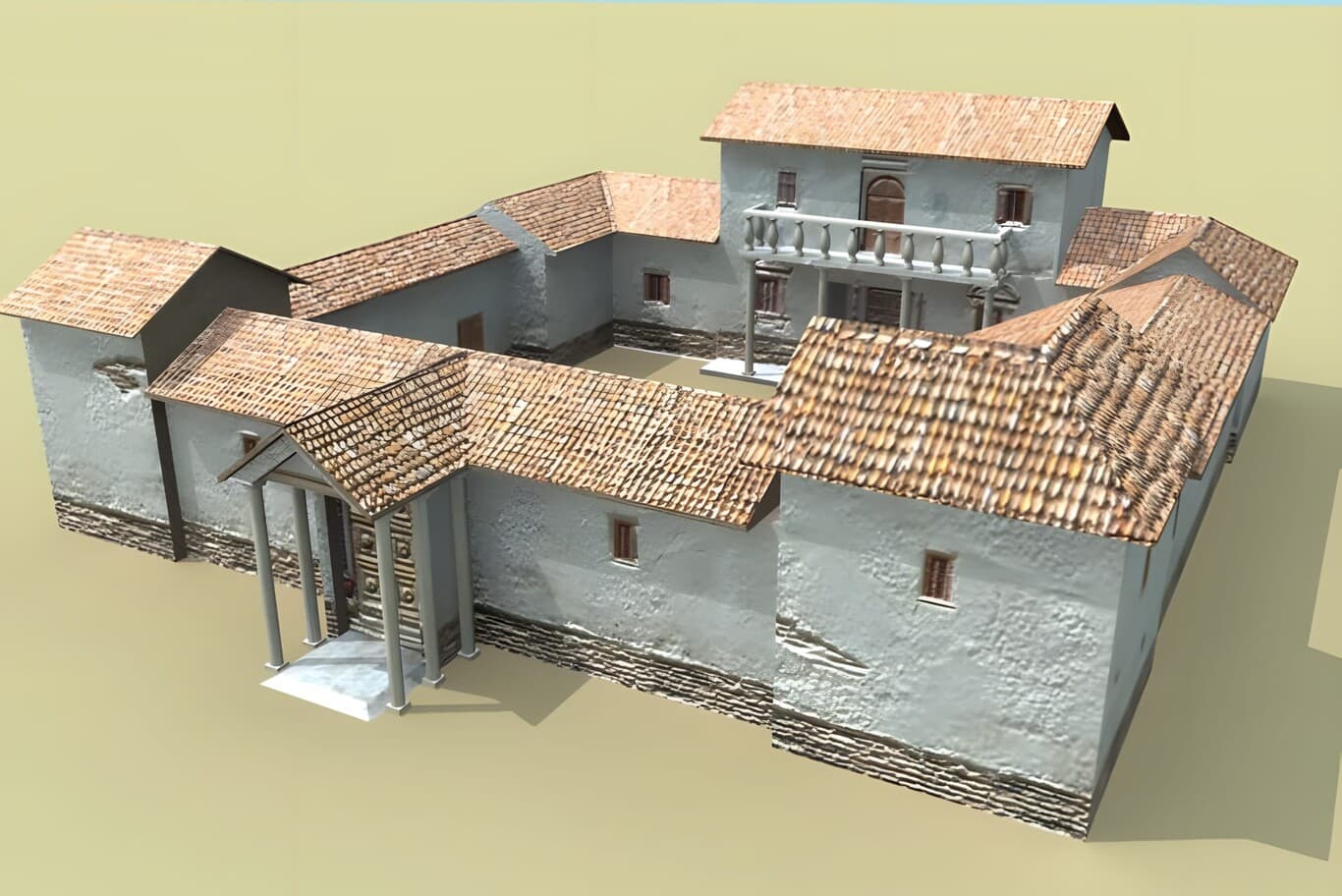
With your site confirmed and feasibility in hand, the design phase begins. This is where your vision takes shape — floor plans, elevations, material palettes, and spatial flow all come together.
For luxury villas in Dubai, the design process typically involves several rounds of development. It starts with a concept that captures the overall feel and layout, then progresses into detailed architectural drawings, 3D visualisations, and material specifications. The best outcomes happen when the construction team is part of this conversation from the start. When designers and builders collaborate early, you avoid the classic problem of beautiful drawings that do not work on site or blow out the budget once priced.
This is exactly why many villa owners in Dubai now choose a unified design and construction approach — one team handles both the creative vision and the technical execution. It eliminates finger-pointing between separate firms and keeps the design grounded in construction reality.
During this phase, you will also need to think about how your villa will live — not just how it will look. Consider what today's homeowners prioritise in modern residential builds, from open-plan living and indoor-outdoor connectivity to dedicated wellness spaces and home offices. Dubai's climate also demands specific attention to solar orientation, natural ventilation strategies, and shading design, especially for west-facing facades.
If you are still exploring different architectural directions, looking at design inspiration for both city and countryside villas can help you clarify what resonates before committing to a full design development.
Stage 3: Engineering and Technical Detailing
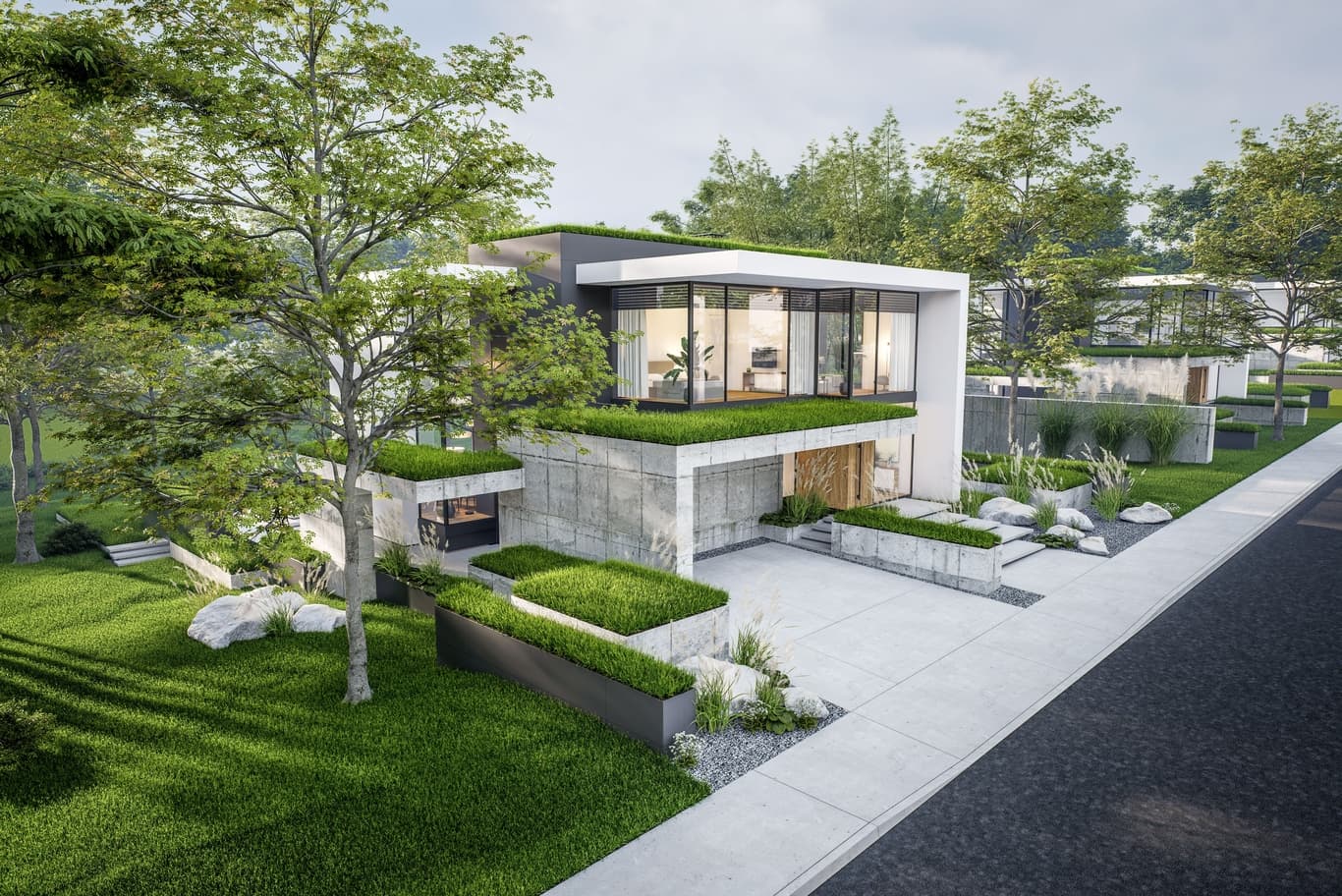
Once the architectural design is approved, the engineering phase translates that vision into something that can actually be built. Structural engineers calculate load paths and foundation requirements. MEP engineers design the mechanical, electrical, and plumbing systems — HVAC layouts, electrical distribution, water supply, drainage, and fire protection.
In Dubai's climate, getting the MEP design right is not optional. An undersized air conditioning system in a 1,500 square metre villa will leave you with hot spots, excessive energy bills, and endless maintenance calls. Oversizing wastes capital and ceiling space. The engineering has to be precise.
This stage also includes coordination between disciplines. Structural beams need to clear MEP routes. Drainage falls need to work with finished floor levels. Ceiling voids need enough depth for ductwork and sprinkler systems. In traditional construction, this coordination happens between separate companies who may never be in the same room together. When you work with a single team that handles both design and build, these clashes are resolved on paper — not discovered on site when a plumber finds a beam exactly where the main drain needs to go.
For villas that incorporate advanced technology — smart home systems, automation, and integrated AV setups — the wiring and infrastructure needs to be designed into the engineering package from the beginning. Retrofitting smart home wiring after the walls are up is expensive and never as clean.
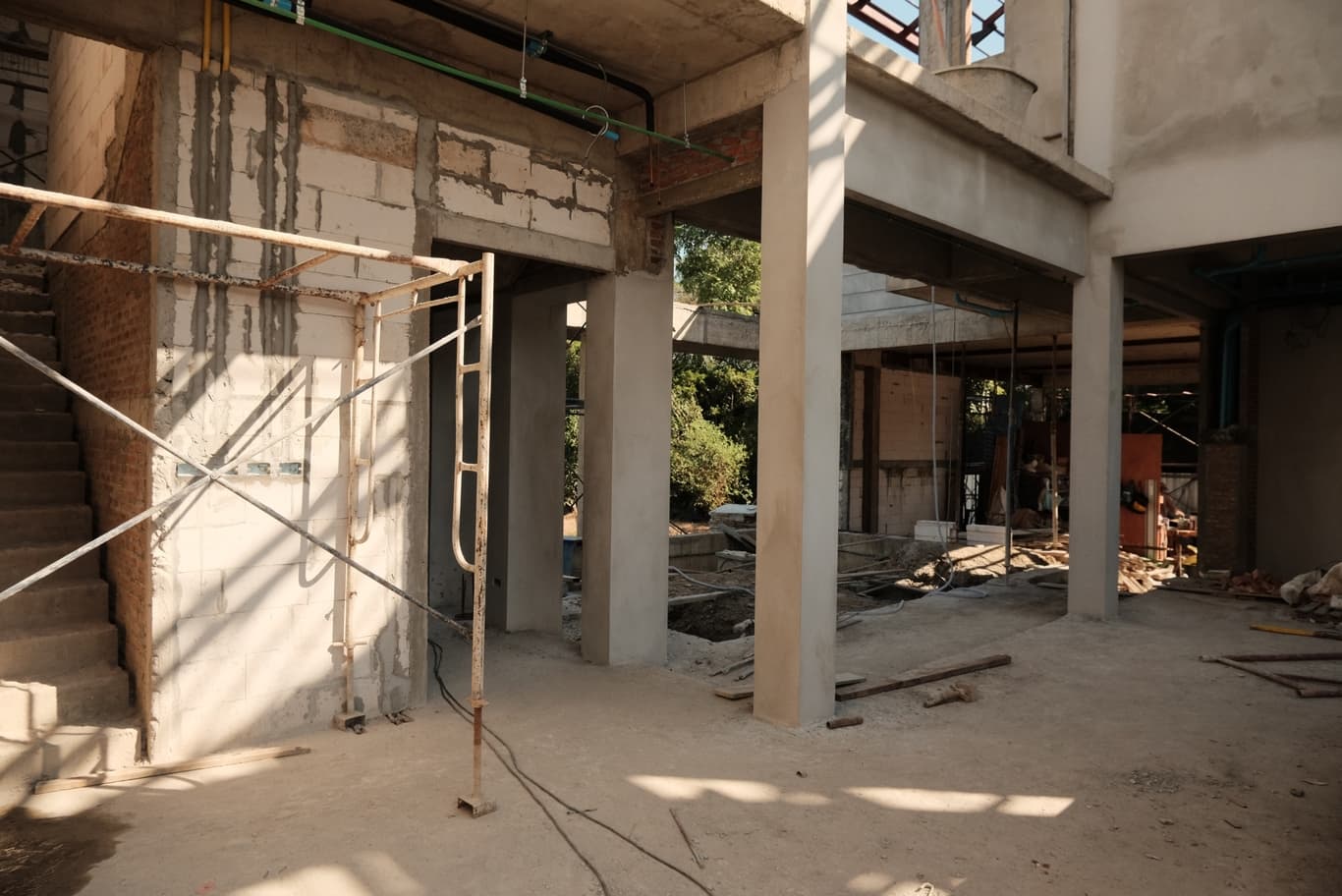
Stage 4: Authority Approvals and Permits
Dubai has a structured but detailed approvals process. Depending on your plot location, you may need to go through Dubai Municipality, the Dubai Development Authority (DDA), Trakhees, Nakheel, or the relevant master developer — sometimes more than one.
The approval package typically includes architectural drawings, structural calculations, MEP layouts, civil defence drawings, and various NOC applications. For luxury villas, facade material approvals and landscape plans may also be required, especially in gated communities with design control guidelines.
Getting permits right the first time matters. Every round of comments from the authority adds weeks to your timeline. Having a contractor who knows the submission process, the common comment triggers, and the specific requirements of each authority in Dubai makes a real difference. At Capital Associated, we manage this process end to end as part of our construction management and design-build services, so clients are not stuck chasing paperwork between disconnected consultants.
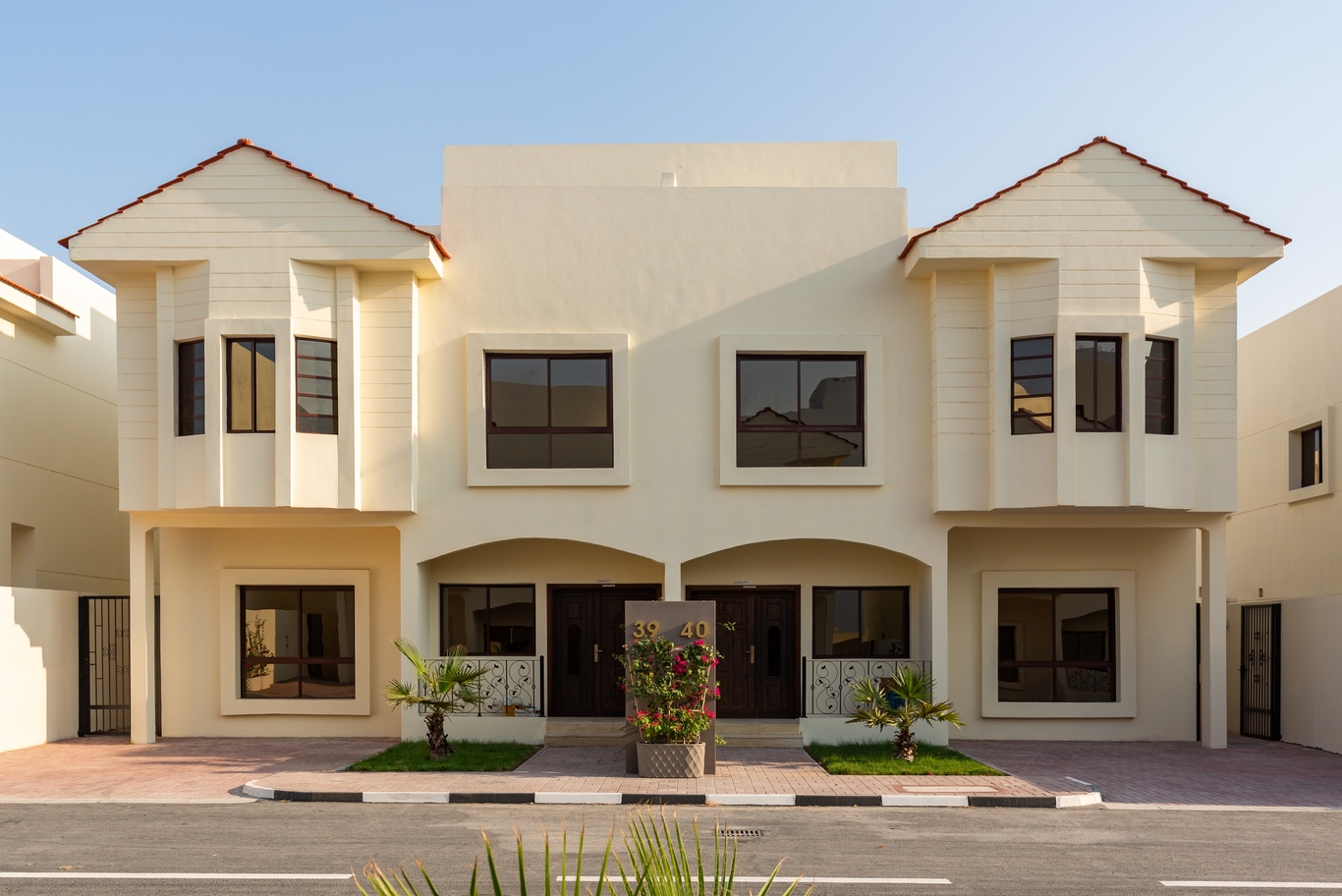
Stage 5: Procurement and Pre-Construction
With permits approved, the project moves into procurement — sourcing materials, appointing subcontractors, and setting up the site. This is the bridge between planning and construction, and getting it wrong can delay a project by months.
For luxury villas, procurement involves long lead-time items that need to be ordered well in advance: imported stone, custom joinery, specialty glazing systems, high-end sanitary ware, and bespoke metalwork. If you are specifying Italian marble for your main living areas or custom timber screens for your facade, those materials may take 12 to 16 weeks from order to delivery. Your procurement schedule needs to account for this — not discover it when the site team is standing idle waiting for materials.
Subcontractor selection is equally important. Your villa will involve specialists in piling, structural concrete, waterproofing, MEP installation, facade systems, stone cladding, joinery, landscaping, and pool construction — among others. Each subcontractor needs to be vetted for quality, capacity, and reliability. A single underperforming trade can hold up every trade that follows.
Pre-construction also includes detailed site planning: temporary power and water connections, hoarding and site security, welfare facilities for workers, and a construction phasing plan that maps out which parts of the villa get built in which order. A well-run pre-construction phase means that when the first excavator arrives, everything is ready. Skip this stage or rush through it, and you will spend the next 18 months reacting to problems that should have been solved on paper.
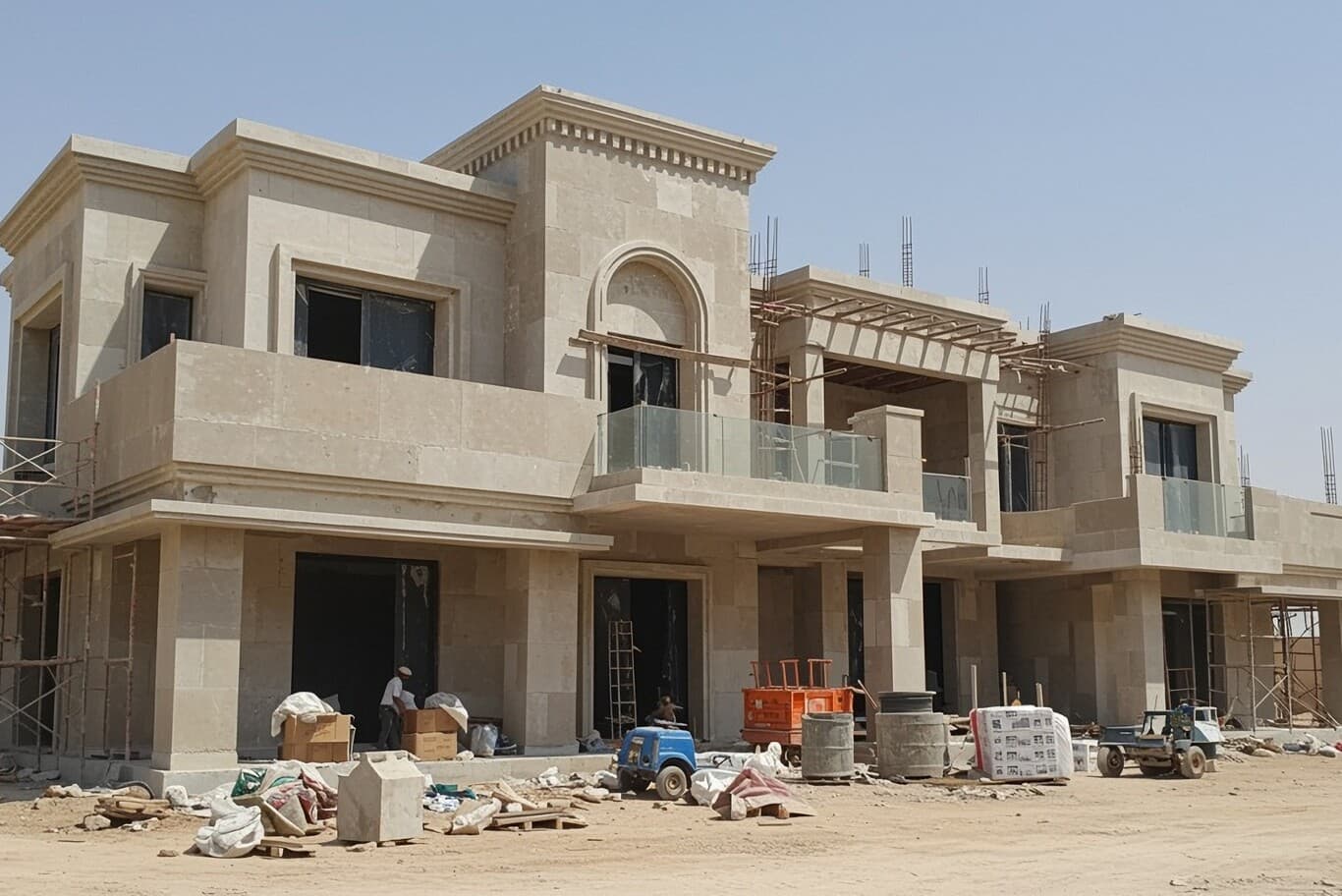
Stage 6: Foundation and Structure
This is where the villa starts to take physical shape. Foundation work depends on the soil conditions identified in Stage 1 — options range from simple pad footings for stable ground to piled foundations for weaker soils or waterfront sites.
Once the foundations are in, the structural frame goes up: reinforced concrete columns, beams, slabs, and — for larger villas — structural steel elements for long-span living areas or cantilevered features. Roof structures follow, along with external blockwork walls.
During this phase, quality control is everything. Concrete cover to reinforcement, curing times, structural alignment, and waterproofing are all inspected and documented. This is the skeleton of your villa — every other system and finish relies on it being right. Cutting corners here creates problems that surface years later as cracks, leaks, or structural settlement.
For villa owners who want to future-proof their homes, this is also the right time to think about planning for potential expansions — reinforcing slabs for a possible additional floor, running conduits for future garden structures, or sizing the electrical panel for expansion.
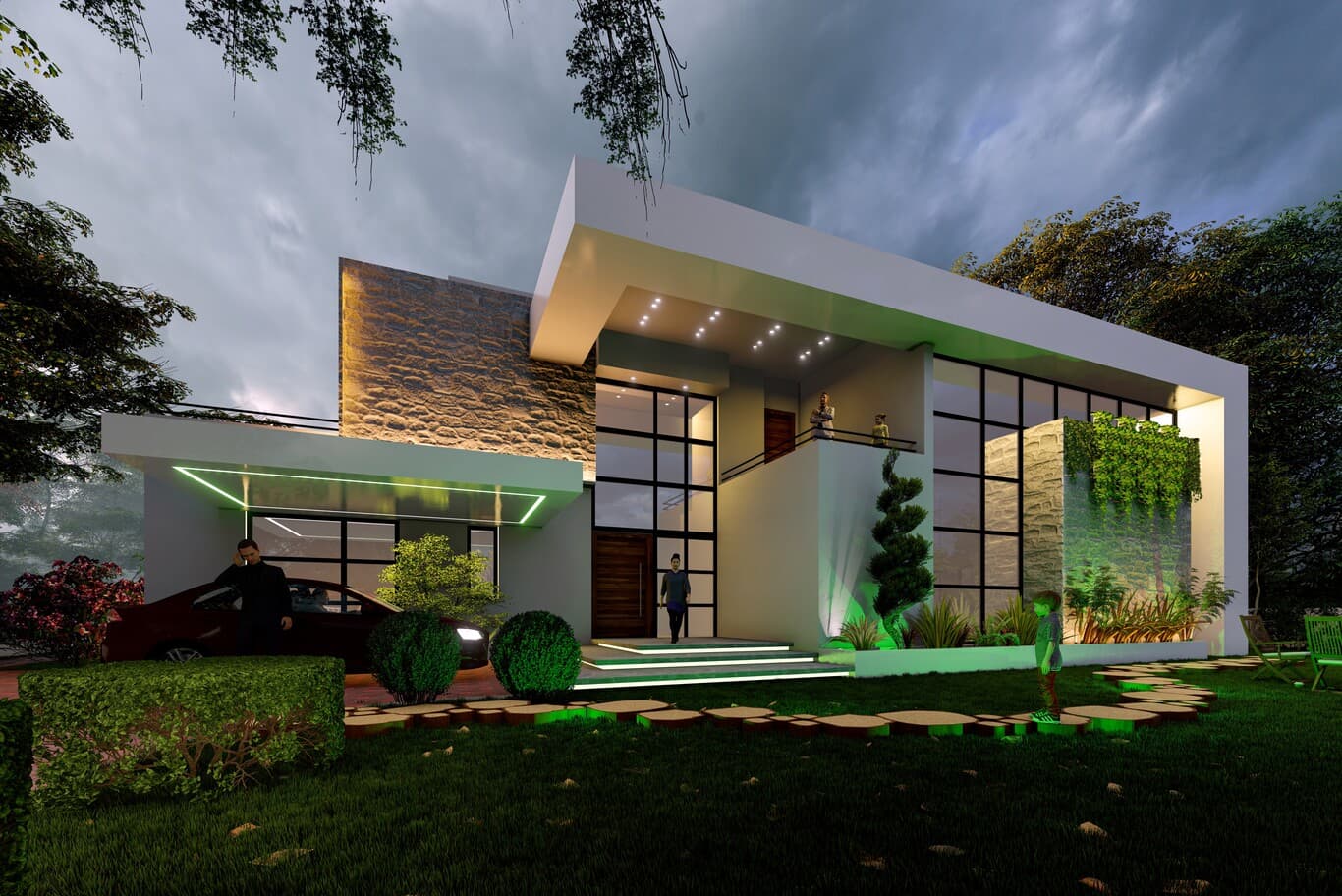
Stage 7: MEP Rough-In and Building Envelope
With the structure complete, two things happen simultaneously: the MEP first fix (rough-in) and the building envelope works.
MEP rough-in means running all the concealed services — electrical conduits, plumbing pipes, HVAC ductwork, fire sprinkler mains, and data cabling — through the walls, floors, and ceilings before they are closed up. This has to be coordinated meticulously. Once the plaster goes on, accessing these systems becomes destructive and expensive.
At the same time, the building envelope takes shape: external walls, insulation, waterproofing membranes, windows, and facade cladding. In Dubai, the envelope is your first line of defence against extreme heat, humidity, and — for coastal villas — salt-laden air. The choice of glazing, insulation values, and waterproofing systems directly impacts your energy consumption and long-term maintenance costs.
Window and glazing selection deserves particular attention in luxury villas. Floor-to-ceiling glass is a staple of contemporary Dubai villa design, but every square metre of glass is a potential source of heat gain. High-performance double glazed units with low-E coatings, argon fill, and tinted outer panes can cut solar heat gain significantly without compromising the light and views that make a villa feel open. Your facade consultant and MEP engineer should be working together on this — the glazing specification directly affects the size of your air conditioning plant.
Waterproofing is another area where you cannot afford to cut corners. Basement tanking, wet area membranes, roof waterproofing, and planter box linings all need to be applied correctly and tested before any finishes go on top. A waterproofing failure that shows up two years after handover will cost far more to fix than doing it properly the first time.
Stage 8: Interior Fit-Out and Finishing
This is where the villa transforms from a construction site into a home. Interior fit-out covers flooring, wall finishes, ceiling treatments, joinery, painting, bathroom installations, kitchen fit-out, lighting, and all the details that define the character of the space.
In luxury villa projects, the fit-out phase is typically the most detail-intensive and time-consuming stage. Custom joinery alone — wardrobes, vanities, kitchen cabinetry, feature walls, and bookshelves — can take weeks to fabricate and install. Stone flooring needs careful layout planning, especially when you are working with large-format slabs or book-matched feature walls.
This is also the stage where the aesthetics of your exterior spaces come together. Whether you are incorporating decorative stone elements in your garden, designing outdoor living areas with pergolas, decks, and shaded terraces, or making the most of a compact garden through smart landscape design, these elements should be coordinated with the interior programme so everything finishes together.
For villas with pools, the pool construction, permitting, and finishing should be phased to align with the landscape and hardscape works around it. A pool that finishes three months after the villa handover means you are living on a construction site — which is the opposite of the luxury experience.
Stage 9: Commissioning and Testing
Before any villa is handed over, every installed system needs to be commissioned and tested. This includes HVAC balancing and performance testing, electrical system testing and certification, plumbing pressure tests and drainage checks, fire alarm and suppression system commissioning, elevator testing (for multi-storey villas), smart home system integration testing, and pool equipment commissioning.
Commissioning is not a formality. It is the stage where you discover whether that underfloor heating system actually works evenly across the master bedroom, whether the home automation scenes trigger correctly, whether the irrigation system covers every planting bed without over-spraying the facade, and whether the pool filtration system maintains the water quality and temperature you specified.
Each system should be tested under real operating conditions, not just powered on and checked off a list. HVAC commissioning, for example, should include measuring air flow rates at every diffuser, checking zone temperatures under peak load conditions, and verifying that the BMS (building management system) is controlling everything as designed. Electrical testing should include full load testing, earth fault loop impedance measurements, and RCD trip testing — not just a visual inspection of the distribution boards.
A thorough commissioning process run by your contractor — not left to individual subcontractors checking their own work — ensures that everything functions as a complete, integrated system.
Stage 10: Snagging, Handover, and Defects Liability
The final stage is snagging — a detailed, room-by-room inspection of every surface, fixture, fitting, and system in the villa. This is where you catch paint imperfections, alignment issues in joinery, grout inconsistencies, hardware that does not operate smoothly, and any other details that fall short of the standard agreed in your specifications.
A good contractor treats the snag list seriously. At Capital Associated, we close every snag item before handover — not after. You should receive the keys to a villa that is genuinely finished, not one with a pending list of fixes that drag on for months.
Handover includes as-built drawings (showing what was actually built, not just what was designed), operation and maintenance manuals for all equipment, warranty certificates, authority completion certificates, and a clear defects liability period — typically 12 months — during which the contractor is responsible for rectifying any issues that emerge from normal use.
Choosing the Right Partner for Your Villa Build
The luxury villa construction process is not something you want to manage alone or entrust to a team that is learning on the job. From feasibility and design through to snagging and handover, every phase is interconnected. A decision made — or missed — in Stage 2 has consequences in Stage 8. A shortcut taken in Stage 6 shows up in Stage 10.
The right construction partner brings experience across all ten stages, a team that communicates clearly and solves problems quickly, and a track record of delivering luxury residential projects in Dubai to the standard you expect. They should be comfortable managing both the creative design process and the hard realities of site execution — because a villa that looks stunning in a 3D render but falls apart in construction coordination is not worth the rendering fee.
Capital Associated Building Contracting has delivered custom villa projects across Dubai's most prestigious communities. Our team manages the full process — from initial feasibility and design development through structural construction, fit-out, and final handover — with a single point of contact and full accountability at every stage.
If you are planning a villa build in Dubai — whether you are starting from scratch or refining an existing design — get in touch with Capital Associated for a consultation. We will walk you through the process, assess your project requirements, and show you how we deliver luxury villas from first sketch to final handover.