
Everything you need to know about construction in Dubai — from choosing contractors to permits, delivery methods, and beyond.
Dubai has cemented its position as one of the world’s most ambitious construction markets. From record-breaking skyscrapers to sprawling luxury communities, the emirate continues to push the boundaries of what is possible in the built environment. Whether you are a developer, investor, or homeowner planning your next project, understanding how construction works in Dubai is essential to making informed decisions and achieving a successful outcome.
This guide covers every critical aspect of the construction process in Dubai — from choosing the right partners and planning your project, to navigating regulations, selecting delivery methods, and building sustainably. Consider it your single reference point for construction in the UAE.
Whether you are commissioning a custom villa on Palm Jumeirah, developing a commercial tower in Business Bay, fitting out a restaurant in DIFC, or renovating an apartment in Dubai Marina, the principles outlined here apply across every project type and scale. The construction decisions you make early on — who you hire, how you plan, and which delivery method you choose — will determine whether your project succeeds or stumbles.
Why Dubai Remains a Global Construction Powerhouse
Dubai’s construction sector is fuelled by continuous government investment, population growth, and tourism-driven demand. Mega-projects like Dubai South, the Dubai Creek Harbour redevelopment, and ongoing Expo City legacy works ensure a steady pipeline of opportunities across residential, commercial, and infrastructure segments.
The emirate’s regulatory framework has also matured significantly. Authorities like Dubai Municipality, TRAKHEES, and the Dubai Land Department have streamlined approval processes, making it more efficient for qualified firms to operate. Free zone authorities such as JAFZA, DAFZA, and DMCC add further layers of opportunity for commercial and industrial development.
Foreign direct investment, favourable tax structures, and Golden Visa eligibility tied to property ownership all contribute to sustained demand. Understanding these dynamics is the first step toward a successful build — and you can explore the broader forces shaping the industry in our analysis of construction trends driving the UAE forward.
Choosing the Right Construction Company in Dubai
Your choice of contractor is arguably the single most consequential decision you will make on any project. A capable construction company in Dubai does far more than pour concrete — they coordinate design consultants, manage procurement chains, maintain safety standards, and keep your project on schedule and within budget.
When evaluating potential partners, look beyond price. Assess their track record on comparable projects, their financial stability, the depth of their in-house teams, and their approach to quality control. Check whether they hold the correct trade licences, carry adequate insurance, and have established relationships with reliable subcontractors and material suppliers.
Many project owners make the mistake of prioritising cost over capability. While budget discipline is important, the cheapest bid frequently signals corners being cut on materials, labour, or planning — problems that compound exponentially once construction is underway. Always request detailed breakdowns and compare scope, not just price. For a step-by-step approach to this process, see our guide on picking the right contracting partner for Dubai projects in 2026.
Pre-Construction: The Foundation of Every Successful Project
Before a single excavator arrives on site, weeks or months of pre-construction work must take place. This phase encompasses feasibility studies, site investigations, geotechnical analysis, value engineering, cost estimation, and constructability reviews. Skipping or rushing this stage is one of the most common — and most expensive — mistakes in the industry.
In Dubai, pre-construction planning carries additional complexity due to the region’s challenging soil conditions, extreme temperatures, and specific regulatory requirements. Soil conditions vary dramatically by location — coastal areas often require piling to significant depths, while inland sites may sit on stable limestone. The water table level affects foundation design, dewatering requirements, and construction methodology. These factors directly influence cost and schedule.
A robust pre-construction phase identifies risks early, locks in accurate budgets, and establishes a realistic schedule. It also creates a shared understanding among all stakeholders about project scope, quality expectations, and delivery milestones. For a detailed breakdown of how this phase works, see our guide to essential services that set your construction project up for success.
Value engineering deserves special mention. This systematic method analyses building functions to achieve the required performance at the lowest lifecycle cost — without sacrificing quality. When done correctly, it can save 10–25% of total project costs while actually improving design outcomes. The key is to involve value engineers early, during the design development phase, rather than treating it as a cost-cutting exercise after design is complete.
Project Management: Keeping Your Build on Track
Construction project management is the discipline that ties every element of your build together. It covers scope management, scheduling, cost control, quality assurance, risk mitigation, and stakeholder communication. Without a structured PM approach, even well-planned projects can spiral into delays and cost overruns.
In Dubai’s fast-paced market, where multiple trades often work simultaneously and regulatory inspections occur at every milestone, effective project management is non-negotiable. The difference between a project that delivers on time and one that drags on for months often comes down to the calibre of the PM team. Key practices include establishing clear communication protocols from day one, using earned value analysis to track progress against budget, building contingency into the schedule for weather delays and material lead times, and conducting regular look-ahead planning sessions with all key subcontractors.
Whether you are managing a villa build or a multi-tower development, having the right PM framework in place makes all the difference. Common causes of delay in Dubai include late authority approvals, design changes during construction, subcontractor performance issues, and material supply chain disruptions. An experienced PM team anticipates these risks and maintains contingency plans to mitigate their impact on the overall schedule. Our deep dive into why project management determines construction outcomes explores this topic comprehensively.
Design-Build vs. Traditional Delivery Methods
One of the earliest strategic decisions on any project is choosing your delivery method. The two most common approaches in Dubai are traditional (design-bid-build) and design-build.
In the traditional method, the owner hires an architect separately from the contractor. This gives the owner more design control but introduces a natural tension between the design team and the builder — often leading to disputes, change orders, and delays. It also tends to extend the overall project duration because design and construction happen sequentially.
The design-build approach consolidates both design and construction under a single entity. This eliminates the adversarial dynamic, reduces coordination gaps, and typically shortens the overall project timeline by 15–30%. For owners who value efficiency and single-point accountability, this method has become increasingly popular. Hybrid approaches such as Construction Manager at Risk (CMAR) and Integrated Project Delivery (IPD) are also gaining traction on larger developments. Learn more about how integrated delivery transforms construction projects.
Villa Construction in Dubai: What Makes It Unique
Residential construction in Dubai — particularly in the luxury villa segment — presents its own set of opportunities and challenges. Communities like Emirates Hills, Palm Jumeirah, Al Barari, and District One attract clients who expect world-class finishes, bespoke architecture, and flawless execution.
Building a villa in Dubai requires careful attention to thermal performance, moisture management (especially for coastal properties), outdoor living integration, and smart home technology. The design must also comply with community-specific guidelines and Dubai Municipality building codes. Many communities impose additional requirements around setbacks, building height, materials, and even colour palettes.
The construction timeline for a custom villa in Dubai typically ranges from 12 to 24 months depending on complexity, size, and the level of bespoke detailing involved. If you are exploring what is possible in this segment, our showcase of Dubai luxury villa builds that redefine residential living features completed projects across the city’s most prestigious communities.
Commercial Construction and Fit-Out
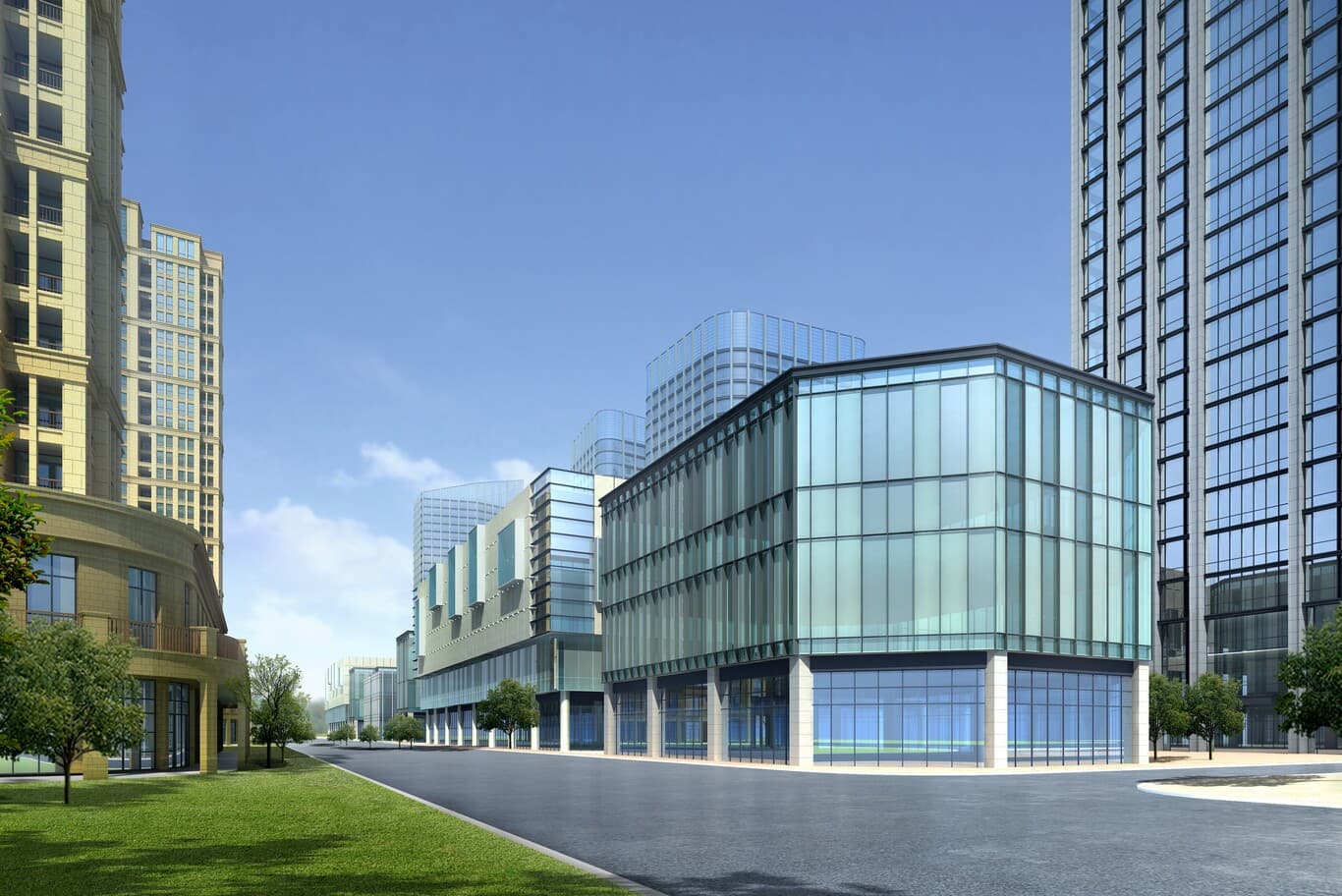
Dubai’s commercial construction landscape spans office towers, retail centres, warehouses, logistics facilities, and mixed-use developments. Each typology carries unique requirements for MEP systems, floor loading, ceiling heights, fire safety, and tenant fit-out specifications.
The fit-out segment is particularly active, driven by tenant churn, brand refresh cycles, and the shift toward experiential retail and flexible office environments. Material selection, acoustic performance, and sustainability certification are increasingly influencing fit-out decisions. Landlords and tenants are also paying more attention to wellness certifications like WELL and Fitwel, recognising that healthier workplaces attract better tenants and command premium rents.
Whether you are developing a Grade A office or retrofitting a retail space, staying informed on what is shaping commercial construction across the UAE in 2026 will help you make better investment and design decisions.
Interior Design and Fit-Out Best Practices
A building’s interior is where occupants actually live and work, making the fit-out phase critical to the overall success of any project. Poor interior fit-out decisions lead to complaints about acoustics, lighting, thermal comfort, and space efficiency — all of which affect property values and tenant satisfaction.
Best practices include aligning the fit-out scope with the base build specifications, coordinating MEP routing early to avoid ceiling height compromises, selecting materials that balance aesthetics with durability in Dubai’s climate, and planning for future flexibility. Modular partition systems, raised access floors, and demountable ceilings all contribute to adaptable spaces that can evolve with tenant needs over time.
Whether you are fitting out a new shell or refreshing an existing space, getting the fundamentals right from the start saves significant time and money. For practical recommendations on executing this phase, our collection of proven strategies for delivering successful interior fit-outs is a valuable starting point.
Home Renovation and Remodelling
Not every project starts from a blank site. Renovation and remodelling represent a significant share of Dubai’s construction activity, driven by ageing building stock, changing lifestyle preferences, and owners looking to increase property value before a sale or re-lease.
Renovation projects carry specific risks that new builds do not — including hidden structural issues, outdated electrical and plumbing systems, asbestos in older buildings, and the need to maintain occupancy during works. Successful renovation depends on thorough condition assessments, realistic budgeting that includes a healthy contingency, and experienced contractors who understand how to work within existing structures without causing collateral damage.
Kitchen and bathroom upgrades typically deliver the highest return on investment, while structural modifications such as opening up floor plans or adding outdoor living areas can dramatically improve both liveability and market appeal. Our resource on achieving outstanding results from home renovation and remodelling projects covers the most common pitfalls and how to avoid them.
Sustainable Construction: Building for the Future
Sustainability is no longer a niche consideration in Dubai construction — it is becoming a regulatory requirement and a market differentiator. The UAE’s Net Zero 2050 strategy, Dubai’s Green Building Regulations, and rating systems like Al Safat, Estidama, and LEED are pushing the industry toward more energy-efficient, lower-carbon buildings.
From a financial perspective, sustainable buildings command higher rents, lower operating costs, and stronger resale values. From a construction perspective, they require earlier and more integrated design decisions, particularly around building orientation, envelope performance, HVAC system selection, and water recycling. Embodied carbon in construction materials is also receiving increased scrutiny, with concrete, steel, and aluminium being the largest contributors.
Green building is not just an environmental choice — it is a sound business decision. If you are weighing the numbers, our analysis of why sustainable construction delivers strong financial returns presents the data and practical considerations.
Technology and Innovation in Construction
Technology adoption in Dubai’s construction sector has accelerated rapidly. Building Information Modelling (BIM) is now mandated on government projects above a certain value, and its use on private-sector projects is growing as owners recognise the coordination and cost benefits. A well-implemented BIM workflow catches clashes before they reach site, reduces rework, and provides a digital twin for facilities management after handover.
Beyond BIM, technologies such as drones for site surveying, AI-powered scheduling, 3D concrete printing, and IoT-enabled asset tracking are moving from pilot phases to mainstream adoption. Dubai’s status as a smart city accelerator makes it a natural testing ground for construction technology, with the Dubai 3D Printing Strategy targeting 25% of buildings to be 3D-printed by 2030.
For an in-depth look at how digital tools are reshaping project delivery, read our guide on how BIM is transforming construction across Dubai and the UAE.
Hospitality Construction: Hotels, Resorts, and F&B
Dubai’s tourism ambitions — targeting 40 million visitors by 2031 — drive continuous demand for new hotels, resorts, serviced apartments, and food and beverage venues. Hospitality construction differs from other sectors in its emphasis on speed-to-market, brand standards compliance, guest experience design, and the tight coordination of FF&E procurement with base build schedules.
Developers in this space must manage interest carry costs aggressively, making programme compression a financial imperative. Delays of even a few weeks can cost millions in lost revenue and additional financing charges. Mock-up rooms, early procurement of long-lead items, and phased handover strategies are standard tools for managing these risks.
Our detailed resource on accelerating hotel builds while controlling cost and quality is essential reading for anyone entering the hospitality construction market.
Regulations, Permits, and Approvals
Navigating Dubai’s regulatory landscape is a critical component of any construction project. The permitting process involves multiple authorities depending on the project location and type. Dubai Municipality handles most building permits within the city, while TRAKHEES oversees projects in Jebel Ali Free Zone, Palm Jumeirah, and other Nakheel communities. Dubai Development Authority covers specific development zones, and each free zone may have its own approval requirements.
The typical approval sequence includes initial planning permission, building permit, foundation permit, structural completion certificate, and finally the building completion certificate. Environmental impact assessments, traffic impact studies, and civil defence approvals for fire and life safety may also be required depending on project scale.
Common causes of permit delays include incomplete documentation, non-compliant designs, missing NOCs from utility providers (DEWA, Etisalat, du, municipality drainage), and discrepancies between submitted drawings and site conditions. Working with a contractor who has established relationships with these authorities and understands their submission requirements can significantly reduce approval timelines.
It is also worth noting that Dubai’s building codes are regularly updated to reflect evolving safety, sustainability, and accessibility standards. The introduction of the Dubai Green Building Regulations, updates to Civil Defence fire code requirements, and increasingly stringent energy efficiency mandates mean that designs approved even two or three years ago may not comply with current standards. Engaging consultants who stay current with regulatory changes is essential to avoiding costly redesign and resubmission cycles.
Key Considerations Before Breaking Ground
Before mobilising to site, ensure these critical items are addressed: confirm land ownership and boundary surveys, obtain all necessary permits and NOCs, finalise construction drawings with consultant sign-off, execute a clear construction contract with defined scope and payment terms, arrange project insurance including Contractor’s All Risks (CAR) and third-party liability, and establish a dispute resolution mechanism.
Material procurement deserves early attention. Dubai’s construction sector relies heavily on imported materials, and supply chain disruptions — whether from global logistics issues, regional demand spikes, or regulatory changes — can delay projects by months. Early procurement of long-lead items such as structural steel, specialised cladding systems, elevators, and MEP equipment is a proven risk mitigation strategy.
Labour availability is another planning consideration. Dubai’s construction workforce is predominantly expatriate, and visa processing timelines, accommodation requirements, and seasonal demand fluctuations all affect labour supply. Contractors with established labour camps and long-term workforce relationships are better positioned to maintain consistent site manning levels throughout the project.
Finally, consider your project’s insurance and warranty structure carefully. Contractor’s All Risks (CAR) insurance should cover the full reinstatement value of the works, while professional indemnity insurance protects against design errors. Post-completion, a clear defects liability period — typically 12 months in the UAE — and maintenance bond arrangements ensure that any issues discovered after handover are addressed promptly and at the contractor’s expense.
How to Get Started with Your Dubai Construction Project
Every successful construction project in Dubai follows a similar trajectory: define your brief, assemble the right team, invest in thorough planning, select the appropriate delivery method, and maintain disciplined execution throughout. The complexity of each step varies with project type and scale, but the fundamentals remain consistent.
Start by clearly defining your project objectives — budget, timeline, quality expectations, and any specific regulatory or certification requirements. Then engage a qualified construction company in Dubai that has demonstrable experience on projects comparable to yours. Prioritise firms that offer pre-construction services, because the decisions made before construction begins have the greatest impact on final outcomes.
At Capital Associated, we bring together general contracting, pre-construction planning, design-build delivery, project management, and specialty construction under one roof. Our team has delivered projects across residential, commercial, hospitality, and industrial sectors throughout the UAE. We operate as a single point of accountability for our clients, managing every aspect of the construction process so that owners can focus on their core business while we handle the complexities of building in Dubai.
Our approach begins with understanding your objectives and constraints, followed by a rigorous planning phase that de-risks the project before construction starts. During execution, our project managers maintain tight control over schedule, cost, and quality — supported by digital tools that provide real-time visibility into project performance.
Whether you are building from the ground up, renovating an existing property, or planning a commercial fit-out, our team is ready to help. Contact Capital Associated today for a free consultation and discover how we can bring your vision to life — on time, on budget, and to the highest standards.
Request a free consultation to discuss your project requirements.