
How solar PV gets integrated into Dubai buildings — Shams Dubai net metering, DEWA approvals, structural and MEP design, costs, and contractor coordination.
Dubai sits under one of the most generous solar resources on Earth, with clear skies through most of the year and intense year-round irradiance. The emirate has built policy around that advantage, and building owners now hold a clear, regulated route to generating their own electricity and exporting the surplus to the grid.
For developers and homeowners, solar has moved from an optional extra to a mainstream design consideration. Rising electricity demand from cooling, a supportive regulatory framework, falling panel prices, and growing tenant expectations all point the same way. The question for most projects has shifted from whether to install solar toward how to integrate it well — and integration is where a contractor's involvement decides the outcome.
The Policy Backdrop
Dubai's solar push runs through the Dubai Clean Energy Strategy 2050, which targets 100% of the emirate's energy production capacity from clean sources by 2050, with an interim milestone of around a quarter of the mix by 2030. The Mohammed bin Rashid Al Maktoum Solar Park anchors the utility-scale side of that plan as the world's largest single-site solar park.
Distributed rooftop generation forms the complementary half. DEWA launched Shams Dubai as its first smart initiative to connect solar energy to buildings, implementing Executive Council Resolution No. 46 of 2014, which regulates the connection of solar energy to Dubai's power grid. The programme encourages building owners to install photovoltaic panels, consume the electricity on site, and export the surplus to DEWA's network. Dubai has also signalled an intent to make rooftop solar a standard expectation on buildings as the 2030 milestones approach, so designing a building to accommodate solar today protects its position as requirements tighten.
How Shams Dubai Works
Shams Dubai operates on net metering, and understanding the mechanism clarifies the economics.
A building owner installs a grid-connected PV system. Electricity generated feeds the building's own loads first. Surplus generation exports to DEWA's network, and DEWA credits the exported units against the account. The meter records both import and export, so the bill reflects net consumption across the period. Credits carry forward on the account, which smooths the seasonal variation between generation and demand.
The programme is open to DEWA customers across residential, commercial, and industrial properties, and the practical prerequisite is a suitable roof or structure to carry the array. One requirement governs the whole process: applications reach DEWA through a consultant or contractor enrolled with DEWA as an Electrical and DRRG Solar PV Consultant or Contractor. Enrolment requires a Dubai trade licence carrying the relevant solar activity codes together with employees certified as Solar PV Experts through DEWA's own training programme, and DEWA maintains and regularly updates the published list of enrolled companies. Selecting an enrolled party is therefore the first practical step for any owner.
The Approval Sequence
DEWA structures the connection process in defined stages, and a competent contractor drives each one.
The process opens with the No Objection Certificate. The enrolled consultant or contractor submits the PV connection application with supporting documentation, and DEWA issues its NOC upon approval. Design approval follows, with technical submissions covering site layout, system design, single-line diagrams, and equipment specifications. DEWA has streamlined these steps so a single application can return the solar NOC, design approval, and the estimated invoice together, which shortens the front end considerably.
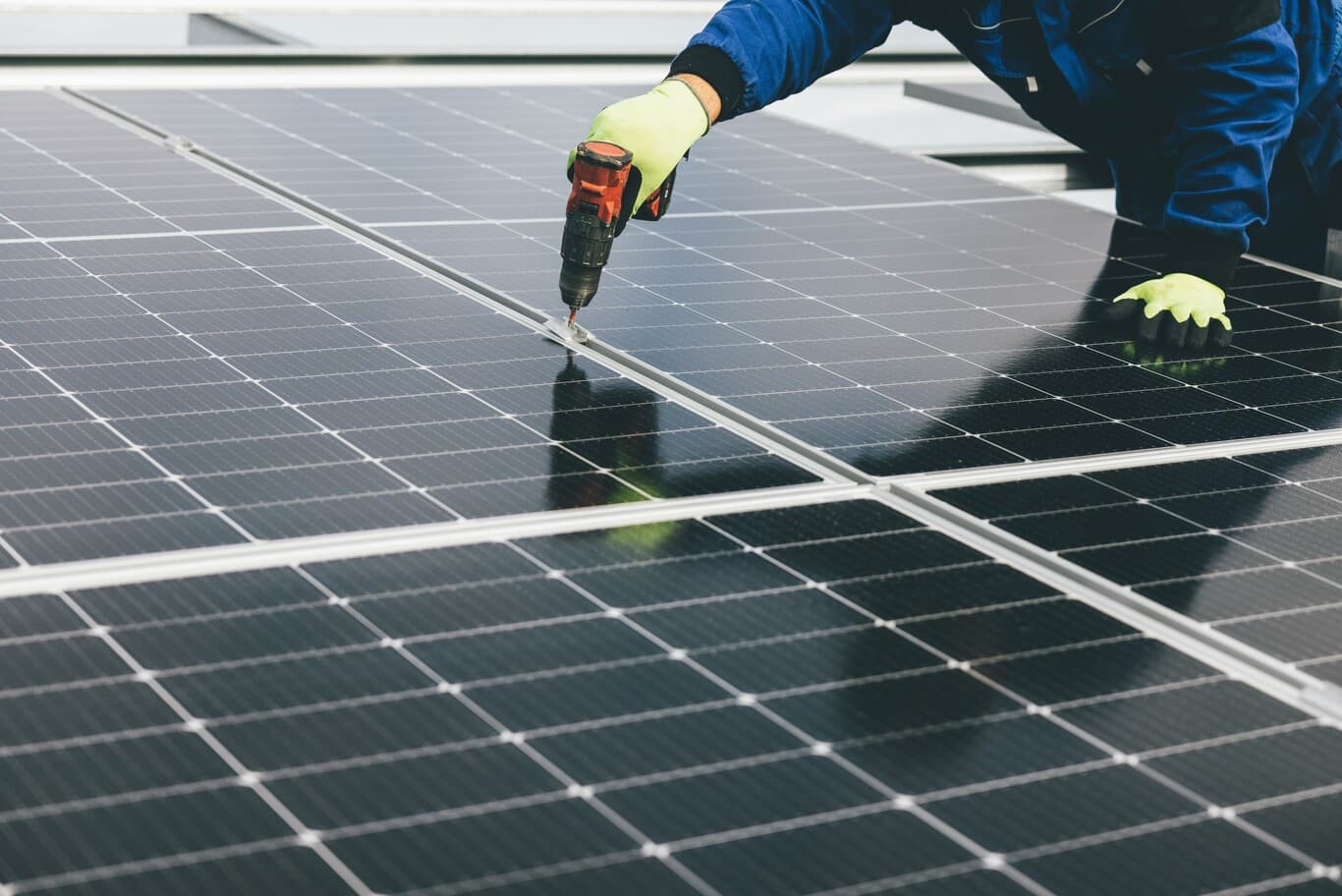
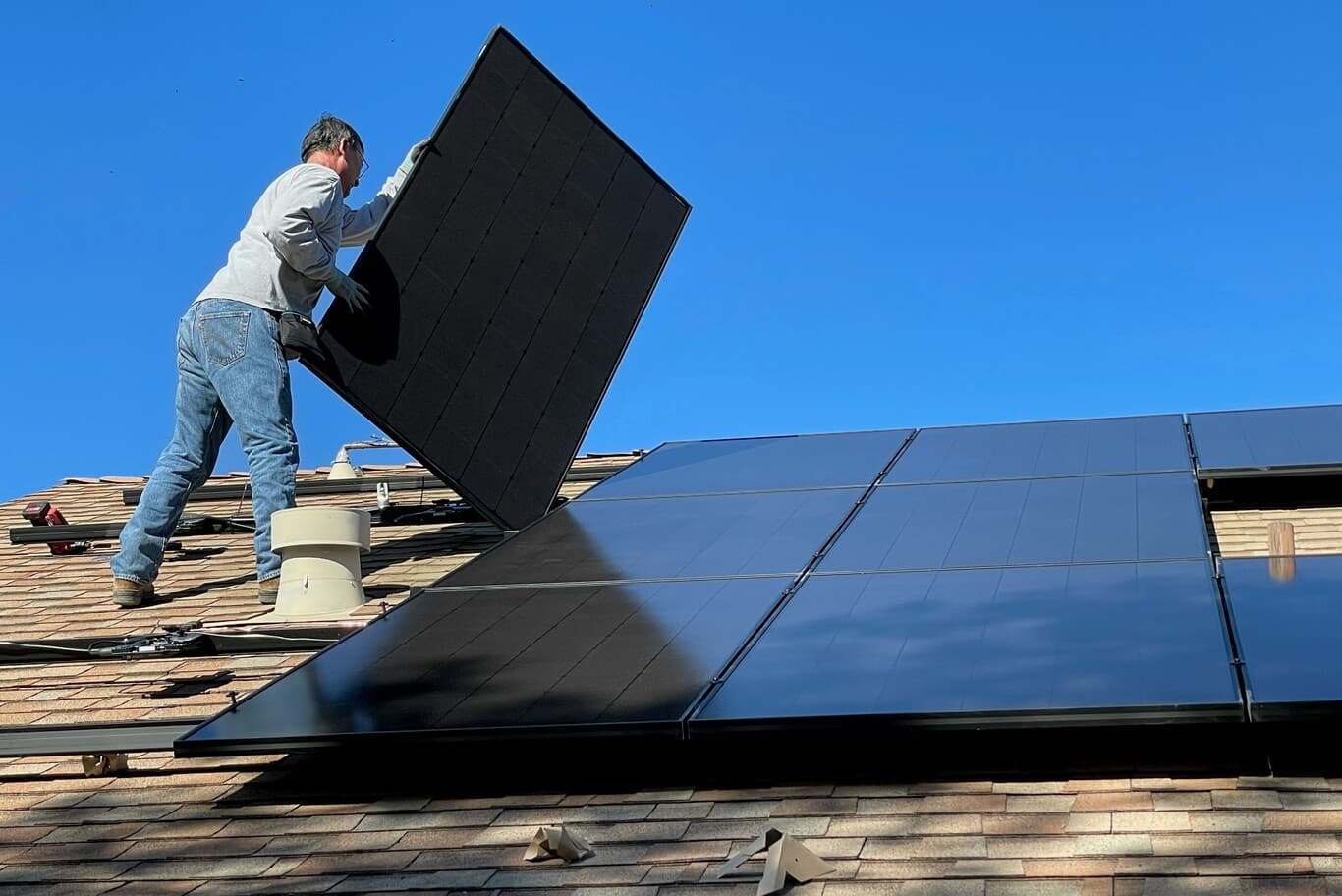
Installation proceeds once approvals are in place, using equipment that satisfies DEWA's eligibility criteria. Inspection and meter installation follow, with DEWA verifying the installed system against the approved design before commissioning. Generation begins once the meters are live, and the export mechanism starts operating from that point.
Owners gain the most by folding this sequence into the wider construction approval programme rather than treating it as a separate exercise after handover. Aligning the solar submissions with the building's own permit path keeps both on the same critical path.
Designing Solar Into a New Building
Integrating PV during design produces a substantially better result than retrofitting later, and four areas deserve attention from the outset.
Structural capacity. Panels, mounting frames, and ballast add distributed load to a roof, and wind uplift adds a dynamic component that matters in Dubai's exposed conditions. Designing the roof structure to carry the array from the start spares a project the strengthening works a retrofit often demands. On tall buildings, wind exposure at roof level shapes both the mounting design and the fixing specification.
Roof planning. Usable roof area competes with plant, ducts, lift overruns, water tanks, and maintenance access. Planning the array early reserves clean, unshaded area with the right orientation, and it keeps safe access routes available for cleaning and maintenance. Shading from adjacent structures or the building's own features reduces output disproportionately, so early modelling of the roof pays back across the system's life.
Electrical infrastructure. A PV system needs inverter locations, cable routes from roof to switchgear, protection devices, isolation points, metering provisions, and monitoring connections. Designing these into the building's electrical distribution during the MEP stage produces a clean installation. Retrofitting the same infrastructure into a finished building means surface containment, longer runs, and compromises. Coordinating these services alongside every other system is standard practice in MEP planning for complex buildings.
Waterproofing. Every roof penetration is a potential water path. Mounting systems that minimise penetrations, or ballasted systems that sit free of them where the structure allows, protect the roof membrane. Where fixings do penetrate, detailing and sealing them properly at installation keeps the roof sound for its full service life.
Solar for Villas and Homes
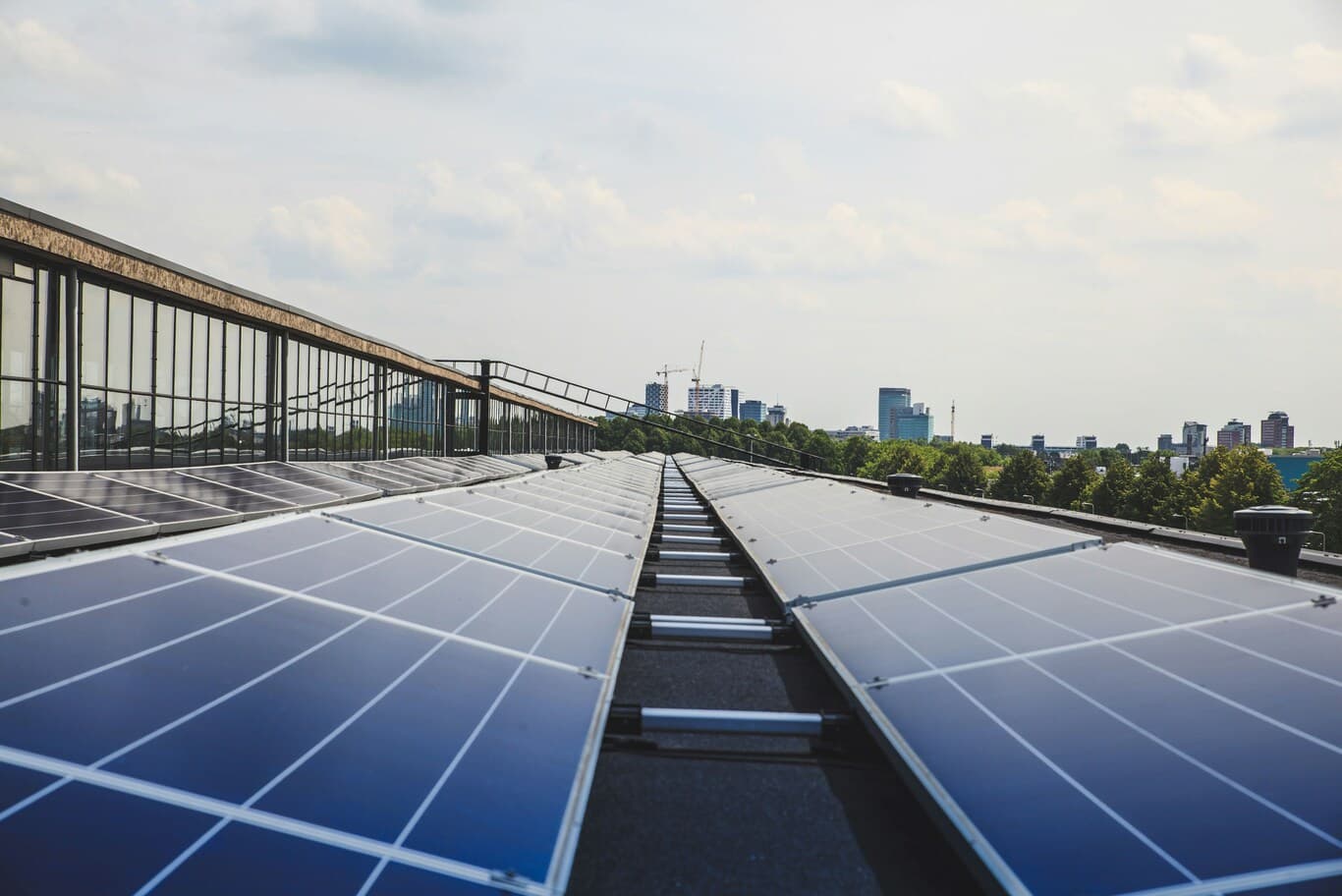
Residential owners in Dubai occupy a strong position for solar. Villas typically offer generous roof area relative to their consumption, and household demand peaks during daylight hours when air conditioning works hardest — which aligns generation with load almost ideally.
System sizing starts from historical DEWA consumption, roof area, and budget. Larger systems reduce more of the bill while requiring more roof and more capital, and DEWA publishes a Shams Dubai calculator that helps owners model the relationship. Costs vary with system size, equipment choice, and whether the installation forms part of new construction or a retrofit, with the per-kilowatt rate typically improving as systems grow. A one-off DEWA connection fee applies, reduced for smaller systems.
Solar sits naturally alongside the other efficiency measures a villa benefits from: strong insulation, high-performance glazing, efficient cooling, and smart controls all reduce the demand the panels then serve. Combining them produces a compounding result, and the same integrated thinking runs through smart home planning for Dubai villas and through the material choices set out in the guide to sustainable building materials for Dubai projects.
Solar for Commercial and Industrial Buildings
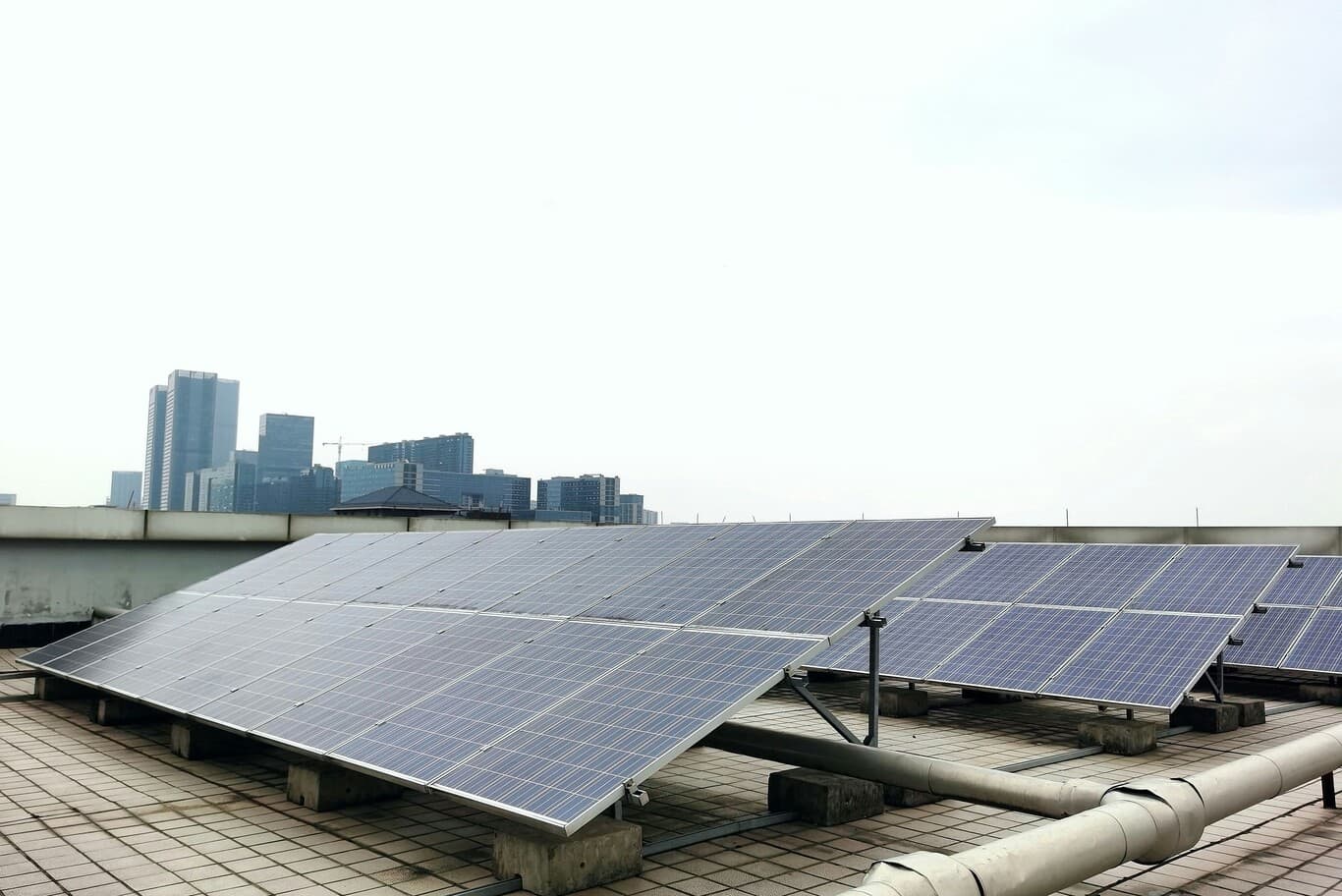
Commercial and industrial buildings frequently present the strongest business case of all. Warehouses, logistics facilities, retail centres, and offices combine large roof areas with daytime-weighted consumption, which means most generation gets consumed on site at the tariff the owner would otherwise pay.
Carports extend the available area on sites with substantial parking, generating power while shading vehicles — a genuine amenity in Dubai's summer. Building-integrated photovoltaics take the idea further by incorporating PV into facades, canopies, and shading elements, which suits towers where roof area is limited relative to consumption.
Landlords weighing the investment should account for the effect on asset positioning as well as on bills. Tenants increasingly assess sustainability performance when selecting space, and buildings with visible clean-energy credentials compete more strongly. The commercial reasoning behind that shift is developed in the why green buildings make commercial sense.
Retrofitting Solar to an Existing Building
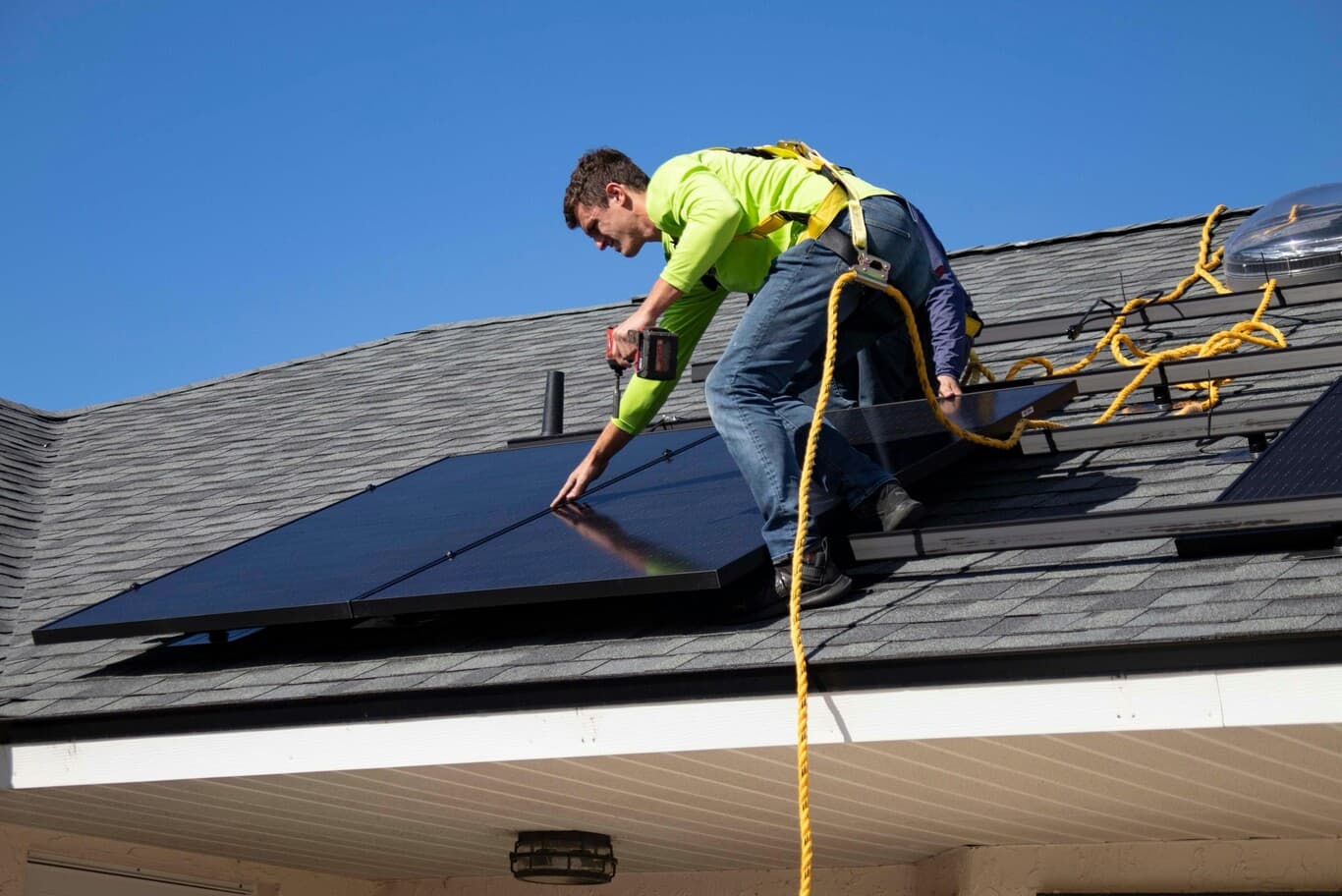
Plenty of Dubai's building stock predates the current solar push, and retrofitting remains a strong option where the conditions suit. The assessment starts with three checks: whether the existing roof structure carries the additional load, whether the roof membrane has enough service life left to justify covering it, and whether the electrical infrastructure has the capacity and space for inverters and new circuits.
Sequencing matters on a retrofit. Where a roof is approaching replacement, pairing the waterproofing works with the solar installation makes strong sense, since both trades access the same area once and the new array sits on a membrane with a full life ahead of it. Structural surveys establish load capacity early, and strengthening works enter the scope where the survey calls for them. Access, crane time, and the effect on building occupants all enter the planning, particularly on occupied commercial premises where the works proceed around a working tenant.
Retrofit projects sit comfortably within the wider discipline of upgrading existing assets, and the approach set out in the guide to retrofitting older buildings applies directly: survey thoroughly, plan around the occupier, and bundle works that share the same access.
Performance in Dubai Conditions
Two local factors shape real-world output, and planning for both protects the return.
Dust. Airborne dust settles on panel surfaces and reduces generation measurably between cleanings. Regular cleaning restores output, so an operations plan with a defined cleaning schedule and safe roof access forms part of the design rather than an afterthought. Monitoring systems make the effect visible, which allows cleaning frequency to be tuned to conditions.
Heat. Photovoltaic cells lose efficiency as their temperature rises, so Dubai's summer air temperatures reduce output relative to laboratory ratings. Mounting systems that leave a ventilation gap behind the panels help them shed heat, and selecting modules with a favourable temperature coefficient improves warm-weather performance. Realistic yield modelling accounts for both dust and heat, giving owners projections that hold up against actual generation.
Battery storage adds another dimension for owners who want to shift generation into evening hours or hold supply through outages. Storage economics continue to improve, and designing space and electrical provision for a future battery keeps the option open even where the initial installation omits it.
Ongoing Operation
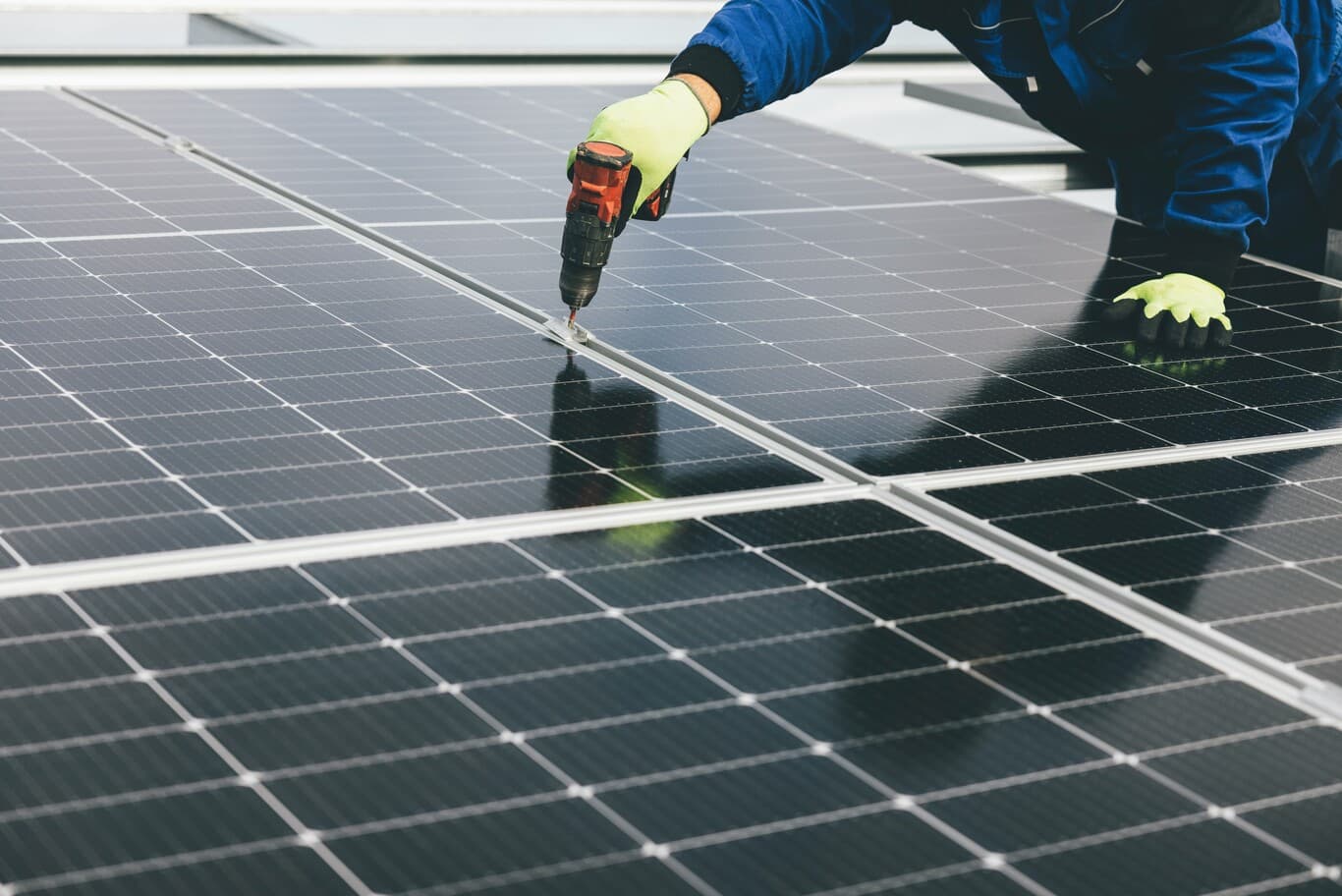
A PV system rewards light but consistent attention. Panels typically carry long performance warranties, while inverters have shorter service lives and represent the component most likely to need replacement during the system's life. Monitoring platforms report generation continuously and flag underperformance early, and DEWA requires that operation and maintenance service providers hold the same enrolled status as the installer. Owners planning for the full life of the asset benefit from viewing solar within the wider the full arc of a construction project, where design decisions and operational outcomes stay connected.
Where the Contractor Adds Value
Solar integration touches structure, envelope, MEP, waterproofing, and approvals at once, which places it squarely in the contractor's territory. A main contractor coordinating the works aligns the solar installation with the roofing programme, the electrical first fix, and the DEWA submission schedule, so each depends on the others in the right order. Coordinating the specialist solar subcontractor alongside every other trade follows the same discipline described in the guide to managing subcontractors on Dubai projects.
Early engagement produces the strongest outcome. A contractor involved during design flags structural implications, reserves roof area, plans cable routes, and sequences approvals while the drawings remain open — the compounding benefit that pre-construction planning delivers across every discipline.
How Capital Associated Approaches Solar
Capital Associated treats solar as an integrated building system rather than a bolt-on package. Through its sustainable construction services in Dubai, the team plans roof capacity and layout during design, coordinates structural and MEP provision for the array, manages the specialist installer alongside the wider works, and aligns the DEWA approval sequence with the construction programme so commissioning lands on schedule.
Owners engaging a licensed contractor in Dubai at concept stage gain the widest set of options, since roof planning and electrical routing stay flexible only while the design remains open. The same integrated approach carries through the company's new-build construction work across villas, commercial buildings, and towers.
Generating From the Roof Up
Solar in Dubai rests on a straightforward proposition: abundant sunshine, a regulated net-metering route through Shams Dubai, and a cooling-driven demand profile that matches generation hours closely. Owners who plan the system during design, work through a DEWA-enrolled contractor, and maintain the array through its life convert that proposition into decades of generation and a building positioned for the standards ahead.
To discuss solar integration for a project in Dubai, reach out to the Capital Associated team for a consultation on roof capacity, system sizing, and the approval path.