
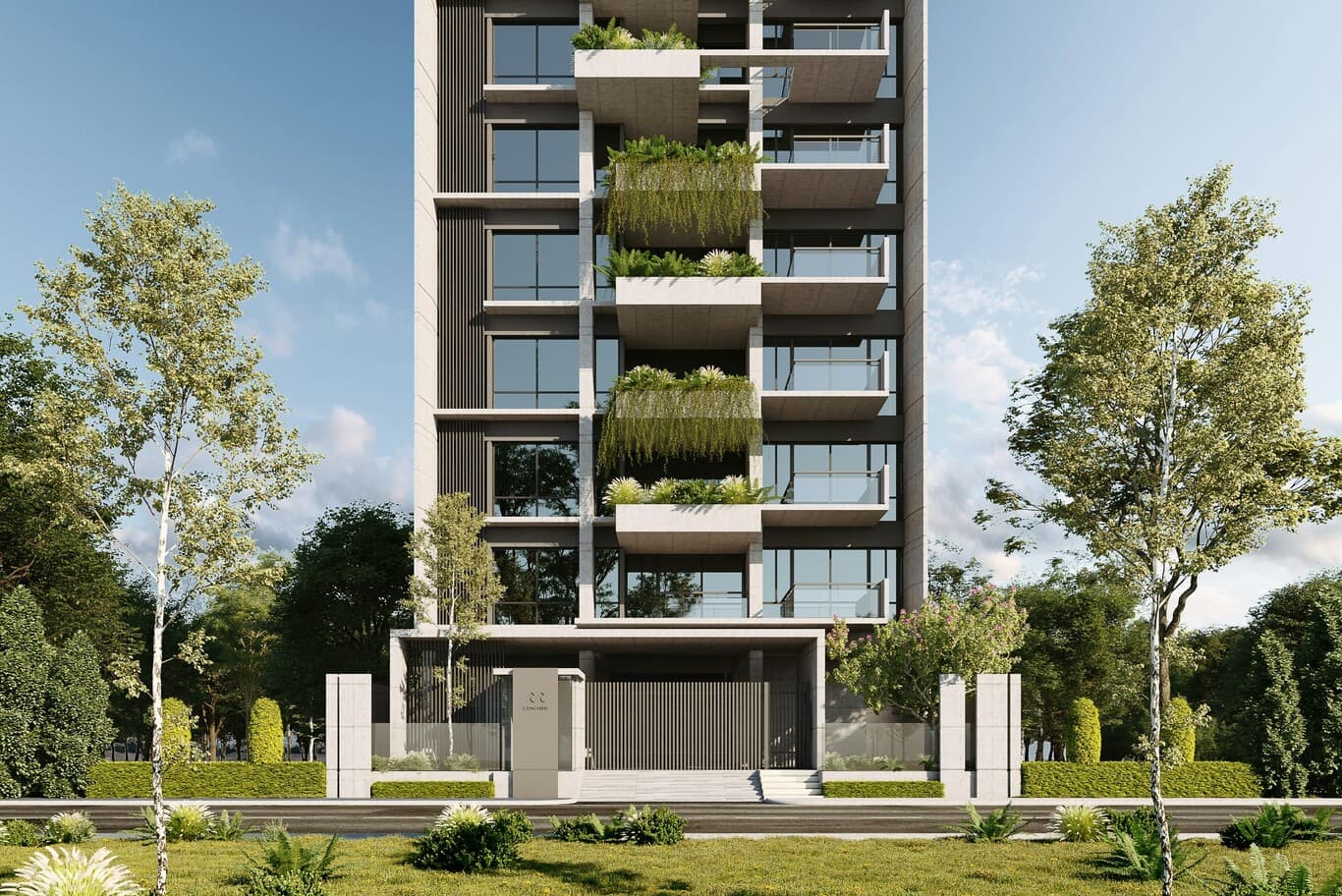
Which sustainable materials to specify for Dubai projects — low-carbon concrete, recycled steel, insulation, glazing, and low-VOC finishes under Al Sa'fat.
Sustainability in construction gets discussed in strategy documents and settled in material schedules. Every green ambition on a Dubai project — lower energy bills, a higher Sa'fa rating, healthier indoor air, a stronger asset value — traces back to specific products written into a specification and installed by a contractor on site. Material selection is where intent becomes a building.
Dubai adds its own conditions to that decision. Summer heat drives cooling demand and rewards envelope performance. Saline groundwater and coastal air test the durability of concrete and steel. A regulatory framework sets a mandatory sustainability floor for every new building. Add long shipping distances for imported goods, and the case for choosing materials carefully grows stronger still.
What follows is a practical walk through the material categories that matter most on a Dubai project, the reasoning behind each choice, and the way a contractor turns a specification into verified, installed performance.
The Regulatory Floor: Al Sa'fat
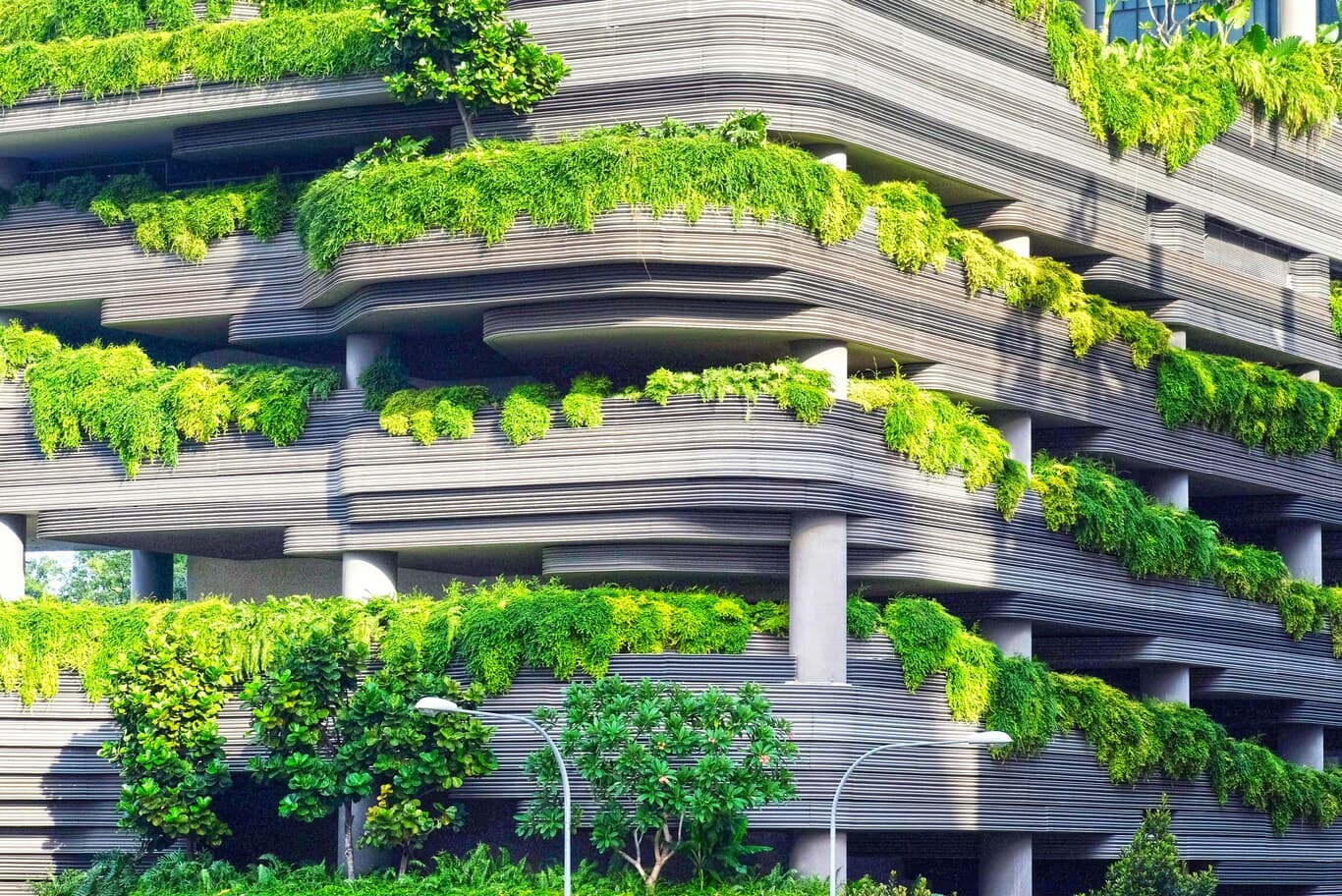
Material choice in Dubai starts from a defined baseline. Al Sa'fat, Dubai Municipality's green building system, replaced the earlier Green Building Regulations and Specifications in October 2020 under Administrative Resolution No. 154 of 2020. The system rates buildings across tiers, and every new building requiring a permit satisfies the mandatory Silver Sa'fa criteria as a minimum. Owners aiming higher pursue Gold or Platinum through additional measures. The Dubai Development Authority applies the same Silver threshold across the free zones and development areas it regulates.
Al Sa'fat scores buildings across categories that include energy, water, materials and resources, indoor environmental quality, and waste. The materials category rewards recycled content, regionally sourced products, low-emission finishes, and responsible waste management, with documentation submitted to Dubai Municipality across the design, construction, and occupancy phases. Compliance therefore runs through paperwork as much as procurement: a product qualifies when its evidence arrives with it.
For a contractor, that reality shapes daily practice. Specifying a compliant material is step one; collecting the datasheets, test certificates, recycled-content declarations, and supplier locations that prove compliance is step two, and it happens continuously through the build. Because Al Sa'fat is periodically updated, confirming the current edition and its requirements with Dubai Municipality at design stage keeps a project aligned with the version that governs its permit. The commercial logic behind meeting and exceeding that floor is set out in the business case for sustainable construction.
Structure: Lowering the Carbon in Concrete and Steel
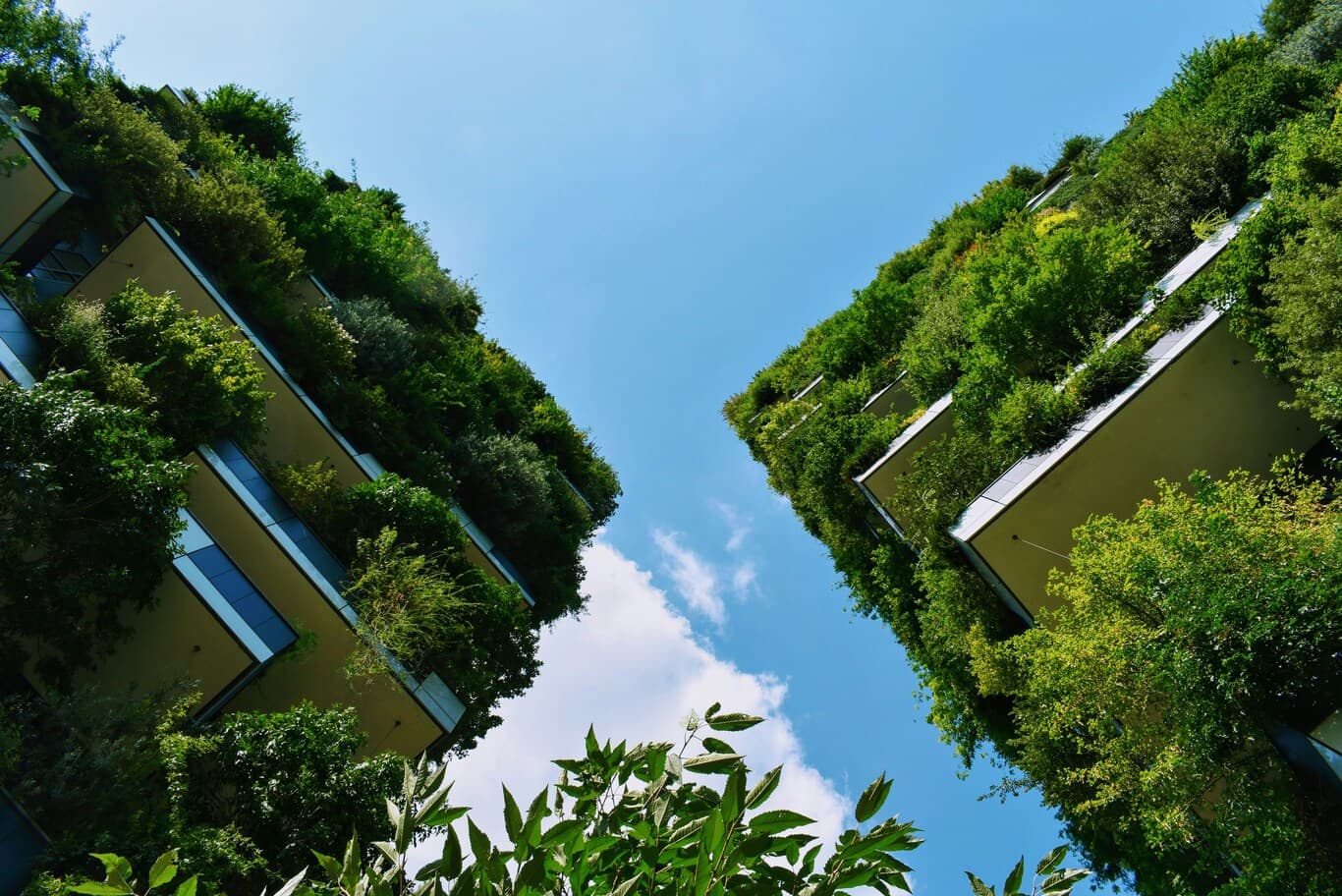
Concrete and steel dominate the material mass of most Dubai buildings, so improvements here move the needle furthest.
Blended cements. Ordinary Portland cement carries high embodied carbon from the calcination and heat its manufacture requires. Replacing a portion with supplementary cementitious materials — ground granulated blast-furnace slag (GGBS) and pulverised fuel ash (PFA), both industrial by-products — lowers embodied carbon substantially while improving the concrete in ways that matter locally. Blended mixes generate less heat during hydration, which benefits large pours in warm conditions, and they produce a denser, less permeable matrix with stronger resistance to the chlorides and sulfates carried by Dubai's groundwater. Sustainability and durability align neatly in this choice, which is why blended cements appear routinely in substructure specifications across the emirate.
Recycled steel. Steel reinforcement produced through the electric arc furnace route uses recycled scrap and carries markedly lower embodied carbon than primary production. Steel also recycles repeatedly with its properties intact, which supports both the recycled-content credits under Al Sa'fat and the circular logic behind them. Regional mills across the UAE and wider Gulf supply reinforcement, which serves the regional-sourcing criteria at the same time.
Recycled aggregates. Crushed concrete from demolition can substitute for virgin aggregate in suitable applications such as sub-base, blinding, and lower-grade concrete, diverting material from landfill and cutting quarrying demand. Suitability depends on the application and the testing regime, so a contractor confirms performance against the structural requirement before specifying.
Efficient design. The lowest-carbon material remains the one a building avoids using. Post-tensioned slabs, optimised structural grids, and right-sized foundations all reduce total material quantity, which is the sustainability gain that costs the least. Rigorous value engineering during design captures exactly this overlap between environmental and commercial benefit.
The Envelope: Where Dubai Buildings Win or Lose
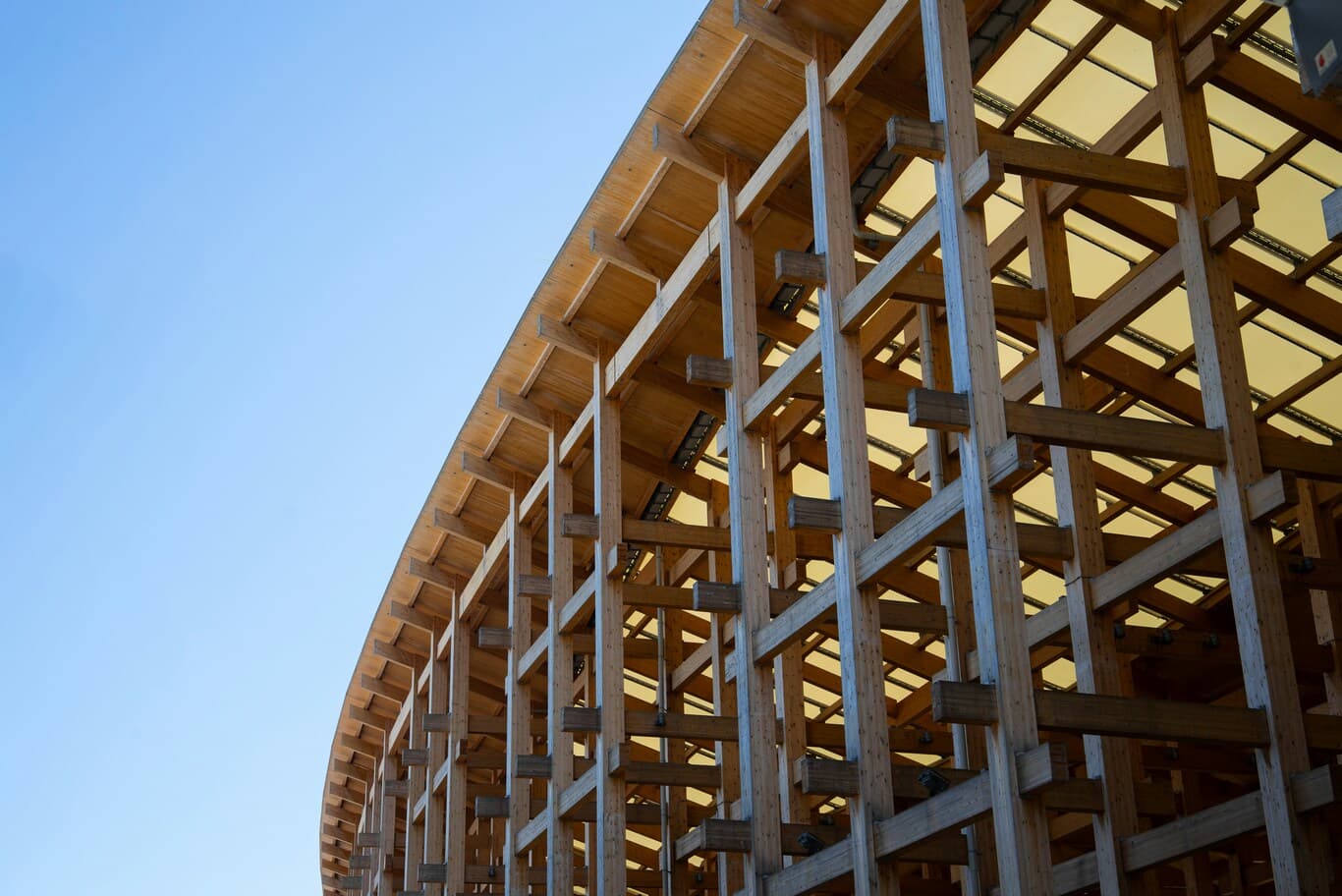
Cooling dominates energy consumption in UAE buildings, and the envelope governs the cooling load. Material choices here deliver the largest operational savings across a building's life.
Insulation. Effective thermal insulation in walls and roofs holds heat outside and keeps conditioned air in. Specification centres on achieving the required U-values, and sustainable options include mineral wool, expanded and extruded polystyrene, polyisocyanurate, and increasingly bio-based or recycled-content alternatives. Beyond the material itself, installation quality decides real performance: continuous insulation with thermal bridging designed out delivers what the calculation promises. Modern insulants also avoid ozone-depleting blowing agents, which Al Sa'fat and international practice both address.
Glazing. Glass is the weakest thermal link in most facades, and Dubai's solar intensity makes its specification decisive. High-performance double glazing with a low-emissivity coating reflects infrared radiation while admitting daylight, and the solar heat gain coefficient becomes the number to scrutinise for a hot climate. Thermally broken aluminium frames prevent the frame from conducting heat past the glass, and argon fill improves the cavity's insulating value. Balancing solar control against visible light transmission keeps daylight in the building, supporting both energy performance and the wellbeing benefits described in the guide to maximising natural light.
Shading and reflectivity. Fixed shading devices, deep reveals, screens, and fins stop solar gain before it reaches the glass, and they work continuously as passive measures that draw zero power. Roofs and paving specified with high solar reflectance stay cooler, which lowers the building's cooling load and eases the ambient heat that accumulates across dense districts — the phenomenon examined in the piece on the urban heat island effect on design-build practice.
Reflective roofing and waterproofing. Roof membranes with high reflectance combine solar control with the waterproofing every building requires, and durable systems that last decades outperform cheaper alternatives that need replacing early. Longevity is itself a sustainability metric.
Interior Finishes: Air Quality and Responsible Sourcing
Occupants spend the overwhelming majority of their time indoors, so finish materials shape both environmental performance and daily health.
Low-VOC products. Paints, adhesives, sealants, coatings, and composite wood products can release volatile organic compounds into the air, most heavily in the weeks after installation. Specifying low-VOC or zero-VOC products across these categories improves indoor air quality from handover onward and supports the indoor environmental quality criteria under Al Sa'fat. Certification schemes and manufacturer emissions testing provide the evidence, so a contractor collects those declarations as the products arrive.
Responsibly sourced timber. Certified timber from well-managed forests — FSC and PEFC being the established schemes — confirms the wood came from a source managing regeneration and biodiversity. Reclaimed timber goes further by reusing material already in circulation, avoiding new extraction entirely while contributing character that new stock rarely matches, as the overview of reclaimed wood in construction explores.
Recycled-content finishes. Recycled-content options now span carpets, ceiling tiles, gypsum board, glass and terrazzo surfaces, and aluminium systems, and many perform identically to conventional equivalents. Selection here is often a matter of asking suppliers for the recycled-content declaration and choosing accordingly, which makes it one of the easiest sustainability gains available on a fit-out.
Regional sourcing. Materials produced within the region arrive with a smaller transport footprint and shorter lead times, which serves the programme as well as the sustainability score. The UAE and wider Gulf produce cement, steel, aluminium, glass, gypsum, ceramics, and stone at scale, so regional specification is practical across many categories. Material selection for commercial interiors is treated in depth in the guide to choosing materials for a commercial fit-out.
Durability as a Sustainability Metric
A material that lasts thirty years in Dubai's climate outperforms a greener-looking product that needs replacing after eight. Longevity multiplies every embodied-carbon saving across a longer service life, and it spares the disruption, waste, and cost that early replacement brings. Specification for durability therefore counts as an environmental decision in its own right.
The local conditions that test materials are well understood. Intense ultraviolet radiation degrades polymers, sealants, and coatings, so UV-stable grades earn their premium on any external application. Salt-laden coastal air accelerates corrosion, which favours marine-grade stainless steel, properly treated aluminium, and protective coatings on exposed metalwork. Wide daily temperature swings work joints and sealants continuously, rewarding systems designed for movement. Saline groundwater attacks buried concrete, which returns the specification to the dense, blended mixes described earlier.
Material choices that respond to a warming climate reach further still, and the thinking behind that longer view appears in the discussion of climate adaptation in modern building design. Buildings specified for the conditions ahead retain their value and performance as those conditions arrive.
Water and Waste: Materials Beyond the Envelope
Two further categories carry real weight in an arid emirate.
Water-efficient fittings — low-flow taps, aerated showers, dual-flush cisterns, and efficient irrigation components — reduce consumption immediately and continuously, and they represent one of the highest-return specifications available for the outlay involved. Greywater and condensate recovery systems extend the gain where the design supports them.
Construction waste management works at the other end of the material cycle. Segregating waste streams on site, diverting concrete, metal, timber, and packaging to recycling, and reusing excavated material where suitable all reduce landfill volumes and earn credit under Al Sa'fat. Careful ordering keeps waste low at source, and the discipline suits efficient site management on large projects generally.
Specification and Verification: Where Contractors Add Value
A sustainable specification succeeds when the installed building matches the document. Three practices carry it across.
Early involvement. A contractor engaged during design brings supply-chain knowledge to material selection, flagging lead times, regional availability, and cost implications while alternatives remain open. Late substitution under programme pressure is where sustainability targets erode, and early engagement forecloses it — one of the compounding returns of thorough pre-construction planning.
Submittal discipline. Every specified product arrives with technical datasheets, test certificates, emissions declarations, recycled-content statements, and origin documentation. Reviewing submittals against the specification before ordering catches substitutions early and builds the evidence file that Al Sa'fat compliance ultimately rests on.
Installation quality. Insulation installed with gaps, glazing seals fitted imperfectly, or thermal bridges left unresolved all convert a strong specification into an underperforming building. Site supervision and inspection at the right moments protect the performance the design calculated, and the same rigour carries through to the snagging and handover process.
How Capital Associated Approaches Material Selection
Capital Associated builds sustainability into procurement rather than treating it as an overlay. Through its green building solutions in Dubai, the team works from the Al Sa'fat requirements applying to each project, specifies materials that satisfy them across structure, envelope, and finishes, verifies submittals before ordering, and supervises installation so the built performance matches the design intent. Regional sourcing and supplier relationships across the UAE support both the sustainability criteria and the programme.
Owners gain the most when material decisions arrive early, while options stay open and cost implications remain manageable. Engaging a licensed building contracting company in Dubai at design stage opens the full range of choices, and the same integrated thinking runs through the company's general contracting delivery on every project it builds.
Specifying for the Long Term
Sustainable material selection in Dubai rewards a clear method: meet the Al Sa'fat floor, lower embodied carbon in the structure, invest in the envelope that governs cooling, choose finishes that keep indoor air clean, source regionally where practical, and verify everything that arrives on site. Each decision compounds across decades of operation, showing up in energy bills, occupant comfort, asset value, and the building's standing with tenants who increasingly ask these questions.
To discuss material strategy and sustainability targets for a project in Dubai, reach out to the Capital Associated team for a consultation.