

A practical guide to subcontractor coordination, compliance, and performance tracking on large-scale Dubai construction projects.
A 40-storey mixed-use tower in Business Bay. Eighteen subcontractors on site simultaneously — structural steel on the upper floors, MEP rough-in across the middle levels, curtain wall installation running vertically, and interior fit-out kicking off at the podium. The structural contractor's scaffold blocks the façade installer's access. The HVAC duct routing clashes with the fire protection sprinkler main on Level 22. The electrical subcontractor's conduit trays were supposed to go in before the plumbing risers, but the plumber mobilised first because his materials arrived early.
That is a Tuesday morning on a large Dubai project.
Every one of those trades operates under a separate subcontract, with its own workforce, its own procurement pipeline, and its own interpretation of the programme. When they collide — and on builds of this scale, they will — the general contractor carries the coordination risk. Cascading delays, rework, disputed back-charges, and blown budgets follow quickly if that risk has no structured management framework behind it.
This guide walks through how to manage subcontractors on large Dubai builds — from procurement and onboarding through daily coordination, performance tracking, and closeout — with close attention to the regulatory shifts that changed how subcontracting works in this market as of January 2026.

Why Subcontractor Management Needs a Dedicated Strategy
Most project management plans address procurement and scheduling at a high level. But on large Dubai developments — mixed-use towers, hospitality complexes, master-planned villa communities — the sheer number of trades working simultaneously creates coordination challenges that generic planning documents rarely address.
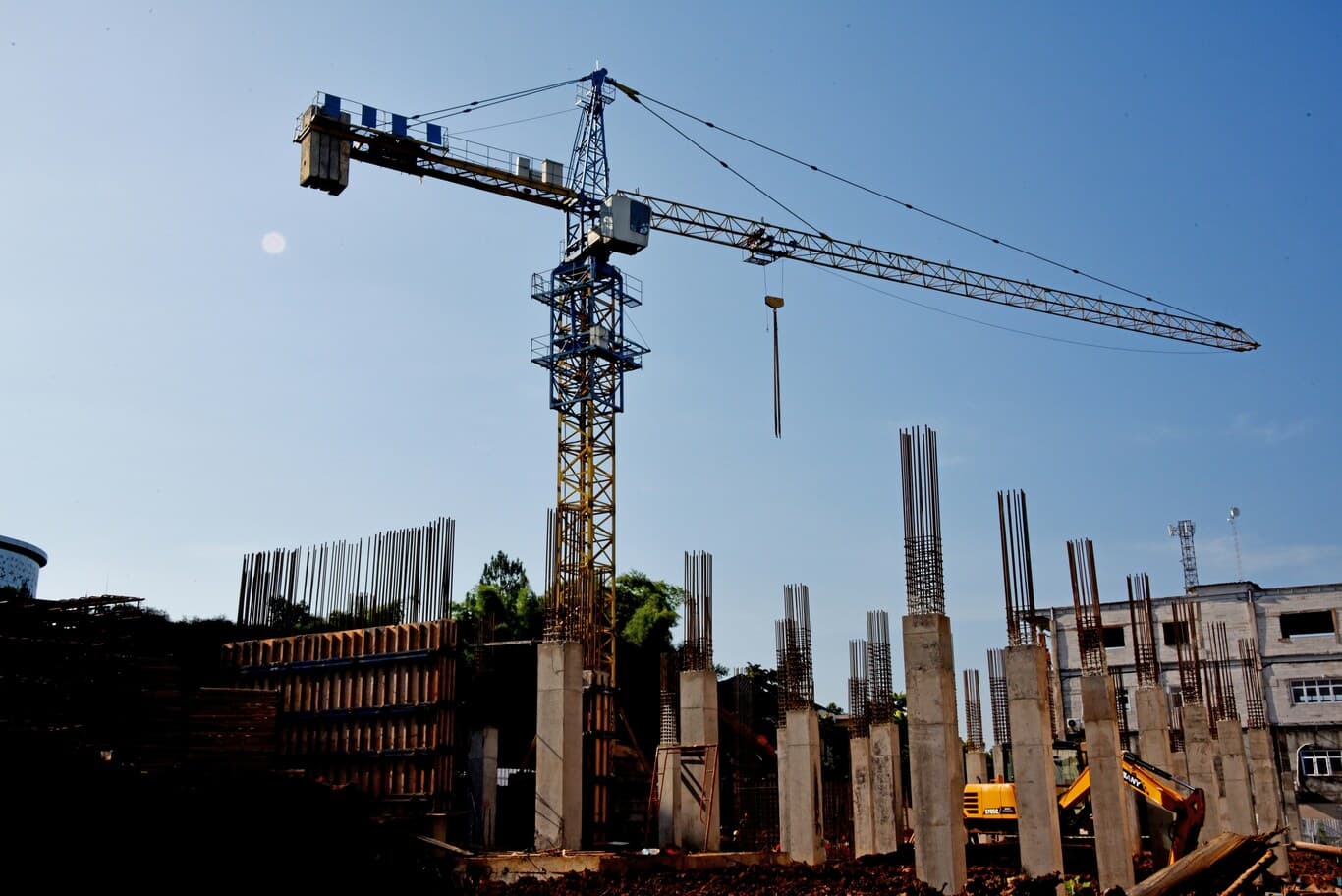
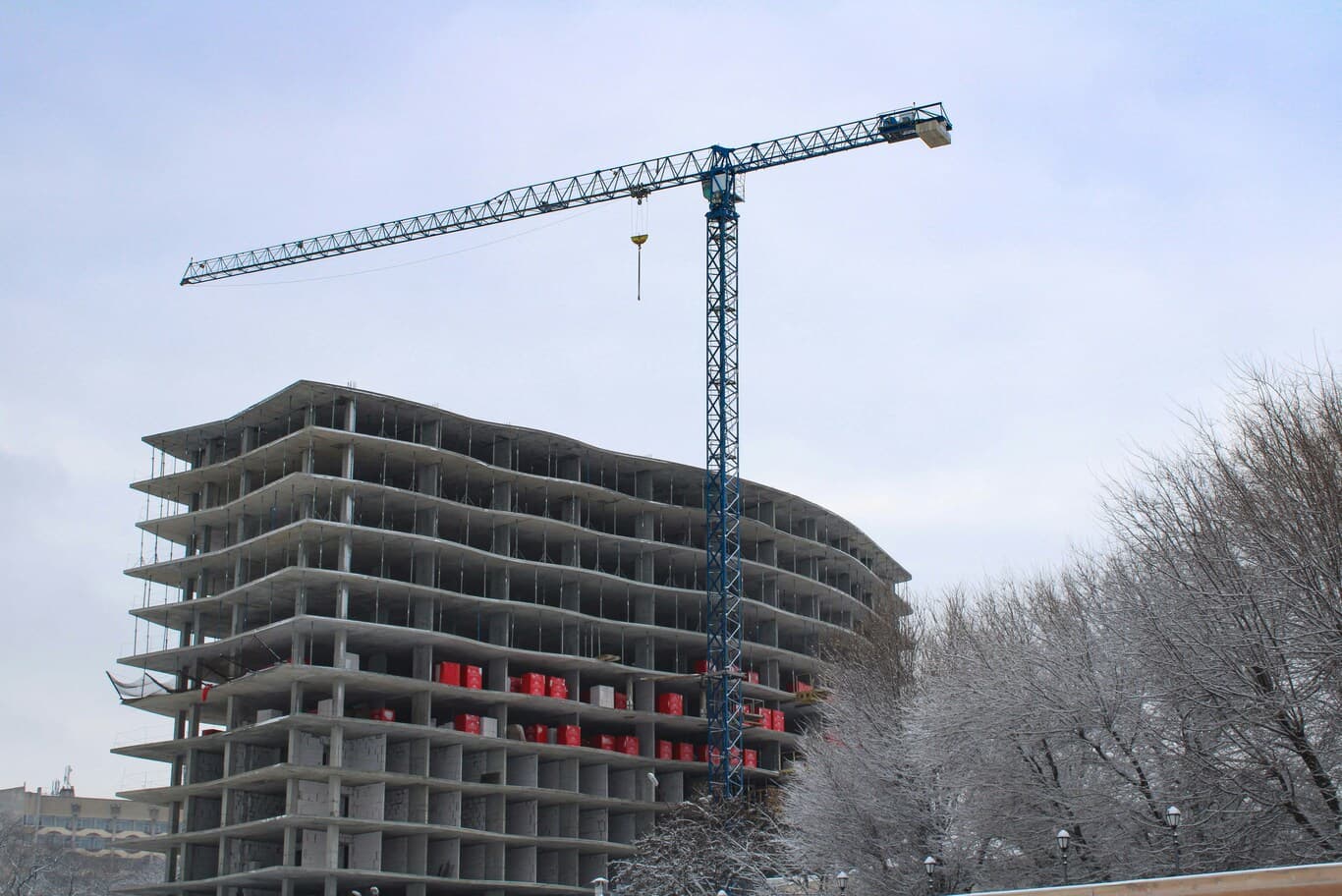
Consider a typical 40-storey tower project. At peak construction, you might have the main structural contractor working on upper floors while MEP rough-in happens on mid-level floors, interior fit-out starts on lower floors, and façade installation runs vertically across all three zones. Each zone involves different subcontractors with different material deliveries, different labour shifts, and different inspection requirements.
Without a defined strategy for managing these parallel workflows, conflicts are guaranteed. Ductwork routes clash with structural beams. Electrical conduit blocks plumbing risers. One subcontractor's scaffold prevents another from accessing their work zone. These are everyday realities on large sites, and they require deliberate, structured management.
The success of any large build depends directly on how well these overlapping scopes and interdependencies are anticipated, communicated, and resolved.
Dubai's New Regulatory Framework: Law No. 7/2025
Any discussion of subcontractor management in Dubai now needs to account for Law No. 7 of 2025, which took effect on January 8, 2026. This legislation replaced a patchwork of local orders and circulars with a single, Emirate-wide regulatory framework for contracting activities — covering mainland Dubai, free zones, and even the DIFC.
For subcontractor management specifically, several provisions matter:
Mandatory prior approval for subcontracting. Under the previous framework, subcontracting was permitted as long as the subcontractor held an appropriate license and the main contract did not prohibit it. Law No. 7 now requires prior approval from the relevant competent authority (typically Dubai Municipality) before any subcontracting arrangement takes effect. This applies throughout the supply chain — main contractors cannot engage subcontractors, and subcontractors cannot further sub-subcontract, without formal approval.
Registration and classification requirements. All subcontractors must be registered in the unified Contractor Register managed by Dubai Municipality and integrated into the Invest in Dubai digital platform. They must also hold a classification that matches the scope and scale of the work they are performing. Engaging an unclassified or incorrectly classified subcontractor exposes the main contractor to penalties ranging from AED 1,000 to AED 100,000, with fines doubling for repeat violations within a year.
Document retention obligations. Contractors must retain all contracts, plans, and project records for ten years. Changes to project status or contractor details must be reported to authorities within five working days.
Supervision responsibility. The main contractor has an explicit obligation to supervise subcontractors properly. This means subcontractor performance tracking and quality control are regulatory requirements, not optional best practices.
For general contractors and construction companies in Dubai, these provisions make structured subcontractor management a compliance matter as much as a project efficiency matter. Companies that were already running tight subcontractor procurement and monitoring processes will find the transition manageable. Those operating informally will need to formalize quickly — the compliance window runs until January 8, 2027.

Subcontractor Procurement and Pre-Qualification
Effective management starts well before the subcontractor mobilises on site. The procurement and pre-qualification stage sets the terms for everything that follows.
Define Scope Packages Clearly
Ambiguity in scope is the single most common source of subcontractor disputes. Before issuing tender packages, break the project scope into clearly defined trade packages with explicit boundaries. For each package, specify:
- The exact scope of work, including interface points with adjacent trades
- Material and equipment specifications, with approved alternatives listed
- Milestone deadlines tied to the master programme
- Quality standards and inspection criteria
- Site logistics constraints (crane time allocation, material laydown areas, working hours)
- Health and safety requirements specific to the trade
On hospitality projects, MEP coordination alone involves mechanical, electrical, plumbing, fire protection, and low-current systems — five to seven subcontractors whose work literally runs through the same ceiling voids and riser shafts. Clear scope boundaries and interface agreements prevent the clashes that delay fit-out programmes by weeks.
Vet Beyond Price
Selecting subcontractors based primarily on the lowest bid is a well-documented path to problems. A subcontractor who underprices the job will cut corners on labour quality, material procurement, or both — and the main contractor inherits the rework costs and schedule impact.
Instead, evaluate subcontractors across multiple dimensions:
- Track record on comparable projects. A subcontractor who has completed similar scope on similar-scale projects in the UAE is a lower-risk choice than one pricing aggressively to win their first large project.
- Financial stability. Request audited financials. A subcontractor under cash flow pressure will struggle to maintain adequate labour and material supply.
- Current workload. A firm committed to three other large projects simultaneously may not have the supervisory bandwidth for yours.
- Registration and classification status. Under Law No. 7, verify their standing in the Contractor Register before awarding any work.
- Safety record. Request incident rate data and verify compliance history with Dubai Municipality and the Ministry of Human Resources.
This approach aligns with how experienced contractors evaluate partners — looking at capability, reliability, and compliance rather than bottom-line price alone. The real cost of choosing the cheapest option often only becomes clear during execution when rework and delays eat into whatever savings the low bid promised.
Onboarding and Kickoff
Once a subcontractor is awarded, run a formal onboarding process before they mobilise. This should include:
- A kickoff meeting covering project rules, reporting requirements, and safety protocols
- Distribution of the project-specific health and safety plan
- Registration with the project's document management system
- Assignment of laydown areas, site access points, and welfare facilities
- Confirmation of key personnel (site supervisor, foreman, safety officer) and their contact details
- Review of the approved method statement for their scope
Skipping this step — or treating it as a formality — is where coordination problems begin. A subcontractor who arrives on site without understanding the logistics plan, the communication protocols, or the interface agreements with adjacent trades will cause disruption from day one.

Daily Coordination and Scheduling
The Weekly Look-Ahead Programme
The master programme provides the strategic framework, but day-to-day subcontractor coordination lives in the weekly look-ahead schedule. This is typically a rolling three- or four-week programme that breaks master programme activities into daily and weekly tasks, assigns them to specific subcontractors, and identifies resource requirements, permit needs, and inspection hold points.
The look-ahead programme should be developed collaboratively. Each subcontractor's site supervisor attends the weekly coordination meeting and commits to specific deliverables for the coming week. When one subcontractor's progress depends on another's completion — the tiler cannot start until the waterproofing subcontractor finishes and passes inspection, for example — these dependencies need to be mapped explicitly and tracked daily.
Construction management tools like Primavera P6, Procore, or Archdesk help keep these interdependencies visible. But the tool matters less than the discipline of holding subcontractors to their weekly commitments and addressing slippage immediately rather than letting it accumulate.
Managing Site Logistics
On large projects, physical space is a limited resource. Tower crane time, hoist access, material storage areas, and vehicle access routes all need to be scheduled and allocated among subcontractors.
Common approaches include:
- Crane and hoist allocation schedules published weekly, with time slots assigned by trade and floor level
- Material delivery schedules coordinated through a single logistics manager to prevent vehicle congestion and unloading conflicts
- Zone-based access planning that separates work zones vertically or horizontally to minimise trade overlap and safety conflicts
- Hot work permit systems managed centrally to prevent fire risks from welding and cutting operations near combustible materials
These logistics management practices directly support the broader goal of avoiding delays on construction projects. Most schedule slippage on large builds originates from logistical bottlenecks — not from technical failures.
Communication Protocols
Establish clear, documented communication lines. On a project with fifteen or more subcontractors, information cannot flow through the project manager alone. A practical communication structure includes:
- Daily toolbox talks at the trade level, led by each subcontractor's site supervisor
- Weekly coordination meetings attended by all subcontractor representatives, the main contractor's project team, and the consultant's site supervision team
- Monthly progress reviews with subcontractor management (not just site supervisors) to address strategic issues like labour ramp-up, procurement bottlenecks, or scope changes
- A documented RFI (Request for Information) process that tracks queries, responses, and response times
Written records matter. When disputes arise — and on large projects, they will — contemporaneous meeting minutes, daily reports, and RFI logs provide the evidence base for resolving claims.
Quality Control and Performance Monitoring
Inspection and Testing Plans
Each subcontractor should submit an Inspection and Testing Plan (ITP) covering every activity within their scope. The ITP defines hold points (where work stops until an inspection is completed), witness points (where the contractor or consultant may observe but work continues regardless), and the documentation requirements for each check.
On an efficiently managed large-scale project, ITPs are coordinated across trades so that inspections for one subcontractor do not create bottlenecks for the next. If the consultant takes forty-eight hours to inspect waterproofing and the tiling subcontractor is scheduled to start on the same floor immediately after, that gap needs to be built into the programme — not discovered on the day.
Performance Tracking Metrics
Quantitative tracking keeps subcontractor performance visible and creates an objective basis for conversations about productivity, quality, or compliance. Useful metrics include:
- Planned vs. actual progress — tracked weekly against the look-ahead programme
- Labour deployment — actual headcount vs. planned headcount, by trade
- Non-conformance reports (NCRs) — number, severity, and time to close
- Safety incidents — including near-miss reports
- RFI turnaround — time from submission to response
- Payment milestone achievement — percentage of milestones completed on time
Sharing these metrics transparently with subcontractors — rather than hoarding data for use in disputes — tends to drive better performance. Subcontractors who see their progress tracked against clear benchmarks generally respond to early intervention before small problems become large ones.

Handling Disputes and Non-Performance
Even with strong procurement, clear scope definitions, and disciplined coordination, disputes happen. The key is having a structured escalation process rather than letting friction accumulate until it becomes adversarial.
A practical escalation framework:
- Site-level resolution. The main contractor's site engineer and the subcontractor's site supervisor attempt to resolve the issue within 24 hours.
- Project management escalation. If unresolved, the project manager and the subcontractor's contracts manager meet within 48 hours to review the issue against the contract terms.
- Senior management review. If the issue persists, senior management from both parties meet within one week. Most commercial disputes can be settled here with practical compromises.
- Formal contractual mechanisms. If the above steps fail, the contract's dispute resolution provisions apply — whether that is adjudication, arbitration, or litigation.
For persistent non-performance, the contract should include clear provisions for remedial action: written notices with cure periods, the right to engage replacement subcontractors at the defaulting party's cost, and back-charge mechanisms for rework.

Closeout and Demobilisation
Subcontractor management does not end when the physical work is complete. The closeout phase is where many projects stumble — not because the building work is deficient, but because documentation, testing, and handover requirements are handled loosely.
A thorough closeout process for each subcontractor should cover:
- Completion of all punch list and snagging items within agreed timelines
- Submission of as-built drawings, operation and maintenance manuals, warranties, and test certificates
- Final inspection and sign-off by the consultant and the main contractor
- Return of site access cards, keys, and allocated storage areas
- Final account agreement and release of retention (per contract terms)
- Compliance verification under Law No. 7 documentation retention requirements
Treating closeout with the same rigour as execution protects the project owner, satisfies regulatory requirements, and preserves the working relationship for future projects.
Practical Takeaways
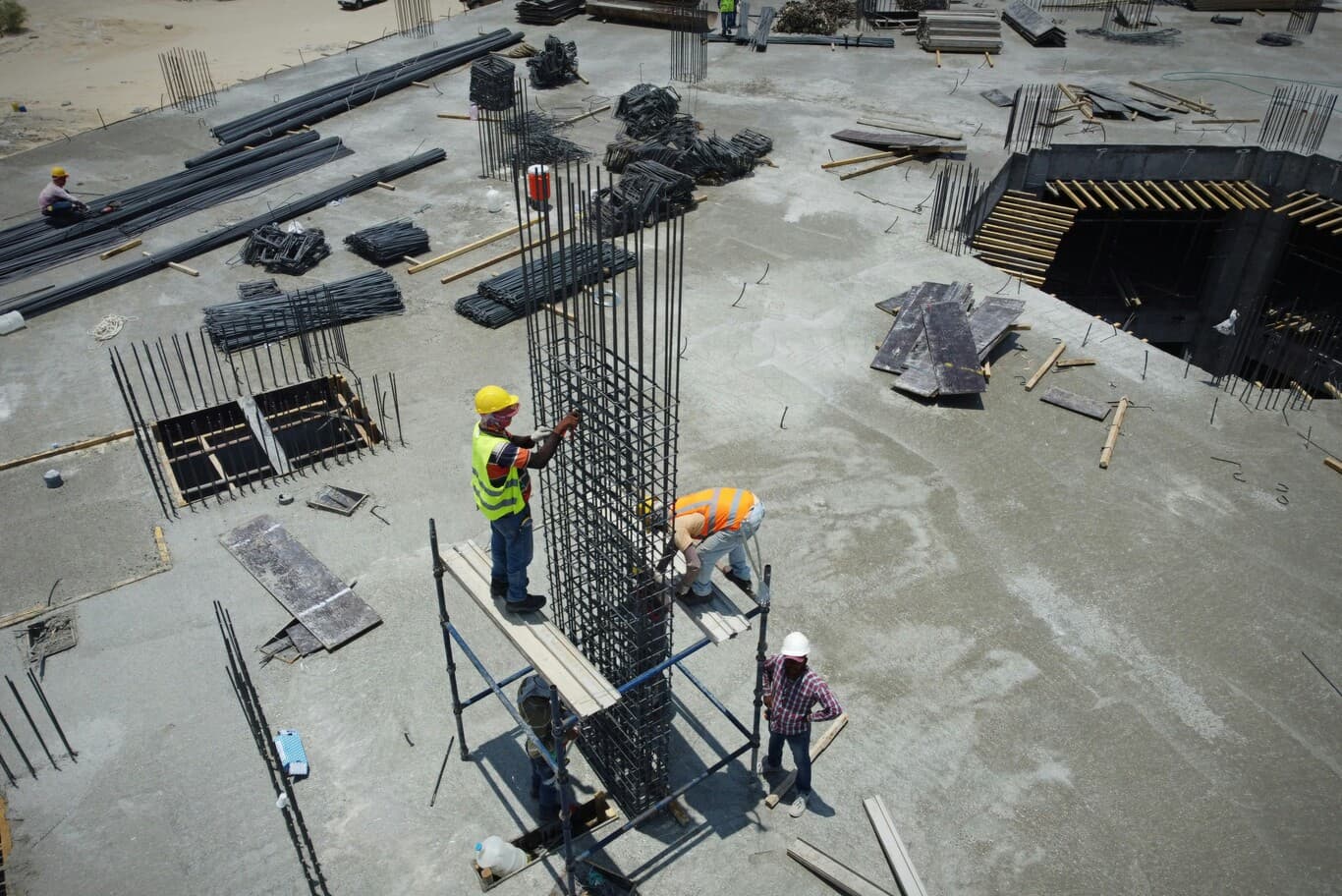
Managing subcontractors on large Dubai projects requires a combination of commercial discipline, operational coordination, and regulatory compliance. The most successful general contractors treat subcontractor management as a core competency — staffing it with experienced professionals, supporting it with proper systems, and investing in the relationships that make collaboration work under pressure.
With Dubai's Law No. 7/2025 raising the regulatory bar on subcontracting approvals, classification verification, and supervision obligations, companies that build robust subcontractor management practices now will be positioned for both compliance and competitive advantage.
Whether you are a developer awarding a main contract or a general contractor building out your supply chain, the fundamentals remain consistent: select carefully, define scope clearly, coordinate daily, track performance objectively, and manage disputes before they escalate.

Frequently Asked Questions (FAQ)
What is the biggest challenge in managing subcontractors on large Dubai projects?
Coordination across multiple trades working in the same physical space at the same time. On a large tower or hospitality project, fifteen or more subcontractors may be operating across overlapping zones. Without structured scheduling, logistics management, and clear communication protocols, trade clashes and cascading delays are nearly inevitable.
How does Dubai Law No. 7/2025 affect subcontracting?
Law No. 7 requires prior approval from the relevant competent authority (typically Dubai Municipality) before any subcontracting arrangement can proceed. All subcontractors must be registered in the unified Contractor Register and hold a classification matching the scope and scale of their work. Main contractors also have an explicit supervision obligation over their subcontractors. Existing contractors have until January 8, 2027 to comply.
How do you evaluate subcontractors beyond just price?
Look at track record on comparable projects, financial stability (request audited financials), current workload and capacity, registration and classification status under Law No. 7, and safety compliance history. A subcontractor who has delivered similar scope on similar-scale projects in the UAE carries lower execution risk than one competing primarily on price.
What metrics should I track for subcontractor performance?
The most useful metrics include planned vs. actual progress against the look-ahead programme, labour deployment (actual vs. planned headcount), non-conformance report volumes and closure times, safety incident rates including near-misses, RFI turnaround times, and payment milestone completion rates.
When should a general contractor escalate a subcontractor dispute?
Follow a structured escalation process: attempt site-level resolution within 24 hours, escalate to project management within 48 hours if unresolved, bring in senior management within one week for persistent issues, and use formal contractual dispute mechanisms only when practical negotiation has been exhausted. Early intervention nearly always produces better outcomes than waiting.

Take Control of Your Next Large-Scale Project
Managing dozens of subcontractors across a complex Dubai build requires experienced coordination teams, proven tracking systems, and deep knowledge of local regulatory requirements — including the new obligations under Law No. 7/2025.
Capital Associated works with developers and investors across Dubai and the UAE to deliver large-scale developments from early-stage planning through execution and handover. Our team brings the subcontractor coordination discipline and compliance expertise that keeps your build on programme, on budget, and fully aligned with current regulations.