
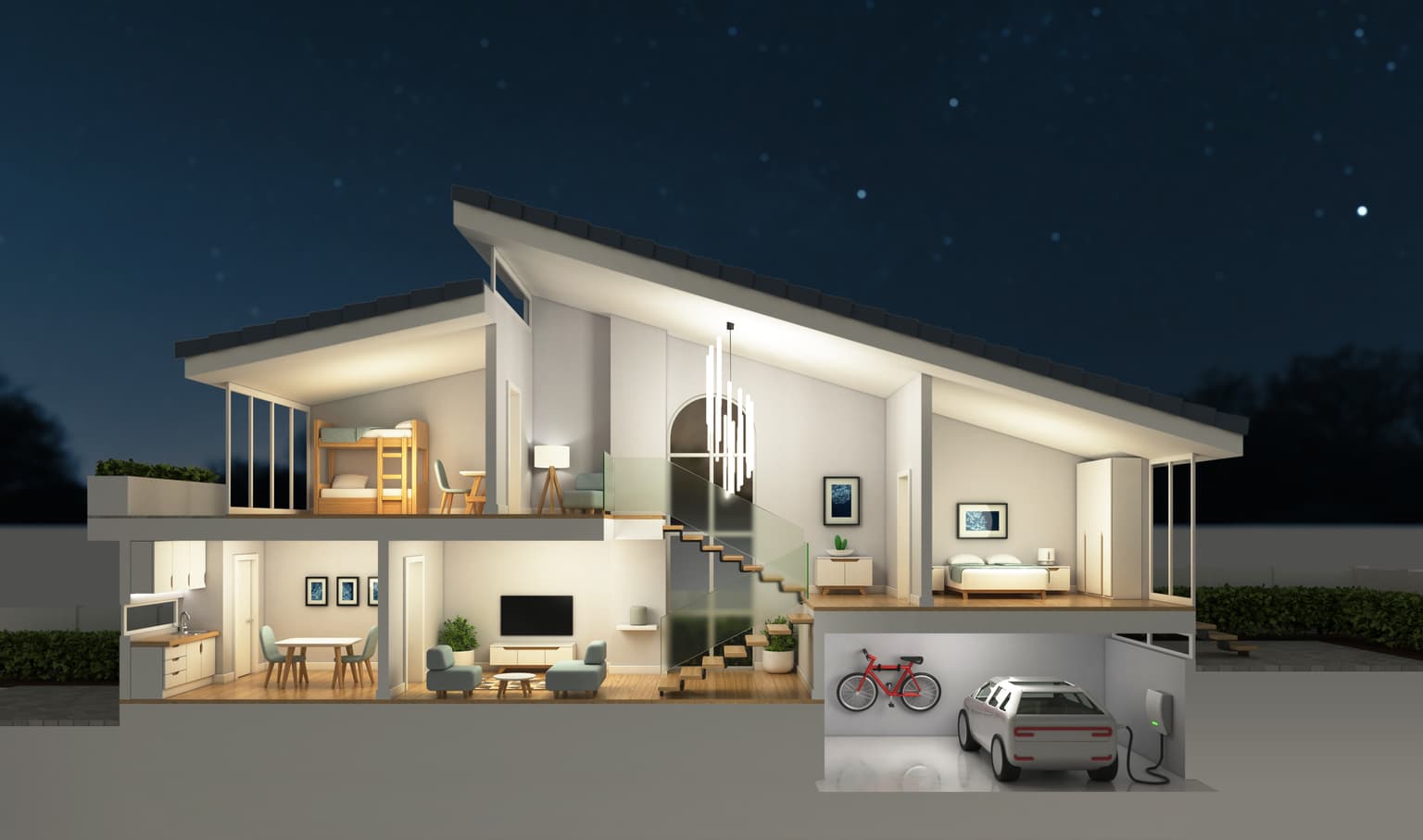
What Dubai homeowners want in 2026 — smart integration, sustainability compliance, flexible spaces, and climate-adapted outdoor living.
What homeowners want from residential construction in Dubai has shifted substantially over the past three years. The requests we receive as a residential building contractor in Dubai now look very different from 2022 or 2023. Smart home infrastructure, sustainability compliance, thermal performance, flexible living layouts, outdoor integration, and wellness-oriented design have moved from aspirational features to standard expectations — and many of them now carry regulatory requirements that affect permit approval and construction cost.
This guide covers the trends we see driving residential construction decisions in the UAE in 2026, grounded in what these trends mean for building permits, MEP design, construction cost, and long-term property value.
Al Sa'fat Compliance: Sustainability as a Permit Requirement
Sustainability in Dubai residential construction stopped being optional in 2016 when Dubai Municipality launched the Al Sa'fat Green Building Rating System. From 2026, Al Sa'fat 2.0 Silver is the mandatory baseline for all new building permits processed through the Dubai Municipality Building Permit System (BPS). No permit application is accepted without a verified Sustainability Statement, and no Building Completion Certificate is issued without confirmed compliance.
The system applies to all new buildings — private villas, investment villas, residential towers, commercial, industrial, and mixed-use. For homeowners building custom villas, the Silver Sa'fa requirements affect several design and construction decisions:
Thermal performance. The Dubai Building Code specifies maximum U-values for walls, roofs, and glazing. South and west-facing glazed areas must meet stricter requirements to reduce solar heat gain. In practice, this means specifying insulated concrete block systems (or insulated panel walls), reflective roof coatings or insulated roof assemblies, and double-glazed or low-E glass — particularly for large west-facing windows that many villa designs feature.
Energy calculations. A building energy model must demonstrate compliance with the code's energy efficiency requirements. The engineering consultant prepares this during the design phase, but the contractor needs to understand the specifications well enough to procure and install materials that match the approved model. A mismatch between the approved energy model and the materials actually installed will be flagged during the completion inspection.
Sustainable Materials Passport. Al Sa'fat 2.0 requires a Materials Passport documenting the environmental credentials of key construction materials. The Building Completion Certificate will not be issued without confirmation that this passport has been submitted to the Dubai Municipality digital registry.
Landscaping. For new villas, at least one palm tree must be planted. Drought-resistant landscaping is encouraged, and irrigation systems must demonstrate water efficiency.
Research published in Energy Policy (ScienceDirect) analysing Al Sa'fat's impact on residential villas in Dubai found energy savings of up to 63% compared to baseline designs — primarily through improved wall and roof insulation, reduced infiltration rates, and optimised glazing performance. These savings translate directly into lower DEWA bills over the life of the building.
Industry insight: A recent villa project in a master-planned community required a mid-construction material substitution when the approved insulated block system was unavailable from the specified supplier. The replacement block had a different U-value. The contractor needed to recalculate the building energy model, resubmit to Dubai Municipality, and obtain approval before resuming the wall construction. The delay was nine working days. Contractors who maintain relationships with multiple approved suppliers and understand the energy model implications of material changes can navigate these situations without timeline impact.
Smart Home Infrastructure: Built Into the Walls, Not Added Later
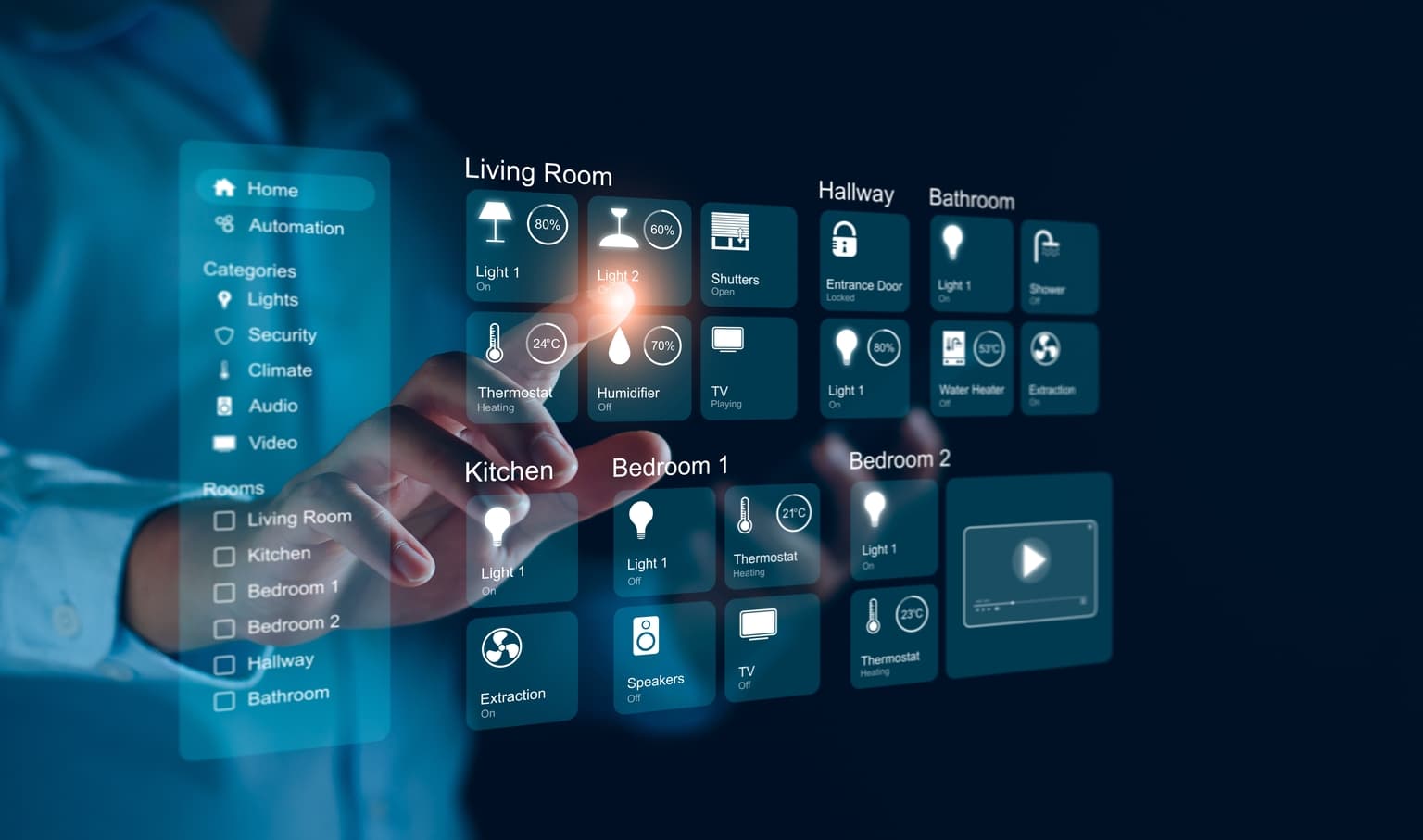
The request pattern for smart home integration has changed. Three years ago, homeowners asked for smart features as an add-on during the finishing phase. In 2026, they specify smart infrastructure during the design phase — because retrofitting conduit, data cabling, and power points for smart systems after walls are closed is expensive and disruptive.
The practical elements that affect residential construction:
Structured cabling. A dedicated data cabinet (typically located in a utility room or storage area) serves as the central hub. Cat6A or fibre-optic cabling runs from this cabinet to every room, supporting high-speed networking for security cameras, smart displays, and entertainment systems. This cabling must be installed during the MEP rough-in phase, before walls are closed.
Conduit and power provisions for automation. Motorised blinds require power and control wiring at each window head. Smart lighting systems (KNX, Lutron, or similar) require dedicated control wiring that runs separately from standard power circuits. Ceiling-mounted speakers for multi-room audio need speaker wire runs during rough-in. Automated gate and garage door systems need power and data connections at the gate column and garage motor location. All of these provisions must appear on the electrical design drawings and be installed during the first fix — not discovered as a requirement after plastering.
Smart HVAC integration. Smart thermostats and zone control systems require dedicated wiring and, in many cases, specific thermostat locations that differ from conventional HVAC layouts. The HVAC contractor and the smart home integrator need to coordinate during the design phase — a step that many projects miss, resulting in incompatible systems or visible conduit runs that compromise the interior finish.
Industry insight: A villa in Tilal Al Ghaf was designed with a comprehensive KNX smart home system — automated lighting scenes, motorised blinds, multi-zone HVAC control, and an integrated security system. The total smart home infrastructure cost (cabling, conduit, panels, controllers — excluding the end devices themselves) was approximately AED 85,000 on a 6,500 sq ft villa. The same scope retrofitted into a completed villa of similar size — requiring wall chasing, ceiling access, and repainting — typically costs AED 140,000 to AED 180,000 due to the disruption and finishing reinstatement required.
Thermal Performance and Climate-Adapted Design
Dubai's climate — peak temperatures above 48°C, sustained humidity above 80% during summer months — makes thermal performance a construction priority with direct financial consequences. A poorly insulated villa costs significantly more to cool annually, and DEWA's slab tariff structure means that high-consumption households pay progressively higher per-unit rates.
Homeowners in 2026 are specifying:
External wall insulation systems. Insulated concrete block (ICF or EPS-core blocks) or external insulation finishing systems (EIFS) reduce thermal bridging and improve wall U-values. These systems cost 8–15% more than conventional blockwork but reduce annual cooling costs by 20–30% based on DEWA consumption data from comparable properties.
High-performance glazing. Double-glazed units with low-E coatings and argon gas fill are now the standard specification for custom villas. Triple glazing is specified for large west-facing expanses. The Al Sa'fat requirements for south and west-facing glazing make this a compliance issue as well as a performance choice.
Reflective roof systems. Light-coloured or reflective roof treatments reduce solar heat absorption. Combined with roof insulation (minimum 75mm extruded polystyrene or equivalent), these systems keep upper-floor temperatures manageable without overloading the HVAC system.
Solar integration. DEWA's Shams Dubai programme allows homeowners to install photovoltaic panels and export surplus electricity to the grid. The programme operates on a net metering basis — your DEWA meter runs backward when you generate excess power. For villas with suitable roof orientation (south-facing, minimal shading), a 10–15 kWp system typically offsets 40–60% of annual electricity consumption. The contractor needs to coordinate the solar installation with the structural engineer (roof loading), the electrical engineer (inverter location, grid connection), and DEWA (connection approval).
For the full permit and approval workflow — including how Al Sa'fat compliance interacts with the building permit process — see our Dubai building permits and regulations guide.
Open Plans and Flexible Layouts
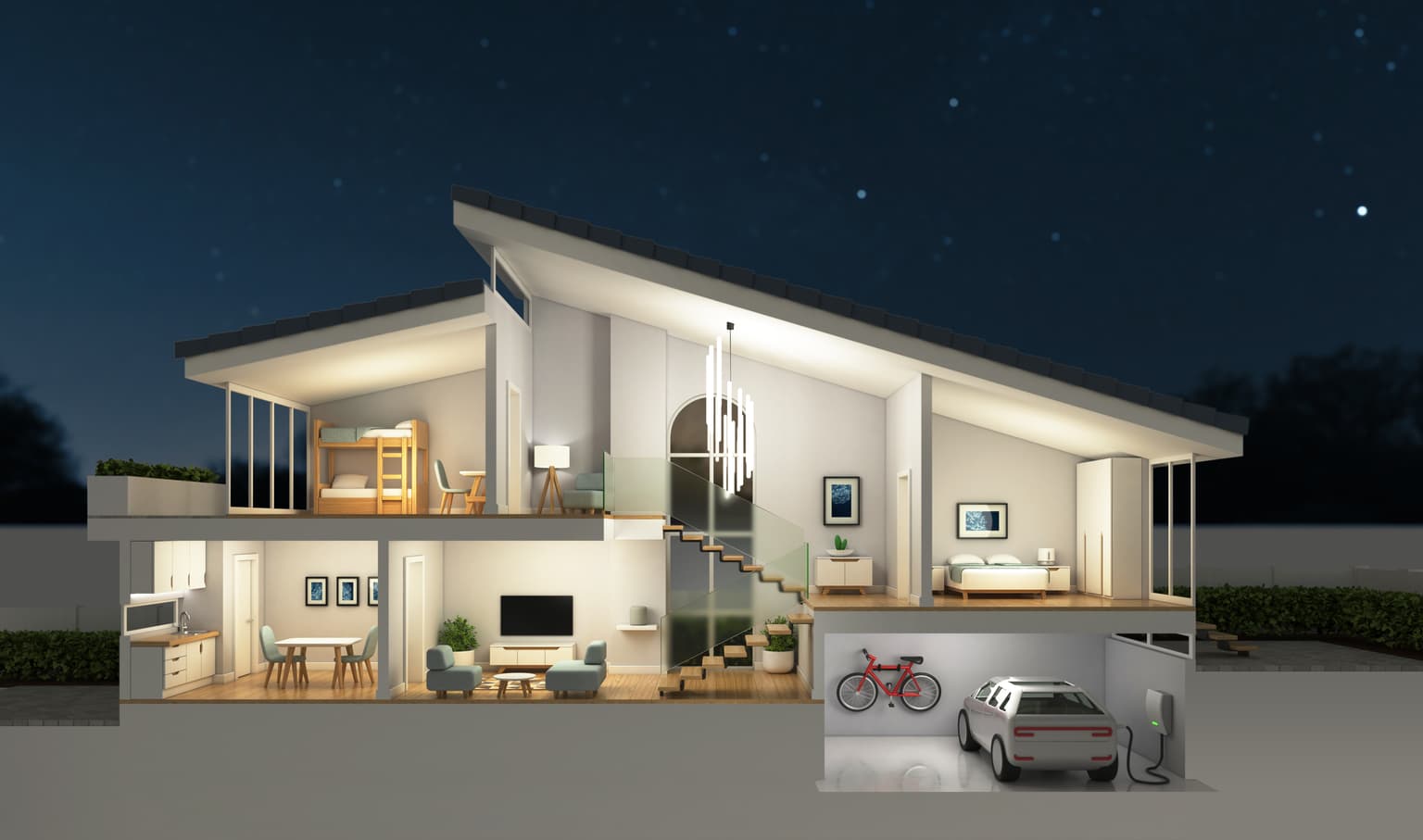
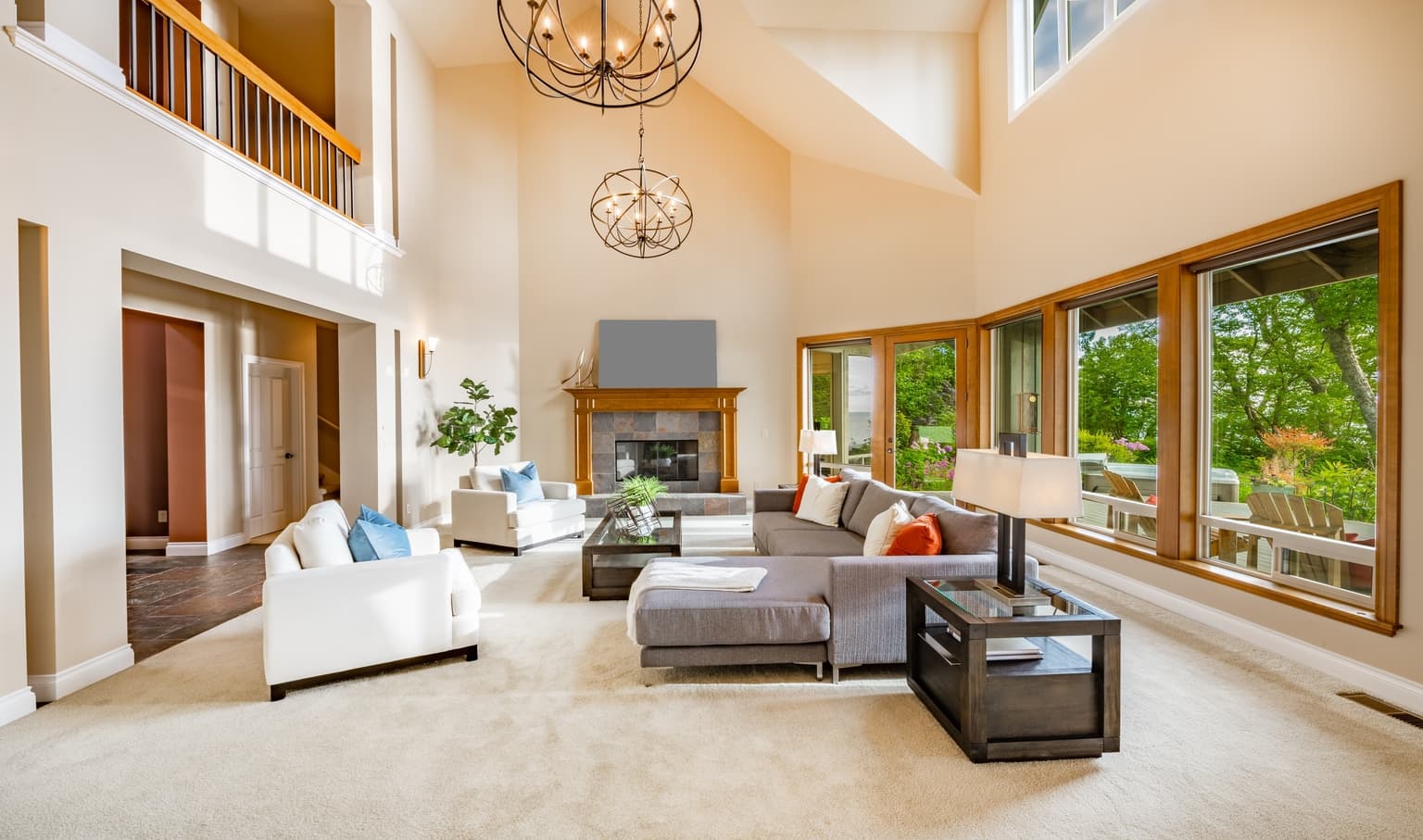
Open-plan living remains the dominant layout preference for Dubai villas. The combination of kitchen, dining, and living areas into a single volume maximises natural light, creates a sense of spaciousness, and suits the entertaining culture that is central to UAE family life.
The construction implications of open-plan design are structural. Removing walls between what would traditionally be separate rooms requires engineered beam solutions — typically steel beams or post-tensioned concrete — to span the open area without intermediate columns. This affects the structural design, the foundation loading, and the construction sequence. It also affects MEP routing, since ductwork, fire sprinkler runs, and electrical conduit that would normally run through partition walls must instead route through the ceiling void or be integrated into bulkhead details.
Multipurpose rooms. The work-from-home shift has made dedicated home offices a standard feature in new villa designs. These rooms need acoustic separation (insulated partitions, solid-core doors), dedicated data connectivity, and task-appropriate lighting — requirements that differ from a standard bedroom conversion. Some homeowners request convertible spaces with operable partition systems that allow a room to function as an office during the week and a guest suite on weekends.
Majlis integration. In UAE residential design, the majlis remains a culturally important space. The 2026 trend is integrating the majlis into the main living volume rather than isolating it as a separate formal room. This requires careful zoning through floor level changes, ceiling treatment variation, and lighting design — rather than physical walls — to define the majlis area while maintaining visual connection to the larger living space.
Indoor-Outdoor Living: Designed for Dubai's Climate
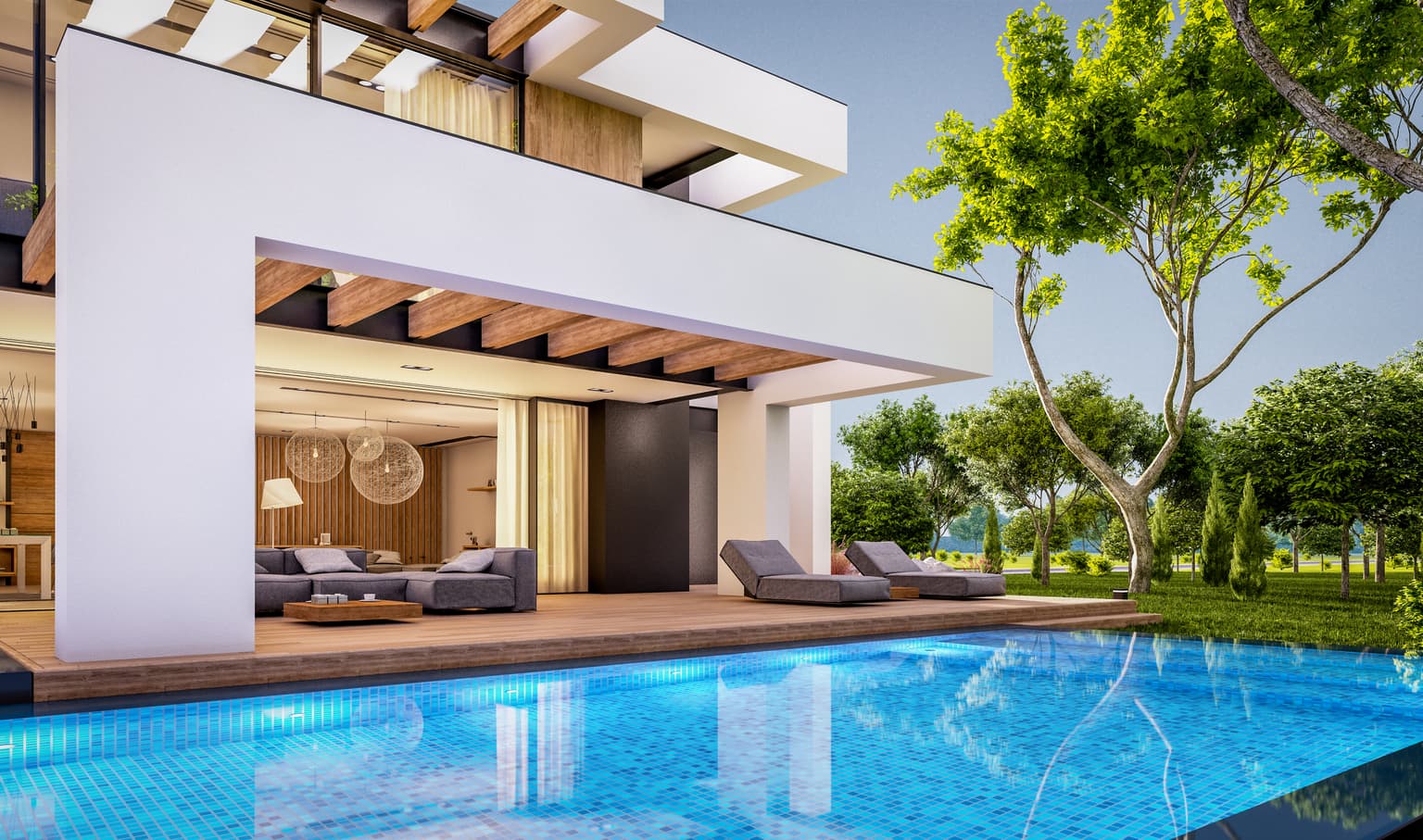
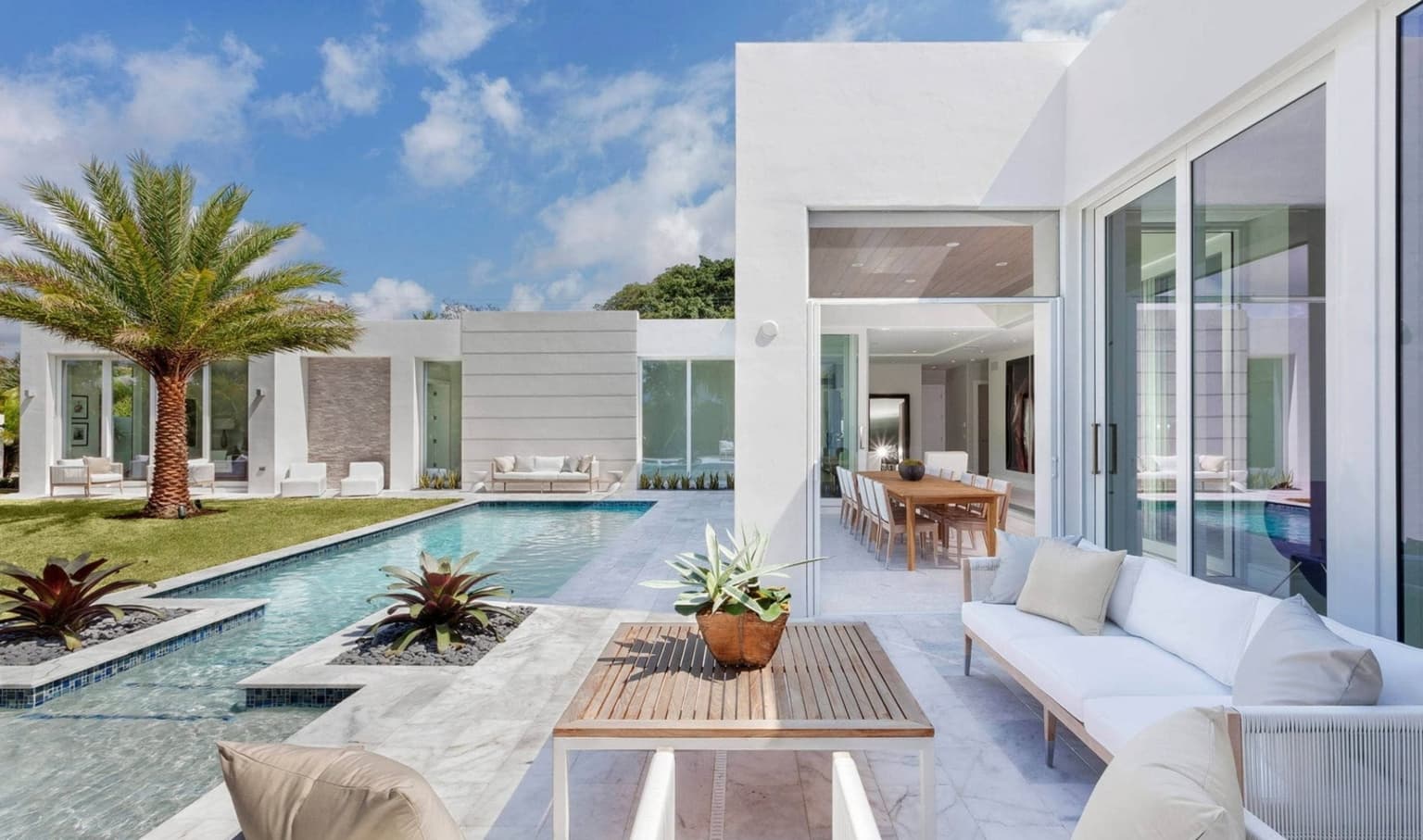
Outdoor living spaces are a priority for villa homeowners — but in Dubai, the design must account for extreme heat, humidity, and sandstorm exposure for roughly five months of the year. Successful indoor-outdoor design in this climate requires architectural and MEP solutions that generic "outdoor living" trends from temperate climates do not address.
Covered outdoor areas with cooling. Open-air terraces are unusable during peak summer without shade and cooling. Homeowners are specifying covered terraces with outdoor-rated ceiling fans, misting systems, and in some cases, outdoor air conditioning (using specialised outdoor cassette units). The MEP contractor needs to run refrigerant piping, drainage, and power to these locations during rough-in.
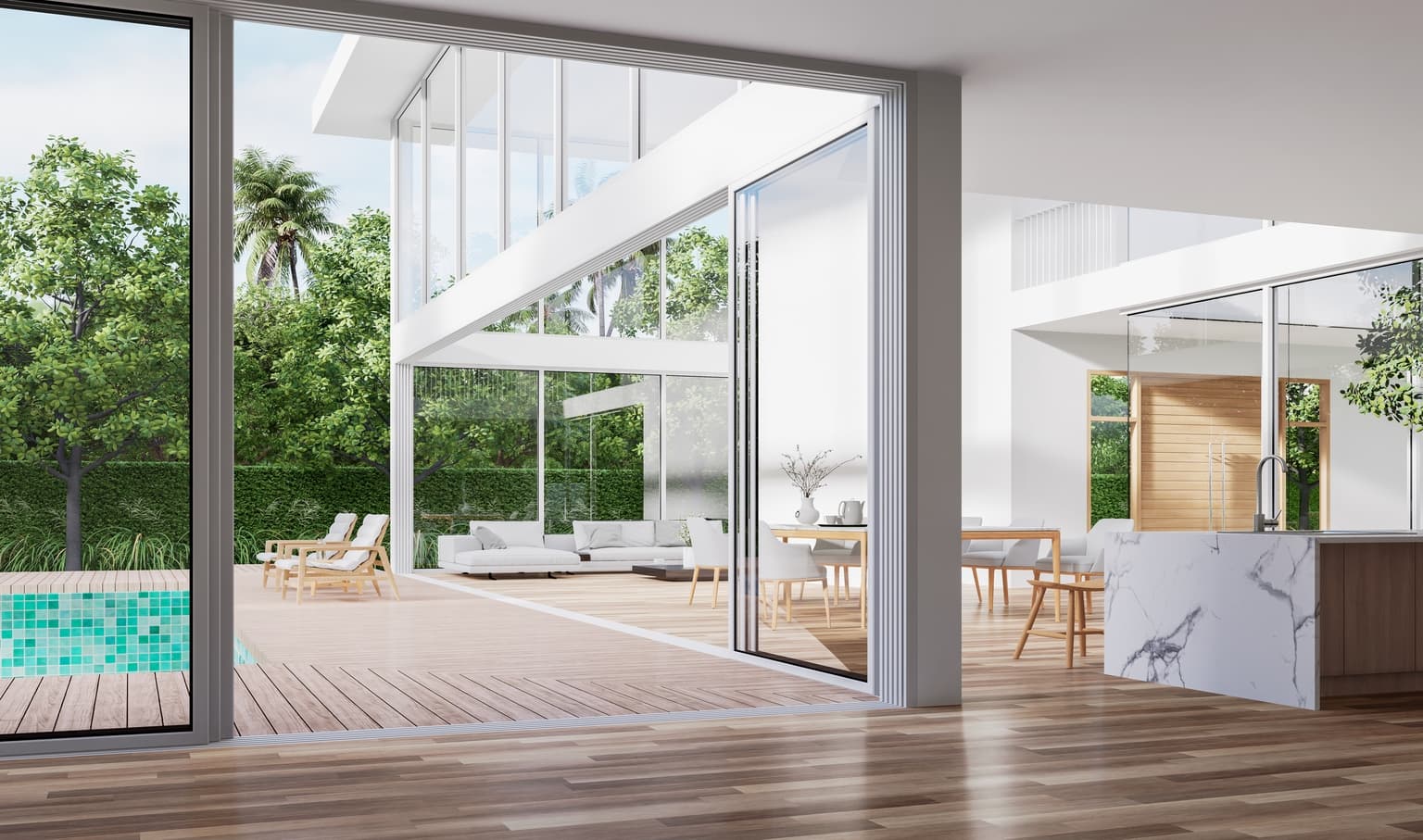
Retractable glazing systems. Large-format retractable glass doors (bi-fold, stacking, or pocket sliding) create a seamless transition between indoor and outdoor living. When closed, they provide climate control and sand protection. When open, they merge the living area with the pool deck or garden. These systems require structural steel support headers, floor tracks that integrate with the finished floor level, and weather sealing details that prevent sand and water ingress.
Outdoor kitchens. Fully equipped outdoor kitchens with built-in grills, sinks, refrigeration, and seating are standard in new villa designs above 5,000 sq ft. The construction scope includes water supply, drainage, gas connection (if applicable), electrical outlets, and lighting — all of which must be weatherproofed to IP65 or higher rating.
Pool and landscape integration. Infinity-edge pools, integrated spa zones, and landscape lighting are designed as part of the architectural concept rather than added after villa completion. This integration affects the site earthworks, structural design (pool shell loading on the foundation), and MEP coordination (pool filtration, heating, lighting circuits).
For a structured approach to planning these elements during the pre-construction phase, see essential pre-construction services for Dubai projects.
Wellness-Oriented Design
Health and wellness features have moved from luxury additions to standard specifications in high-end Dubai villas.
Indoor air quality. Sealed, air-conditioned environments — which is every interior space in Dubai for most of the year — require attention to air quality. Homeowners are specifying energy recovery ventilation (ERV) systems that introduce filtered fresh air without the energy penalty of cooling outdoor air from scratch. Low-VOC paints, adhesives, and sealants improve indoor air quality in these sealed environments. The Al Sa'fat system awards credits for indoor air quality measures.
Natural light optimisation. Clerestory windows, skylights, and light wells bring natural light into interior spaces that would otherwise rely entirely on artificial lighting. The structural and waterproofing implications of skylights require coordination between the architect, structural engineer, and the contractor during design — a roof penetration that leaks is a costly defect to rectify.
Dedicated wellness spaces. Home gyms, steam rooms, saunas, cold plunge pools, and yoga studios are increasingly common in villas above 8,000 sq ft. Each carries specific MEP requirements: steam rooms need waterproof construction, a steam generator with dedicated power and water supply, and drainage. Saunas require electrical heater circuits rated for the unit's power draw. Cold plunge pools need chiller units and insulated plumbing. These spaces should be designed and specified during the architectural phase — adding them as an afterthought typically requires structural and MEP modifications that cost substantially more than including them in the original design.
Material Specification and Finishing Trends
The materials homeowners specify in 2026 reflect a shift toward durability, tactile quality, and maintenance efficiency.
Natural stone. Marble, travertine, and limestone remain dominant for flooring, feature walls, and bathroom finishes. In Dubai's climate, stone selection must account for thermal expansion and contraction — some stones crack under the temperature differentials between air-conditioned interiors and sun-exposed exteriors. An experienced building contractor in Dubai will advise on stone grades and installation methods that perform in these conditions.
Large-format porcelain. Large-format porcelain slabs (1200x2400mm and larger) are replacing traditional tile in many applications — floor-to-ceiling bathroom cladding, kitchen splashbacks, and external cladding. These slabs require specific installation systems (adhesive types, substrate preparation, levelling systems) and experienced installers. Failures in large-format porcelain installation — delamination, cracking, lippage — are expensive to rectify because each slab covers a significant area.
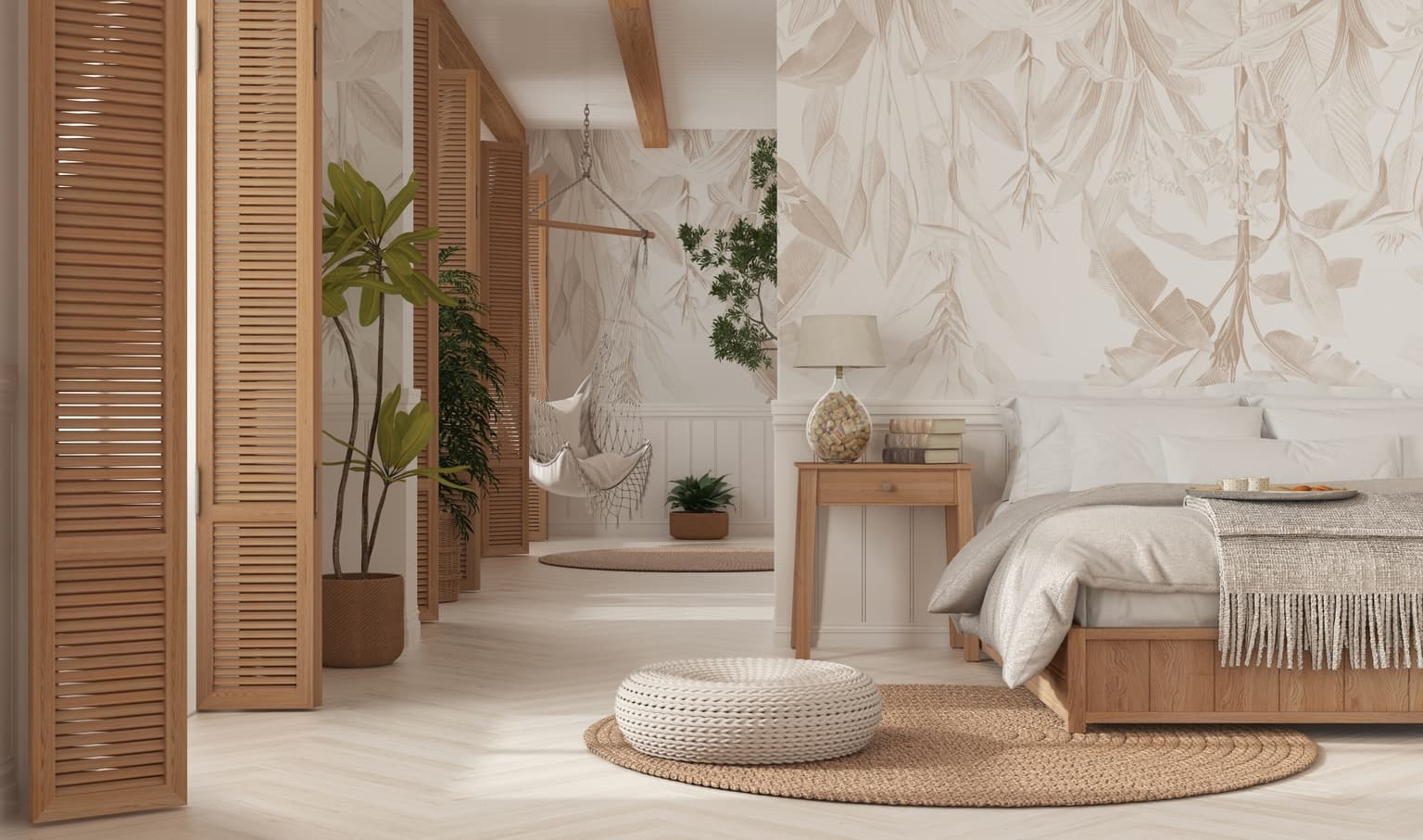
Timber and timber-look finishes. Engineered timber flooring and timber-look porcelain tiles are popular for living spaces. In Dubai's low-humidity air-conditioned interiors, engineered timber (rather than solid hardwood) performs better because the layered construction resists the warping and gapping that solid timber experiences in fluctuating humidity conditions.
Innovative Construction Methods
Homeowners are increasingly aware of construction methods that affect timeline, cost, and quality.
Off-site prefabrication. Bathroom pods, kitchen modules, and structural steel frames fabricated off-site and assembled on-site reduce construction time and improve quality control. The factory environment allows tighter tolerances and weather-independent production. For villa projects on tight timelines, prefabricated elements can compress the schedule by two to four weeks.
3D concrete printing. Dubai Municipality has actively promoted 3D printing in construction, and several pilot projects have demonstrated the technology for structural wall elements. For residential construction, the technology is currently applicable to specific components (feature walls, landscape elements) rather than full villa construction. The regulatory framework is evolving, and homeowners interested in this technology should confirm permit requirements with Dubai Municipality before specifying it.
Aging in Place and Accessible Design
Dubai's growing resident population includes an increasing number of long-term residents planning to stay in their homes through retirement. Designing for accessibility from the outset is significantly less expensive than retrofitting.
Key elements include step-free entrances (critical for villa designs with split-level ground floors), wider corridors and doorways (minimum 900mm clear opening), accessible bathroom layouts with structural blocking for future grab bar installation, and a ground-floor bedroom with en-suite bathroom that can serve as a primary suite if stairs become difficult.
The Dubai Universal Design Code, published by Dubai Municipality, provides specific guidelines for accessible design in residential buildings. Incorporating these elements during construction costs very little — structural blocking for grab bars, wider door frames, and level thresholds add minimal cost to a new build. Retrofitting them later involves demolition, structural modification, and finishing reinstatement.
What These Trends Mean for Your Project Budget
Every trend described in this guide carries a construction cost. Homeowners who understand the cost implications make better decisions about which features to prioritise.
Smart home infrastructure (cabling, conduit, panels — excluding end devices): AED 50,000 to AED 120,000 for a 5,000–10,000 sq ft villa, depending on complexity.
Al Sa'fat Silver compliance adds approximately 3–5% to construction cost through insulation upgrades, improved glazing, and documentation requirements — but reduces annual DEWA consumption by 20–40%.
Outdoor living (covered terrace with cooling, outdoor kitchen, pool with landscape): AED 200,000 to AED 600,000 depending on scope, materials, and pool specification.
Wellness spaces (home gym, steam room, sauna): AED 80,000 to AED 250,000 depending on size and specification.
The most cost-effective approach is to include these features in the original design rather than adding them as variations during construction. Design-phase integration allows the structural, MEP, and architectural systems to accommodate the features efficiently. Mid-construction additions require rework, resubmission, and premium-rate labour.
For guidance on evaluating the contractor who will deliver these features, see our complete evaluation framework for Dubai's best contracting firms.
Choosing the Right Delivery Model
Projects with this level of design integration — smart systems, sustainability compliance, wellness features, indoor-outdoor coordination — benefit from a delivery model where design and construction are managed by a single team. Under a design build contractors Dubai model, the contractor is involved from the design phase, which means MEP provisions for smart systems, structural requirements for open-plan spans, and Al Sa'fat compliance details are coordinated from the start rather than discovered as problems during construction.
Conclusion
Residential construction trends in Dubai in 2026 are driven by regulatory requirements (Al Sa'fat 2.0, Dubai Building Code thermal standards), climate-specific performance needs (thermal insulation, outdoor cooling, humidity management), and lifestyle expectations (smart integration, wellness spaces, indoor-outdoor living). Each trend carries specific implications for design, MEP coordination, material specification, and construction cost.
The homeowners who achieve the best outcomes are those who define these requirements during the design phase, select a contractor with demonstrated experience delivering them, and invest in pre-construction planning that coordinates all systems before the first block is laid.
Contact us today to discuss your residential project.
Frequently Asked Questions
Is Al Sa'fat compliance mandatory for new villas in Dubai?
Yes. From 2026, Al Sa'fat 2.0 Silver is the mandatory baseline for all new building permits in Dubai Municipality jurisdiction. No permit application is accepted without a verified Sustainability Statement, and no Building Completion Certificate is issued without confirmed compliance. Silver Sa'fa certification is valid indefinitely for private villas.
How much does smart home infrastructure add to villa construction cost?
For a 5,000–10,000 sq ft villa, smart home infrastructure (structured cabling, conduit, panels, controllers — excluding end devices like thermostats and displays) typically costs AED 50,000 to AED 120,000 when installed during construction. Retrofitting the same scope into a completed villa costs 60–100% more due to wall chasing, ceiling access, and finishing reinstatement.
What outdoor living features are common in new Dubai villas?
Covered terraces with outdoor-rated cooling (ceiling fans, misting systems, or outdoor AC units), retractable glazing systems, fully equipped outdoor kitchens, infinity-edge pools with integrated spas, and automated landscape lighting. All of these features require MEP provisions that must be planned during the design phase.
Does thermal insulation make a meaningful difference to DEWA bills in Dubai?
Research analysing Al Sa'fat's impact on Dubai residential villas found energy savings of up to 63% through improved insulation, reduced infiltration, and optimised glazing. In practice, a well-insulated villa with high-performance glazing typically reduces annual DEWA consumption by 20–40% compared to a code-minimum build — savings that compound over the life of the property.
What is the Dubai Universal Design Code?
Published by Dubai Municipality, the Universal Design Code provides guidelines for accessible design in residential and commercial buildings. For villas, key elements include step-free entrances, wider doorways (900mm minimum clear opening), accessible bathroom layouts, and ground-floor bedroom provision. Incorporating these elements during construction adds minimal cost; retrofitting them later is significantly more expensive.