
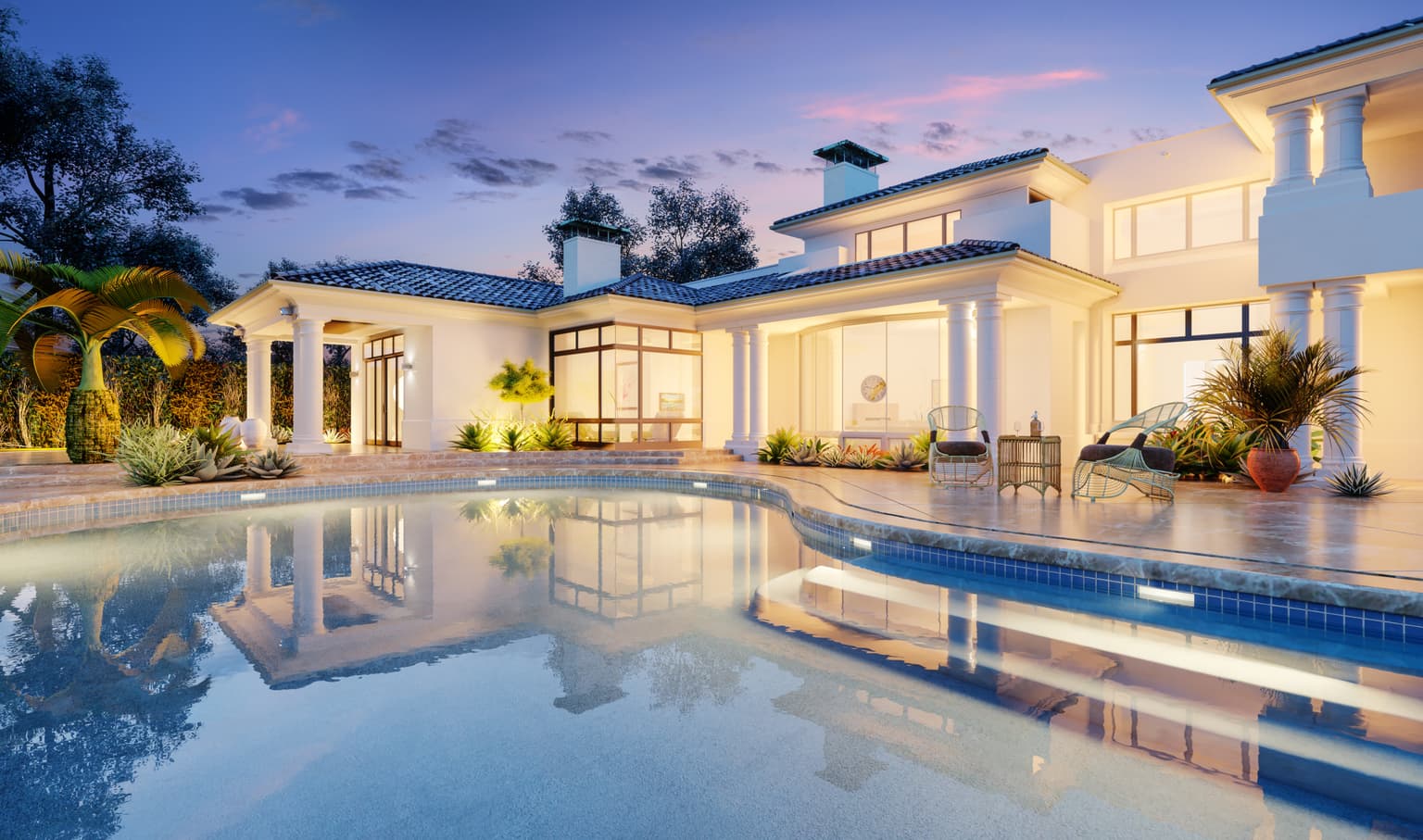
Villa design ideas for city & countryside homes. Modern, Mediterranean, Scandinavian & luxury styles to inspire your dream build in Dubai.
When planning your dream villa, images are often the first step in bringing your vision to life. Whether you’re considering a villa in the city or the countryside, the right visuals can inspire and guide your design decisions. Below are villa design ideas that focus on the power of images to help you create your perfect home.
Urban Villa in the City
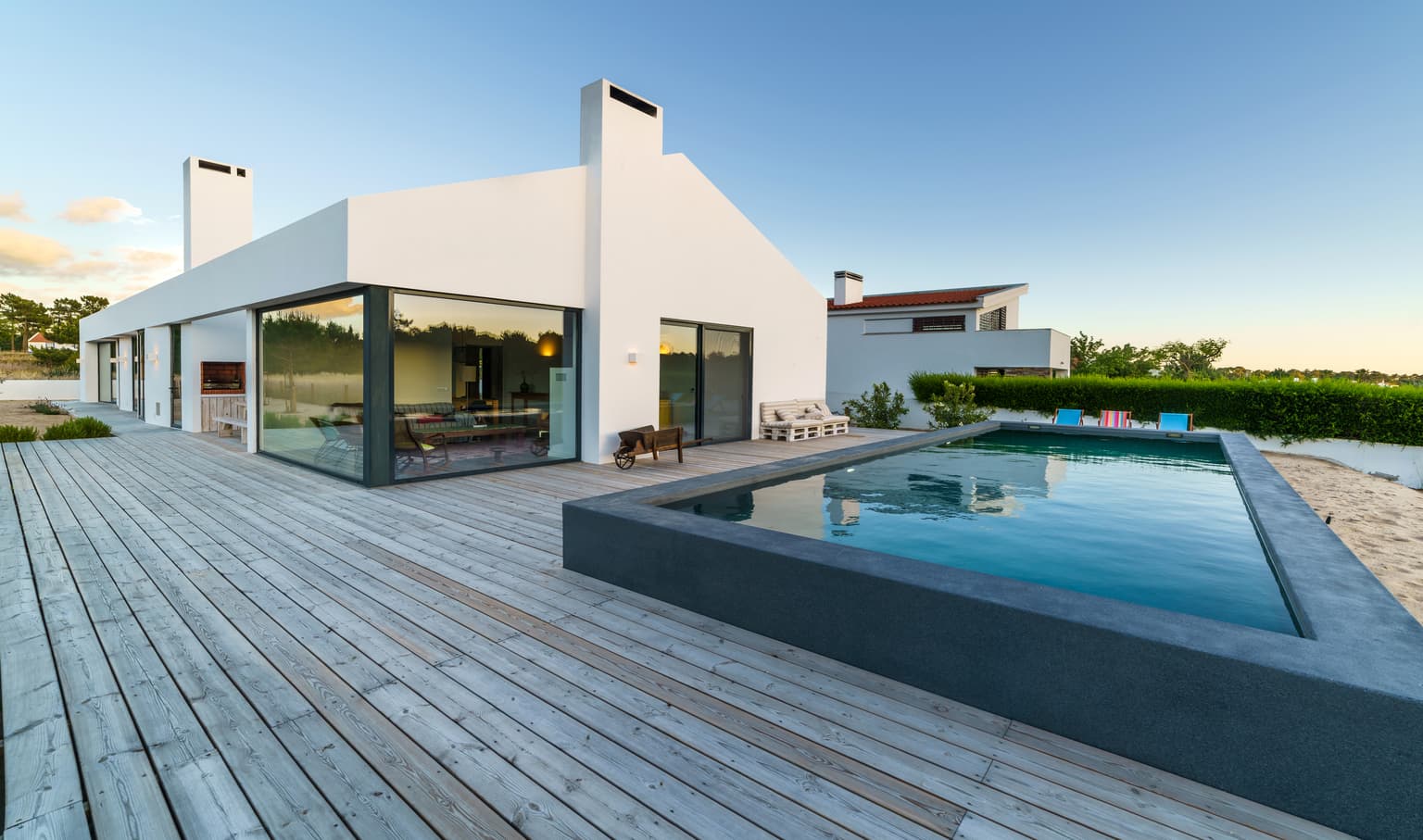
A modern villa in the city is an oasis amidst the urban environment. The design typically features clean lines, expansive glass windows, and a neutral color palette. Images of these villas often highlight the contrast between sleek architectural elements and the surrounding cityscape. A rooftop garden adds a touch of nature, creating a serene escape above the busy streets.
The use of glass is prominent in urban villas, allowing natural light to flood the interiors while offering stunning views of the city. Images might capture the seamless transition between indoor and outdoor spaces, with open-plan living areas that lead to balconies or terraces. The visual appeal lies in the balance between modernity and comfort, showcasing a lifestyle that merges luxury with convenience.
Countryside Villa
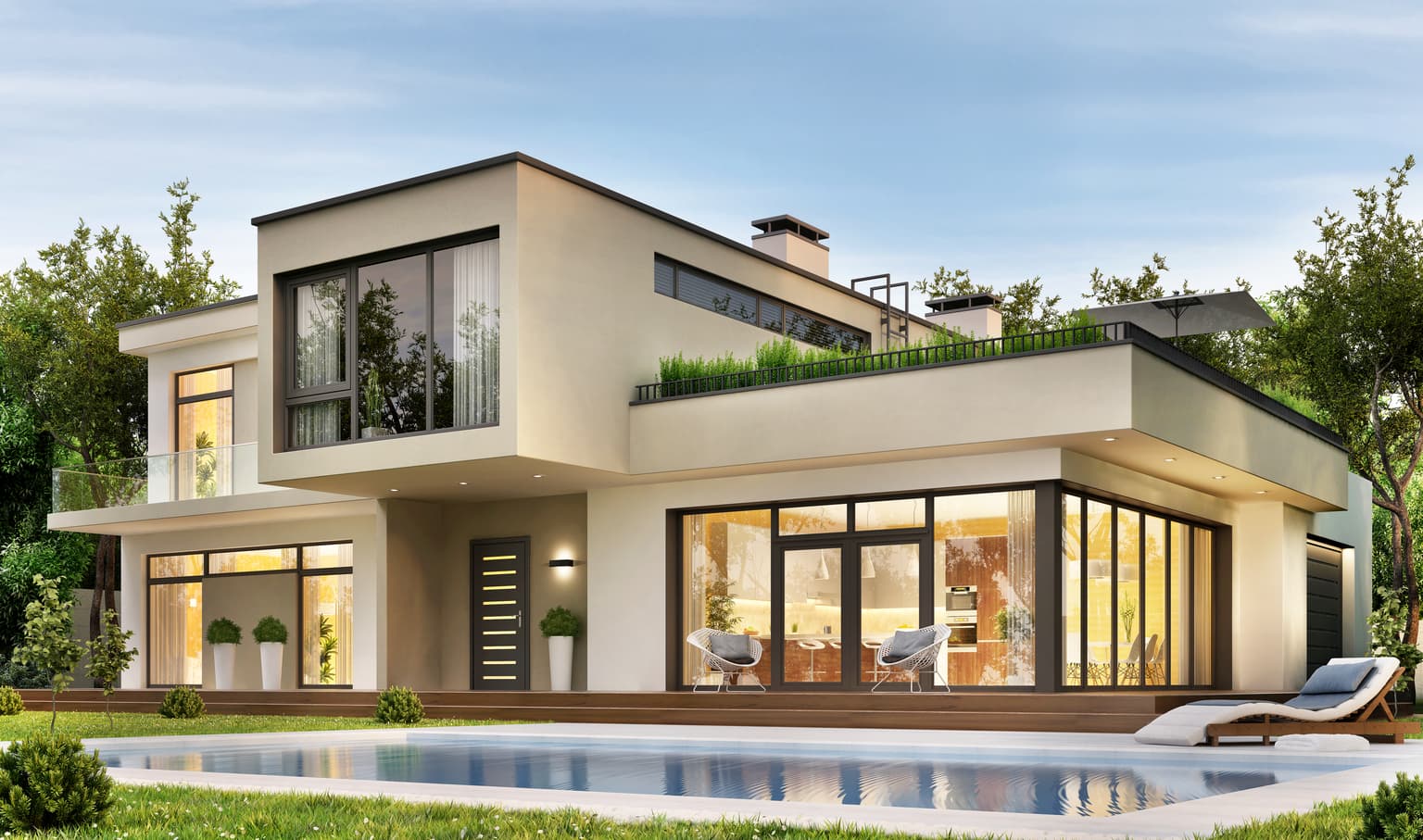
A countryside villa offers a different kind of charm, one that is closely connected to nature. The design often incorporates natural materials like stone, wood, and clay, blending the villa seamlessly with its surroundings. Images of countryside villas emphasize the rustic beauty and tranquility of rural life. Large, open windows are common, framing the picturesque landscape and inviting the outdoors in.
The exterior of a countryside villa might feature sprawling gardens, stone pathways, and cozy patios. These elements are captured in images that evoke a sense of peace and relaxation. Inside, exposed wooden beams, stone fireplaces, and earthy tones create a warm and inviting atmosphere. The visual narrative of a countryside villa is one of harmony with nature, offering a peaceful retreat from the hustle of city life.
Minimalist Villa
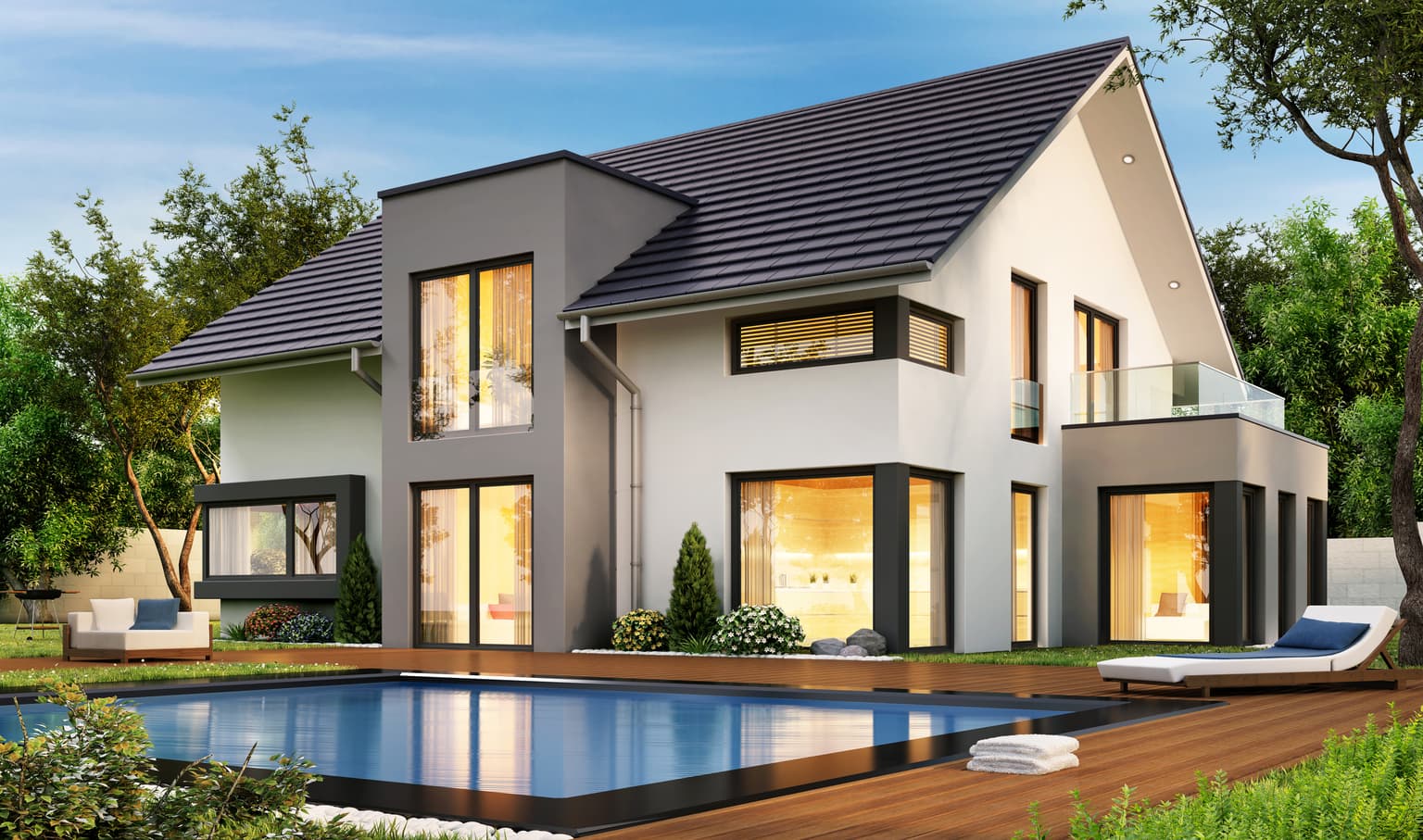
Minimalism in villa design is all about creating a space that feels calm and uncluttered. A minimalist villa focuses on simplicity, with clean lines, open spaces, and a restrained color palette. Images of minimalist villas often highlight the spaciousness of the interiors, with large windows that allow natural light to pour in. The absence of unnecessary decor draws attention to the beauty of the architecture itself.
In a minimalist villa, furniture and decor are chosen with care, ensuring that each piece serves a purpose. Images might show a living room with only a few carefully selected pieces of furniture, each one contributing to the overall aesthetic. The design emphasizes quality over quantity, and the images reflect this philosophy by showcasing spaces that feel both serene and functional.
Beachfront Villa
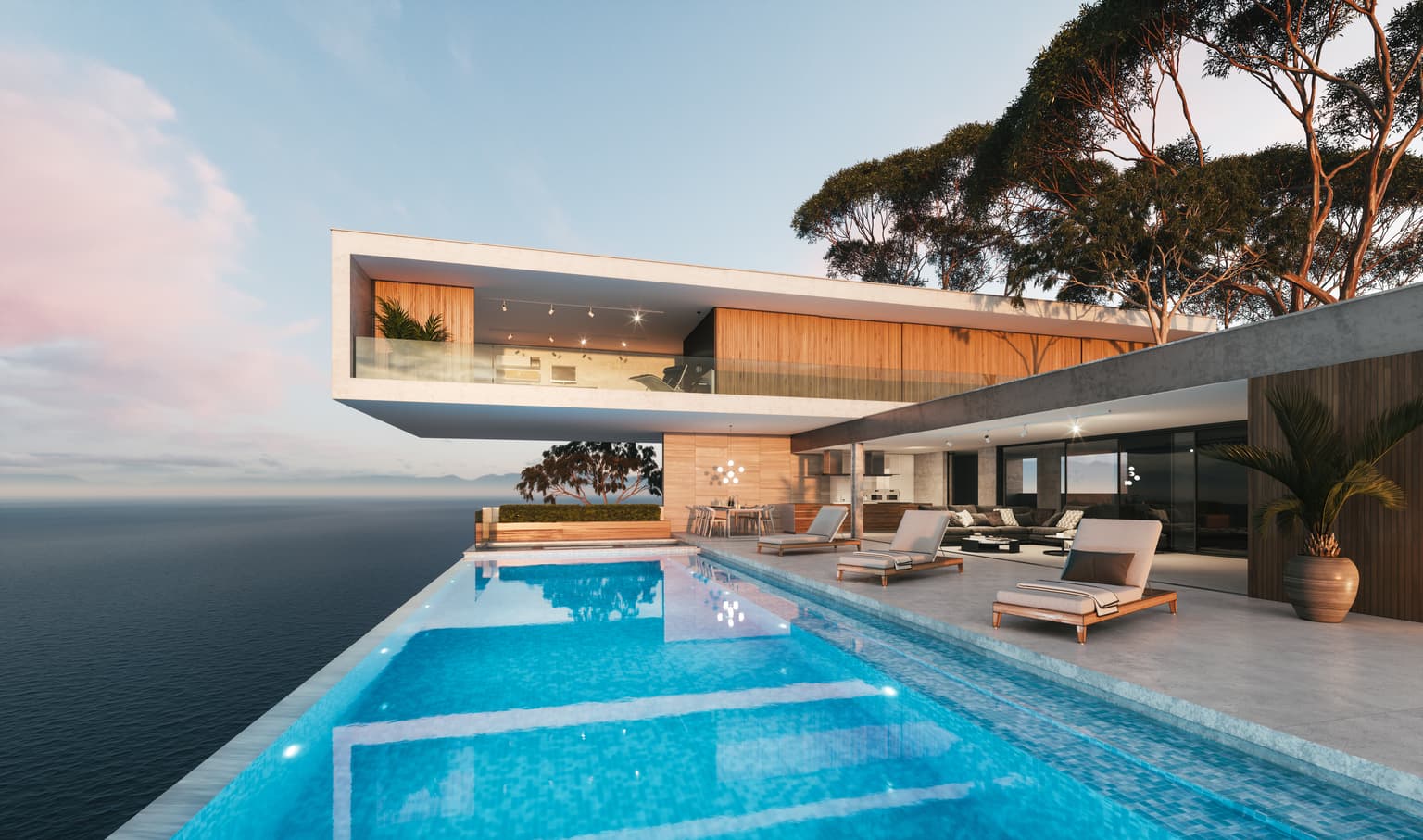
For those dreaming of life by the sea, a beachfront villa offers a unique charm. The design typically features large windows and open spaces that maximize views of the ocean. Images of beachfront villas highlight the connection between the villa and its natural surroundings. Soft, sandy neutrals and crisp whites dominate the color palette, creating a calm and inviting atmosphere.
The outdoor spaces of a beachfront villa are just as important as the interiors. Images might showcase a patio or deck that extends out towards the water, perfect for enjoying the sunset or hosting gatherings. The overall aesthetic is one of relaxed luxury, with the ocean playing a central role in the design. These images inspire a lifestyle where every day feels like a vacation.
Luxury Villa
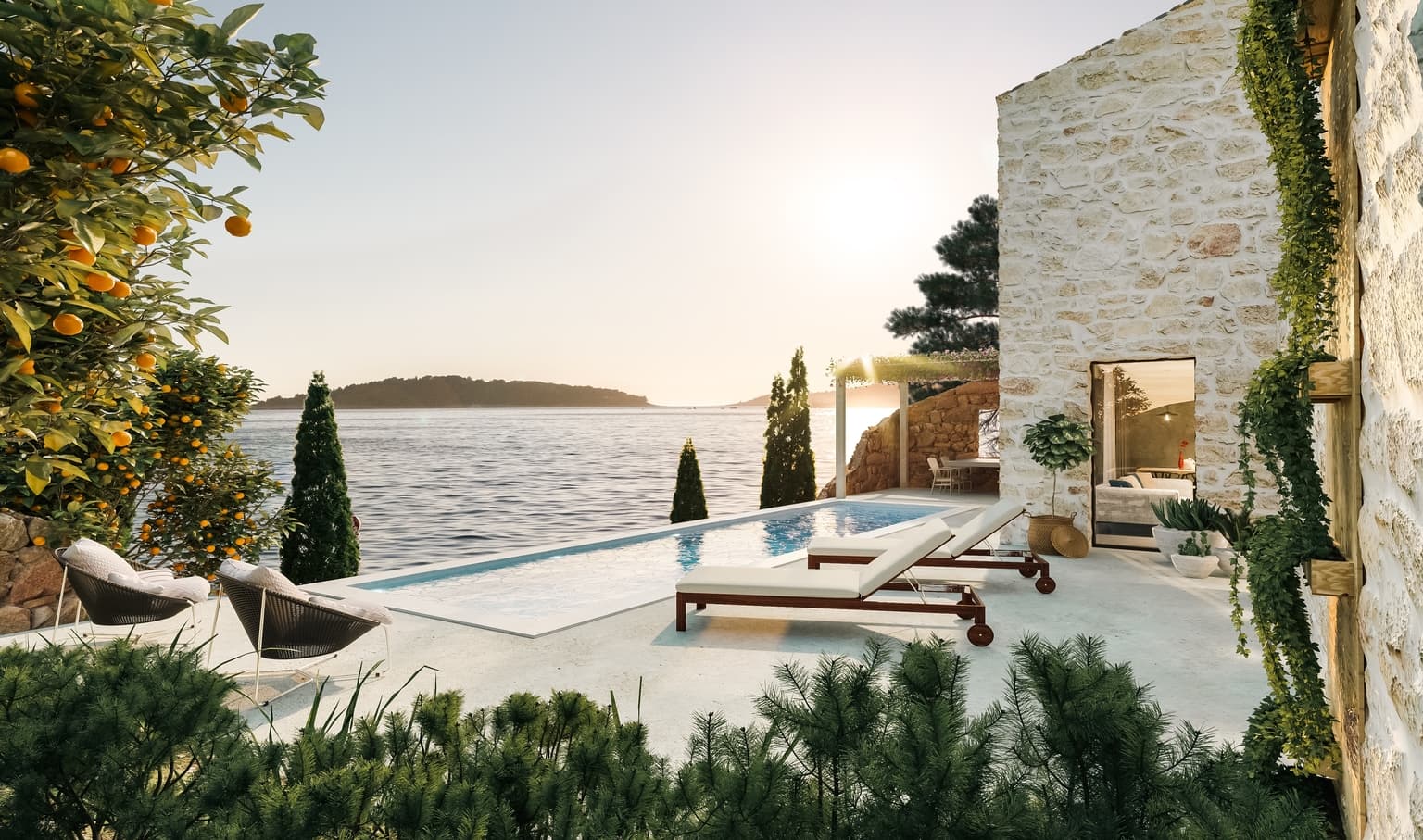
A luxury villa is a statement of elegance and sophistication. The design often incorporates grand architectural features, such as high ceilings, sweeping staircases, and expansive windows. Images of luxury villas capture the opulence and grandeur that define this style. The exterior might include manicured gardens, a grand entrance, and impressive stonework.
Inside, luxury villas are adorned with high-end materials like marble, crystal, and fine wood. Images might showcase a lavish living room with a grand chandelier, or a master bedroom with a private terrace. The visual narrative is one of timeless elegance, where every detail is designed to impress. These images appeal to those who appreciate the finer things in life and seek a home that reflects their taste and status.
Contemporary Villa
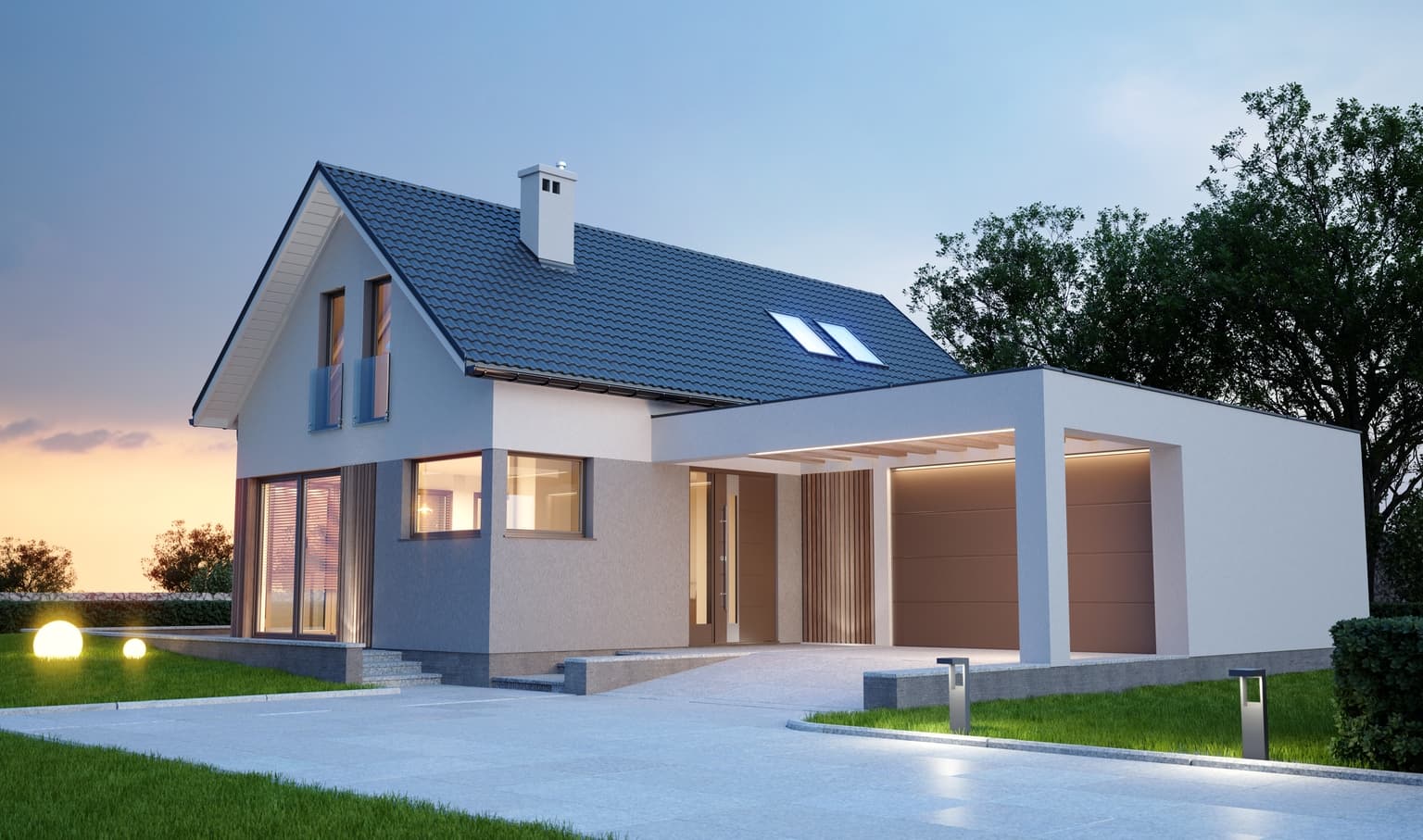
Contemporary villas push the boundaries of traditional design, embracing innovation and creativity. The design often features bold shapes, a mix of materials, and an open floor plan. Images of contemporary villas showcase these unique elements, offering a fresh take on villa living. The architecture might include asymmetrical structures, cantilevered sections, and large glass panels that blur the line between indoors and outdoors.
The interiors of a contemporary villa are often eclectic, with a mix of modern furniture, art pieces, and unique decor. Images might capture the contrast between different textures and materials, creating a dynamic and visually interesting space. The design encourages individuality, and the images reflect this by highlighting the villa’s distinct character.
Mediterranean Villa
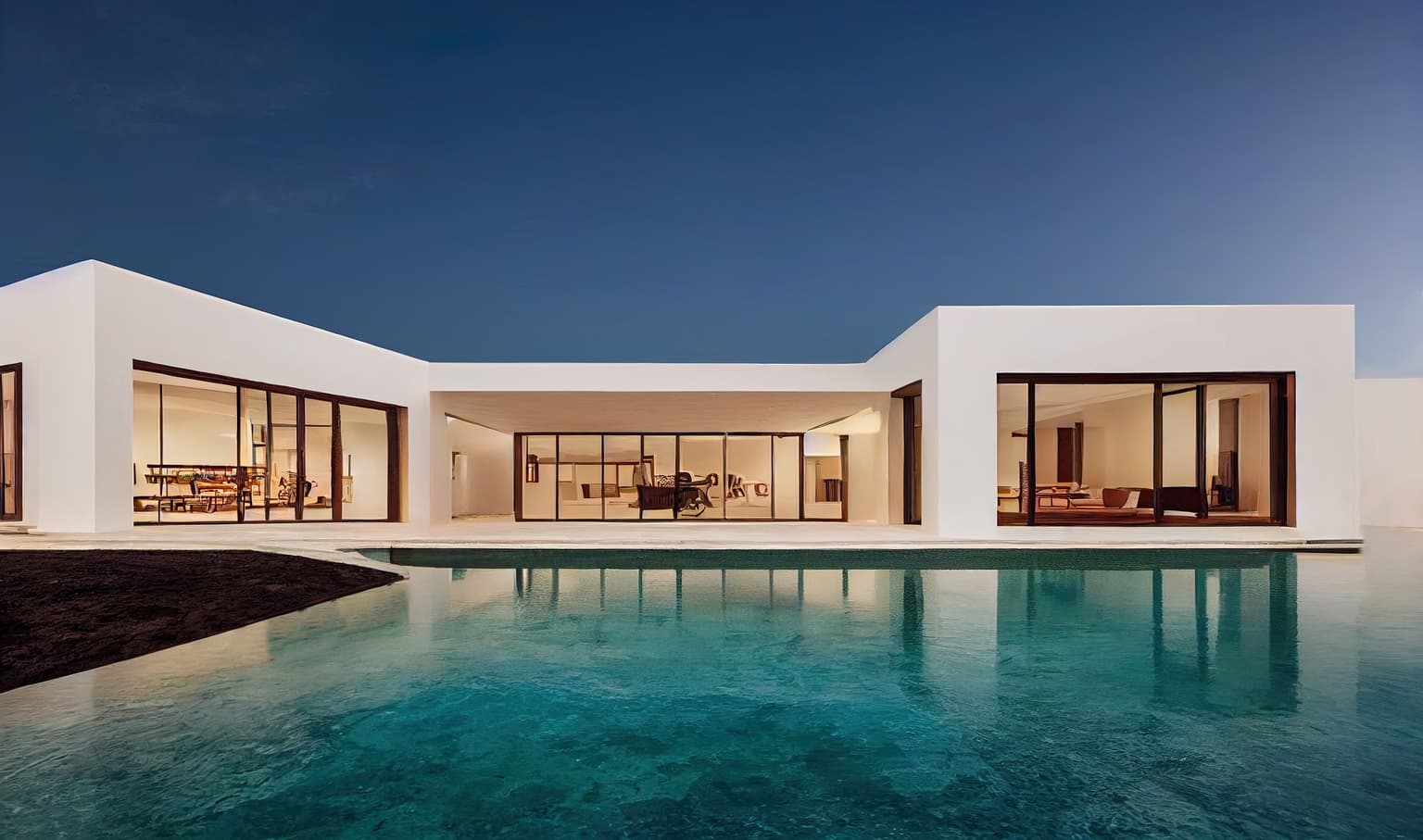
Mediterranean villas are known for their vibrant and inviting designs. The architecture often includes terracotta roofs, arched doorways, and courtyards filled with plants. Images of Mediterranean villas capture the warmth and charm of this style, evoking the feeling of a sun-soaked retreat. The color palette is typically rich and earthy, with tones of terracotta, olive, and ochre.
Outdoor living is a key component of Mediterranean design, and images often highlight features like shaded patios, outdoor kitchens, and swimming pools. These spaces are designed for relaxation and enjoyment, with an emphasis on connecting with nature. Inside, the decor is warm and welcoming, with rich textures and handcrafted elements. The images convey a sense of comfort and hospitality, inviting you to embrace the Mediterranean lifestyle.
Scandinavian Villa
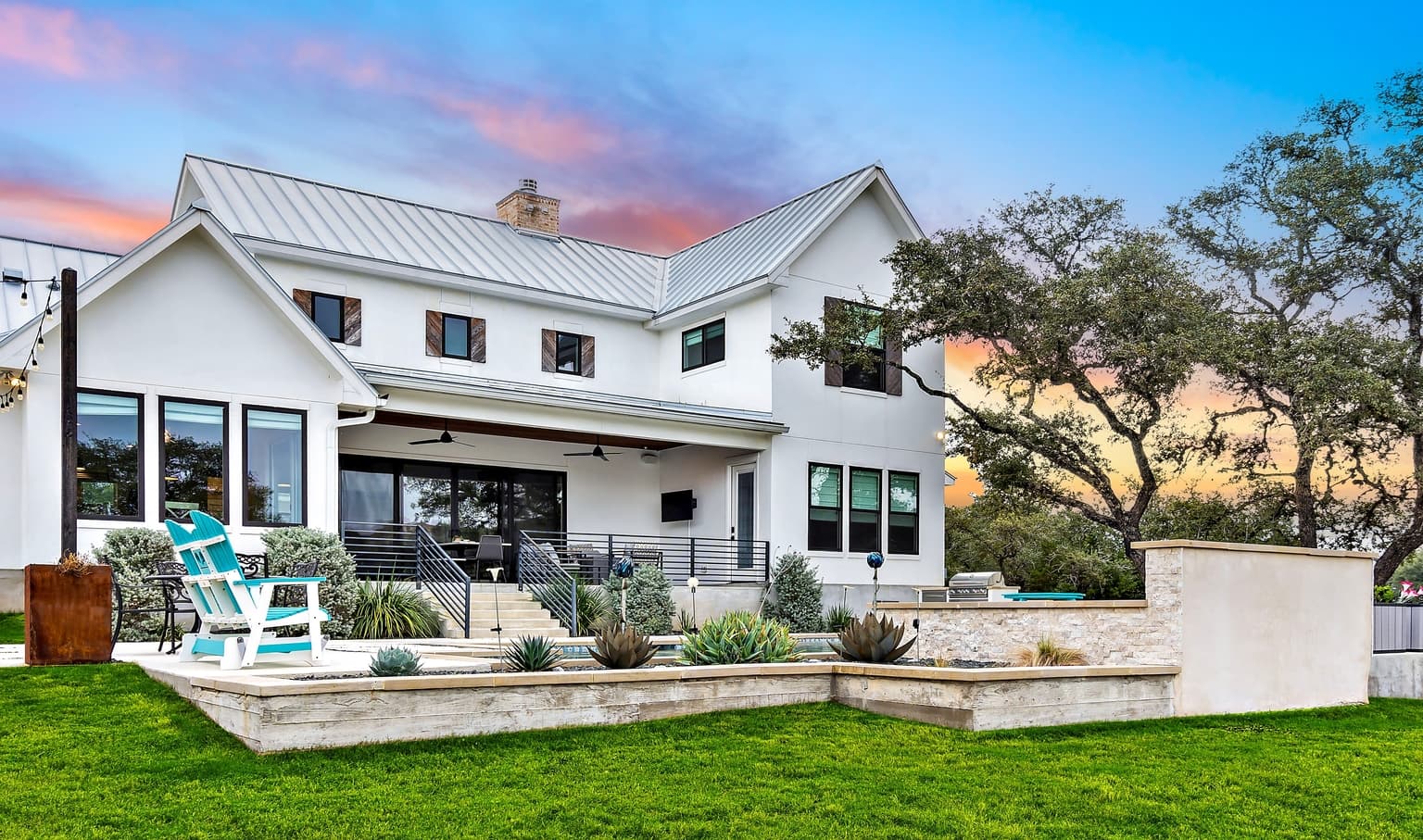
Scandinavian design is characterized by its simplicity, functionality, and focus on natural materials. A Scandinavian villa is designed to be cozy and practical, with bright interiors and minimal decor. Images of Scandinavian villas often showcase light-filled spaces, with large windows that let in plenty of natural light. The color palette is typically neutral, with soft grays, whites, and natural wood tones.
Furniture in a Scandinavian villa is practical yet stylish, with an emphasis on comfort. Images might show a living room with a comfortable sofa, a wooden coffee table, and a few carefully selected decor items. The design is all about creating a warm and inviting atmosphere, and the images reflect this by highlighting the villa’s cozy and functional spaces.
Tropical Villa
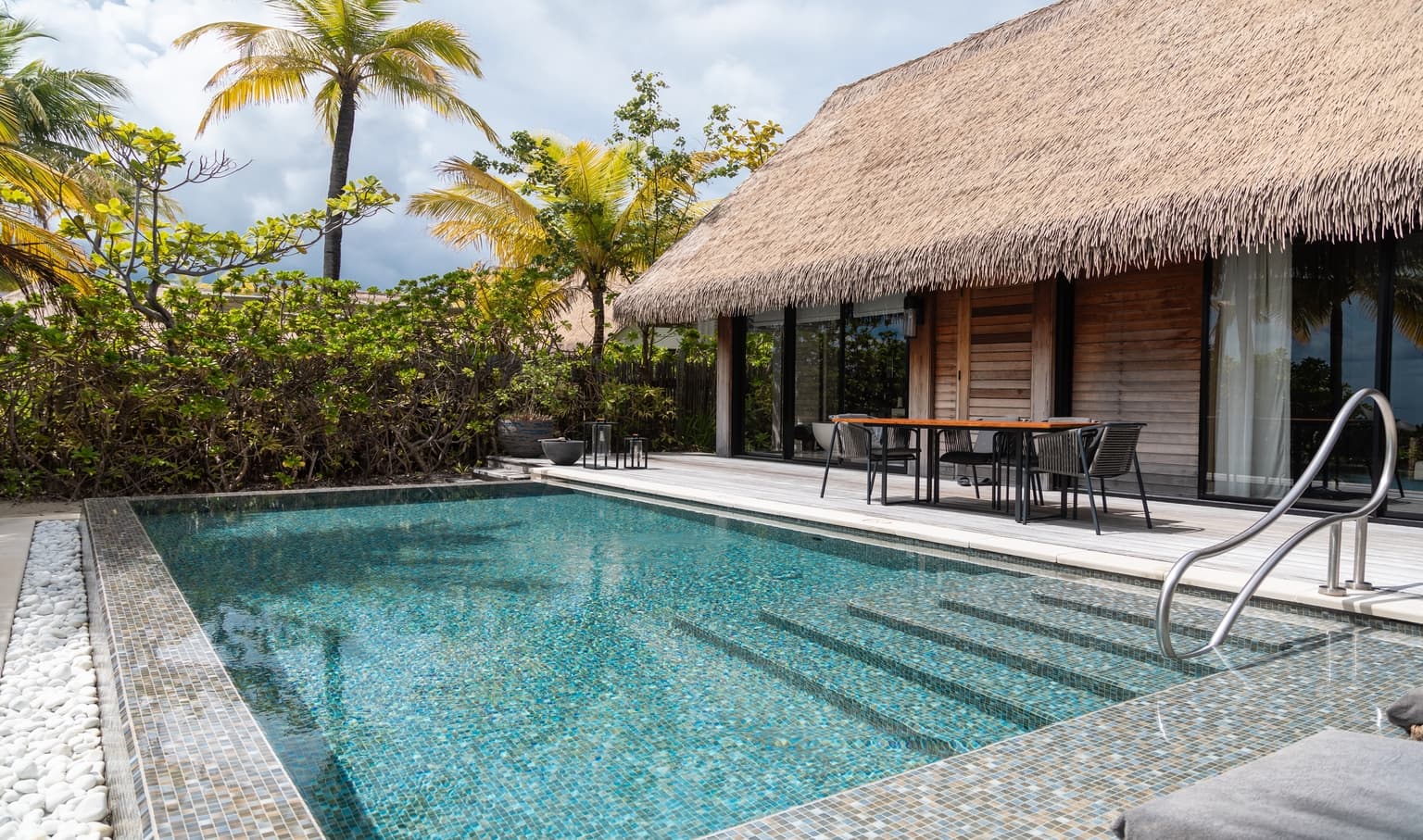
For those who dream of a villa in an exotic location, tropical design offers a lush and vibrant aesthetic. The architecture often includes open-air living spaces, large verandas, and natural materials like bamboo and thatch. Images of tropical villas capture the villa’s connection to its natural surroundings, with dense vegetation, palm trees, and colorful flowers.
The interiors of a tropical villa are often vibrant and eclectic, with a mix of patterns, textures, and colors. Images might showcase a living room with bamboo furniture, bright textiles, and large, leafy plants. The design emphasizes a connection with nature, and the images reflect this by highlighting the villa’s lush, green surroundings and vibrant interiors.
Conclusion
Designing a villa requires clarity of vision and careful alignment between architecture, materials, and lifestyle goals. Whether located in the city or countryside, each design style offers distinct spatial qualities and visual character. From contemporary glass structures to rustic stone retreats, the right approach balances aesthetics, comfort, and function. Thoughtful planning and expert execution ensure that your villa reflects both personal identity and long term value.
Related Inspiration
See these concepts realised in completed builds. Explore Dubai's most impressive luxury villa projects.
Realising your vision: Design ideas need execution partners. Learn how to identify contractors who deliver villa excellence.
Work With Capital Associated Building Contracting LLC
Bring your vision to life with commercial fit-out Abu Dhabi quality applied to residential excellence. Our interior fit-out company UAE delivers the same precision and finish quality to homes as we do to premium commercial spaces.
Design your dream villa with our residential experts.
FAQ
1. What is the difference between an urban and countryside villa design?
Urban villas emphasize modern lines and compact layouts, while countryside villas focus on natural materials and landscape integration.
2. Which villa style is best for luxury living?
Luxury villas often feature expansive layouts, premium materials, high ceilings, and integrated outdoor living spaces.
3. Are minimalist villas practical for families?
Yes. Minimalist villas prioritize open layouts and efficient space planning, making them suitable for modern family living.
4. What materials are common in Mediterranean villa design?
Terracotta roofs, natural stone, plaster finishes, and wooden accents are typical elements.
5. How can I personalize my villa design?
Custom layouts, bespoke finishes, tailored interior features, and landscape planning allow full personalization.