
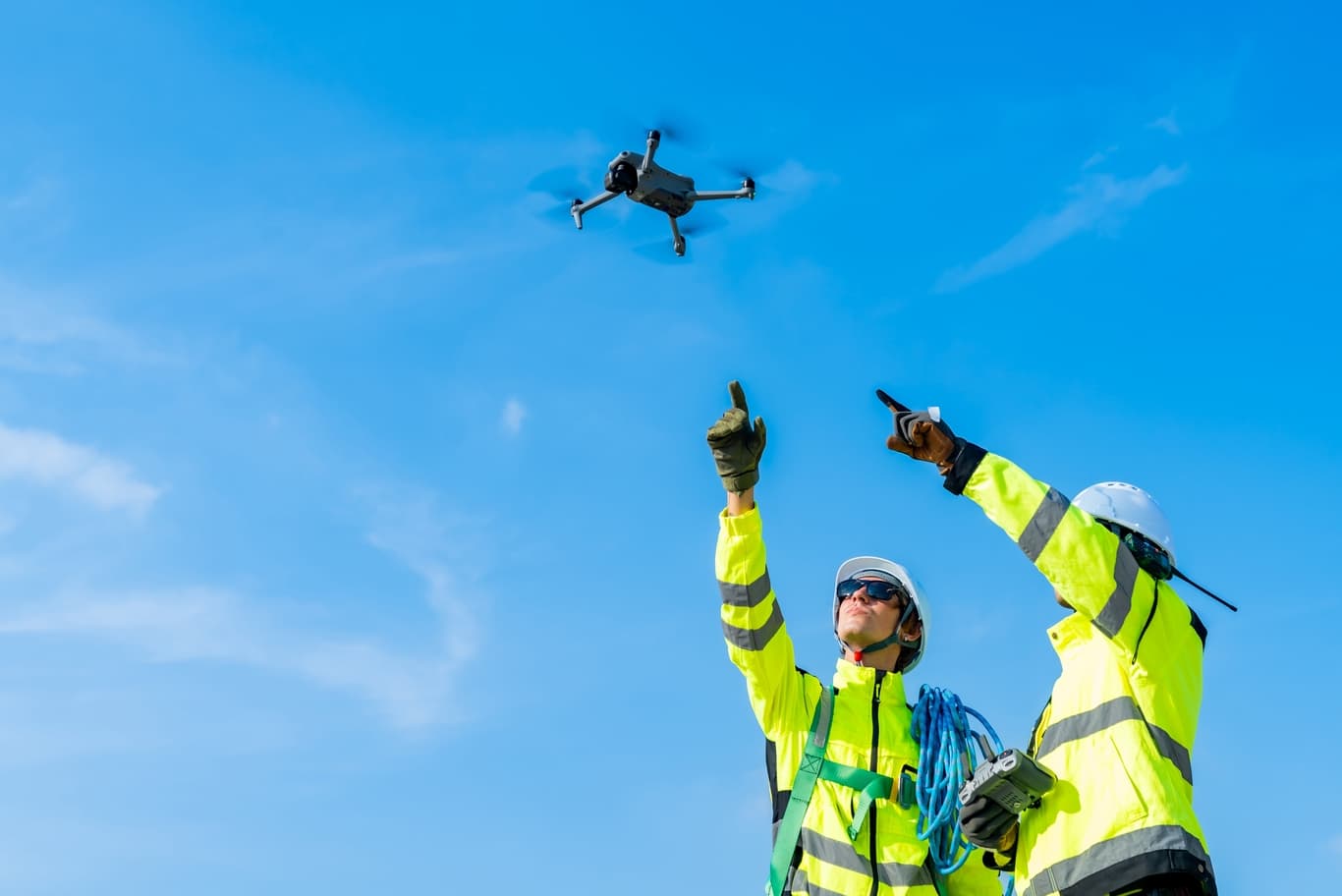
AI and drones are reshaping Dubai construction sites with predictive scheduling, aerial tracking, and automated quality control.
The UAE construction market was valued at USD 42.75 billion in 2025. By 2030, that number is expected to hit USD 52.66 billion. Dubai alone accounted for 41.6% of all construction activity in 2024, and the pipeline keeps growing — the USD 35 billion Al Maktoum Airport expansion, the USD 5.5 billion Gold Line metro, and billions more in residential and mixed-use development across the Emirates.
With that volume of active work comes a problem every contractor in the region knows too well: keeping accurate tabs on what is actually happening across your sites. Schedules slip. Defects go unnoticed until snagging. Budget forecasts drift from reality because site data arrives late or incomplete.
AI and drone technology fix this. Not in theory — in practice, on real job sites, right now. Here is exactly how, and what it means for contractors and developers operating in Dubai.
1. Predictive Scheduling That Flags Delays Before They Cost You
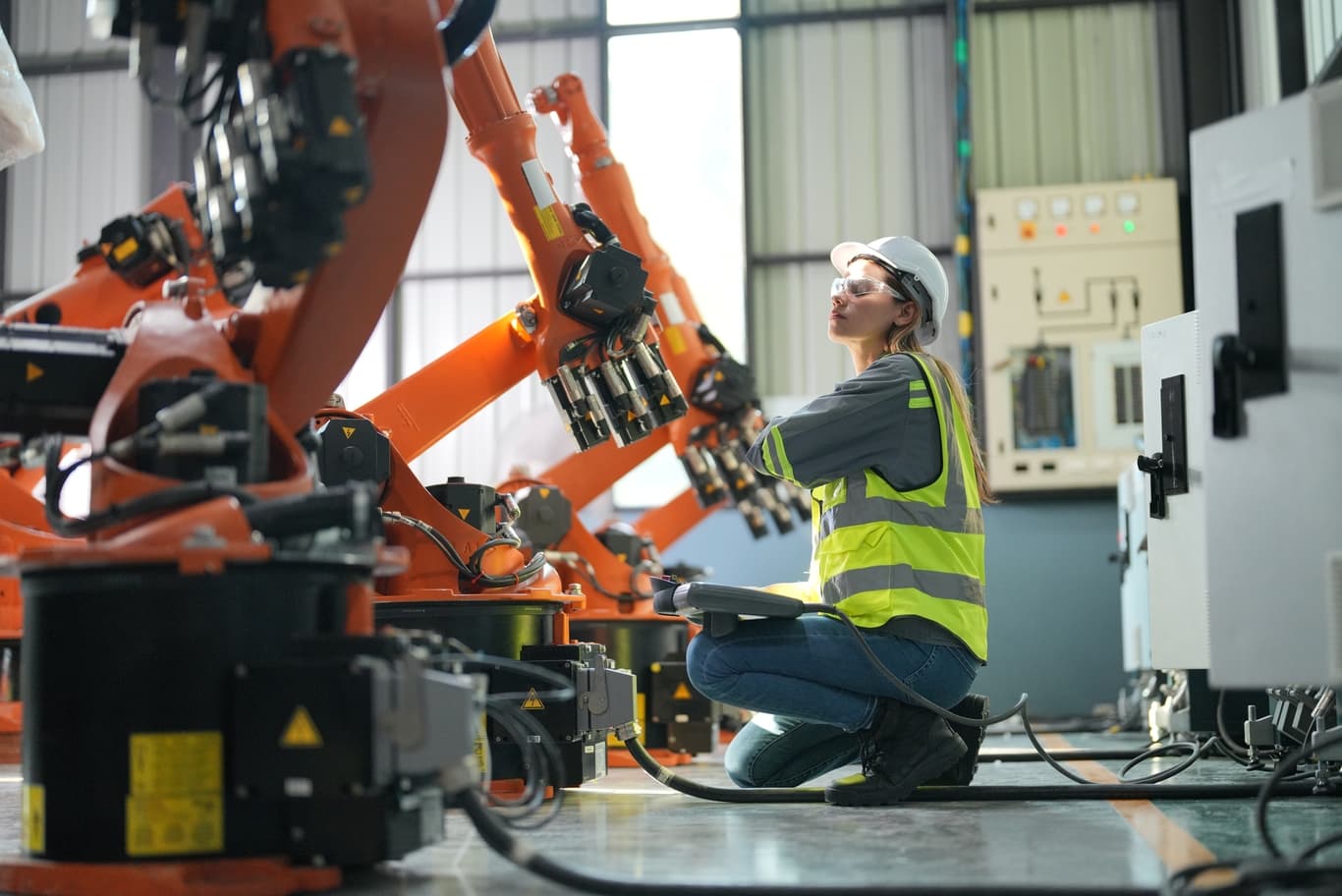
Traditional scheduling relies on a project manager's experience and a Gantt chart. AI scheduling tools take a different approach. They process data from hundreds of completed projects — phase durations, weather disruptions, supplier lead times, subcontractor track records — and build probability models for each stage of a new build.
The output is specific: "Phase 3 structural work has a 72% chance of overrunning by four days based on current procurement status and forecasted temperatures." That kind of early warning gives project teams time to adjust sequencing, bring in additional crews, or expedite material orders before the delay hits the critical path.
In a market where contractors are running multiple jobs simultaneously — the way Capital Associated managed the Meat Moot restaurant builds across JBR, City Walk, and Al Khawaneej at the same time — predictive scheduling turns guesswork into a numbers game. You stop reacting to delays and start preventing them.
2. Computer Vision for Real-Time Safety Monitoring
Construction sites in the UAE operate in extreme heat, at height, and under tight deadlines. That combination creates safety risks that manual inspections cannot always catch in time.
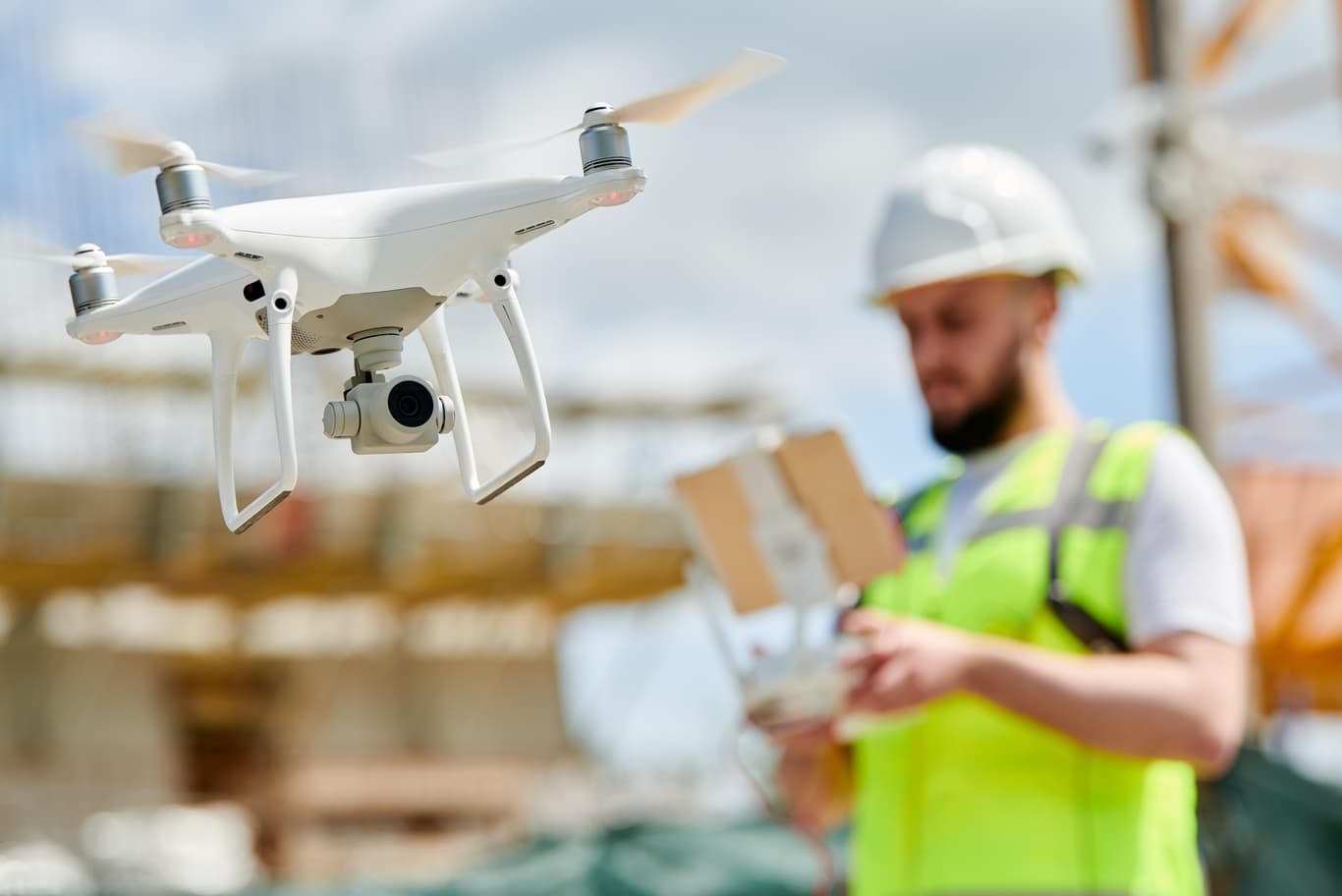
AI-powered computer vision changes the detection speed. Cameras mounted across a site feed live video into software trained to recognise specific hazards: a worker without a hard hat, an unsecured scaffold platform, a load being lifted outside the crane's rated radius, a missing barricade around an open excavation.
The system flags each violation instantly and sends alerts to the site safety officer's phone. No waiting for the next morning's safety walk. No relying on a supervisor who is busy coordinating three trades at once. The AI watches everything, all the time, and it does not get distracted or fatigued during a twelve-hour shift.
Dubai Civil Defence and Dubai Municipality have been tightening safety enforcement over the past two years. Automated monitoring is not just about preventing accidents — it also creates a timestamped record of compliance that protects the contractor during audits and inspections.
3. Machine Learning for Defect Detection and Quality Control
Quality problems on a construction site follow a predictable pattern: they are cheap to fix when caught early and extremely expensive to fix when caught late. A misaligned column form discovered during the pour costs a few hours. The same misalignment discovered during fit-out can cost weeks and hundreds of thousands of dirhams.
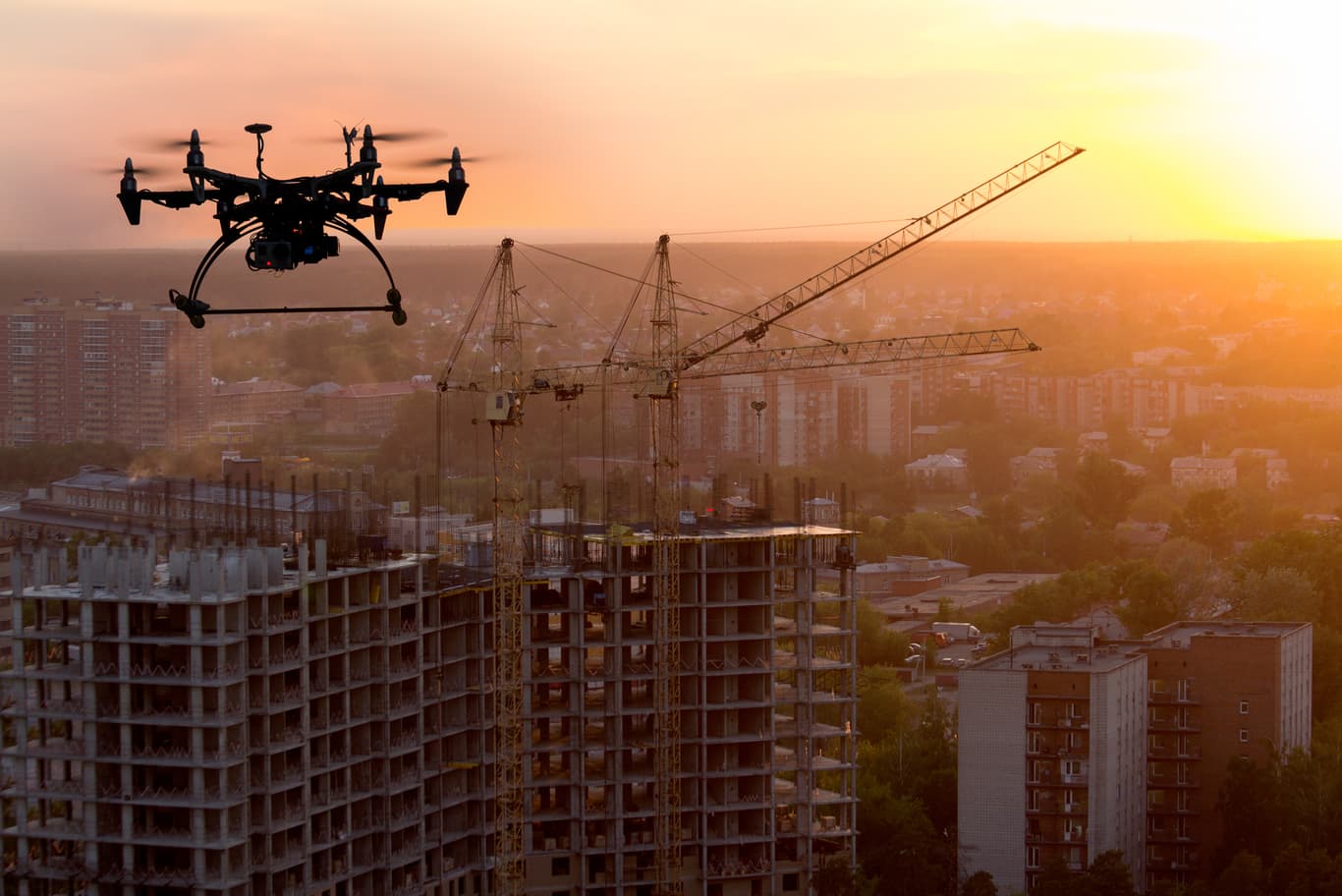
Machine learning models trained on thousands of construction images can spot defects that the human eye misses during a routine walkthrough — hairline cracks in freshly poured concrete, rebar spacing that deviates from the approved drawings, formwork that has shifted under load. The system compares what it sees against the BIM model and flags anything that falls outside tolerance.
On the Elite Villa project in Dubai Hills — a 12,500 sq ft build with complex structural elements, custom millwork, and integrated smart home systems — the margin for error on finishes and installations was extremely tight. AI-assisted quality checks at each construction phase catch the kind of micro-deviations that only show up months later as cracking, warping, or misalignment if left unaddressed.
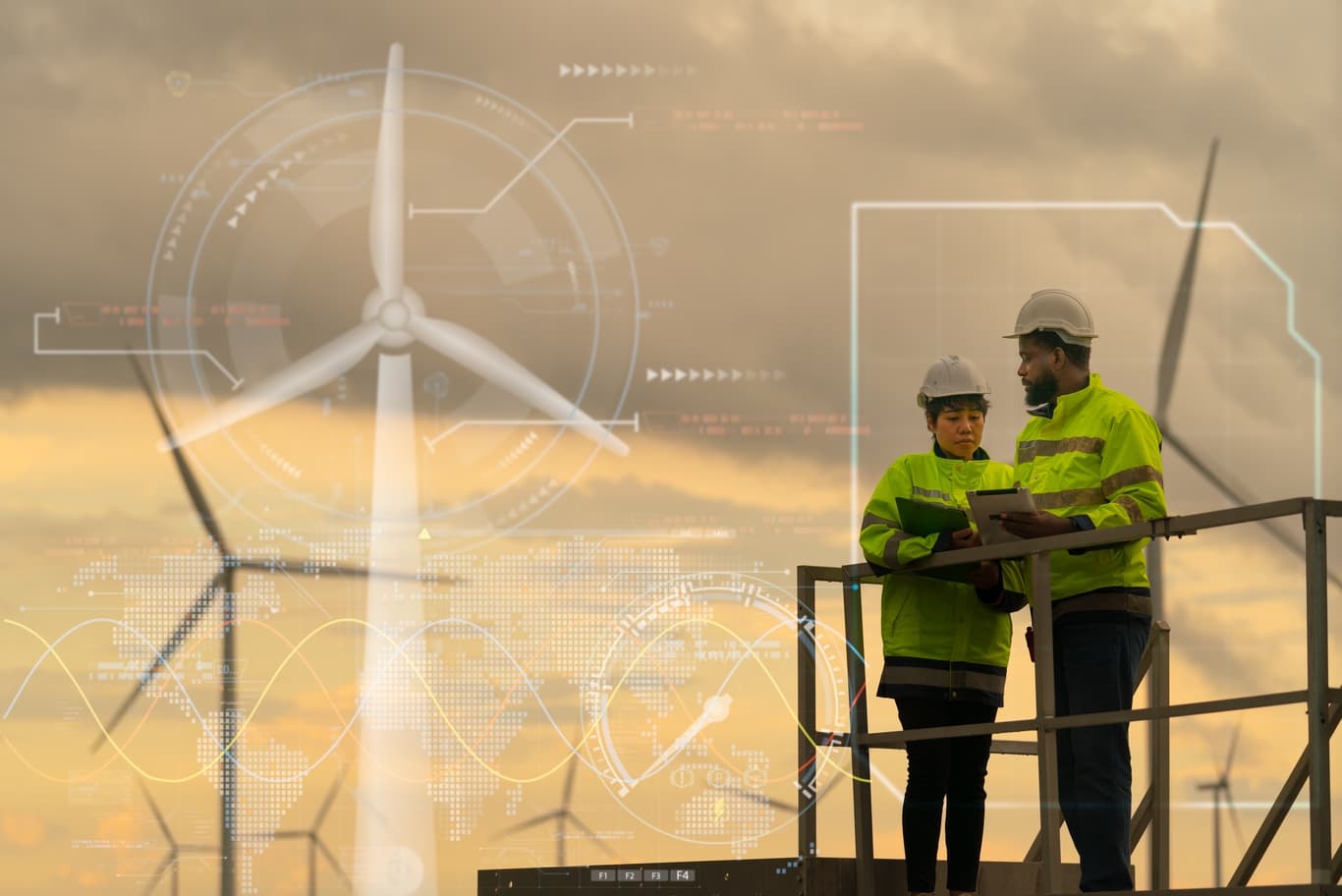
4. Drone Surveying: 3D Terrain Models in Hours, Not Weeks
Before a single foundation is poured, you need an accurate picture of the site. Traditional ground surveys involve a team of two to three surveyors, total station equipment, and anywhere from three to five days of fieldwork for a medium-sized plot.
A drone equipped with LiDAR or photogrammetry sensors does the same job in a few hours. It captures thousands of geo-tagged images, and processing software stitches them into a georeferenced 3D terrain model accurate to within centimetres. That model feeds directly into design and planning software, giving architects and engineers a precise baseline to work from.
The speed difference matters in Dubai, where land parcels change hands fast and developers want construction to start as soon as approvals clear. One well-documented UAE case involved a drone fleet surveying 22 separate plots across a three-square-kilometre residential zone. The entire operation — flight, data capture, and processed output — took five hours. A ground crew would have spent weeks on the same scope.
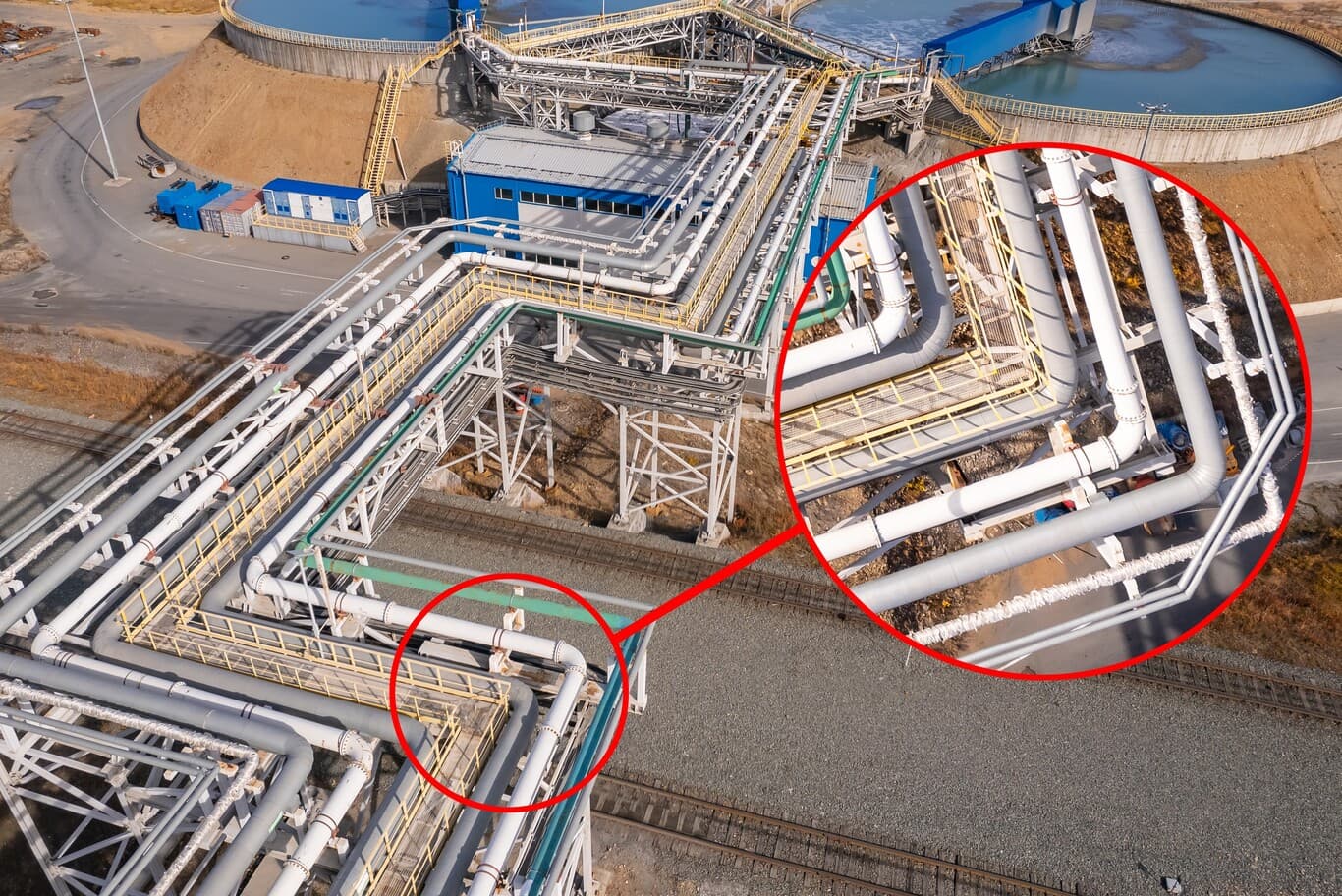
5. Aerial Progress Tracking That Keeps Every Stakeholder Aligned
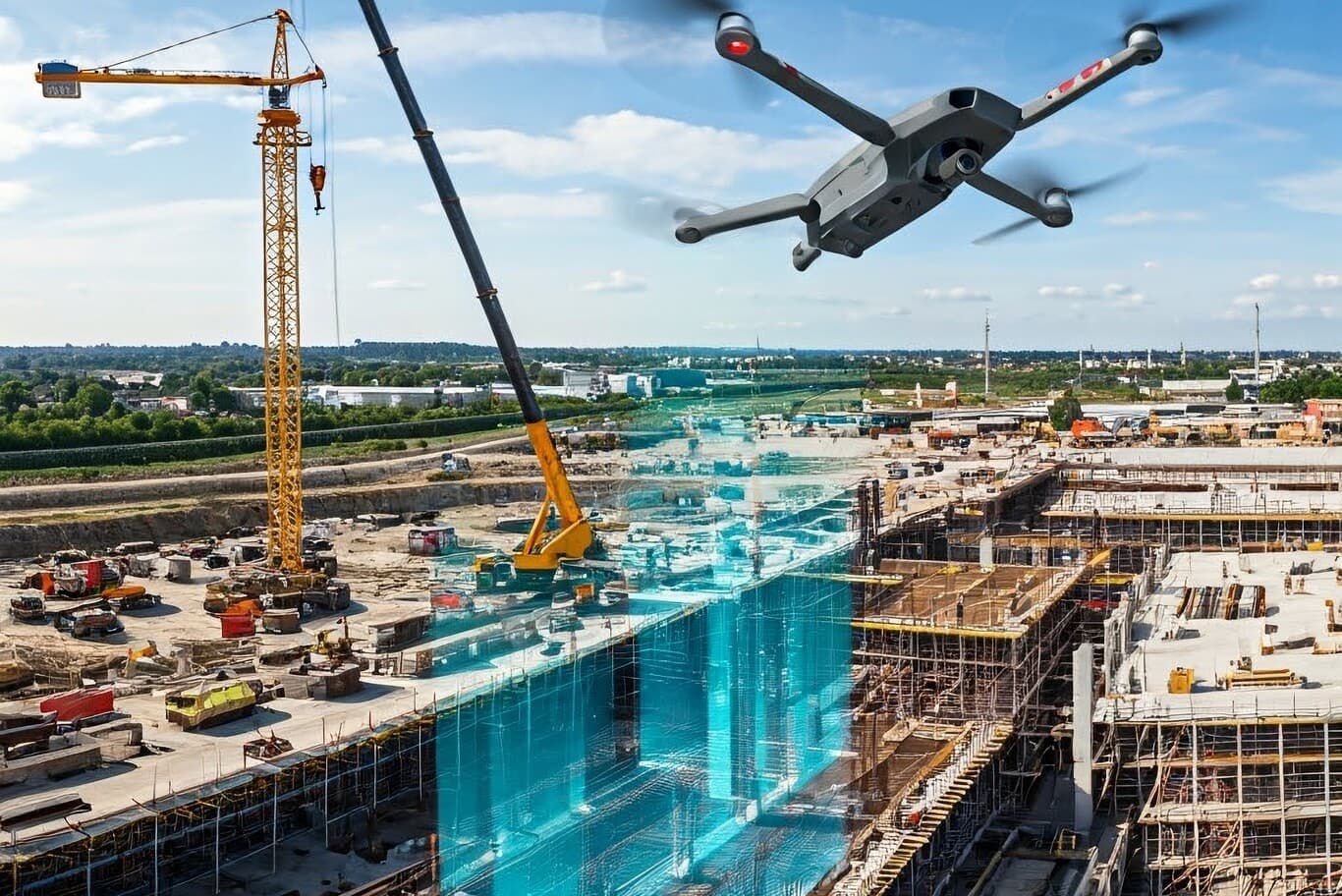
Weekly or biweekly drone flights over an active construction site capture high-resolution aerial imagery that software assembles into orthomosaic maps and 3D point clouds. Project managers overlay these against the BIM model to compare as-built conditions with approved drawings — automatically, not manually.
The result is a visual, data-backed progress report generated in hours. It shows which zones are on schedule, which are behind, and where the deviation started. When a subcontractor claims 80% completion on a concrete package, the drone data either confirms it or proves otherwise. That removes ambiguity from progress payments and eliminates the back-and-forth arguments that slow down every project.
This capability was directly relevant on Capital Associated's multi-site work with Meat Moot. Managing restaurant construction across three Dubai locations simultaneously — JBR, City Walk, and Al Khawaneej — demands consistent, verifiable documentation of progress at each site. Drone-based tracking provides exactly that: time-stamped, visual, and impossible to dispute.
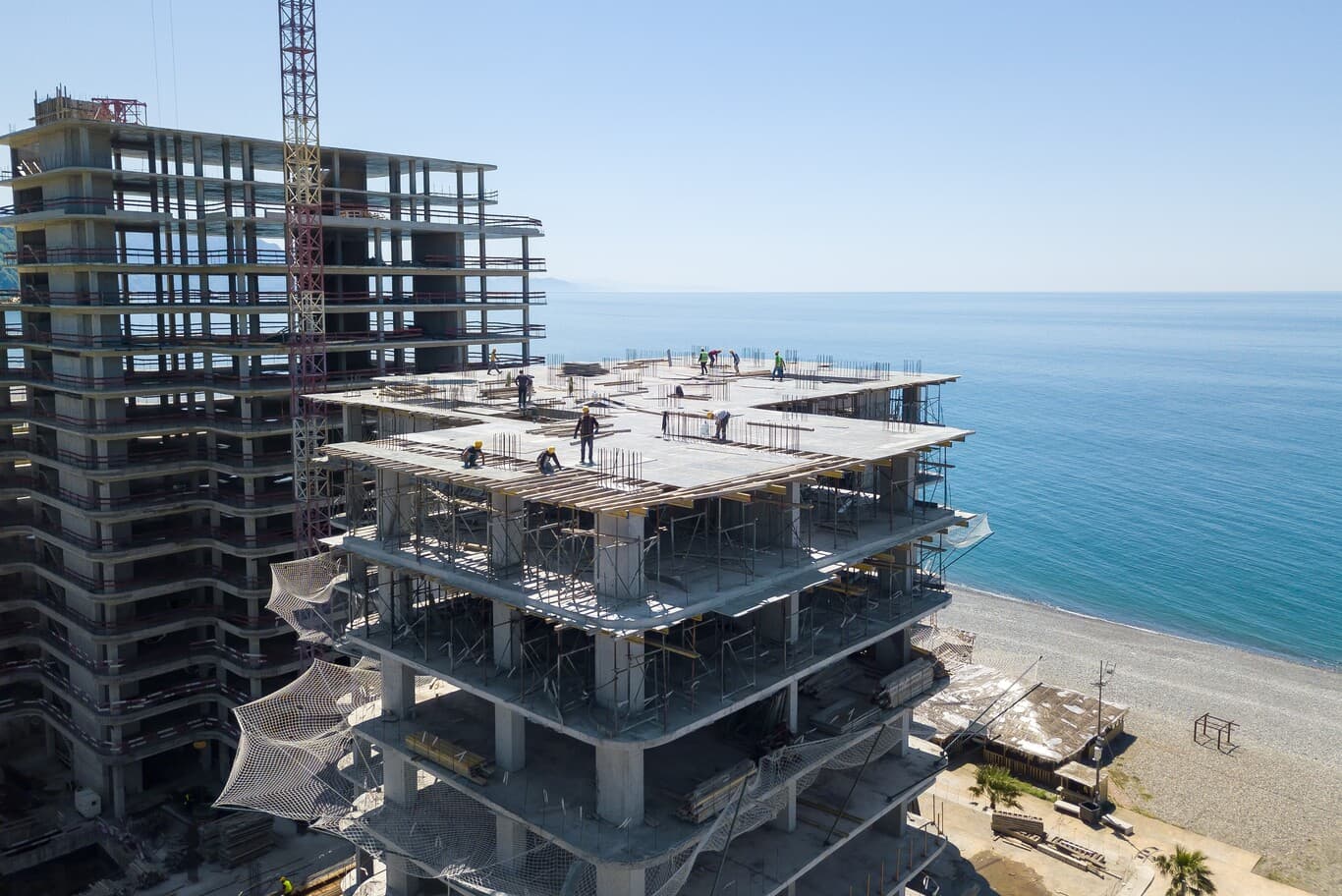
6. Hard-to-Reach Inspections Without Putting Workers at Risk
Inspecting the top of a partially completed high-rise, the underside of a bridge deck, or the interior of a deep excavation pit traditionally means sending a person into a high-risk zone. That creates liability, requires additional safety measures, and costs time.
Drones eliminate that exposure. A UAV fitted with a high-resolution camera and thermal sensor can inspect a crane boom, a façade element, or a rooftop waterproofing membrane in minutes, capturing imagery detailed enough to identify corrosion, cracking, or installation defects. No scaffolding, no rope access, no confined space entry permits.
The aerial perspective also reveals site-level problems that are invisible from the ground — blocked emergency access routes, improperly stored flammable materials, standing water in excavations, and missing edge protection. These are the issues that lead to Civil Defence stop-work orders when they go unnoticed.
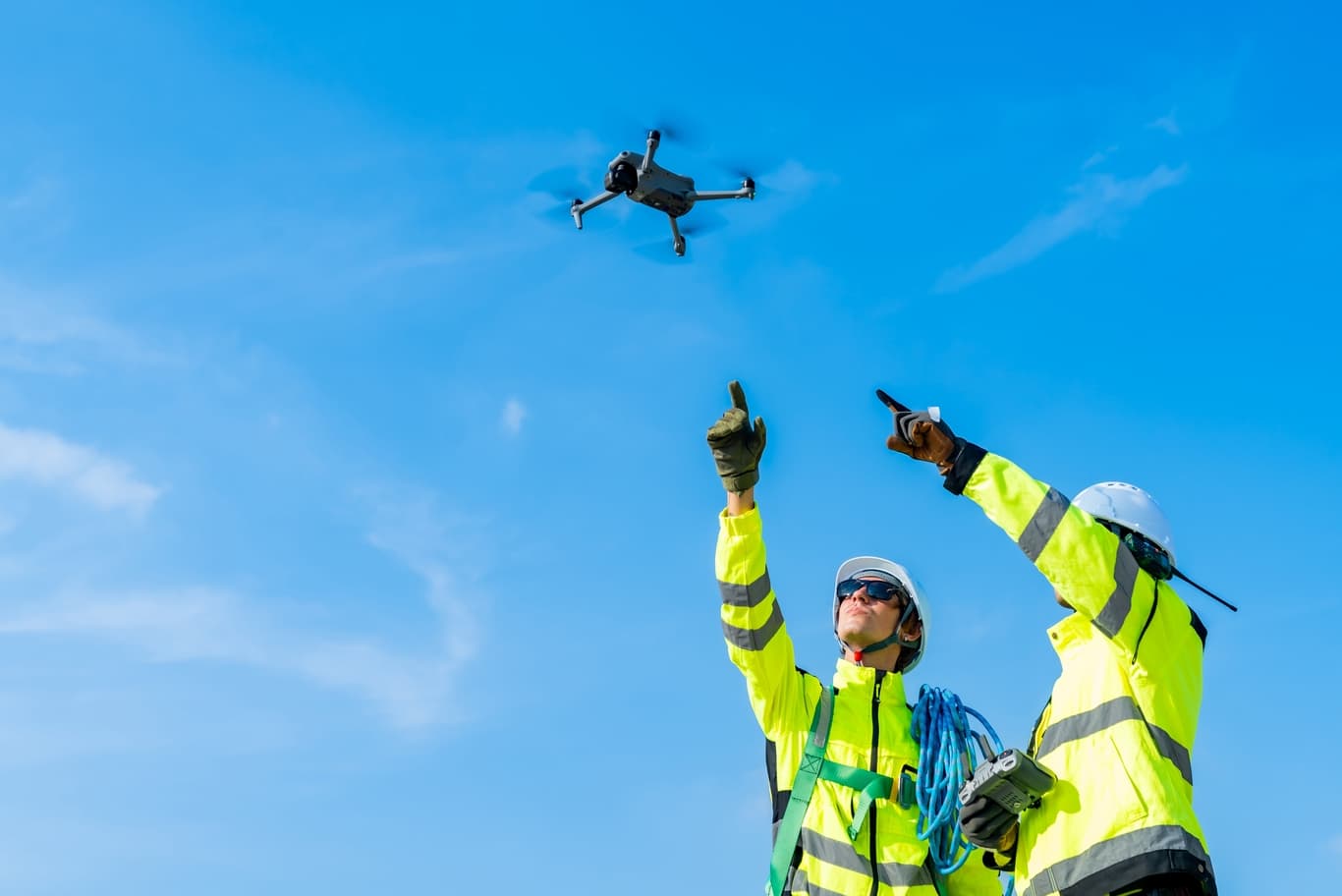
7. Material Volume Tracking and Procurement Accuracy
One of the quieter benefits of drone technology is volumetric measurement. A drone survey of a material stockpile — aggregate, sand, excavated soil, backfill — produces volume calculations accurate to within two to three percent. Compare that against purchase orders and delivery receipts, and you know exactly whether your quantities match.
This feeds directly into procurement planning. If the AI scheduling model shows the next concrete pour requires 400 cubic metres of aggregate and the drone survey shows 280 cubic metres on site, the procurement team has a clear, data-driven signal to place an order — not an estimate from a site foreman eyeballing a pile.
Over-ordering is one of the most common sources of waste on UAE construction sites. Stockpile monitoring with drones tightens that gap and keeps material costs closer to budget.

8. Digital Twins: A Live Replica of Your Construction Site
A digital twin is a real-time digital copy of the physical site, built from drone data, IoT sensor feeds, and the project's BIM model. It updates continuously as new data flows in, giving project teams a live, navigable 3D environment where they can check progress, simulate construction sequences, and identify problems before they reach the field.
The practical value is in clash detection and trade coordination. On a project like the Tilal Al Ghaf residential interior fit-out — 4,200 sq ft of premium finishes, custom millwork, and full smart home integration — MEP, structural, and fit-out trades all operate in the same confined space. A digital twin lets the project team sequence their work virtually before committing to it physically. If the HVAC ducting route conflicts with the planned ceiling detail, the twin catches it before anyone cuts a single piece of drywall.
Dubai Municipality and Expo City Dubai signed an MoU in December 2025 to create a regional construction technology hub focused on BIM, digital twins, IoT, and AI platforms — a clear signal that the government sees this technology as central to the future of building in the Emirates.

9. The Closed-Loop Workflow: Flight to Report in Hours
None of these tools deliver full value in isolation. The real operational gain comes when drone data, AI analytics, and BIM models operate as a single connected system.
Here is what that looks like in practice: a drone flies the site every Monday. AI software processes the captured images into an updated 3D model within hours. The software compares the new model against the BIM baseline, quantifies progress by zone, and generates an automated report. That report flags areas behind schedule, zones with quality deviations, and safety concerns requiring immediate attention — all without a single person manually compiling data from site walks, contractor updates, and photo logs.
The speed of this cycle is the point. A construction project management team that gets accurate, verified site data every week operates differently from one that relies on monthly manual reports. Decisions happen faster. Problems get smaller. Costs stay closer to budget.
10. The Commercial Reality for UAE Contractors
The global smart construction drone market hit USD 3.77 billion in 2025, growing at 14.2% annually. The Middle East BIM market is expanding at 7.6% per year. Dubai Municipality has mandated BIM for buildings over 40 floors. The signals are not subtle — the industry is moving, and the UAE is moving faster than most.
But the adoption case is not about following trends. It is about margins. Construction delays remain the most expensive recurring problem in the industry. Rework from undetected defects eats into profit. Safety incidents create legal exposure and project shutdowns. Every one of these problems shrinks when accurate site data arrives weekly instead of monthly, and when AI spots patterns that a busy project manager running three sites cannot.
The cost of entry has dropped sharply. Drone hardware, AI analytics subscriptions, and operator training are now accessible to mid-sized contracting firms — not just the tier-one companies working on billion-dirham infrastructure. A contractor managing a villa build and a contractor overseeing a tower project both gain measurable returns from the same toolkit: aerial documentation, automated defect detection, and data-backed scheduling.
As construction methods continue to advance, the gap between firms using these tools and firms still relying on manual processes will keep widening. Developers in Dubai already expect digital progress reporting, verified drone imagery, and data-driven construction site monitoring as part of the standard service. The contractors who deliver that will win the next round of projects. The ones who do not will lose them to someone who does.
Ready to Build Smarter?
Capital Associated manages construction across Dubai — from the 12,500 sq ft Elite Villa in Dubai Hills to the Meat Moot restaurant portfolio along the JBR waterfront. Our project teams combine field experience with the data-driven oversight that serious builds demand.
Want to talk about smart construction technology for your next project? Get in touch for a tech consultation — no pitch, just a practical conversation about what works.
Frequently Asked Questions
1- Do drones require permits on UAE construction sites? Yes. Commercial drone flights in the UAE need approval from the General Civil Aviation Authority (GCAA), plus flight plans and airspace clearance from local authorities. Most contractors hire licensed UAV operators who handle the full permitting process for each site.
2- Can AI actually predict delays, or is it just forecasting? AI scheduling tools produce probability-based forecasts grounded in real project data — trade durations, weather, procurement timelines, subcontractor history. They will not tell you a delay will happen with certainty, but they flag high-risk phases early enough for the project team to intervene before the problem materialises.
3- Is this technology only practical for mega-projects? No. The cost of drone hardware and AI software has dropped enough that mid-sized builds — villa construction, commercial fit-outs, multi-unit residential — see measurable returns. Any project where accurate progress data and early defect detection save time and money benefits from these tools.
4- Do drones replace site inspections entirely? They reduce the frequency and scope of manual inspections significantly, but they do not eliminate them. Ground-level checks are still required for tactile assessments — material finishes, connection quality, concealed work. Drones and AI work best alongside experienced site teams, not instead of them.
5- Does AI quality control integrate with BIM? Yes. AI systems overlay drone imagery and point cloud data against the BIM model to flag deviations — dimensional errors, misaligned elements, missing components — automatically. Teams fix issues early instead of discovering them during snagging or handover.
6- Is the UAE construction industry actually adopting this? Rapidly. Dubai Municipality mandated BIM for large projects. The government signed an MoU with Expo City Dubai in late 2025 to build a regional construction technology hub. The UAE market is projected to reach over USD 52 billion by 2030, and contractors investing in AI and drone capability are the ones winning the bigger, more complex jobs.