
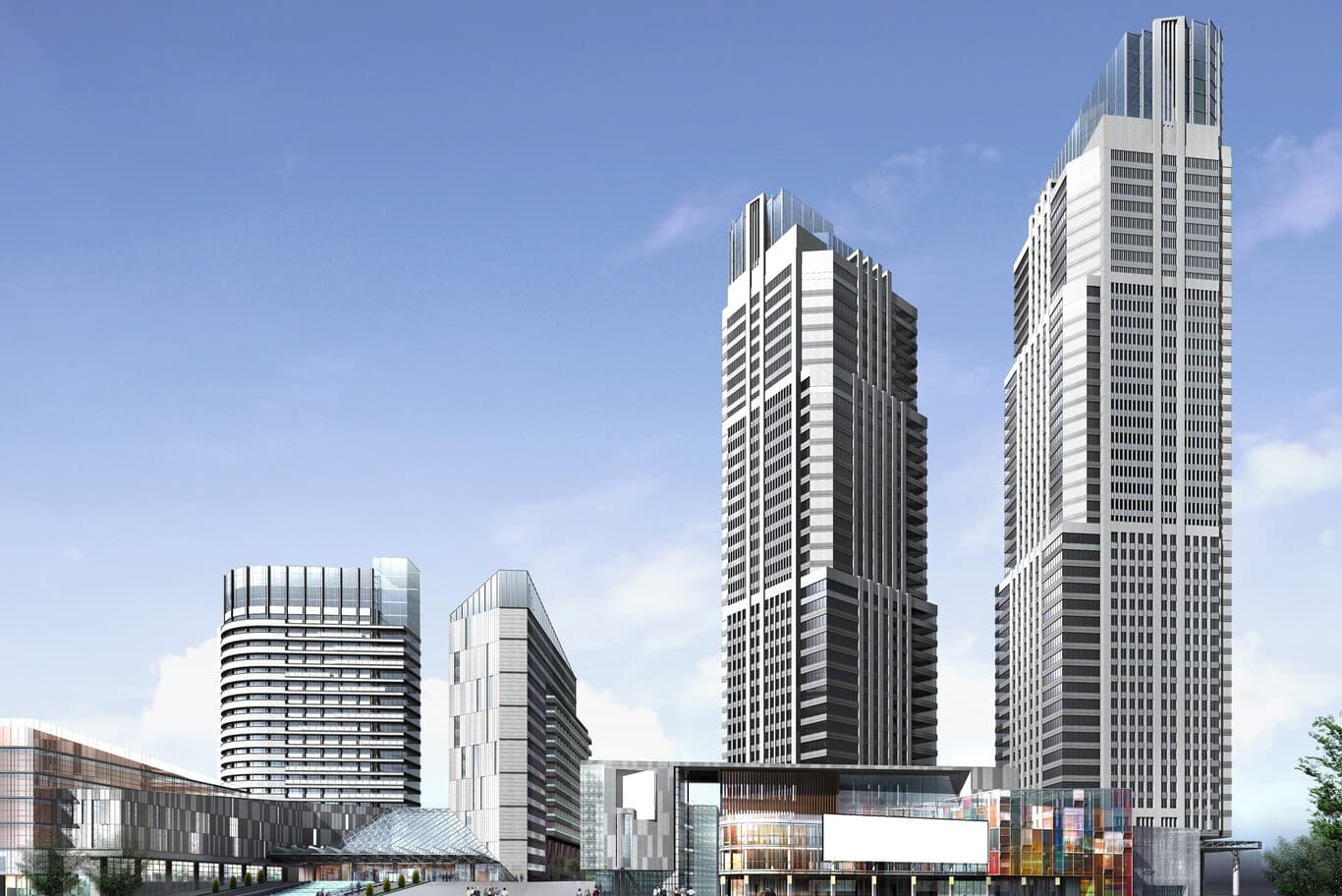
Dubai skyline towers rise on a foundation of sequencing discipline, structural engineering, and regulatory command. Here is how a general contractor turns a vertical development into a certified, occupied building.
Dubai holds one of the densest concentrations of tall buildings on Earth, crowned by the 828-metre Burj Khalifa. Behind every silhouette on the skyline sits a general contractor who has translated a set of drawings into a standing, certified, occupied tower. Vertical delivery rewards contractors who plan the ascent as carefully as the structure itself, because a high-rise programme compounds every decision: a choice made at foundation level echoes through forty floors of repetition.
For developers weighing who should lead a multi-family tower, a DIFC office headquarters, or a mixed-use landmark, the value of a seasoned high-rise builder lies in command over four things at once — structure, logistics, regulatory approval, and cost. The sections below walk through how a general contractor holds all four together, from the first geotechnical borehole to the final completion certificate.
What Counts as a High-Rise in Dubai
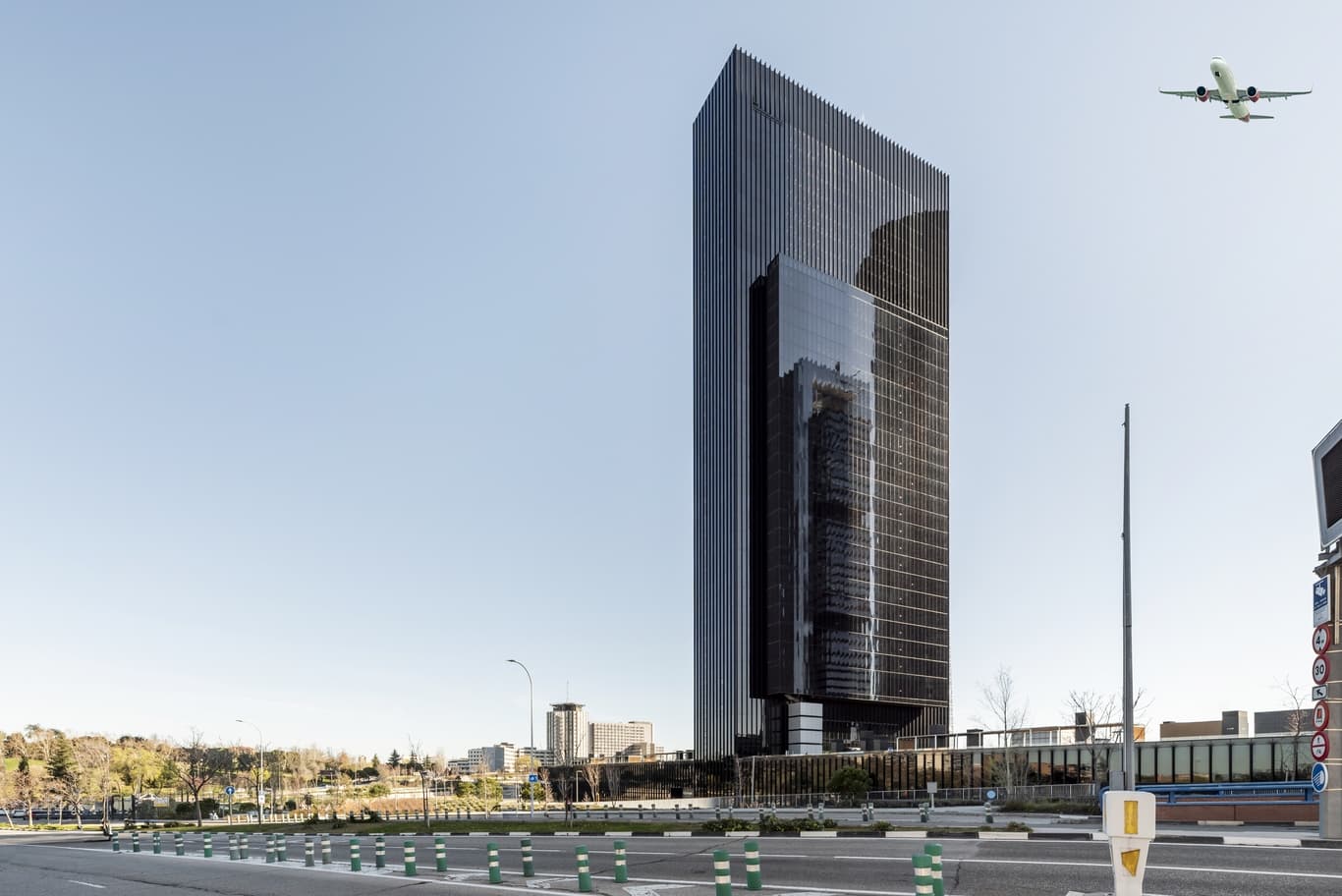
Height changes the rulebook. Under the UAE Fire and Life Safety Code of Practice, buildings above 23 metres fall into the high-rise category, and the 2017 edition introduced a distinct "super-high-rise" classification for structures taller than 90 metres. Crossing that 90-metre threshold triggers a heavier set of obligations: enhanced emergency vehicular access, dedicated firefighting lift lobbies, and additional provisions for evacuation and smoke management.
A general contractor reads those thresholds early, because they shape the entire build. The taller the tower, the more the contractor must engineer around gravity, wind, fire strategy, and the simple physics of moving people and materials hundreds of metres into the air. Recognising where a project sits on that spectrum defines the crane strategy, the concrete mix design, and the sequence of approvals to come.
Pre-Construction: Winning the Tower Below Ground
A high-rise succeeds or struggles on decisions made before the first slab pours. The contractor's pre-construction work concentrates the greatest leverage, and Dubai's ground conditions demand it.
The starting point is a thorough geotechnical investigation. Dubai sits on variable calcareous sandstone, gypsum-bearing layers, and a high, saline water table close to the coast. Boreholes and lab testing tell the contractor how deep to found the tower, what bearing capacity the ground offers, and how aggressive the groundwater will be toward concrete and steel. Armed with that data, the design team selects a foundation system — commonly a piled raft that combines bored cast-in-situ piles with a thick reinforced mat to spread and transfer the immense vertical loads of a tall tower into competent strata.
Site preparation follows: shoring and dewatering to hold back groundwater during excavation, then piling rigs boring dozens of foundation elements to depths that can exceed 40 metres on the tallest structures. A general contractor who has run these operations before sequences them tightly, because every rig-day and every cubic metre of concrete carries a cost. Developers gain a clearer view of the whole pre-construction stage in the guide on how the general contractor's role expands on complex builds.
Permitting runs in parallel. The contractor assembles and submits the approval package that clears the project to break ground, coordinating Dubai Municipality, Dubai Civil Defence, DEWA, and — inside master-planned districts — the relevant free-zone authority. A methodical walk through the Dubai building permit process shows how these approvals stack, and how early submission keeps the mobilisation date secure.
Structure: Cores, Columns, and Post-Tensioned Slabs
The structural frame of a Dubai tower typically pairs a reinforced-concrete central core with perimeter columns and floor plates that repeat, storey after storey. The core carries lateral loads from wind and houses the lifts, stairs, and service risers; the columns and slabs carry gravity. Getting this frame right, then repeating it with precision, defines the rhythm of the whole build.
Post-tensioned slabs sit at the heart of that rhythm. By threading high-strength steel tendons through the slab and stressing them after the concrete cures, engineers achieve longer clear spans, thinner floor plates, and fewer internal columns — which gives developers more usable, leasable area on every floor. For the contractor, post-tensioning demands tight control: accurate tendon placement, correct stressing sequence, and disciplined curing in Dubai's heat. Each floor becomes a repeatable cycle, and shaving even a day off that cycle across fifty storeys yields weeks of programme.
The core often leads the structure, climbing ahead of the floor plates using jump-form or slip-form systems that ratchet upward as concrete gains strength. Floor plates then chase the core level by level. Coordinating that vertical choreography — core ahead, slabs behind, columns tying them together — is where a general contractor earns confidence. The broader discipline of holding a complex frame together appears in the overview of managing large-scale projects efficiently.
Engineering the Tower Against Wind
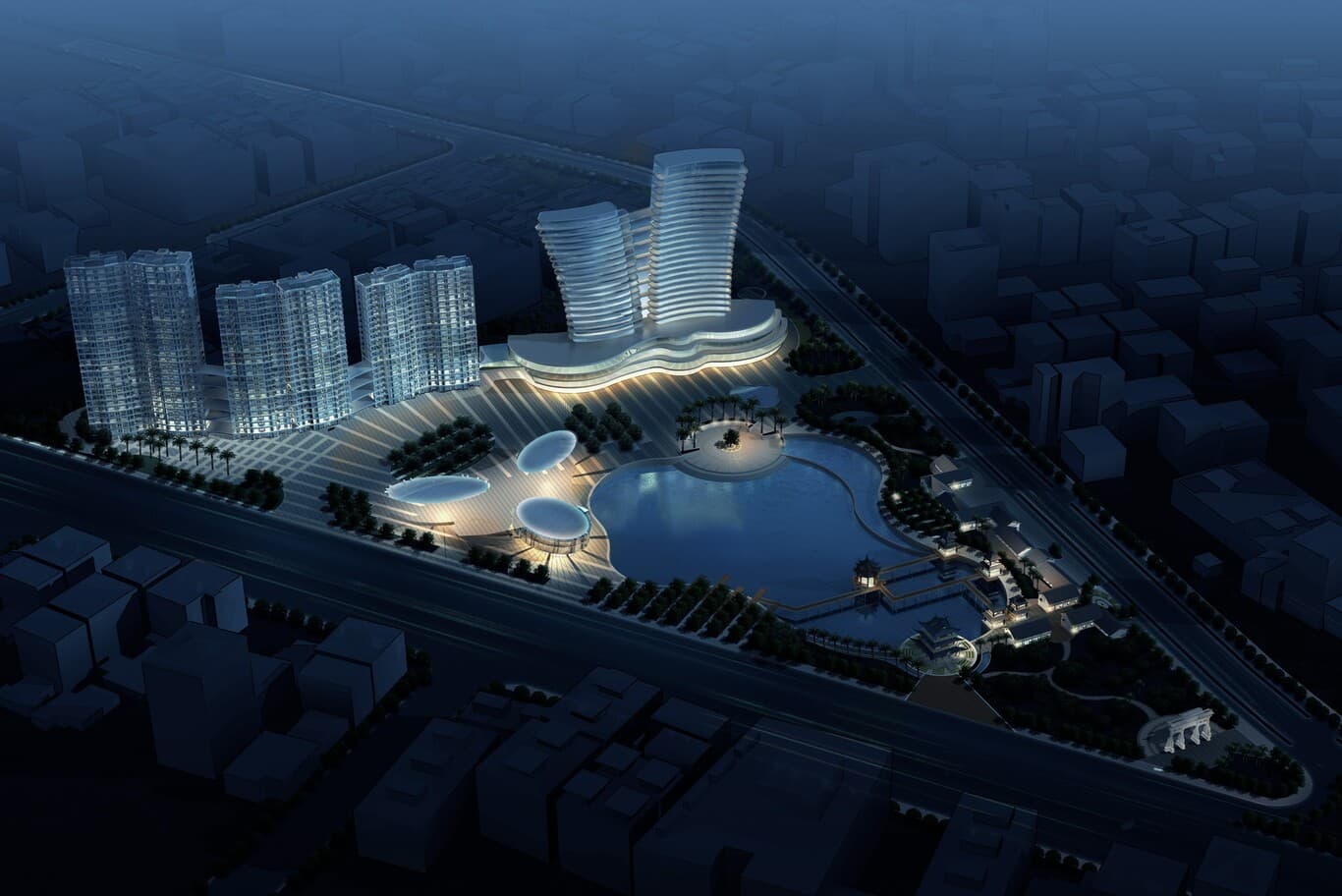
Height invites the wind, and a tall Dubai tower must answer it. As a building climbs, lateral wind loads grow and the structure's tendency to sway increases, so engineers shape both the form and the frame to keep motion within comfortable, safe limits. Aerodynamic massing — setbacks, tapering, rounded corners, and rotated floor plates — helps the wind slip past the tower rather than push against it, a principle refined on Dubai's tallest structures through wind-tunnel testing of scale models before construction begins.
The frame carries the rest. A stiff reinforced-concrete core, sometimes braced by outrigger arms that reach out to perimeter columns at plant or refuge levels, gives the tower the rigidity to resist sway. The tallest towers add tuned mass dampers near the summit to absorb residual movement and keep upper-floor occupants comfortable in high wind. A general contractor builds these systems to fine tolerances, because the wind engineering that keeps a tower steady depends on the frame being constructed exactly as designed. Command of that precision reflects the same discipline that governs the whole vertical programme.
Vertical Ascent Management: Moving Concrete, Steel, and People Skyward
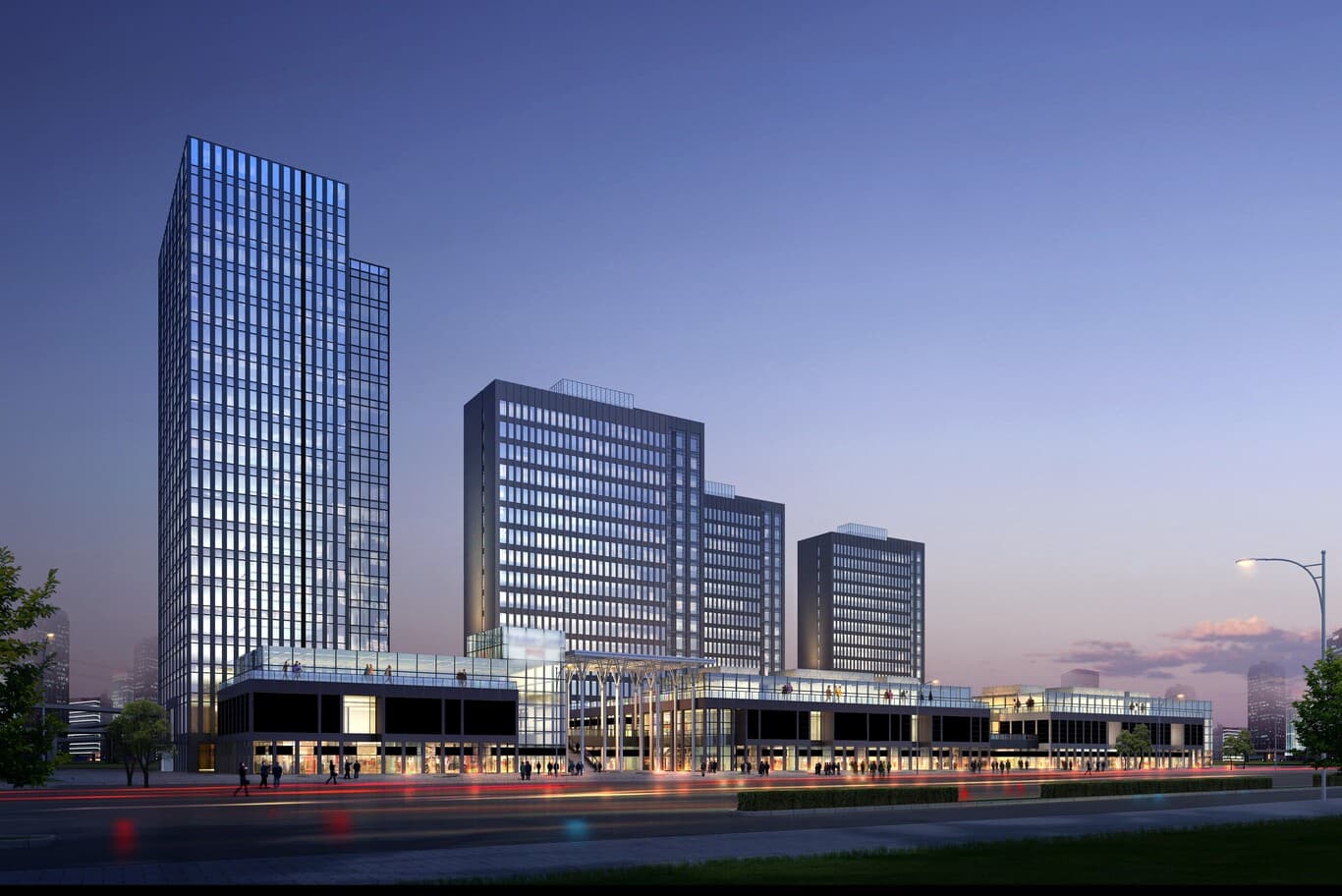
Once a tower climbs past a dozen storeys, the central challenge shifts from building to logistics. Everything — wet concrete, reinforcement, formwork, cladding panels, and the workforce — must travel hundreds of metres vertically, on schedule, in temperatures that routinely exceed 40°C in summer. Vertical ascent management is the discipline that keeps that flow moving, and it separates practised high-rise contractors from the rest.
Concrete leads the list. High-rise pours rely on high-pressure trailer pumps pushing specially designed mixes up static delivery lines to the working deck — a technique perfected on Dubai's supertall projects, where concrete has been pumped past 600 metres in a single stage. The mix itself is engineered for pumpability, controlled setting time in the heat, and the strength the structure demands. Contractors often schedule the biggest pours through the night, when cooler air improves concrete quality and the roads clear for a steady convoy of mixer trucks.
Tower cranes and construction hoists form the second pillar. One or more tower cranes, frequently climbing internally within the lift core, lift formwork, rebar, and cladding to each active level. External and internal hoists shuttle the workforce and finishing materials. A general contractor plans crane positions, hook-time allocation, and hoist capacity as a single system, because at height every lift competes for the same limited window, and idle trades cost money. The finer points of holding this many moving parts in balance carry through to the advanced techniques applied on high-profile projects.
Just-in-time delivery ties it together. Dubai's dense urban sites offer little room for laydown, so materials arrive close to the moment of installation. The contractor's logistics plan schedules deliveries against crane availability and pour windows, keeping the site clear and the ascent smooth.
MEP Coordination and Technical Risers
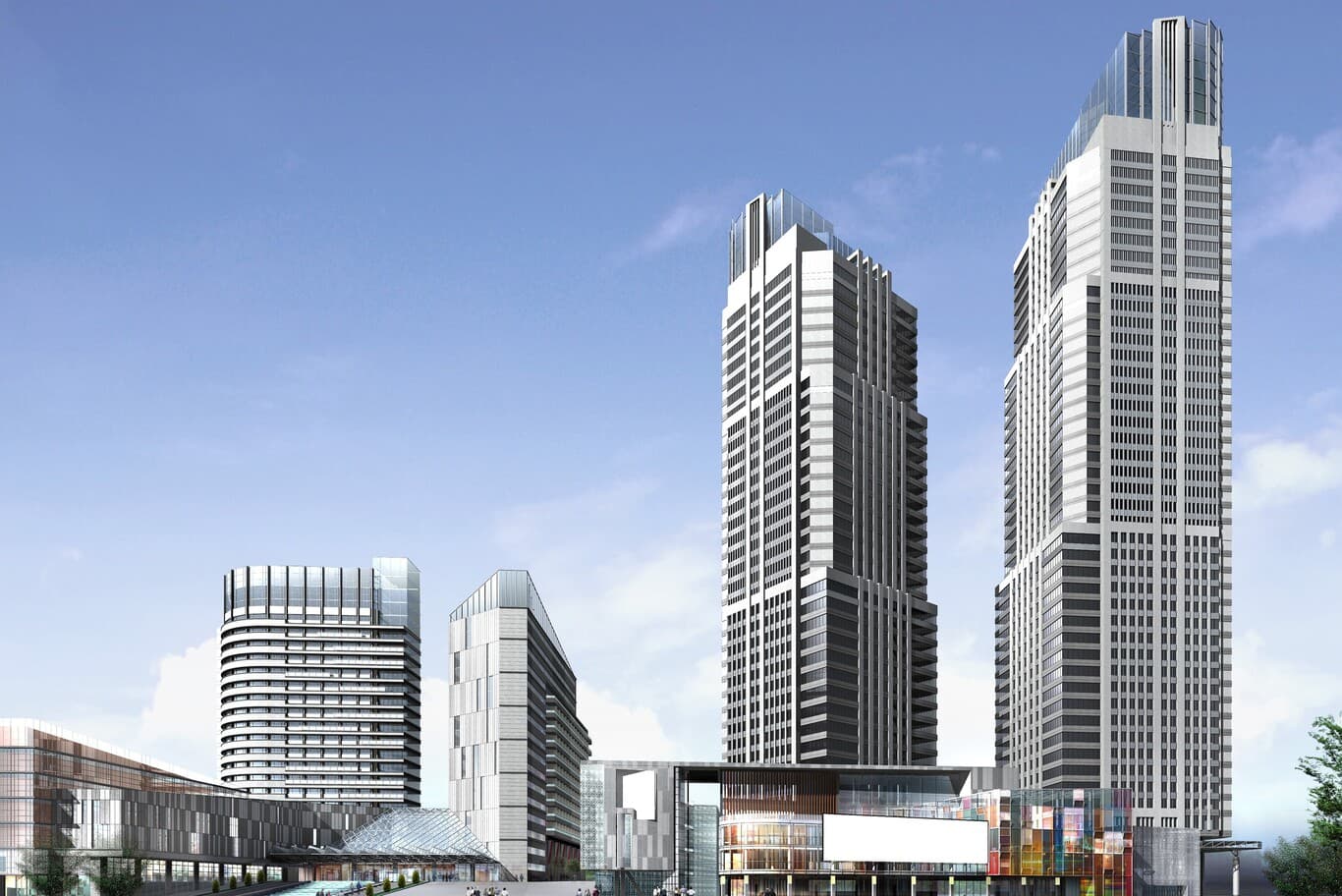
A tall tower is a vertical machine. Chilled water, fresh air, power, data, drainage, and firefighting services all travel up through the building in stacked technical risers, then branch out across each floor. Coordinating mechanical, electrical, and plumbing works with the structural frame ranks among the hardest parts of high-rise delivery, and a general contractor manages it through detailed spatial coordination — increasingly driven by BIM models that resolve clashes on screen before they surface on site.
Risers demand particular care. Because services stack through the full height of the building, an error at one level propagates upward. The contractor sets out riser shafts precisely during the structural phase, then sequences MEP installation to follow the frame closely enough to keep pace yet far enough behind to work safely. Larger towers introduce plant floors and, at height, refuge floors that double as service levels. Holding this interface steady across dozens of trades echoes the wider craft of coordinating subcontractors on major projects.
Where a tower mixes uses — retail podium, office floors, residences, and hospitality above — the MEP picture grows more intricate still, with separate systems and metering for each occupancy. The specialised approach that mixed-use height requires is explored in the piece on specialty works in mixed-use towers.
Regulatory Command: Municipality, Al Sa'fat, and Civil Defence
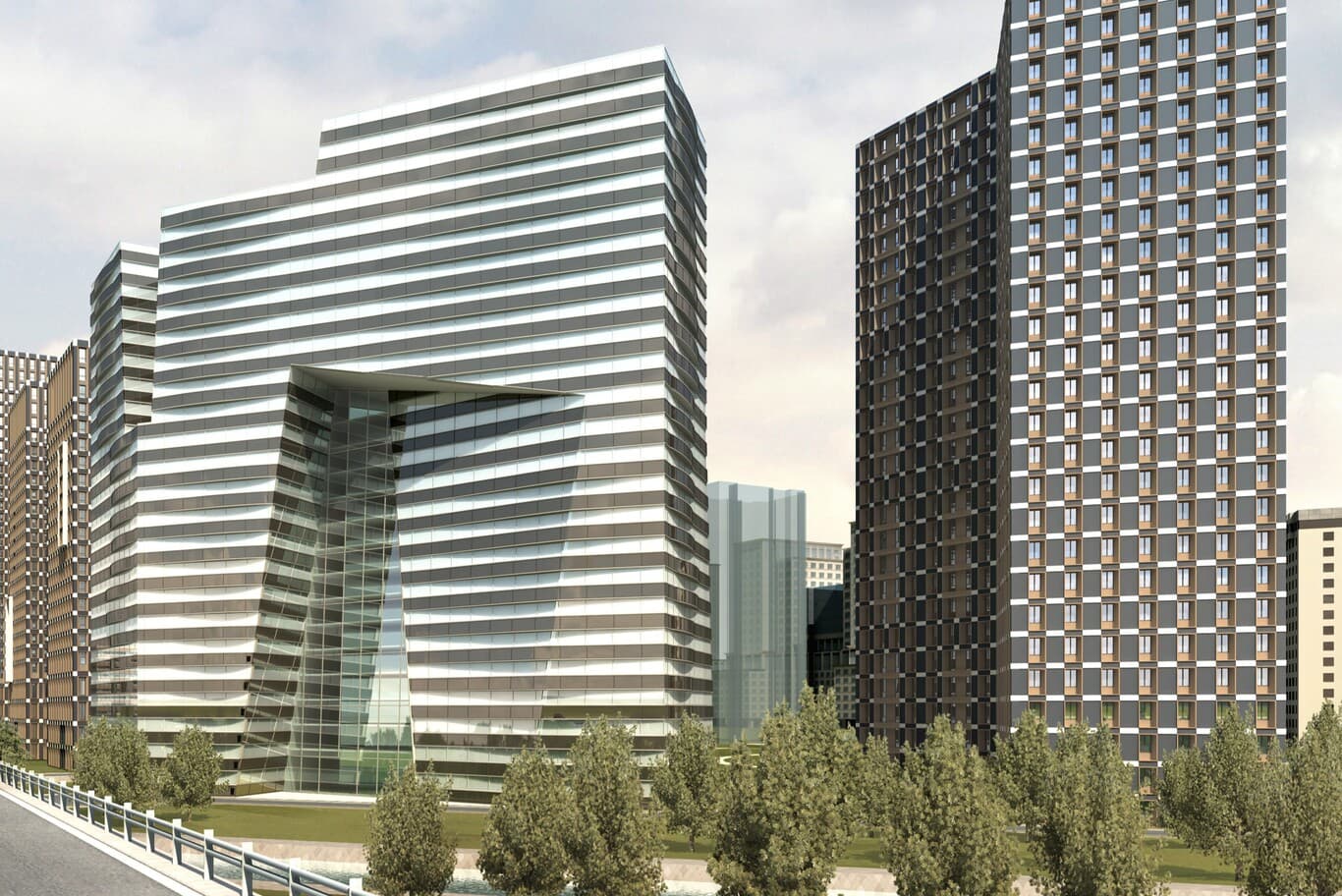
Regulatory fluency defines a credible high-rise contractor in Dubai, and three frameworks matter most.
Dubai Municipality building codes. Every tower answers to Dubai Municipality's building specifications and regulations, which govern structural design, materials, accessibility, and site works from permit through completion certificate. A contractor who delivers exactly what the code requires keeps the project moving through each inspection gate. The contractor-side obligations run deep, as the guide on municipality code compliance sets out in full.
Al Sa'fat green building system. Since Administrative Decree No. 154 of 2020, Dubai Municipality's Al Sa'fat system applies to all new buildings that require a permit, and every new development must achieve at least a Silver Sa'fa rating. Al Sa'fat scores a building across energy, water, materials, indoor environmental quality, and waste. For the contractor, compliance means sourcing rated materials, installing efficient systems, and documenting each measure — building permits and completion certificates depend on meeting these thresholds, so the contractor embeds Al Sa'fat requirements from mobilisation rather than treating them as a late add-on.
Dubai Civil Defence fire and life safety. The UAE Fire and Life Safety Code of Practice, enforced by Dubai Civil Defence, governs sprinklers, alarms, pressurised staircases, refuge floors, fire-rated compartmentation, and emergency egress. Facade materials receive special scrutiny: aluminium composite panel cladding of combustible type was prohibited under the Code from January 2017, and modern towers use non-combustible facade systems proven through full-scale assembly testing at the Emirates Safety Laboratory. Dubai Civil Defence issues the fire safety completion certificate that precedes occupancy, so the general contractor keeps fire strategy live throughout construction and delivers a facade and life-safety package that passes inspection the first time.
A contractor who commands all three frameworks protects the developer's programme, because each approval sits on the critical path to handover.
Programme, Sequencing, and Cost Control
High-rise delivery lives and dies by its programme. The repeating floor cycle sets the pace of the entire job, so the contractor optimises that cycle relentlessly — formwork, rebar, pour, cure, strike, climb — and then protects it from disruption. A tightly sequenced tower keeps crane time productive, trades flowing, and the completion date firm. The practical playbook for holding a programme on schedule applies with double force at height, where a single week's slip multiplies across every floor above.
Cost discipline runs alongside the programme. Concrete, reinforcement, cladding, and vertical transport represent the heaviest line items on a tower, and each responds to sequencing. Night pours, efficient crane cycles, and just-in-time delivery all convert directly into savings. A contractor who tracks committed cost against progress in real time gives the developer early warning and room to act — the methodology behind steady cost control on live sites applies from the first pour to the topping-out pour.
Layered over both sits active risk management: wind stoppages that idle cranes, concrete supply interruptions, approval timing, and the coordination density of stacked trades. The contractor identifies these exposures early and builds float and contingency where the tower needs it most.
Safety at Height
Working hundreds of metres above ground raises the stakes of every routine task. A general contractor running a high-rise operates a mature safety management system: perimeter screens that climb with the structure, controlled crane and hoist operations, fall-protection regimes, and heat-stress protocols calibrated to Dubai's summer, including the midday break mandated during the hottest months. Strong safety performance protects the workforce and the programme together, because an incident-free site keeps the ascent uninterrupted.
Commissioning and Handover
The final climb is quieter but exacting. As the structure tops out and finishes chase upward, the contractor moves into testing and commissioning — proving that lifts, HVAC, firefighting systems, and building management controls all perform to specification across the full height. Dubai Civil Defence and Dubai Municipality inspections confirm compliance, and the completion certificates they issue open the door to occupancy.
A disciplined close-out then carries the tower across the finish line: systematic snagging, defect resolution, and a clean transfer of documentation and warranties to the owner. The structured approach to snagging and handover turns a completed structure into a genuinely occupiable, operable building.
How Capital Associated Approaches Vertical Delivery
Capital Associated brings the four disciplines of high-rise construction — structure, logistics, regulatory command, and cost — under a single point of accountability. The general contracting services in Dubai delivered by the team cover the full arc of a tower: pre-construction planning and foundations, a repeatable structural cycle built around post-tensioned slabs and a leading core, coordinated MEP and riser installation, and a compliance path mapped to Dubai Municipality, Al Sa'fat, and Dubai Civil Defence from day one.
Developers benefit most when a builder plans the ascent with the same rigour as the design. Every choice — foundation type, crane strategy, pour scheduling, facade system — feeds a programme and a budget that stay firm through completion. That integrated command is the practical case for engaging an experienced high-rise team, and it starts with a building contracting company in Dubai whose track record matches the height and complexity of the tower ahead.
For projects where an owner wants a construction leader steering budget, programme, and risk on their behalf across the full build, dedicated construction management services in Dubai place a single experienced manager over the entire delivery. The wider discipline behind that oversight is set out in the guide on how project management drives construction success.
Building Up, with Confidence
A Dubai high-rise stands as the product of thousands of coordinated decisions, each one made in the right order, at the right height, to the right code. General contractors who master vertical delivery give developers a rare kind of certainty: a tower that rises on schedule, satisfies every inspection, and hands over ready to earn. For any developer planning a residential tower, an office headquarters, or a mixed-use landmark, that certainty begins with a builder who has already made the climb.
To discuss a high-rise development in Dubai, reach out to the Capital Associated team for a consultation on your project's structure, programme, and compliance path.