
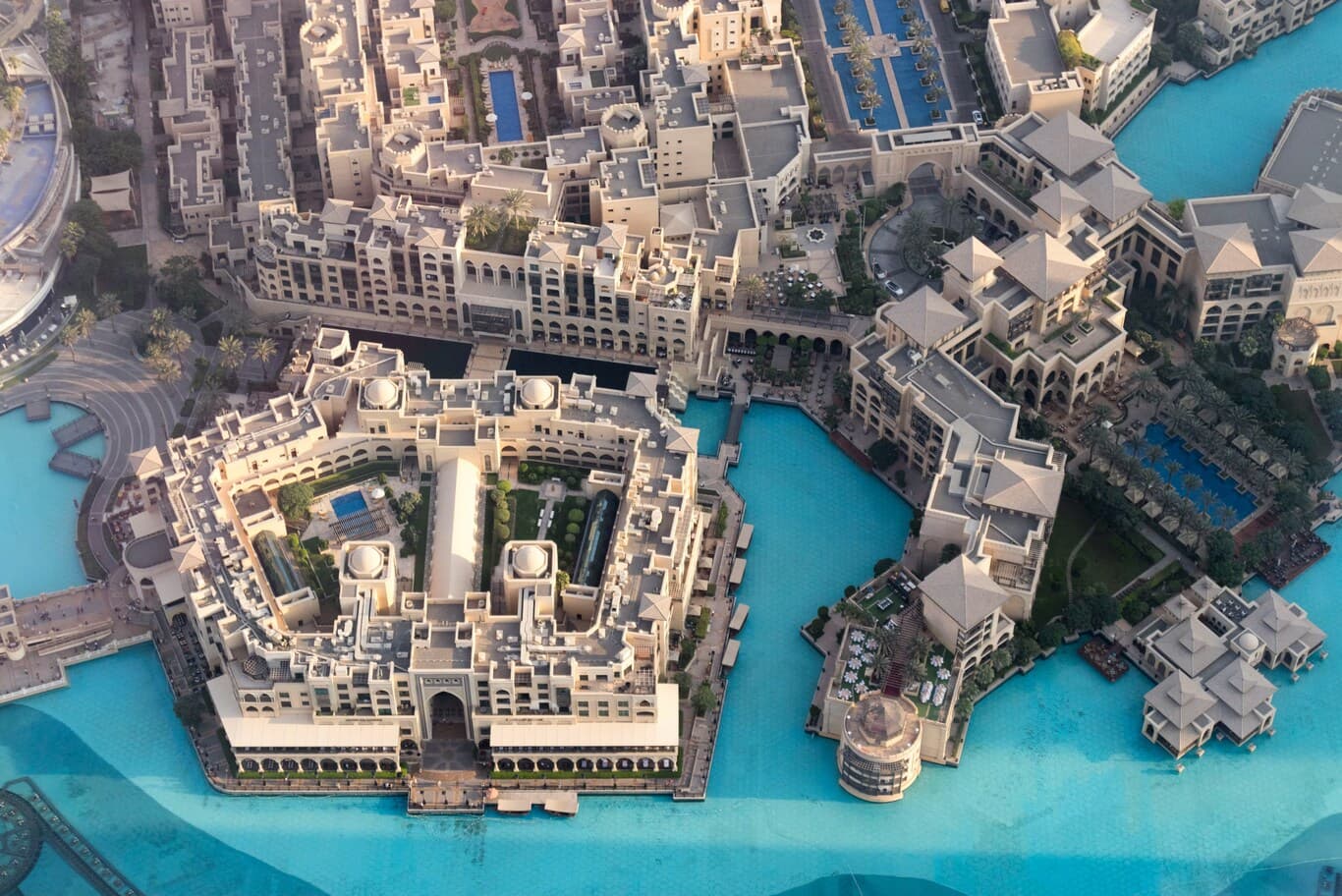
How design-build solves the MEP, scheduling, and accountability challenges unique to hotel and mixed-use construction in Dubai.
Hotel and mixed-use projects carry a level of coordination complexity that few other building types match. A single development might combine guest rooms, food and beverage outlets, retail units, residential components, spa and wellness facilities, parking, and back-of-house operations — each with its own MEP demands, regulatory touchpoints, and brand-driven design standards. Delivering that under a traditional design-bid-build structure, where the architect, engineer, and contractor operate under separate contracts and sequential handoffs, multiplies the points where miscommunication and delay can creep in. Design-build consolidates that responsibility under one team and one contract, and for hospitality and mixed-use projects specifically, that consolidation tends to matter more than it does on a simpler building type.
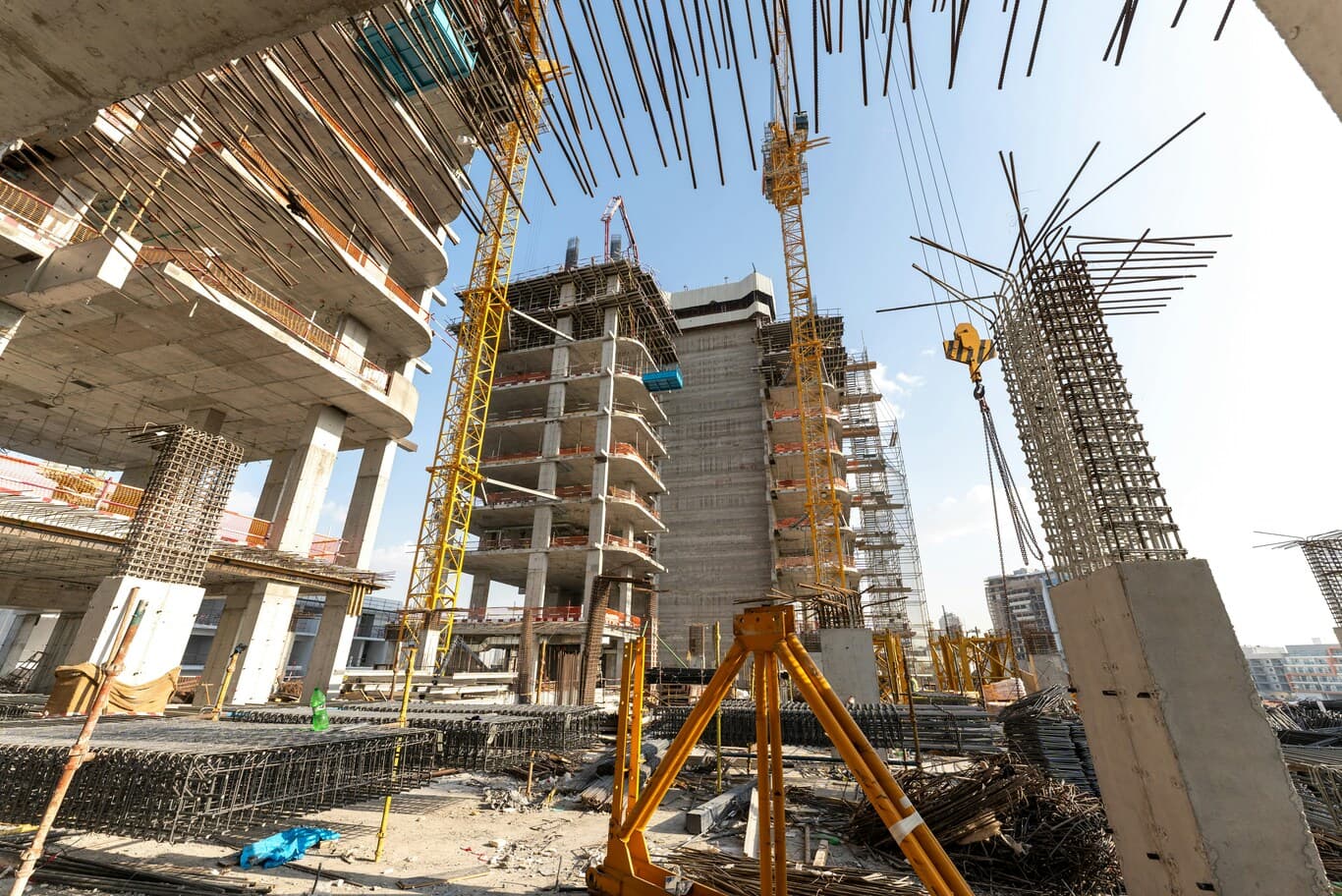
Why design-build fits hospitality and mixed-use projects particularly well
The single-contract model puts design and construction under one point of accountability from concept through handover. For a straightforward villa or a single-tenant commercial unit, the benefit of this is real but moderate — there's still coordination value, but the building program itself is relatively simple. Hotels and mixed-use developments are a different category of complexity. A hotel's guest room floors need to be replicated efficiently across dozens or hundreds of keys, while the ground floor and basement levels carry an entirely different set of MEP, structural, and code requirements to support kitchens, laundry, mechanical plant, and parking. A mixed-use tower compounds that further by stacking different occupancy types — residential, retail, hospitality — vertically within a single structure, each governed by different fire codes, different MEP loads, and often different design consultants if the project isn't unified under one delivery team.
Design-build addresses this by keeping architectural intent and engineering feasibility in constant conversation throughout design development, rather than discovering conflicts after drawings are finalized and handed to a separate contractor to price and build. When the same team controls both halves of that equation, decisions about structural grid spacing, MEP riser locations, and guest room module repetition get tested for buildability while they're still cheap to change, not after they've been locked into a bid package.
The MEP coordination challenge unique to hospitality
Hotels are among the most MEP-intensive building types in commercial construction, and the coordination burden this creates is one of the clearest illustrations of why design-build earns its premium on hospitality projects specifically. A hotel isn't a single-use building with uniform mechanical zones — it's dozens of occupancy types stacked together. Guest rooms need independently controlled temperature, fresh air, and lighting scenes. Commercial kitchens generate heavy grease exhaust and cooling loads. Laundry facilities draw significant water and power. Pools need dedicated filtration. Banquet and meeting spaces require flexible acoustic isolation and lighting control distinct from guest floors. Parking levels need separate ventilation and smoke extraction. Each of these zones runs on a different schedule, serves a different occupancy pattern, and answers to different code requirements — and in Dubai's climate, HVAC alone can account for more than half of a hotel's total energy consumption once it's operating.
This kind of mechanical sizing risk is well documented in Dubai hospitality construction — a widely cited example is the 4-star Radisson Hotel on Palm Jumeirah, a 3B+G+14 floor project spanning approximately 337,000 sq ft, where district cooling allocation against peak demand became a critical design consideration. The mechanical planning lessons from projects like this illustrate exactly the kind of cross-disciplinary risk a single delivery team is positioned to catch early, regardless of which contractor delivered the specific project.
This is the kind of technical decision a single delivery team working across design and construction is positioned to catch before it becomes a costly retrofit. Splitting design and construction responsibility across separate contracts makes this kind of cross-disciplinary catch structurally harder, since the consultant sizing the cooling allocation and the contractor pricing the installation aren't necessarily talking through the same risk register at the same point in the program.
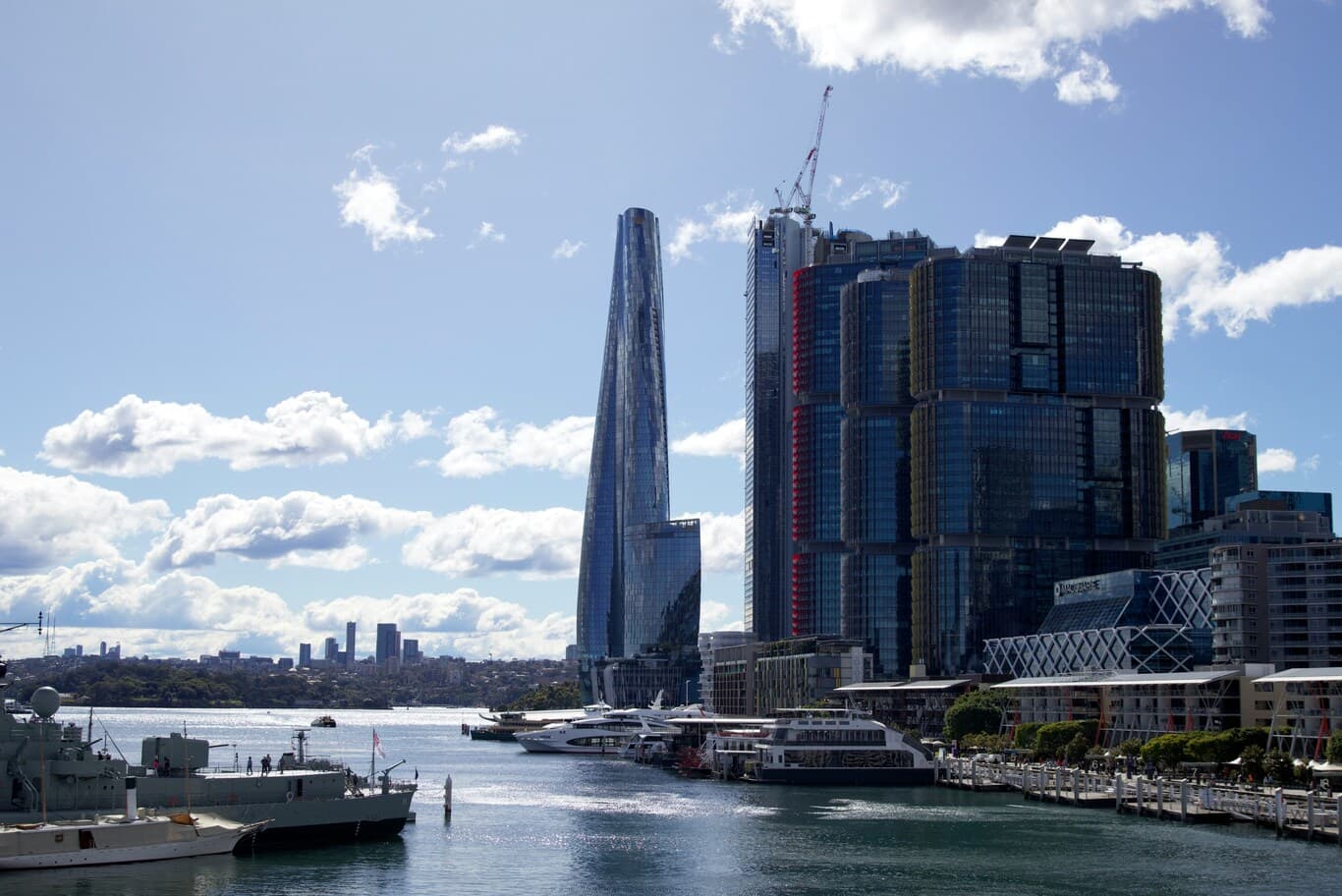
Single point of responsibility reduces a developer's exposure on complex builds
One of the most practical benefits of design-build on a hospitality or mixed-use project is what it does to liability and coordination risk. In a traditional delivery model, if a defect or delay traces back to a design error, the contractor and architect can each point to the other, and the developer is left mediating a dispute mid-construction. Under design-build, the single contracted entity carries that responsibility end to end. There's no design-versus-construction finger-pointing, because both sides answer to the same contract.
This matters disproportionately on hospitality projects because of how interconnected the design decisions are. A guest room layout decision affects MEP riser placement, which affects structural penetrations, which affects the floor plate efficiency across every repeated guest room above and below. On a mixed-use tower, a retail tenant's ceiling height requirement on a lower floor can constrain structural depth decisions that ripple up through the residential or hospitality floors above. These aren't isolated decisions that can be resolved cleanly in sequence — they need to be negotiated together, which is exactly what a unified design-build team is structured to do.
Speed to market matters more for hotels than almost any other asset class
Time carries a different weight on a hotel development than it does on most other construction projects. Every month a hotel isn't operating is a month of lost room revenue and continued interest carry on construction financing, without the offsetting income that a completed asset would generate. This dynamic is central to the time-to-market and financing pressure facing hotel developers, and it's one of the strongest arguments for design-build on hospitality projects specifically.
Design-build compresses the overall timeline by allowing construction to begin on early, finalized packages — foundations, structural frame — while design development continues on later-stage elements like interior finishes and FF&E coordination. In a traditional sequential model, construction can't start until the full design package is complete and has gone out to tender. On a 337,000 sq ft hospitality build with the floor count and MEP complexity of a project like the Radisson Palm Jumeirah, that sequential gap can represent months of lost time that a design-build delivery model is structured to compress.
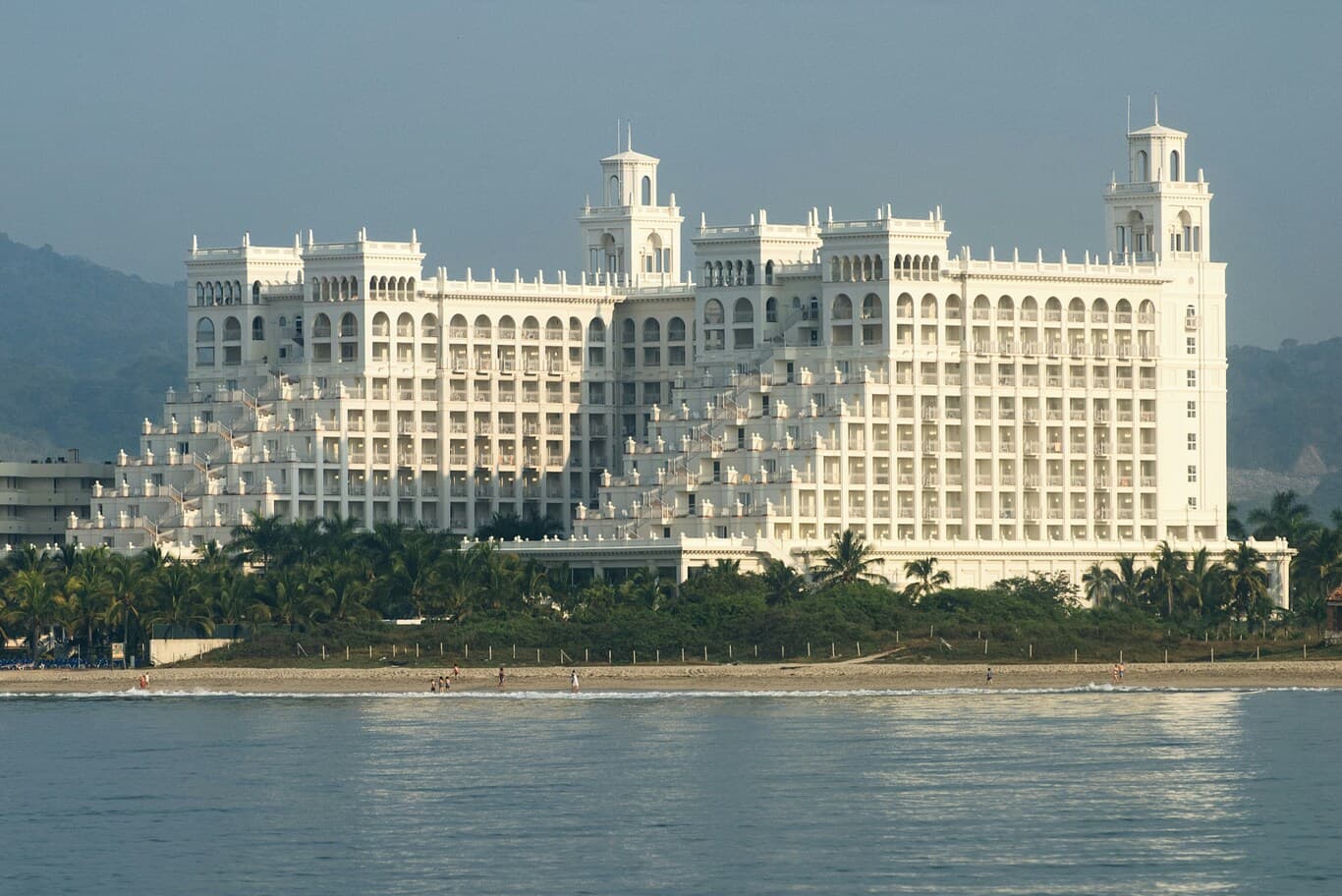
Mixed-use developments add a second layer of complexity: regulatory and brand coordination
Mixed-use projects that combine a hotel component with residential or retail elements carry a regulatory and commercial layer that pure single-use buildings don't face. Fire and life safety requirements differ meaningfully between occupancy types stacked in the same structure, and Dubai's fire and life safety code carries specific obligations that apply differently to hospitality floors, residential floors, and retail or back-of-house levels within the same building — different fire-rated compartmentation, different refuge floor requirements at certain heights, different smoke extraction strategies depending on occupancy density.
Where a hotel brand is involved, there's an additional layer entirely separate from statutory code: brand design standards that govern everything from corridor widths to lighting temperature to bathroom fixture specifications. These brand requirements need to be reconciled against the building code and the structural design simultaneously, which is considerably easier to manage when one team controls the full design-build scope rather than negotiating brand compliance through a separate design consultant who isn't directly accountable for how those decisions affect constructability.
What this means for project cost and budgeting
Hospitality construction sits at the top of Dubai's cost spectrum for a reason. A five-star hotel build in Dubai can run significantly higher per square metre than standard commercial or residential construction, and the cost drivers behind hospitality and commercial construction are disproportionately weighted toward MEP infrastructure and the premium finish standards international hotel operators require. Premium food and beverage fit-outs alone — kitchens, bars, and dining areas — carry a meaningfully higher cost per square metre than standard office or retail fit-out, driven by the complexity of commercial kitchen MEP requirements.
This cost profile is exactly why early, integrated cost planning matters more on hospitality projects than on most other building types. Under design-build, cost estimating happens in parallel with design development, which means a developer gets continuously refined budget visibility as the design solidifies — rather than receiving a single, late-stage number once a completed design package goes out to competitive tender under a traditional model, by which point major cost-driving decisions are already locked in.
Comparing design-build against a traditional delivery model for this asset class
For most hospitality and mixed-use developers, the choice between design-build and traditional delivery comes down to how much value they place on speed, single-point accountability, and integrated cost control versus the perceived benefit of competitive tendering a fully designed package. Turnkey delivery models compress timeline and consolidate risk in ways that traditional sequential delivery generally can't match — but that compression depends on the design-build team having genuine in-house capability across architecture, MEP engineering, and construction execution, not simply a contractor who has subcontracted the design scope to an external consultant under the same umbrella contract.
The broader case for design-build over conventional delivery holds up across most commercial building types, but the argument strengthens specifically for hospitality and mixed-use projects because of how much the MEP, structural, and regulatory layers interact. A simpler building type can tolerate some sequential handoff friction without major consequence. A hotel or mixed-use tower generally can't, because the cost of resolving a conflict late — after design is finalized and construction has already started — scales with the complexity of everything connected to it.
What developers should look for in a design-build partner for hospitality projects
Not every contractor offering "design-build" services has genuine in-house engineering capability across MEP, structural, and architectural disciplines. Some operate as a general contractor who has simply partnered with an external design consultant under a single client-facing contract, which captures some of the single-point-of-responsibility benefit but loses the deeper coordination advantage of a team that designs and builds under one roof.
For a hospitality or mixed-use project specifically, it's worth asking a prospective design-build partner to walk through how they've handled MEP capacity planning on a comparable project — district cooling allocation, kitchen exhaust routing through shared building infrastructure, fire-rated compartmentation across mixed occupancy types — because the answer reveals whether their design-build capability is integrated or assembled. A team that can describe, in specific technical terms, how a mechanical sizing decision on a past project was resolved between design and construction before it became a costly field problem is demonstrating exactly the kind of coordination that justifies choosing design-build over a traditional delivery model in the first place.
Capital Associated's approach to hospitality and mixed-use design-build
Capital Associated delivers hospitality and mixed-use projects through an integrated design-build model where architectural, structural, and MEP coordination happen under one accountable team from concept through handover. On hospitality-scale builds, that includes resolving mechanical sizing and capacity decisions — like district cooling allocation against projected peak demand — during design development, before they become field-discovered problems that cost time and money to fix mid-construction. Fire and life safety compliance across mixed occupancy types is planned in alongside structural and MEP design rather than treated as a downstream consultant deliverable, which keeps regulatory approval timelines aligned with the overall construction programme rather than working against it.
If you're planning a hotel or mixed-use development in Dubai and want a design-build Dubai team with genuine in-house engineering and construction capability across the full scope, get in touch to discuss your project's requirements.