
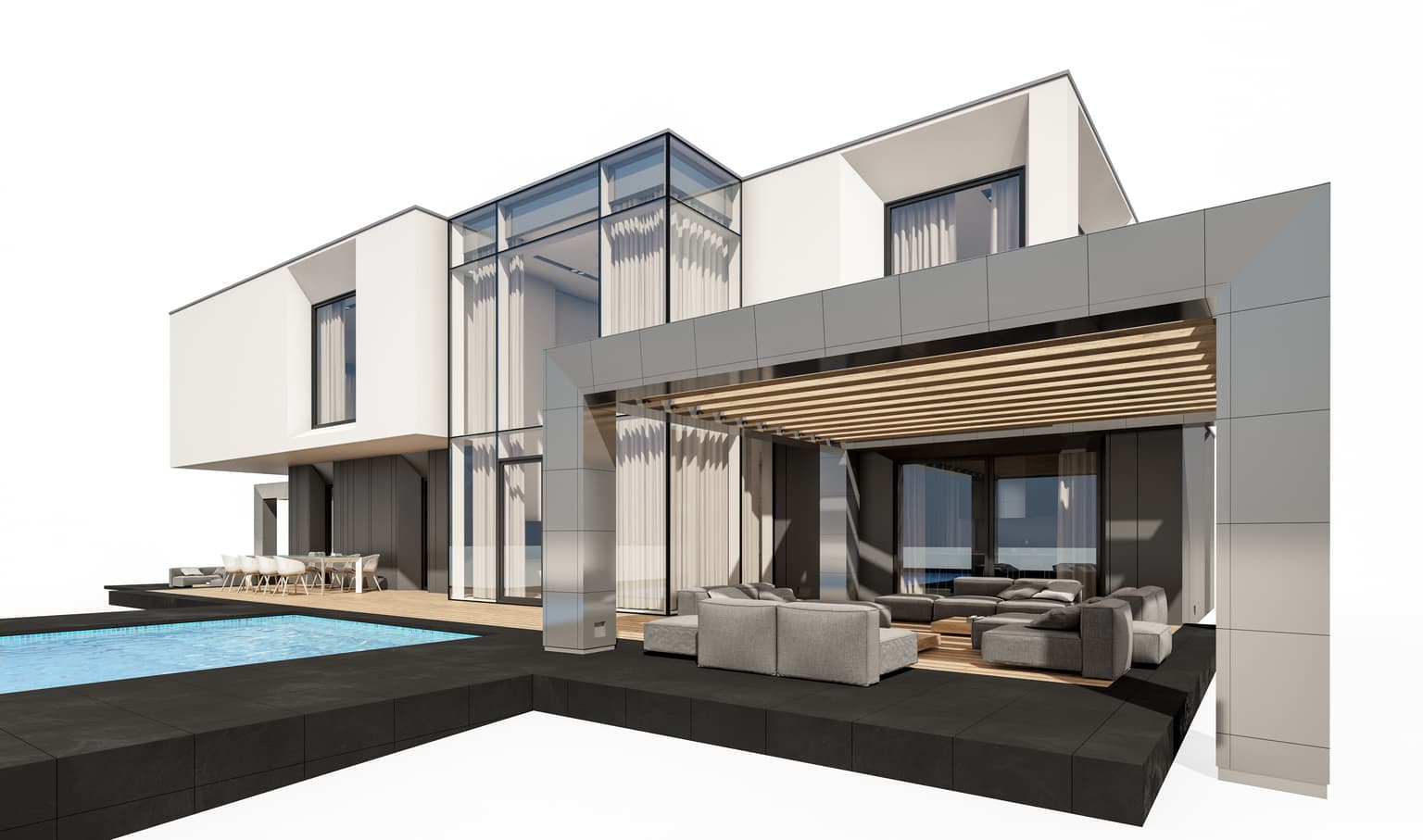
Design-build vs traditional construction: faster delivery, cost control, better collaboration & simplified contracts for superior results.
The choice between design-build and traditional methods is crucial in the construction industry. Each approach has its unique advantages. However, design-build stands out for many reasons.
This blog explores the benefits of design-build over traditional construction methods.
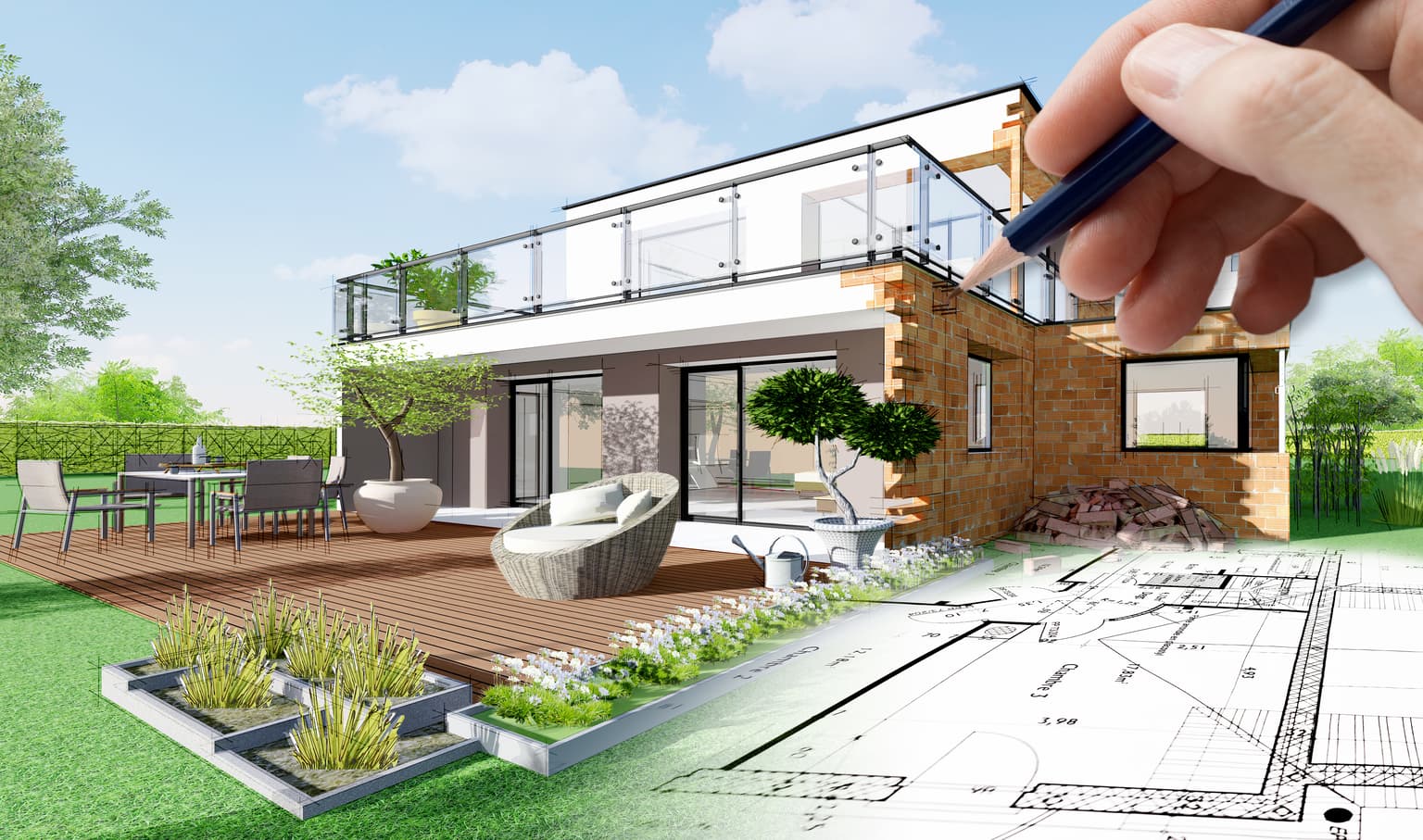
1- Streamlined Communication
One of the biggest advantages of design-build is streamlined communication. In traditional construction, separate entities handle design and construction. This can lead to miscommunication. With design-build, one team manages everything. This unified approach ensures everyone is on the same page. It reduces misunderstandings and improves collaboration.
2- Faster Project Completion
Time is money in construction. Design-build projects often finish faster than traditional ones. The integration of design and construction phases eliminates delays. Teams can work concurrently rather than sequentially. This overlap speeds up the project timeline. Additionally, quick decision-making processes enhance efficiency.
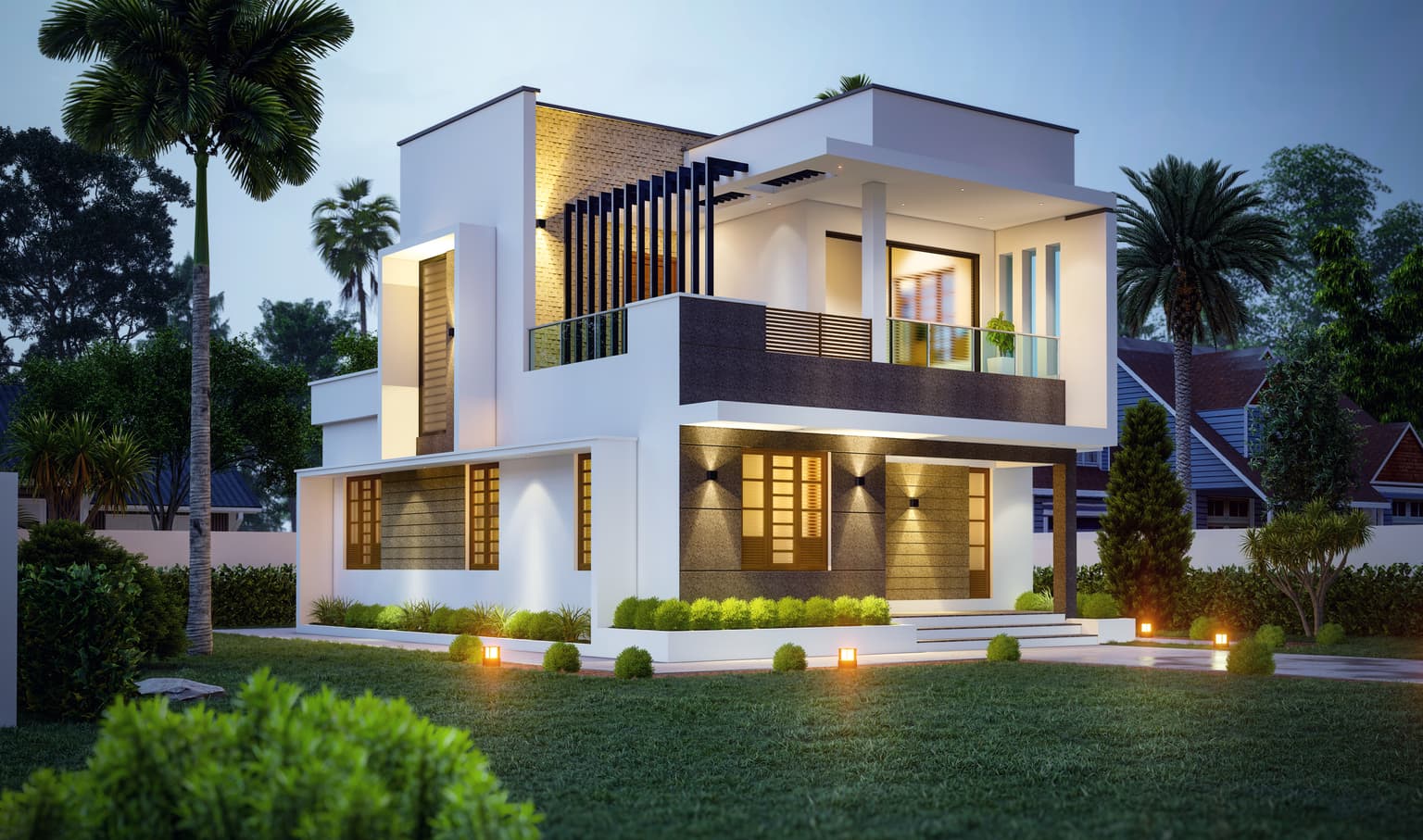
3- Cost Efficiency
Design-build can be more cost-effective. It minimizes the risk of unexpected costs. Since the same team handles design and construction, there is better cost control. They work within a predetermined budget. Early involvement of the contractor helps in accurate cost estimation. This reduces the likelihood of budget overruns.
4- Improved Quality
Quality is paramount in construction. Design-build projects often boast higher quality. The team’s cohesive work approach ensures consistency. Continuous collaboration leads to innovative solutions. The contractor’s early involvement allows for practical design choices. This results in a superior final product.
5- Single Point of Responsibility
With design-build, there is a single point of responsibility. This simplifies accountability. In traditional methods, responsibility is split. This can lead to finger-pointing when issues arise. Design-build eliminates this problem. One entity is responsible for both design and construction. This ensures a smoother process.
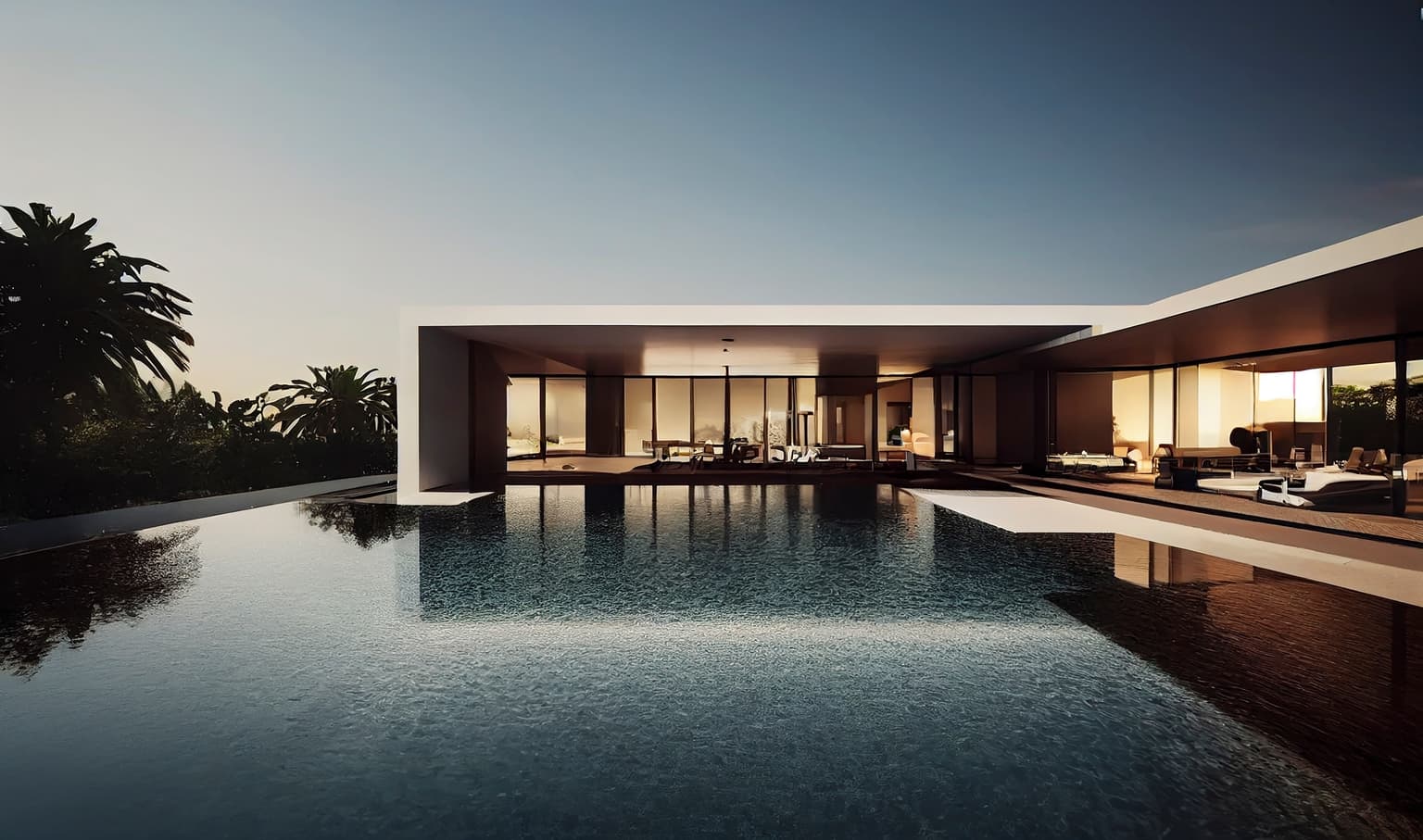
6- Enhanced Flexibility
Flexibility is another key benefit. Design-build allows for greater adaptability. Changes can be made more easily during the project. The integrated team can quickly respond to new information or client needs. This adaptability ensures the project remains staying with the client’s vision.
7- Better Risk Management
Risk management is crucial in construction. Design-build offers better risk mitigation. The single point of responsibility reduces the risk of disputes. There is also better coordination and planning. This proactive approach minimizes potential issues. It leads to a more predictable and secure project outcome.
8- Stronger Collaboration
Collaboration is the power of design-build. The integrated team works together from start to finish. This develops a strong sense of teamwork. It encourages open communication and idea-sharing. This collaborative environment often leads to innovative solutions. It enhances the overall project quality.
9- Simplified Contractual Relationships
Simplified contracts are another benefit. Traditional methods involve multiple contracts. Design-build consolidates this into one contract. This reduces complexity. It simplifies the legal aspects of the project. Clients have a single point of contact for all concerns.
10- Early Problem Detection
Early problem detection is crucial. Design-build allows for early identification of potential issues. The integrated team can address problems before they escalate. This proactive approach reduces the risk of costly delays. It ensures the project stays on track.
11- Improved Safety
Safety is a top priority in construction. Design-build projects often have better safety records. The integrated team can plan for safety from the beginning. This includes designing with safety in mind and implementing rigorous safety protocols. It reduces the risk of accidents.
12- Consistent Workflow
Consistent workflow is another advantage. Design-build projects avoid the start-stop nature of traditional methods. The integrated team can maintain a steady pace. This consistency leads to better productivity and efficiency. It ensures a smoother construction process.
13- Reduced Administrative Burden
Reduced administrative burden is a significant benefit. Design-build simplifies paperwork. There are fewer contracts to manage. The integrated team handles most administrative tasks. This allows clients to focus on other priorities.
14- Long-Term Value
Design-build projects often provide long-term value. The integrated team focuses on quality and durability. This ensures the project stands the test of time. Clients benefit from a high-quality final product with lasting value.
15- Improved Stakeholder Satisfaction
Stakeholder satisfaction is enhanced with design-build. The collaborative approach ensures all stakeholders are on the same page. This includes clients, designers, and contractors. The result is a project that meets everyone’s expectations. This leads to higher satisfaction rates.
16- Better Resource Utilization
Resource utilization is more efficient in design-build. The integrated team can optimize the use of materials and labor. This reduces waste and maximizes efficiency. It ensures the project stays within budget and on schedule.
17- Lower Overall Project Costs
Overall project costs are often lower. Design-build minimizes the risk of budget overruns. The integrated team can work within a predetermined budget. This ensures cost-effective solutions and efficient resource utilization.
18- Enhanced Transparency
Transparency is a key benefit. The integrated team maintains open communication with the client. This ensures transparency throughout the project. Clients are always informed about the project status. This builds trust and confidence.
19- Efficient Problem Resolution
Efficient problem resolution is crucial. Design-build allows for quick and effective problem-solving. The integrated team can address issues as they arise. This ensures the project stays on track and within budget.
20- Superior Project Management
Project management is often superior. The integrated team can manage the project more effectively. This includes planning, execution, and monitoring. It ensures the project is completed on time and within budget.
Conclusion
Design build offers a clear advantage over traditional construction methods by unifying responsibility, improving communication, and accelerating delivery timelines. Its integrated structure strengthens cost control, enhances risk management, and supports consistent quality standards. With simplified contracts and coordinated execution, clients gain transparency and accountability throughout the project lifecycle. For many developments, this approach delivers stronger outcomes, reduced delays, and long term value.
Further Resources
These comparative advantages connect to broader benefits. See the complete case for integrated design-build delivery.
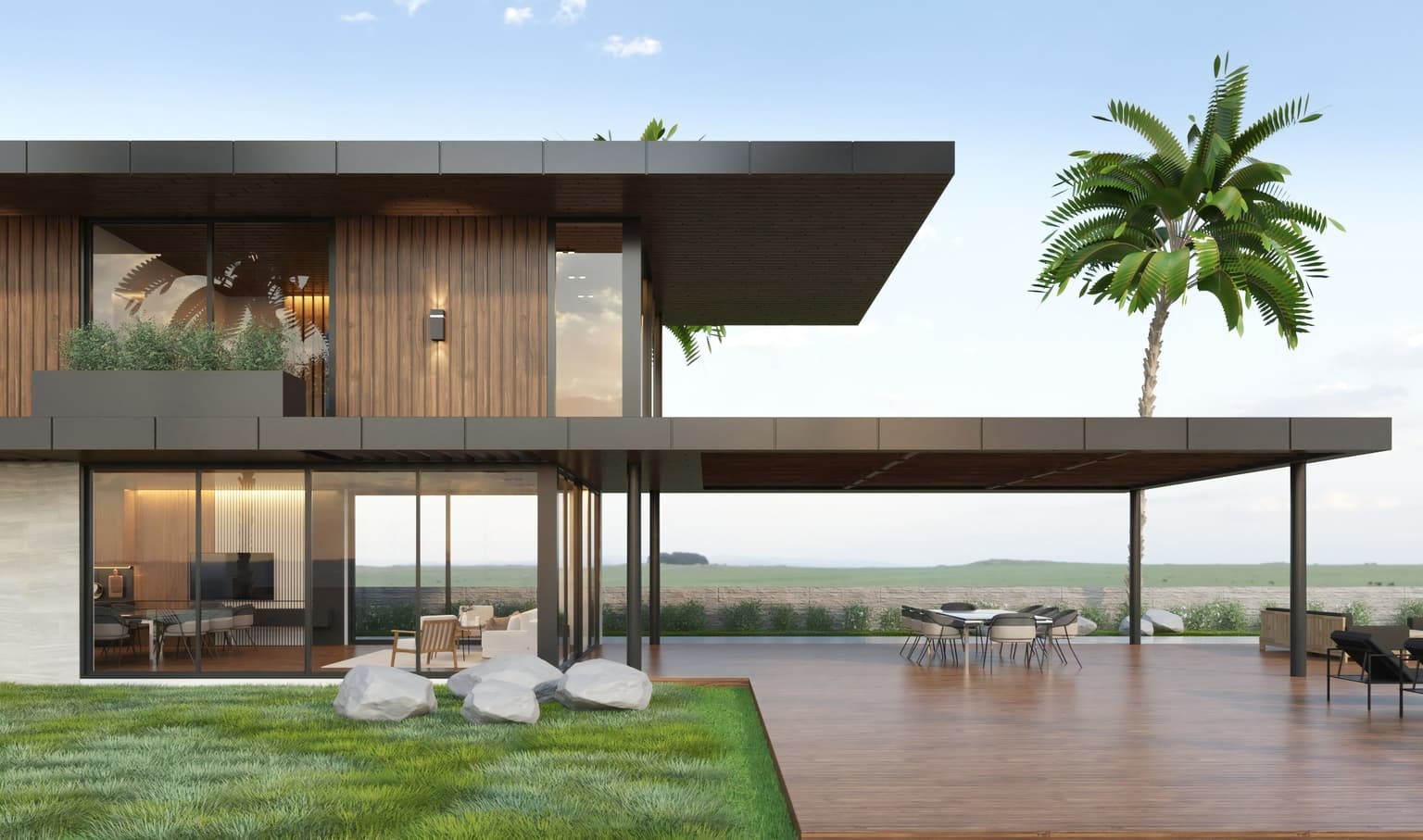
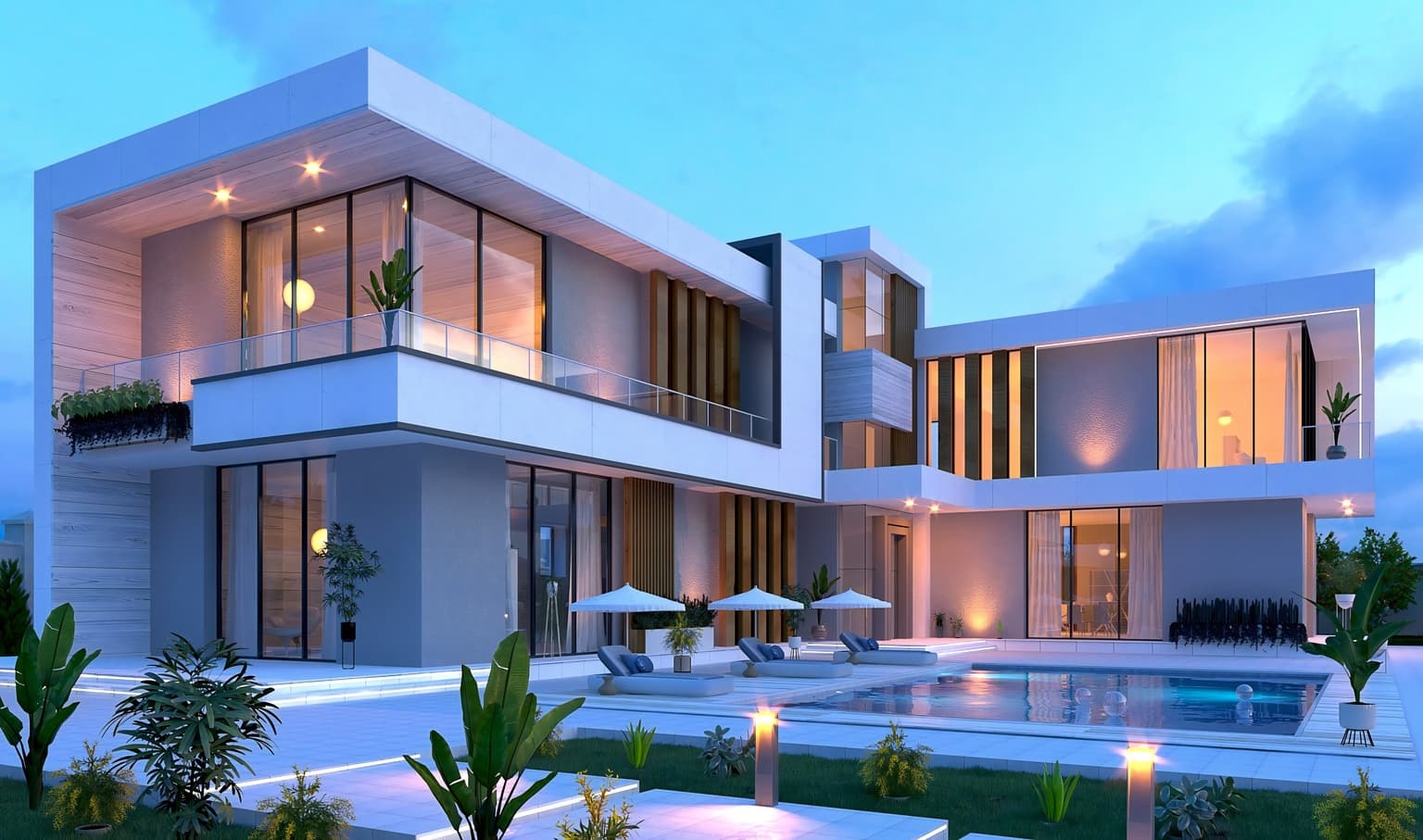
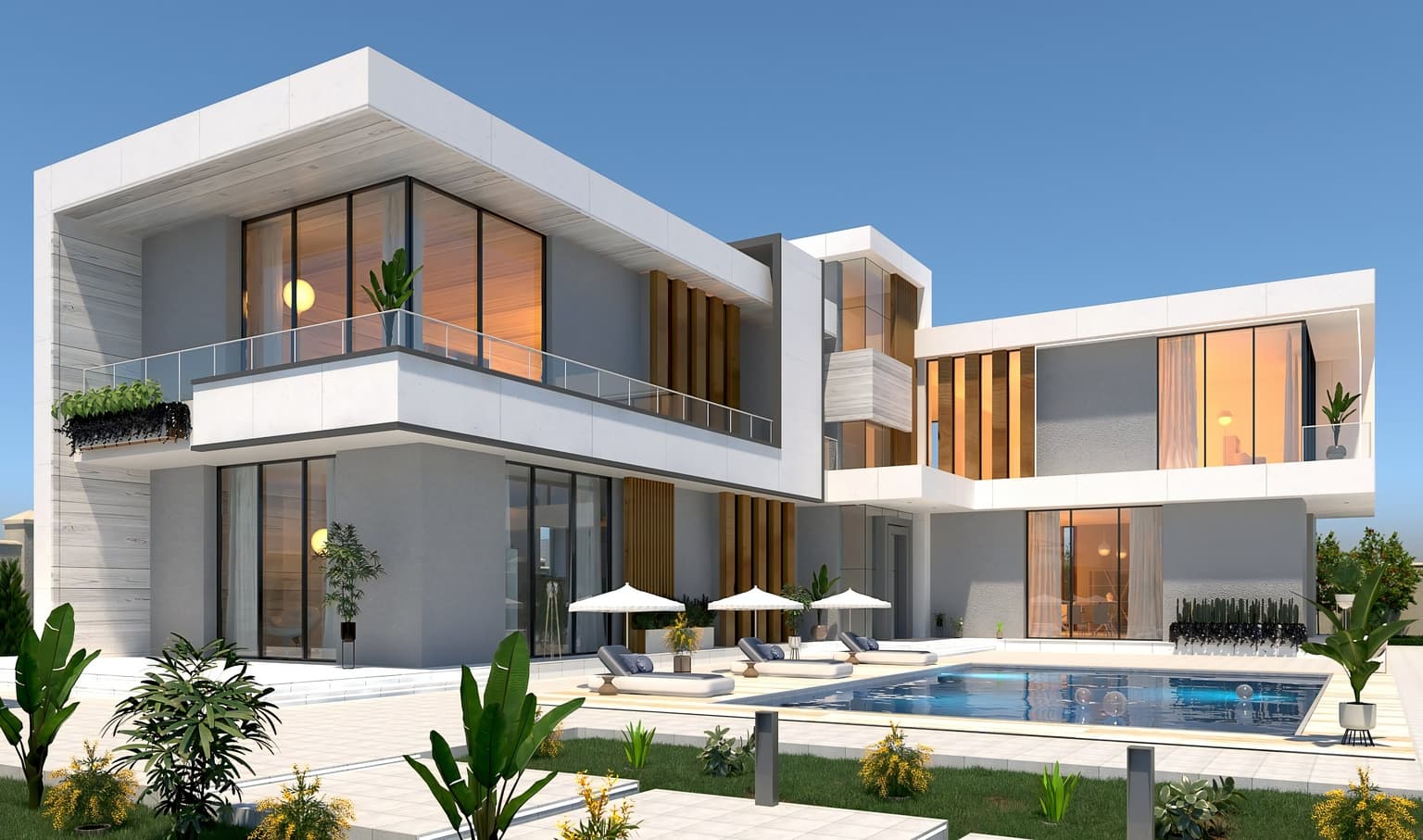
Villa applications: Homeowners benefit from design-build. Explore inspiration from Dubai's luxury villa projects.
Work With Capital Associated Building Contracting LLC
Choose full-service design build Dubai for integrated project delivery that eliminates finger-pointing and coordination failures. Partner with a building construction company Dubai that handles design and construction under one accountable roof.
Compare delivery methods for your project.
FAQ
1. What is the difference between design build and traditional construction?
Design build uses a single contract for both design and construction services, while traditional methods separate these roles under different contracts.
2. Is design build more cost effective?
It often provides better cost control because budgeting and construction input begin during the design phase.
3. Does design build reduce project timelines?
Yes. Design and construction activities can overlap, which shortens the overall project duration.
4. Who is responsible in a design build project?
One entity manages both design and construction, serving as the single point of responsibility.
5. Is design build suitable for large commercial projects?
Yes. It is widely used in residential, commercial, and infrastructure projects due to its efficiency and coordinated management structure.