
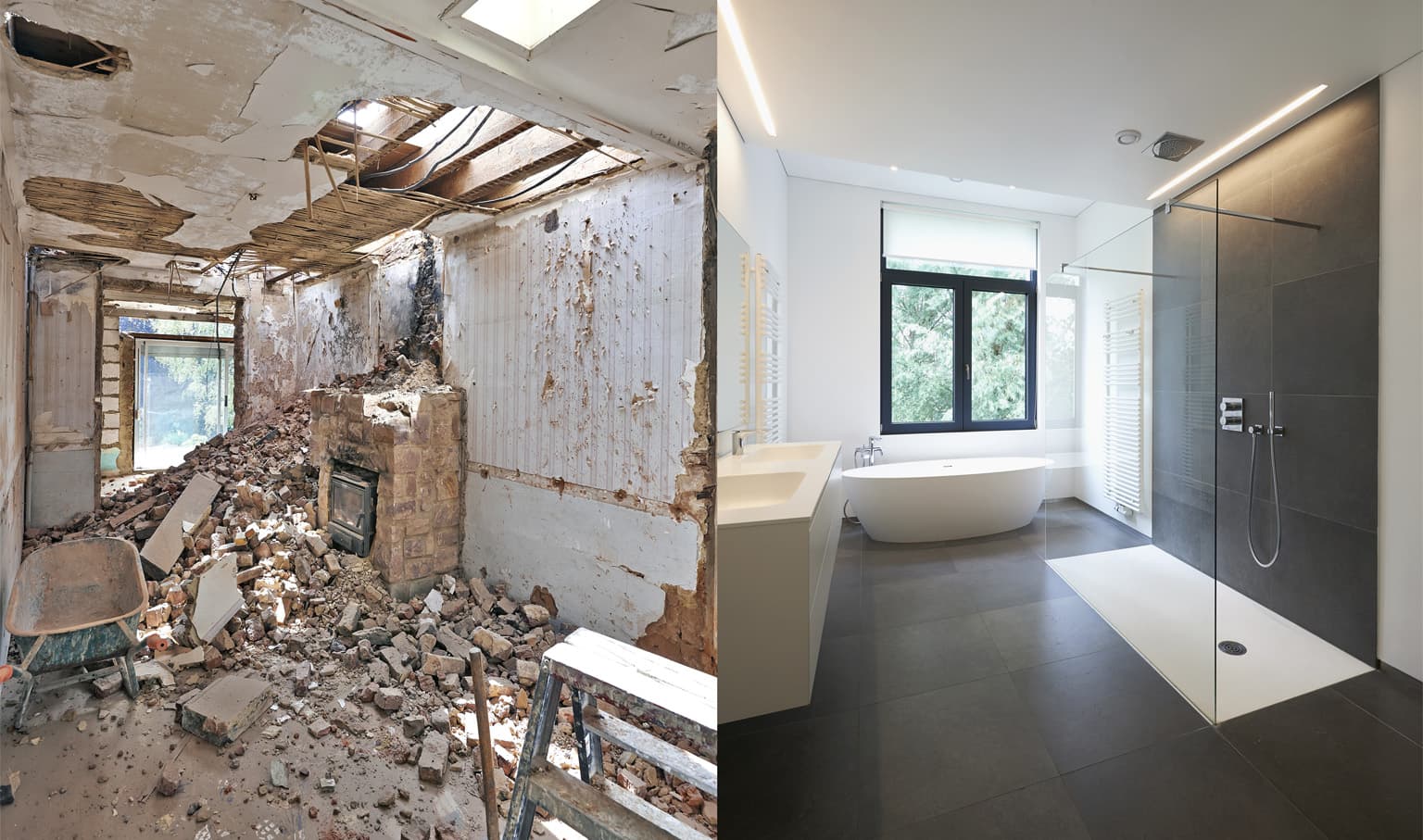
Home renovation tips: goal-setting, budgeting, contractor selection, permits & design for long-term value. A practical remodeling guide.
Home renovation and remodeling projects can be exciting but daunting tasks. Whether you’re planning a major overhaul or a simple refresh, success hinges on careful planning, budgeting, and execution.
Here are some essential tips to help you navigate the process and achieve a successful home renovation.
1. Define Your Goals and Priorities
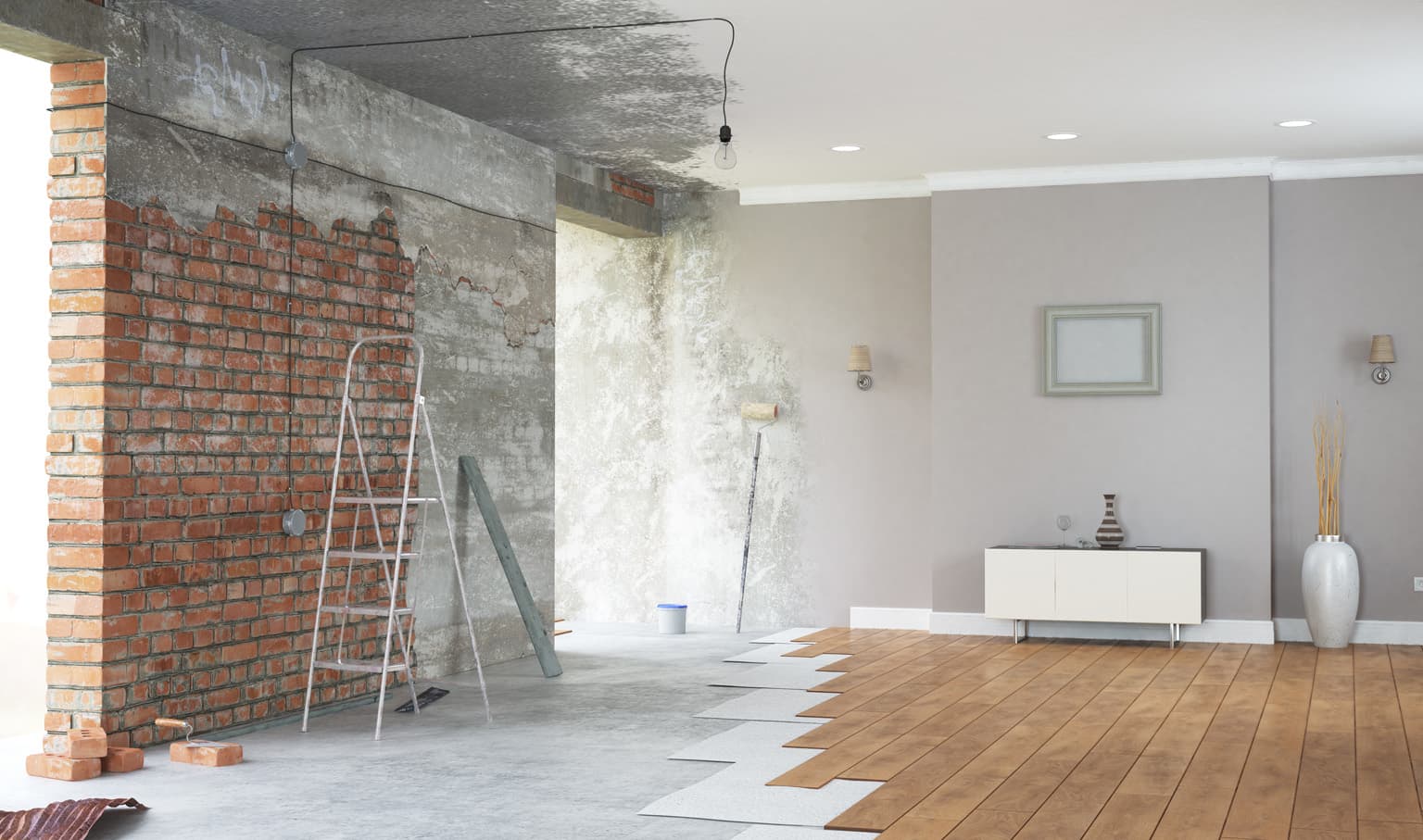
Before swinging a hammer, clearly define your goals. Are you renovating to increase your home’s value, improve functionality, or enhance aesthetic appeal? Understanding your primary objectives will guide your decisions throughout the project.
2. Set a Realistic Budget
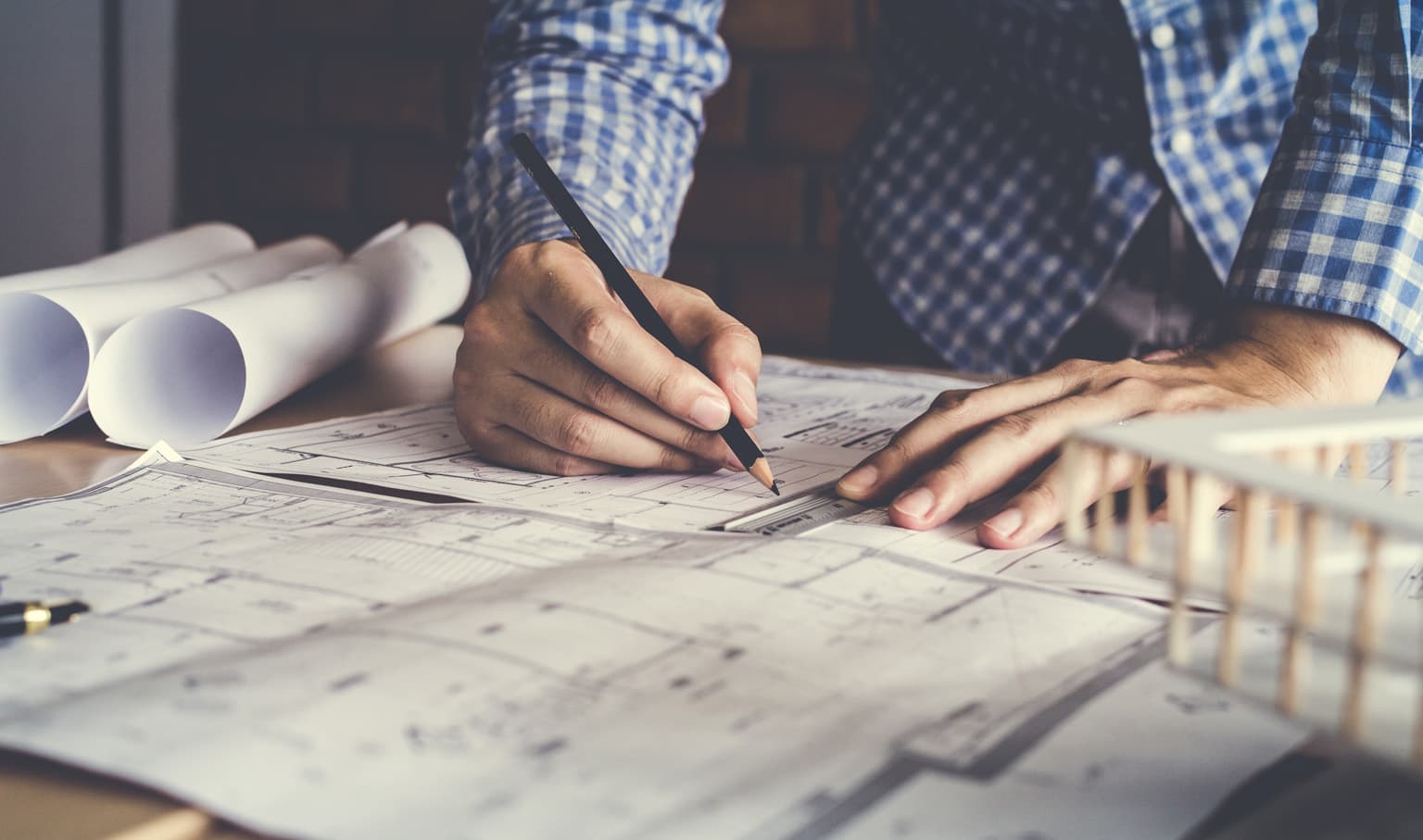
An essential step in home renovation is setting a budget. Factor in materials, labor, permits, and a contingency fund for unexpected expenses. Research average costs for similar projects and consult professionals to get realistic estimates.
3. Choose the Right Contractor
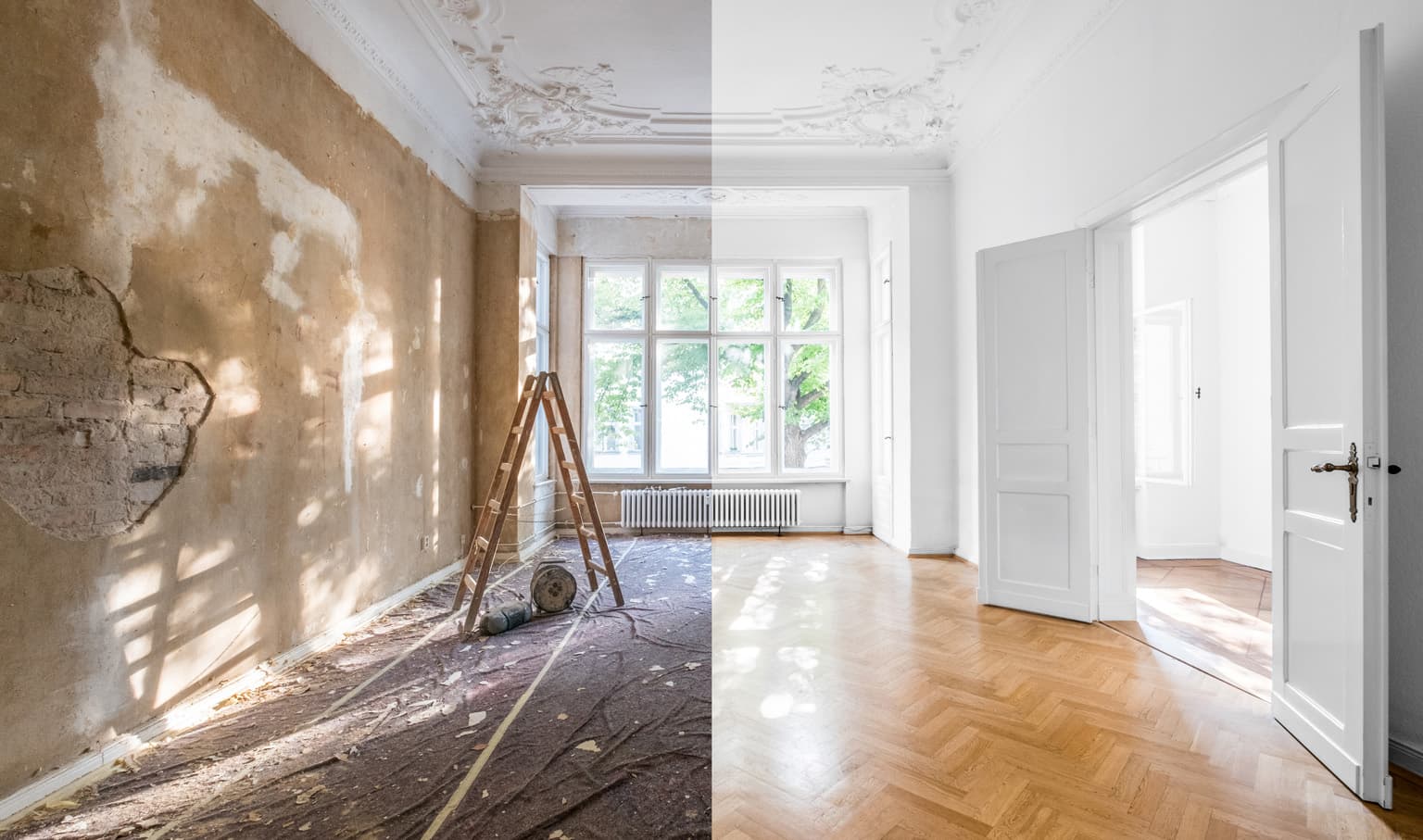
Selecting the right contractor can make or break your renovation. Look for licensed, insured, and experienced professionals with positive reviews. Get multiple quotes and check references before making a decision.
4. Obtain Necessary Permits
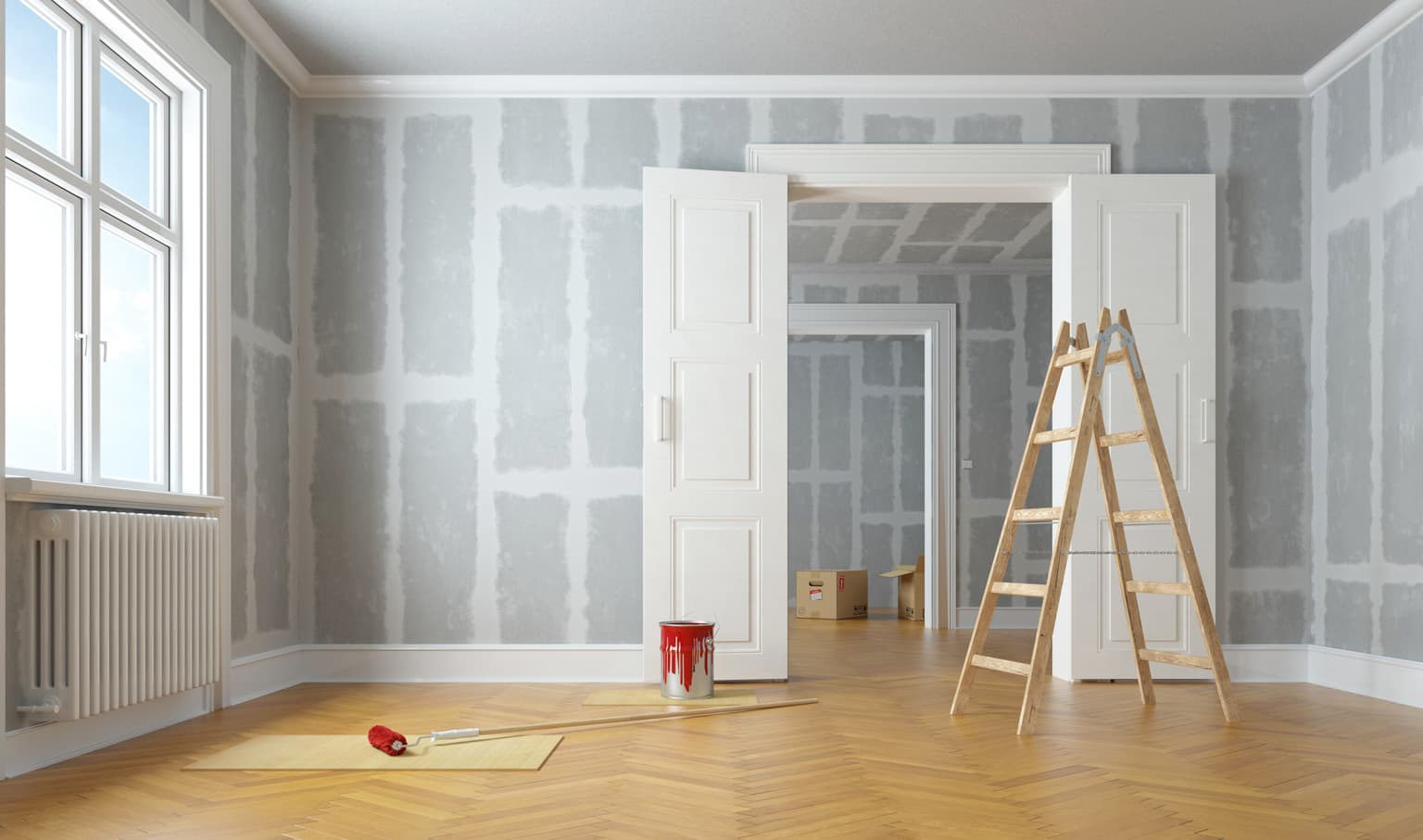
Depending on the scope of your project, you may need permits. Failure to obtain the necessary permits can result in fines and complications. Research local building codes and regulations or consult your contractor for guidance.
5. Plan for Efficiency and Sustainability
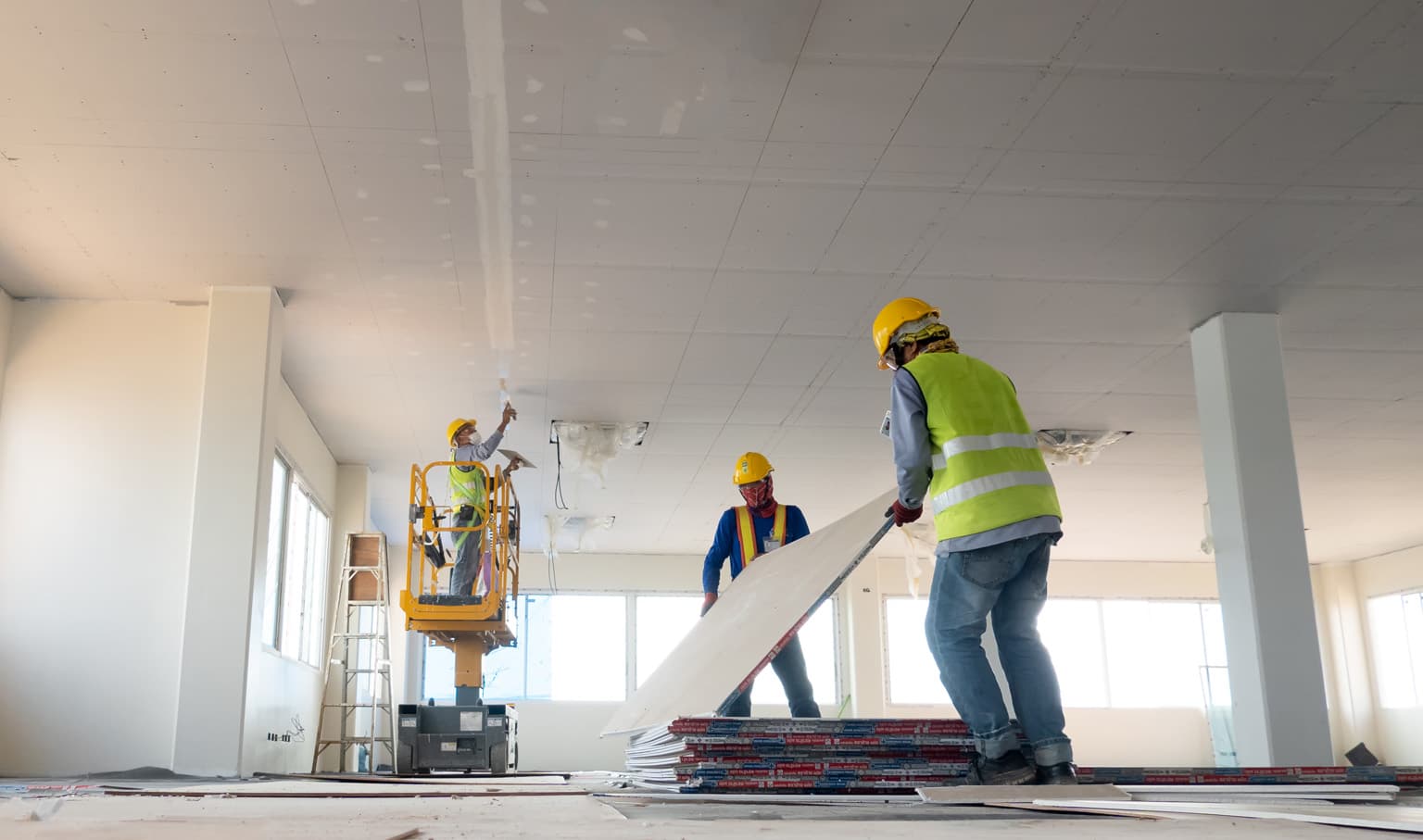
Incorporate energy efficiency into your plans. Consider materials and appliances that reduce energy consumption and lower utility bills.
6. Design for the Future

Consider long-term needs and trends. A design that accommodates future lifestyle changes can be a wise investment. This might include flexible spaces or smart home technologies.
7. Pay Attention to Details
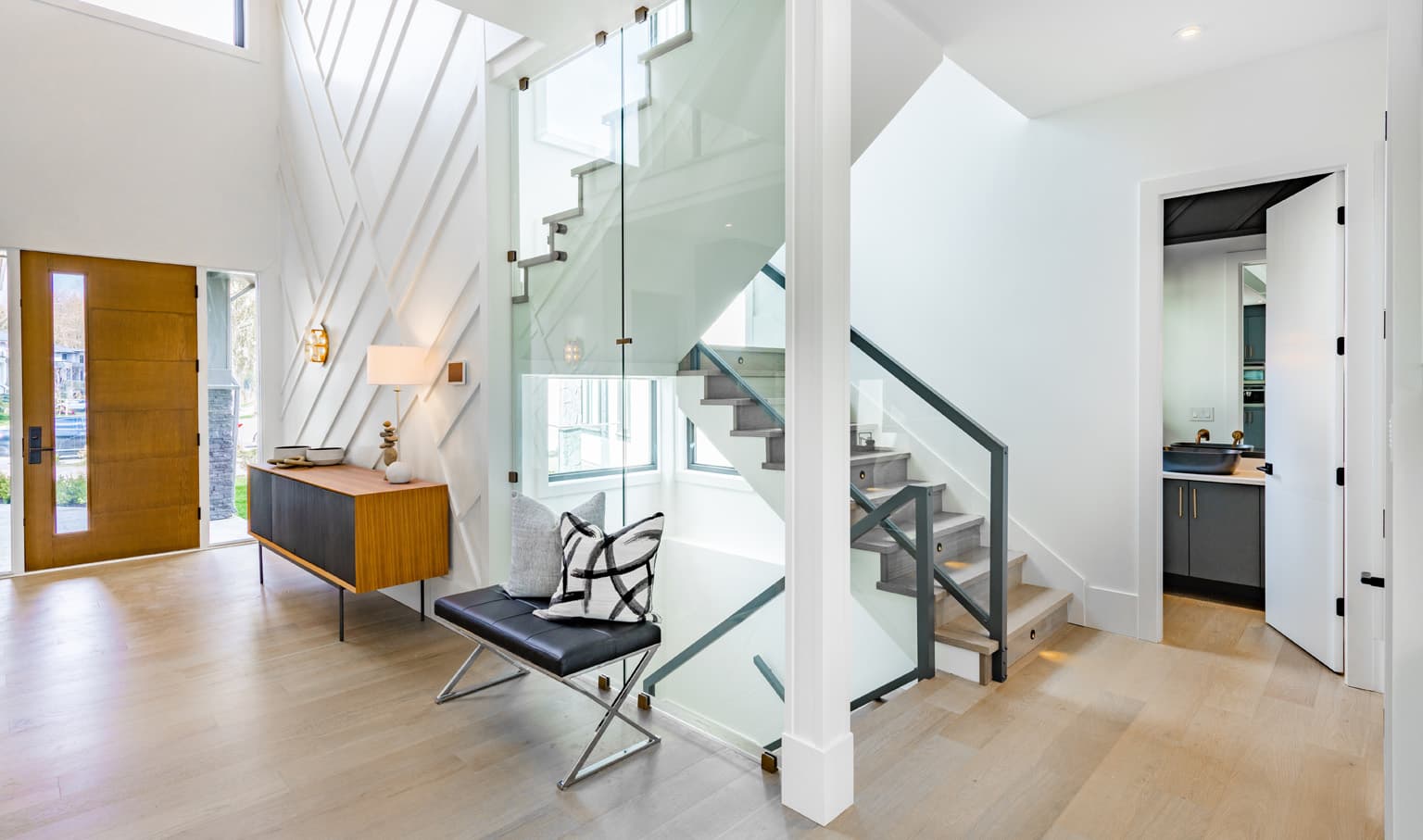
Details can make a significant difference. From the style of door handles to the color of the paint, these elements contribute to the overall look and feel of your renovation.
8. Communicate Effectively
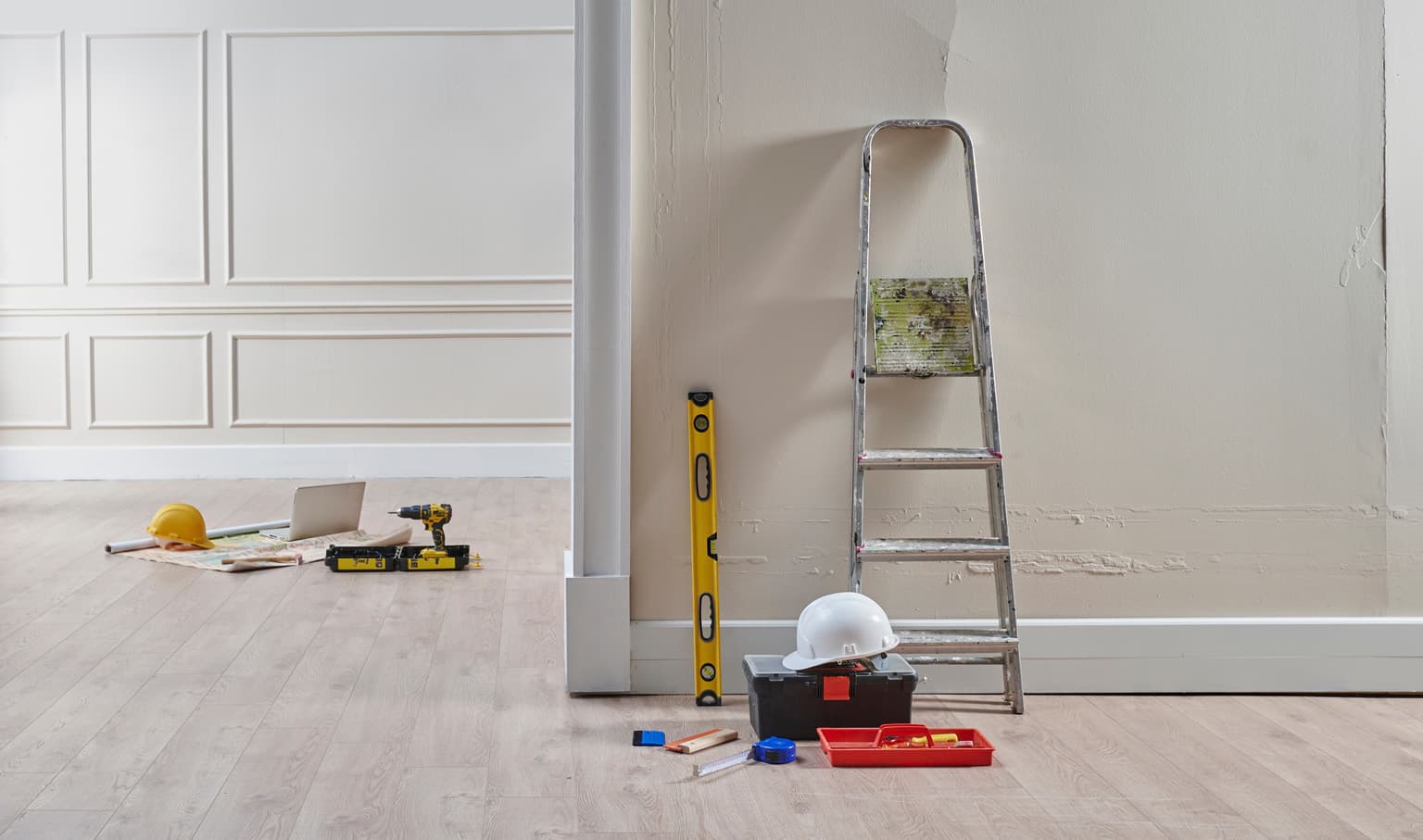
Maintain open lines of communication with your contractor and design team. Regular check-ins can help catch issues early and keep the project on track.
9. Prepare for Disruption
Renovations can be disruptive to your daily life. Prepare for noise, dust, and potential changes in your routine. Set up a temporary kitchen or living space if necessary.
10. Stay Flexible and Patient
Finally, be prepared for delays and challenges. Flexibility and patience are crucial in managing the unexpected hiccups that often accompany renovation projects.
To sum up, successful home renovation and remodeling require careful planning, budgeting, and execution.
With a little effort and understanding, you can improve the function and beauty of your home, making it a more valuable and pleasant setting.
Remember, a well-planned renovation transforms your space, and enhances your lifestyle.
Conclusion
A successful home renovation depends on preparation, realistic budgeting, and clear communication. Defining your goals, selecting reliable professionals, and planning for both current and future needs create a strong foundation for the project. While challenges may arise, a structured approach helps keep your renovation on track and aligned with your expectations. With careful decisions and attention to detail, your remodeled space can improve both daily living and long term property value.
Renovation Resources
- Older buildings need updating. Explore retrofitting approaches for existing structures.
- Bathrooms transform homes. See renovation strategies for impactful bathroom upgrades.
- Interior renovation techniques: Fit-out knowledge applies to renovations. Learn interior fit-out principles that guide renovation projects and explore creating spacious feeling interiors through renovation.
- Renovation contractors: The right partner is essential. See selecting contractors for renovation excellence.
Work With Capital Associated Building Contracting LLC
Transform your home with home renovation contractors Dubai who deliver quality craftsmanship and reliable project management. Our residential remodeling UAE services cover everything from single-room updates to whole-house transformations.
Start your renovation journey with experienced professionals.
FAQ
1. How do I start planning a home renovation?
Begin by defining your goals, identifying priority areas, and setting a realistic budget. Research costs and consult professionals for accurate estimates.
2. How much contingency budget should I set aside?
It is common to allocate 10 to 20 percent of the total budget for unexpected expenses that may arise during construction.
3. Do I always need permits for renovation projects?
Not all projects require permits, but structural changes, electrical work, plumbing, and major alterations usually do. Check local regulations before starting.
4. How do I choose the right contractor?
Look for licensed and insured contractors with proven experience. Review past projects, read client feedback, and request detailed quotations before deciding.
5. How can I make my renovation more energy efficient?
Consider energy efficient windows, insulation, lighting, and appliances. Sustainable materials and smart home systems can also reduce long term operating costs.