
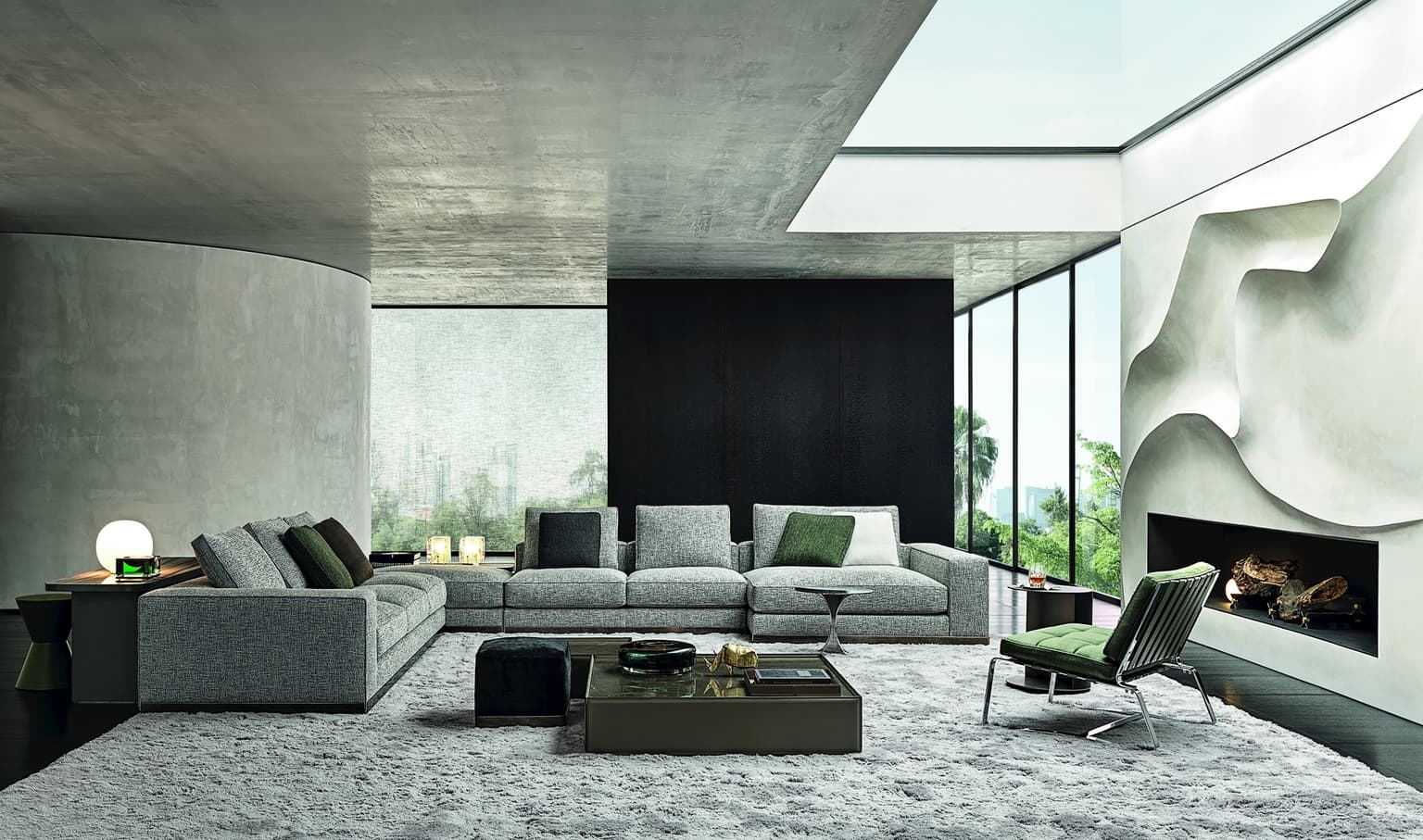
Maximize natural light in interiors: smart window placement, reflective materials, open layouts & light palettes for brighter spaces.
Maximizing natural light is essential in interior design. It creates a bright, inviting atmosphere and promotes well-being. Let's explore effective strategies to achieve this goal.
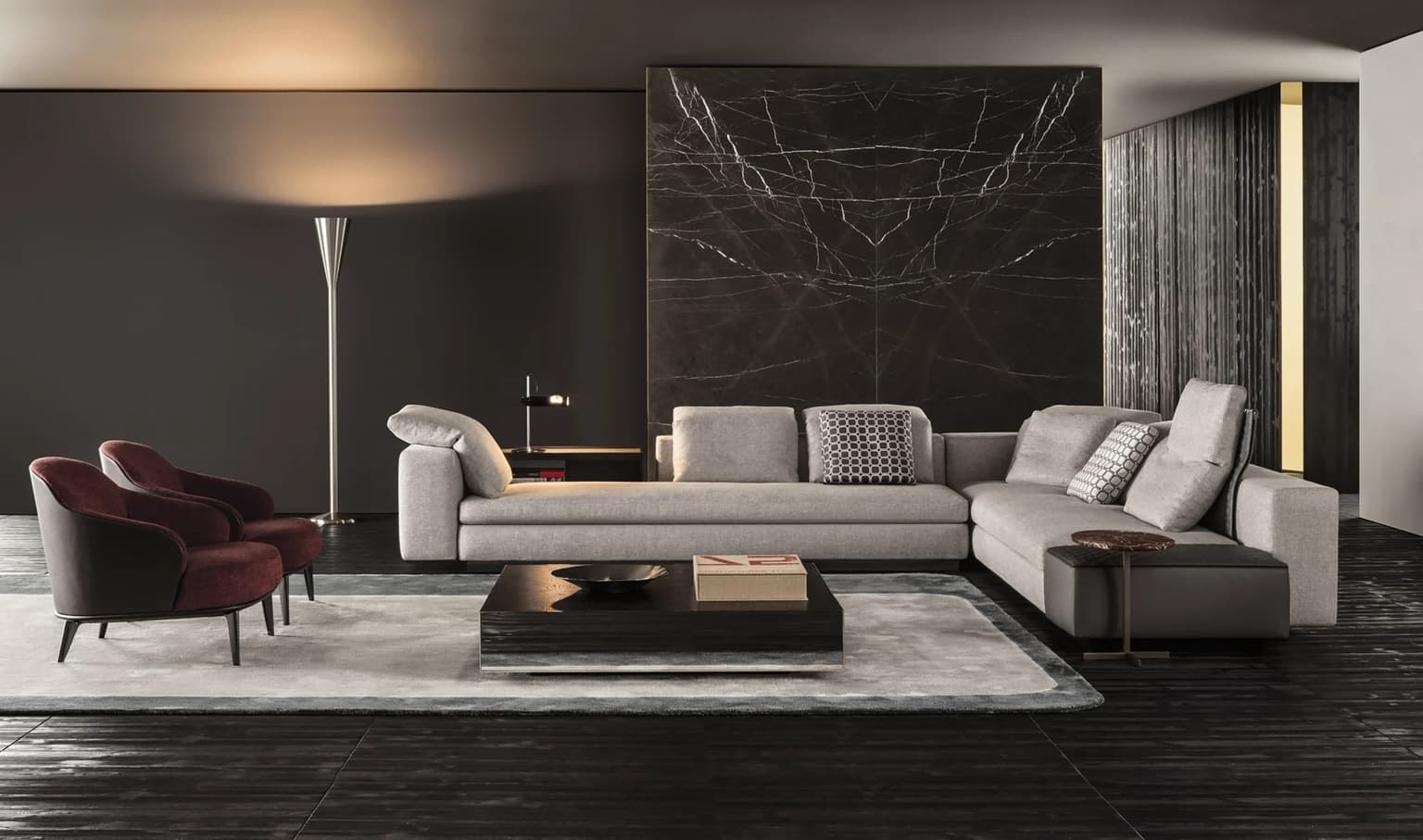
First, consider the placement of windows. Large, strategically located windows allow maximum sunlight penetration. Floor-to-ceiling windows, particularly in living areas and kitchens, are ideal. Skylights are another excellent option, especially in rooms without exterior walls.
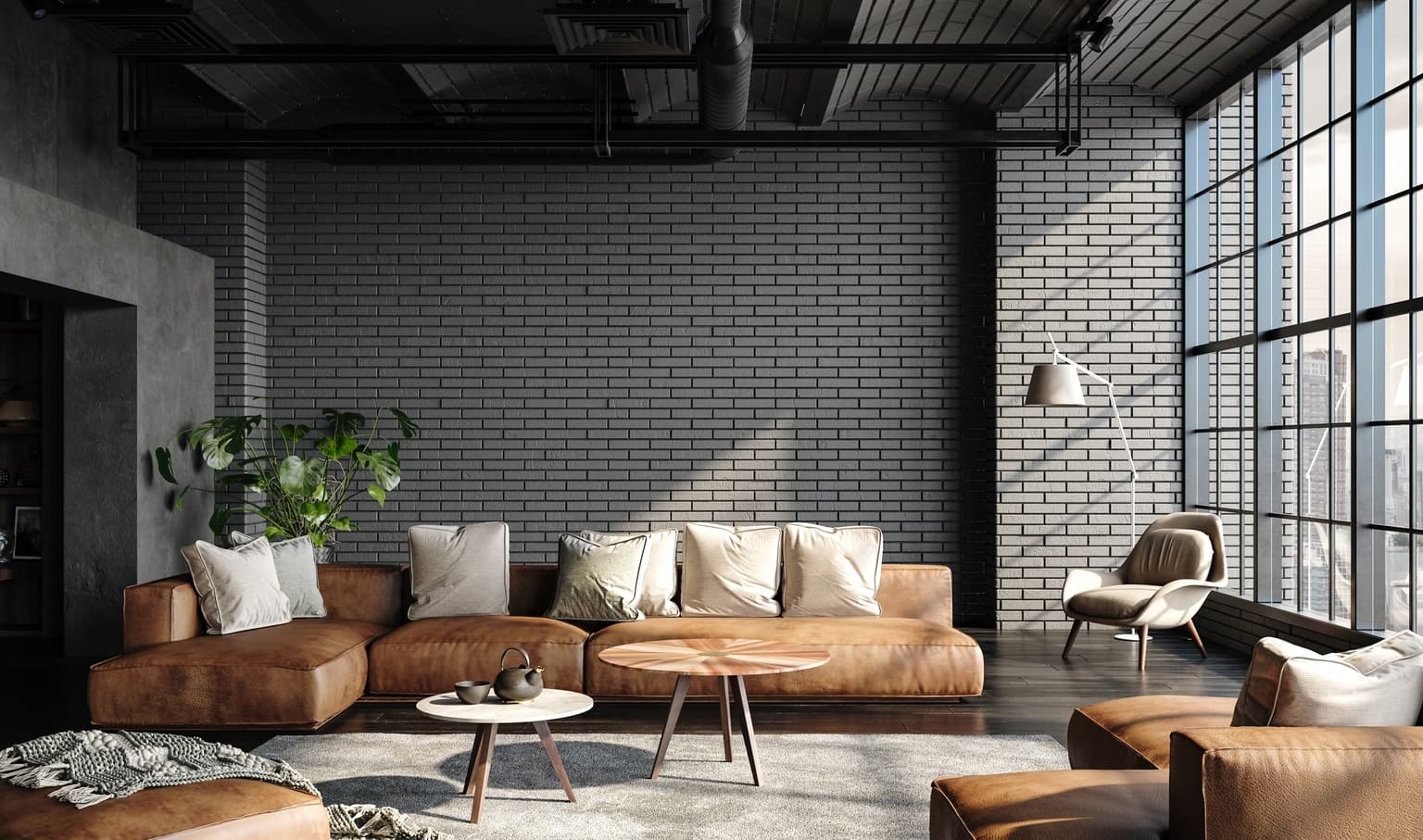
Reflective surfaces play a crucial role in amplifying natural light. Mirrors are the most common choice, but don't overlook other reflective materials. Glossy tiles, glass furniture, and metallic finishes can all contribute to a brighter space. Placing mirrors opposite windows maximizes light reflection.
Window treatments significantly impact light flow. Opt for sheer curtains or blinds that can be adjusted to control light levels. Avoid heavy drapes that block sunlight. Roman shades in light fabrics offer privacy without sacrificing brightness.
Interior colors also influence light reflection. Light, neutral colors such as whites, creams, and pastels reflect more light than dark colors. Use these shades on walls, ceilings, and large furniture pieces. A monochromatic color scheme can create a seamless, airy feel.
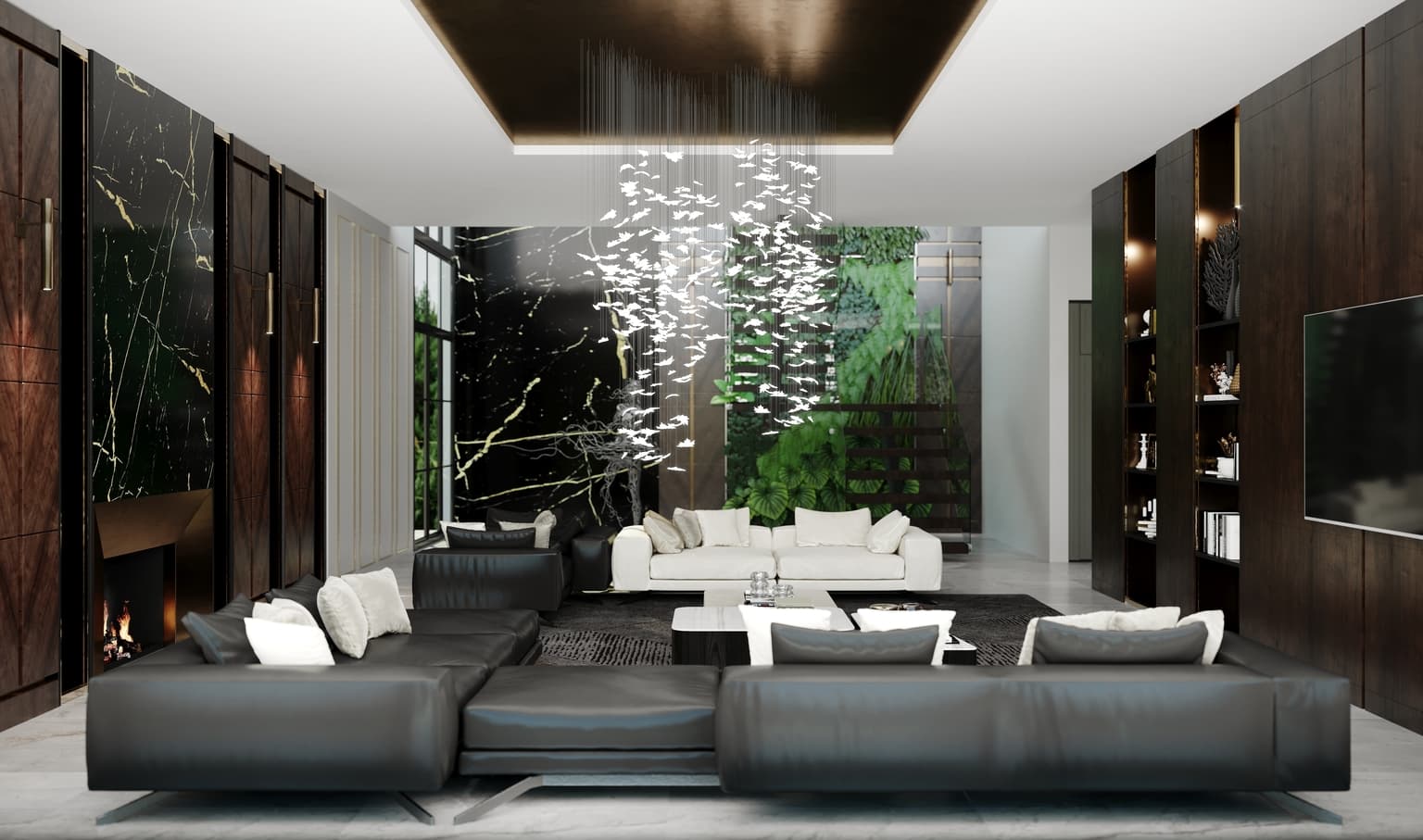
Furniture placement affects how light travels through a room. Arrange furniture to avoid blocking windows. Low-profile pieces near windows allow light to flow over and around them. Transparent or light-colored furniture enhances the effect.
Consider the layout of interior spaces. Open floor plans facilitate the movement of natural light. Removing unnecessary walls or partitions can help. In multi-story homes, open staircases allow light to filter between levels.
Natural light can be enhanced with artificial lighting. Use LED lights that mimic natural daylight. Place these in darker areas to balance the overall brightness. Dimmable options provide flexibility for different times of day.
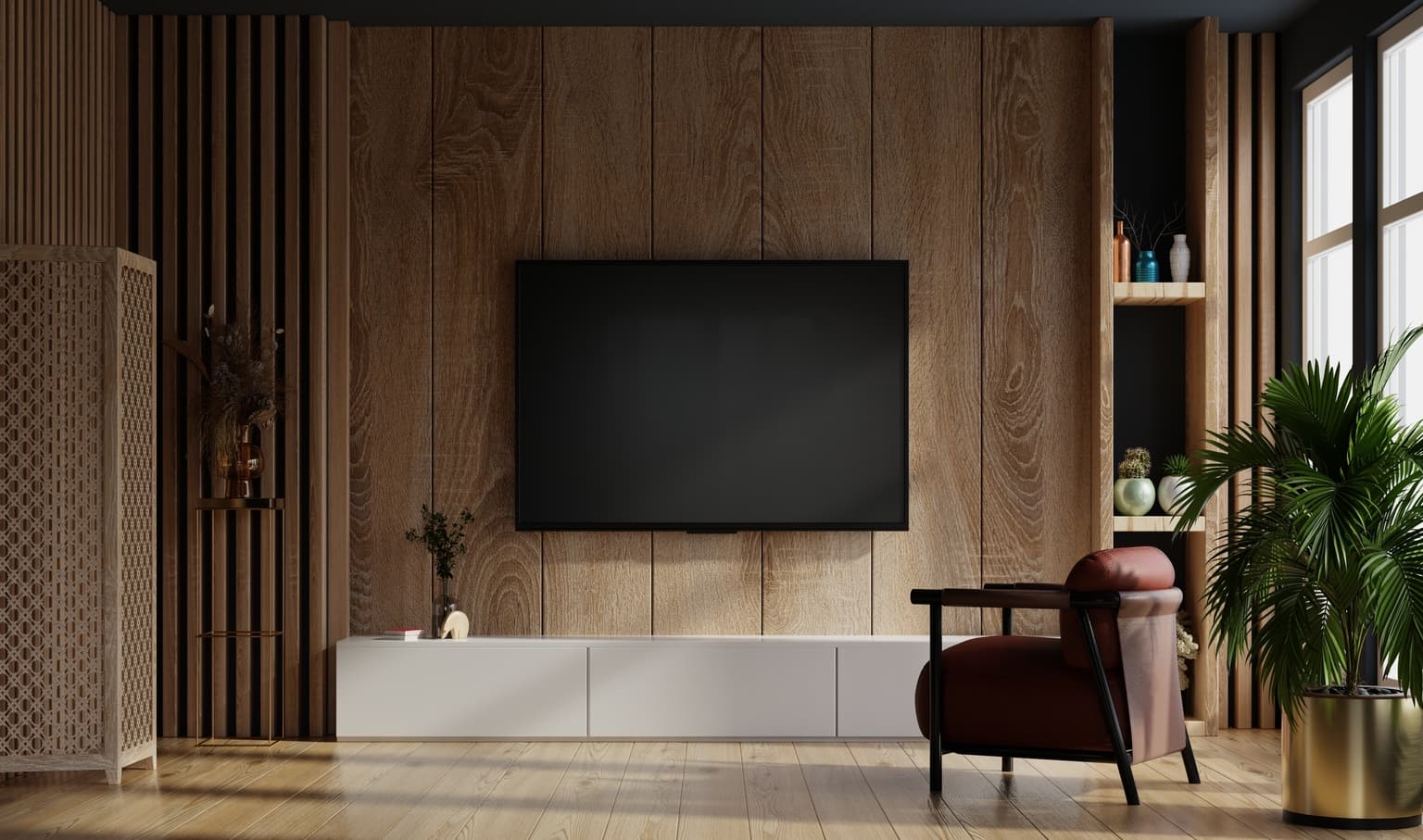
Incorporating light-enhancing architectural features can make a significant difference. Transom windows above doors let light into interior spaces. Glass doors and partitions maintain brightness while providing separation. Internal windows between rooms can also help.
Outdoor elements affect indoor light levels. Trim back trees or bushes that block windows. Reflective landscaping materials like white gravel or light-colored decking increase the amount of light entering the home. Position outdoor seating areas to capture sunlight and reflect it indoors.
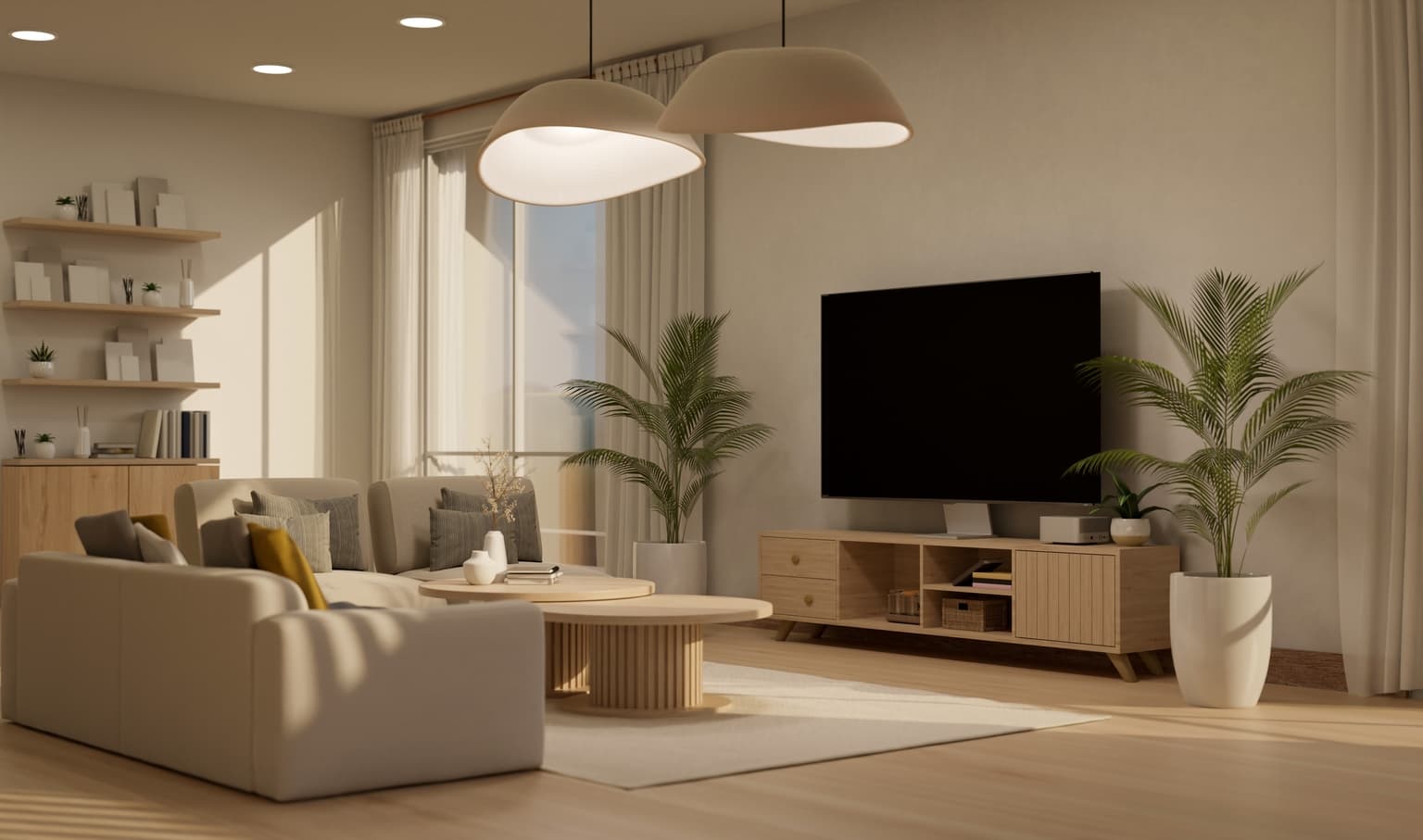
Material choices for interior finishes matter. Glossy or satin finishes on walls and furniture reflect more light than matte finishes. Light-colored wood floors or polished concrete enhance brightness. Avoid dark or heavily textured materials that absorb light.
Maximizing natural light improves the aesthetic and energy efficiency of a home. Well-lit spaces require less artificial lighting, reducing energy costs. It also benefits mental and physical health, creating a pleasant environment for occupants.
Incorporate biophilic design elements to enhance the effect of natural light. Indoor plants placed near windows thrive and add a refreshing touch. Natural materials like wood, stone, and bamboo connect indoor spaces with the outside world.
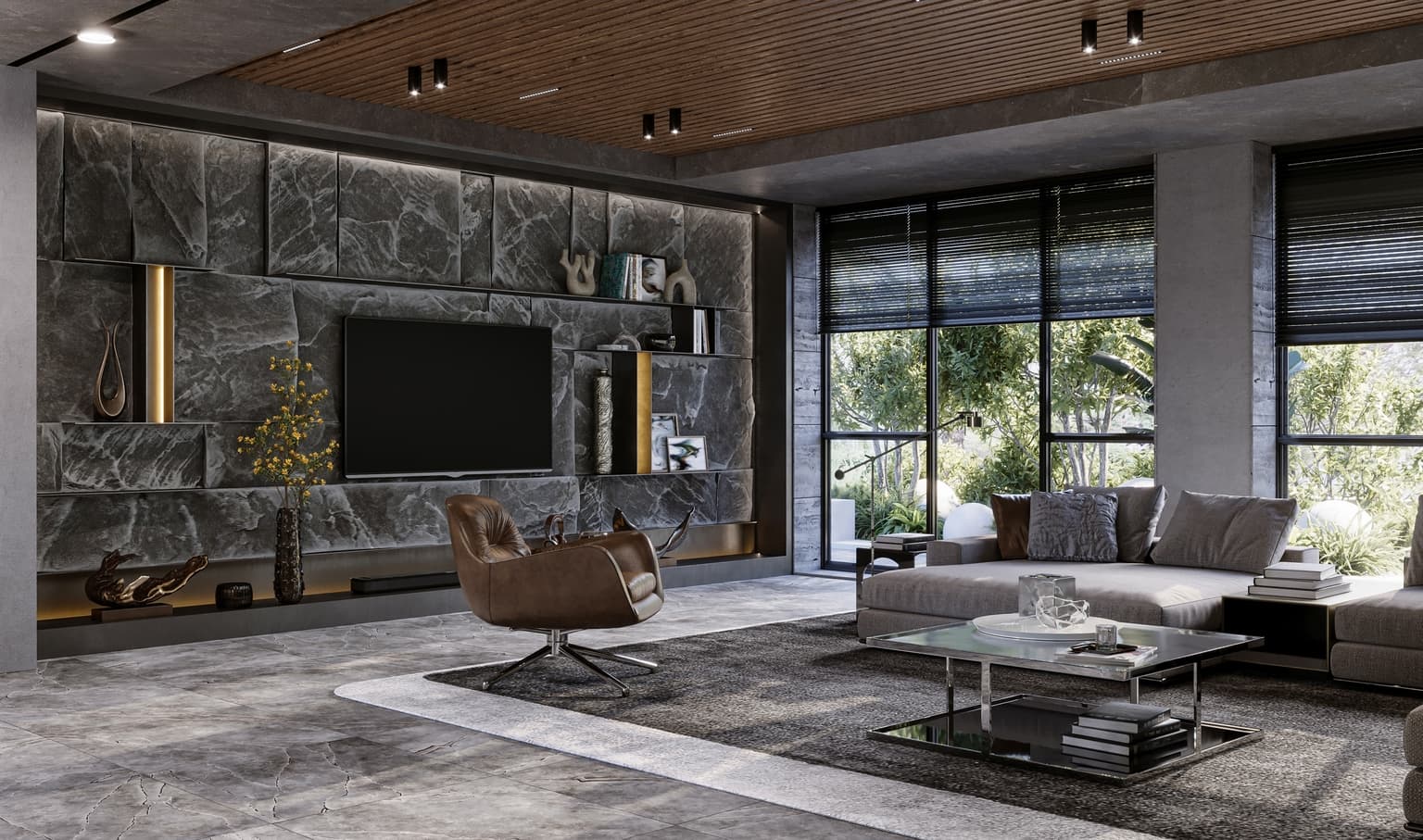
Technology can assist in managing natural light. Smart home systems adjust window treatments based on the time of day or sunlight intensity. Automated blinds and shades ensure optimal light levels without manual intervention.
Skylights come in various designs to suit different needs. Tubular skylights are compact and suitable for small spaces like hallways or bathrooms. Ventilated skylights provide additional airflow, perfect for kitchens and attics. Consider energy-efficient models to minimize heat gain.
Furniture materials can influence the distribution of natural light. Glass tables, acrylic chairs, and translucent materials allow light to pass through. Light-colored upholstery and rugs reflect light, enhancing overall brightness.
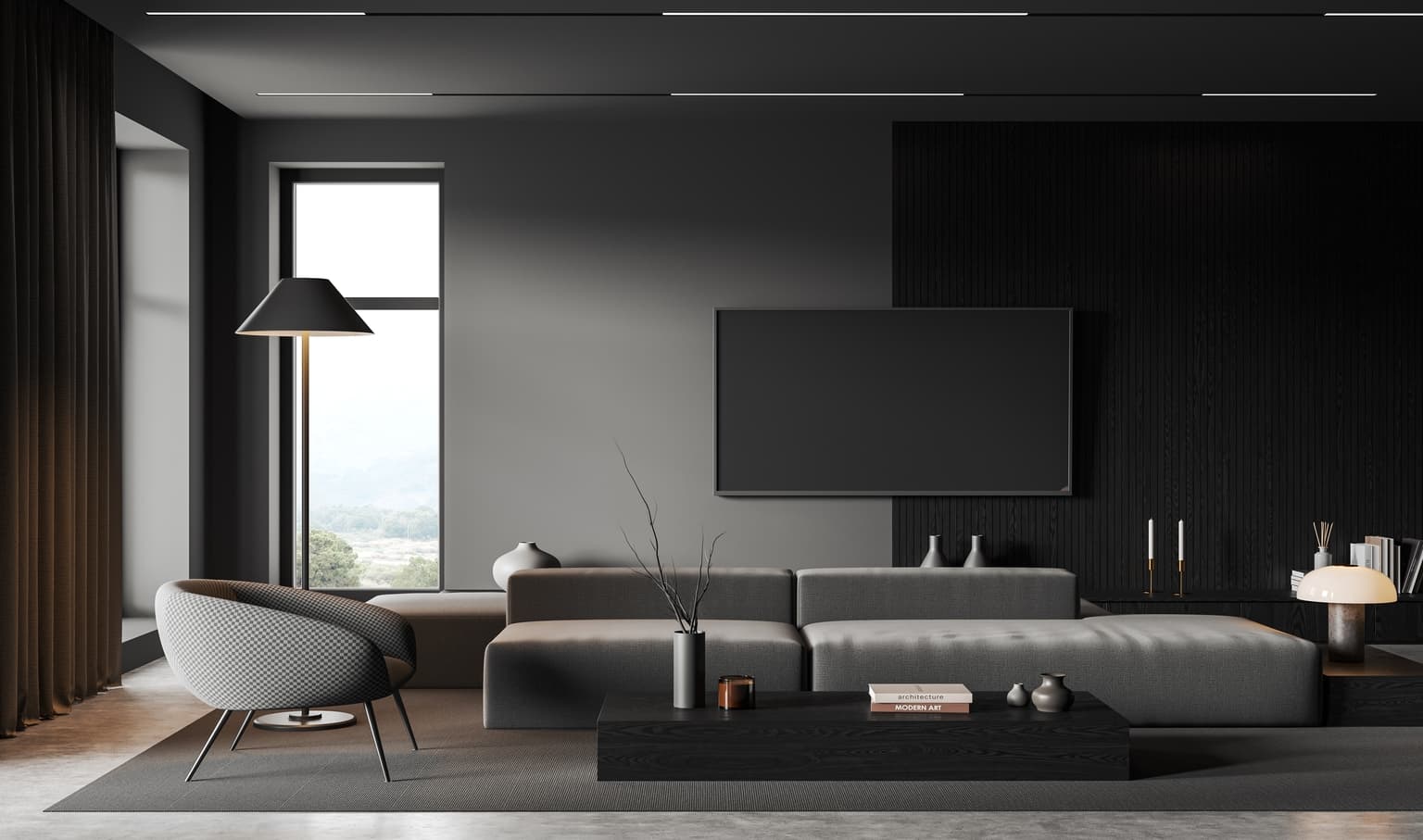
Creating a light-filled interior requires careful planning and thoughtful design choices. Prioritize windows and reflective surfaces. Choose light colors and strategic furniture placement. Use technology and biophilic elements to enhance natural light. These strategies result in a beautiful, welcoming home.
Maximizing natural light is not just about aesthetics. It improves energy efficiency and enhances the well-being of occupants. Implementing these techniques creates spaces that are bright, inviting, and comfortable.
Remember, small changes can make a big difference. Start with window treatments or rearrange furniture to see immediate results. Over time, incorporate more elements to achieve a fully light-optimized interior. Each step brings you closer to a brighter, more enjoyable living space.
Conclusion
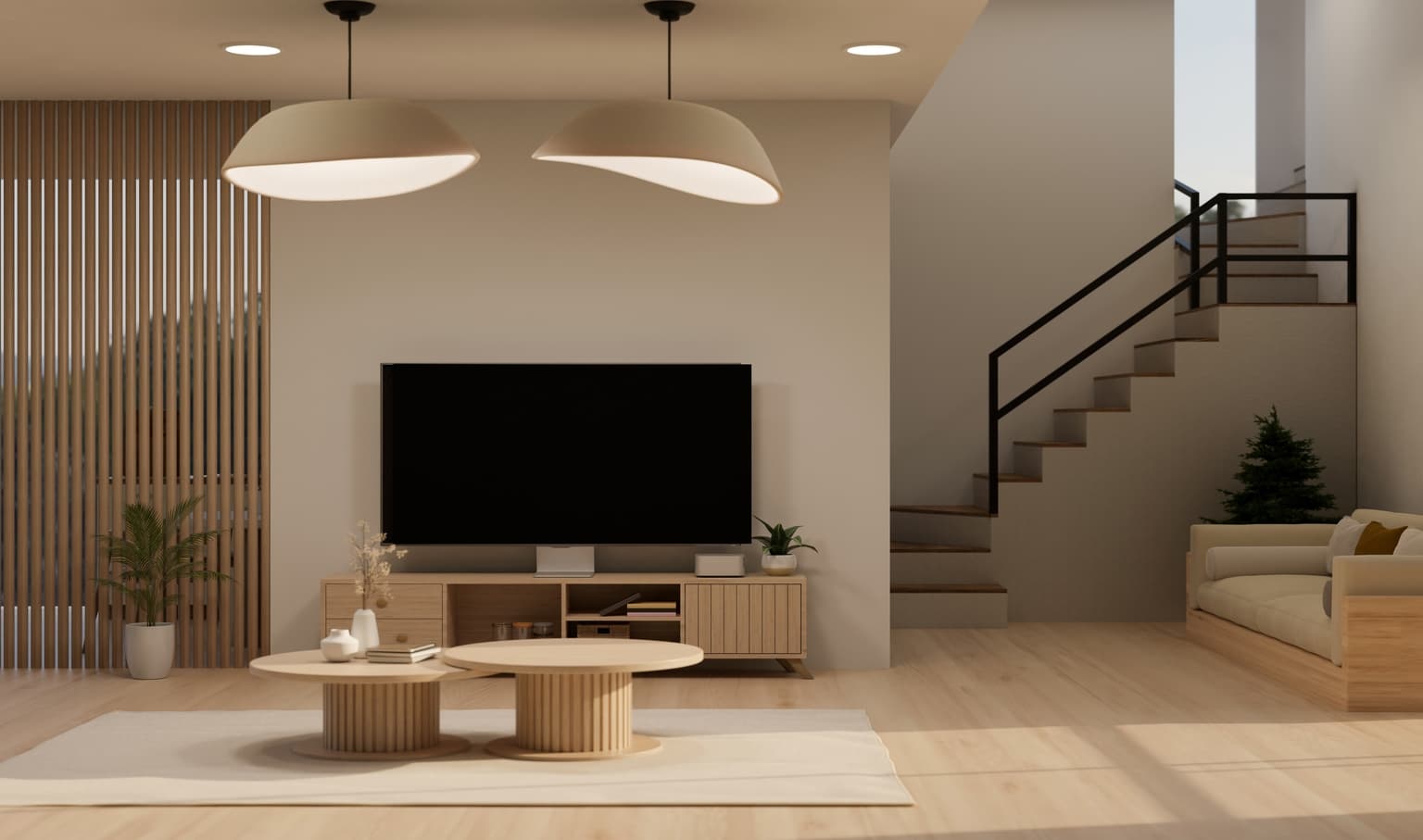
Maximizing natural light requires careful coordination of architecture, layout, materials, and technology. Large windows, reflective finishes, light color schemes, and open planning all contribute to brighter interiors. Thoughtful furniture placement and smart lighting systems further enhance daylight distribution. Beyond visual appeal, well lit spaces support energy efficiency and occupant well being. With the right design approach, any home or commercial space can achieve a brighter and more balanced environment.
Continue Reading
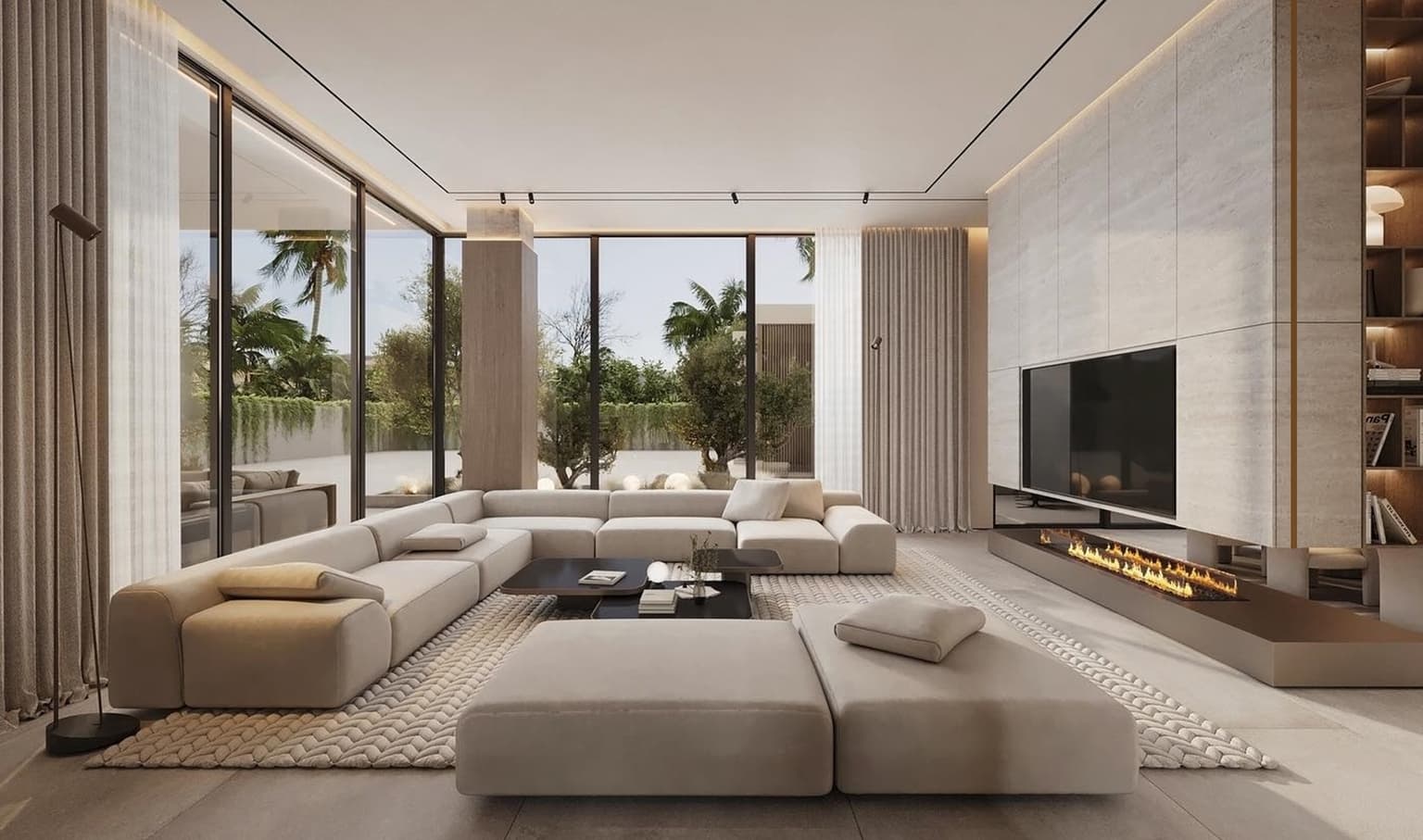
- Lighting is one element of successful fit-outs. Review comprehensive guidance for interior fit-out projects.
- Light enhances perception of space. Explore additional techniques for creating spacious interiors.
- Guest rooms benefit from thoughtful lighting. See design approaches for welcoming guest spaces.
- Residential applications: Light transforms home renovation. Explore successful home remodeling approaches.
Work With Capital Associated Building Contracting LLC
Maximise daylight with interior design contractors Dubai who understand glazing, layout, and finish selection. Our design build approach integrates lighting strategy from project inception.
Brighten your interiors with expert design.
FAQ
1. What is the most effective way to increase natural light in a room?
Installing larger windows, adding skylights, and using reflective surfaces such as mirrors are among the most effective strategies.
2. Do light colors really make a difference?
Yes. Light shades reflect more sunlight than dark colors, helping rooms appear brighter and more open.
3. How can I improve natural light without major renovations?
Use sheer curtains, rearrange furniture away from windows, add mirrors, and select lighter decor finishes.
4. Are skylights energy efficient?
Modern energy efficient skylights are designed to minimize heat gain and loss while increasing daylight penetration.
5. How does natural light benefit well being?
Natural light supports mood, productivity, and overall health while reducing reliance on artificial lighting.