
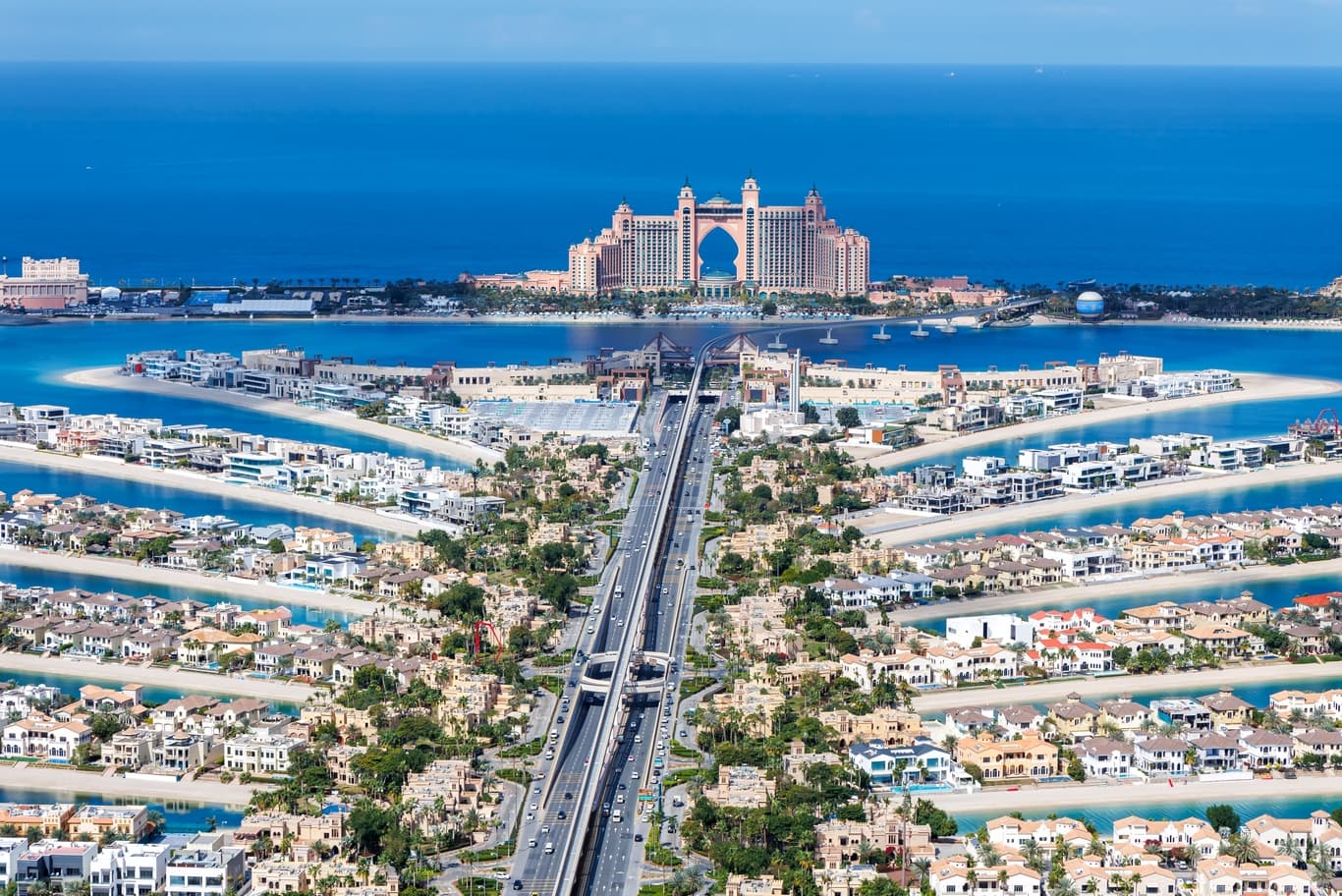
Dubai's 2026 real estate boom: what it means for contractors. Rising demand, tighter competition & smarter strategies to win projects.
Dubai's real estate sector has entered a chapter it has never seen before. Transaction volumes are shattering records. Off-plan launches are oversubscribed within hours. International investors are relocating capital from London, Singapore, and New York into Dubai's residential and commercial pipeline. And beneath all of that activity sits a construction industry that is being asked to deliver faster, at higher quality, and under more scrutiny than ever.
For contractors operating in Dubai right now, the boom is not simply good news — it is a defining moment. Those who are well-positioned will secure multi-year pipelines of high-value work. Those who are not will find themselves consistently passed over, regardless of how busy the market appears from the outside.
This article breaks down what Dubai's 2026 real estate surge actually means for contractors: where the opportunities are concentrated, what developers are demanding, and how to ensure your business is built for this environment rather than just surviving in it.
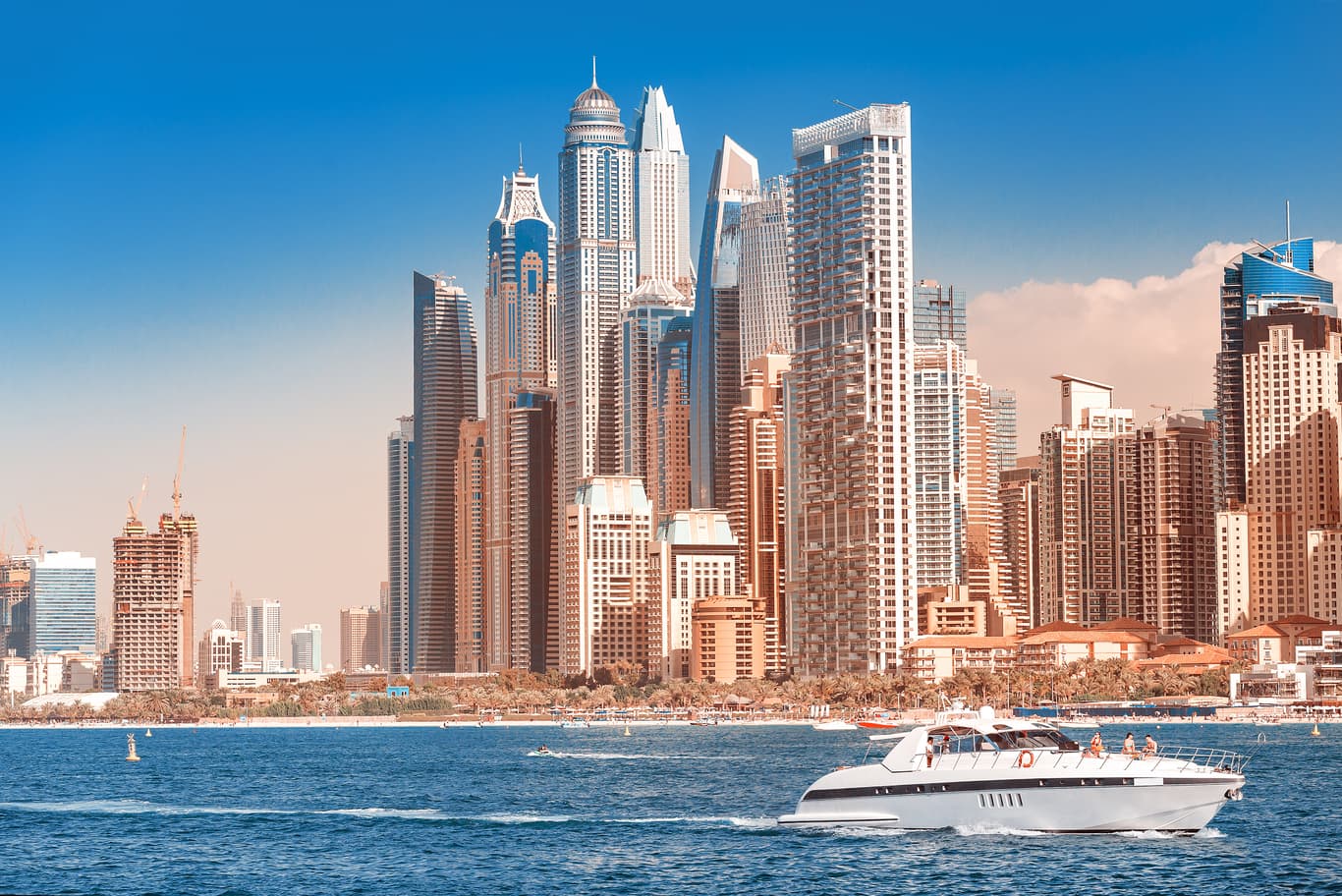
What Is Driving Dubai's Real Estate Boom in 2026?
Before understanding the implications for contractors, it helps to understand the forces behind the boom itself.
Dubai recorded over 180,000 real estate transactions in 2024, and the momentum has carried firmly into 2026. Several structural factors are driving this sustained demand rather than short-term speculation:
Population growth and migration. Dubai's population crossed 3.8 million in recent years and continues to grow, driven by global professionals, entrepreneurs, and high-net-worth individuals relocating permanently rather than temporarily. This demographic shift is creating sustained demand for residential units across all price points.
The 2040 Urban Master Plan. Dubai's government is actively developing five urban centres across the emirate, expanding the city's footprint and unlocking new land for residential, commercial, hospitality, and civic construction. The plan is not aspirational — it is being executed, and the infrastructure and building contracts that come with it are very real.
Hospitality and tourism targets. Dubai's ambition to attract 25 million tourists annually requires a significant expansion of hotel inventory, resort developments, and mixed-use leisure destinations. International hotel brands are signing management agreements on projects that need to be built and delivered on aggressive timelines.
Global capital reallocation. Political uncertainty in Europe and regulatory pressure in Asian markets has redirected investment capital toward Dubai, which offers zero income tax, freehold ownership for foreigners, and a transparent legal framework for property rights. This has intensified demand particularly in the luxury and ultra-luxury residential segments.
For contractors, these forces combine into a single reality: the pipeline of construction work in Dubai is deeper and more diverse than at any point in the last fifteen years. The question is not whether there is work — it is whether you are the contractor who wins it.
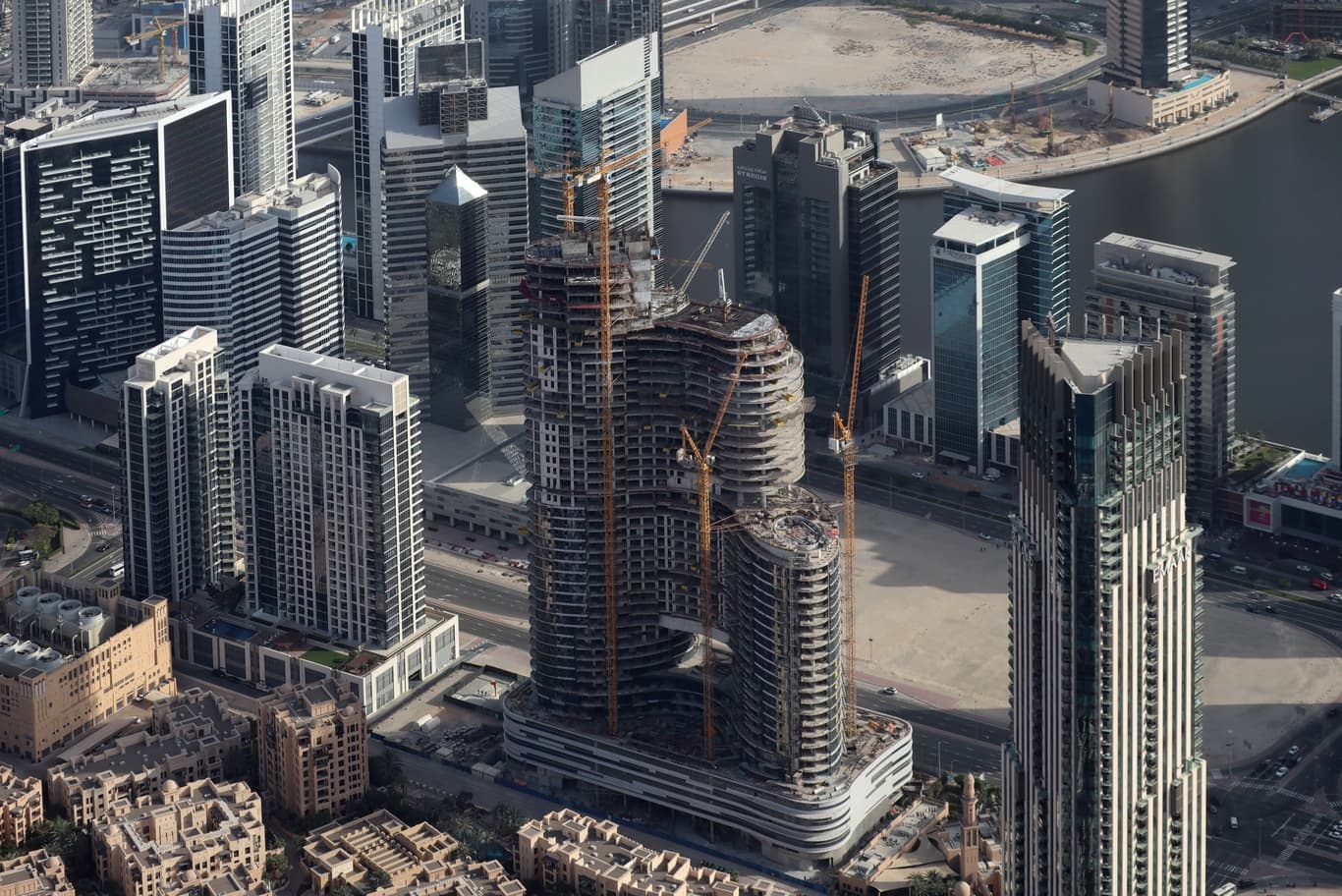
The Sectors Generating the Most Opportunity for Contractors
Not every segment of the market is growing at the same pace. Contractors who align their specialisation and capacity to the right sectors will capture significantly more value from this cycle.
Luxury Residential and Branded Residences
This is where investor capital is most concentrated. Developers are delivering high-specification villas, branded apartment towers, and private island communities across Palm Jebel Ali, Jumeirah, and the new communities pushing toward Dubai's southern and eastern boundaries. These projects demand contractors with proven capability in premium finishes, complex MEP systems, and international subcontractor management. The margins are typically stronger than mass-market residential, but the quality expectations and contractual scrutiny are proportionally higher.
Hospitality Construction
Hotel and resort construction is surging across Dubai, and the financial dynamics of these projects put enormous pressure on delivery timelines. For a developer financing a 300-key five-star hotel, every month of delay represents significant foregone revenue and compounding interest costs. Understanding how developers think about time-to-market and carrying costs is essential for contractors pursuing this segment. The strategic framework behind this is covered in detail for contractors who want to align with developer priorities when bidding on hospitality projects.
Infrastructure and Master Community Development
The 2040 Urban Master Plan requires roads, utilities, schools, mosques, retail corridors, and civic amenities to be delivered alongside residential units. Civil contractors, MEP specialists, landscaping firms, and fit-out companies all find substantial work in community development programmes. These contracts tend to offer more predictable cashflows than competitive luxury tenders and provide a stable foundation for smaller and mid-sized contracting businesses.
Affordable and Mid-Market Residential
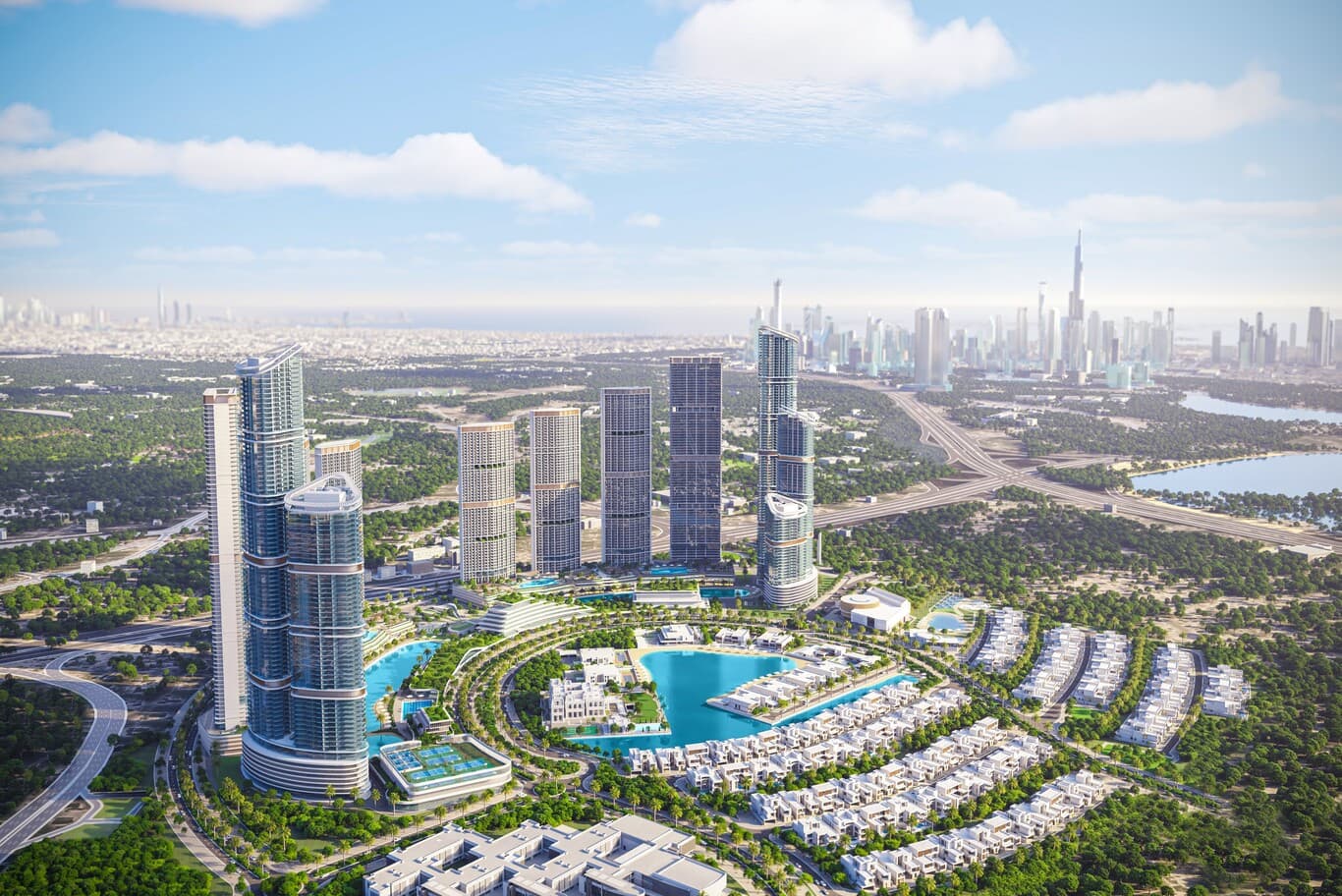
While headline attention focuses on luxury, Dubai's growing workforce also requires affordable housing. Developer programmes targeting mid-market buyers are creating a consistent volume of residential construction work across Dubailand, Dubai South, and Jumeirah Village. Contractors who can deliver reliably at pace and margin in this segment have a sustainable business model that is less exposed to luxury market cycles.
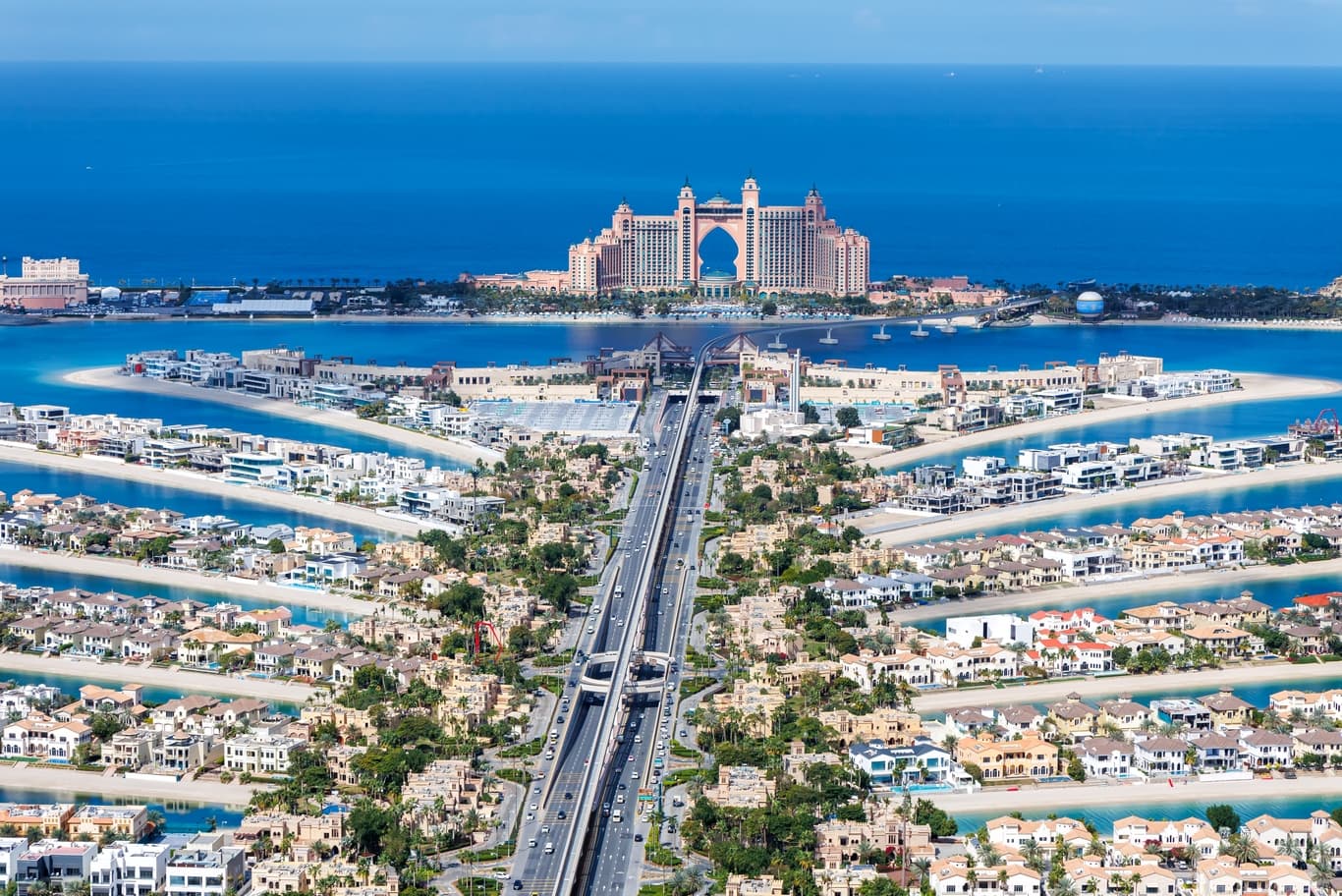
What Developers Are Demanding from Contractors in 2026
The boom has not made developers less selective. It has made them more selective. With billions of dirhams committed to off-plan launches and investor expectations running high, developers and principals are conducting more rigorous pre-qualification exercises than at any previous point in Dubai's construction history.
When evaluating contractor shortlists, the consistent themes that come up across pre-qualification processes include:
Delivery track record. Not just a portfolio of projects started, but projects completed — on time, within budget, and without significant dispute. Developers are requesting completion certificates, client references, and handover documentation as standard. A single high-profile project is less compelling than a consistent pattern of reliable delivery across multiple asset types.
Financial health and stability. Contractors who cannot demonstrate financial robustness — including working capital adequacy, bonding capacity, and audit-ready accounts — are increasingly being removed from shortlists at the pre-qualification stage. Developers have seen too many projects stall mid-construction due to contractor insolvency, and they are building financial due diligence into procurement processes as a standard safeguard.
Regulatory standing. Active, unencumbered licensing from Dubai Municipality and RERA compliance is non-negotiable. Any gaps, lapses, or disputes on record are red flags that can disqualify a contractor regardless of how strong the rest of their submission is.
Health, safety, and sustainability credentials. Developers with international investors are being asked to demonstrate ESG compliance across their projects. Contractors who can evidence strong HSE records and sustainable construction practices — including waste reduction, embodied carbon management, and Estidama or LEED alignment — have a meaningful differentiator in RFP evaluations.
The Competitive Pressure Contractors Cannot Ignore
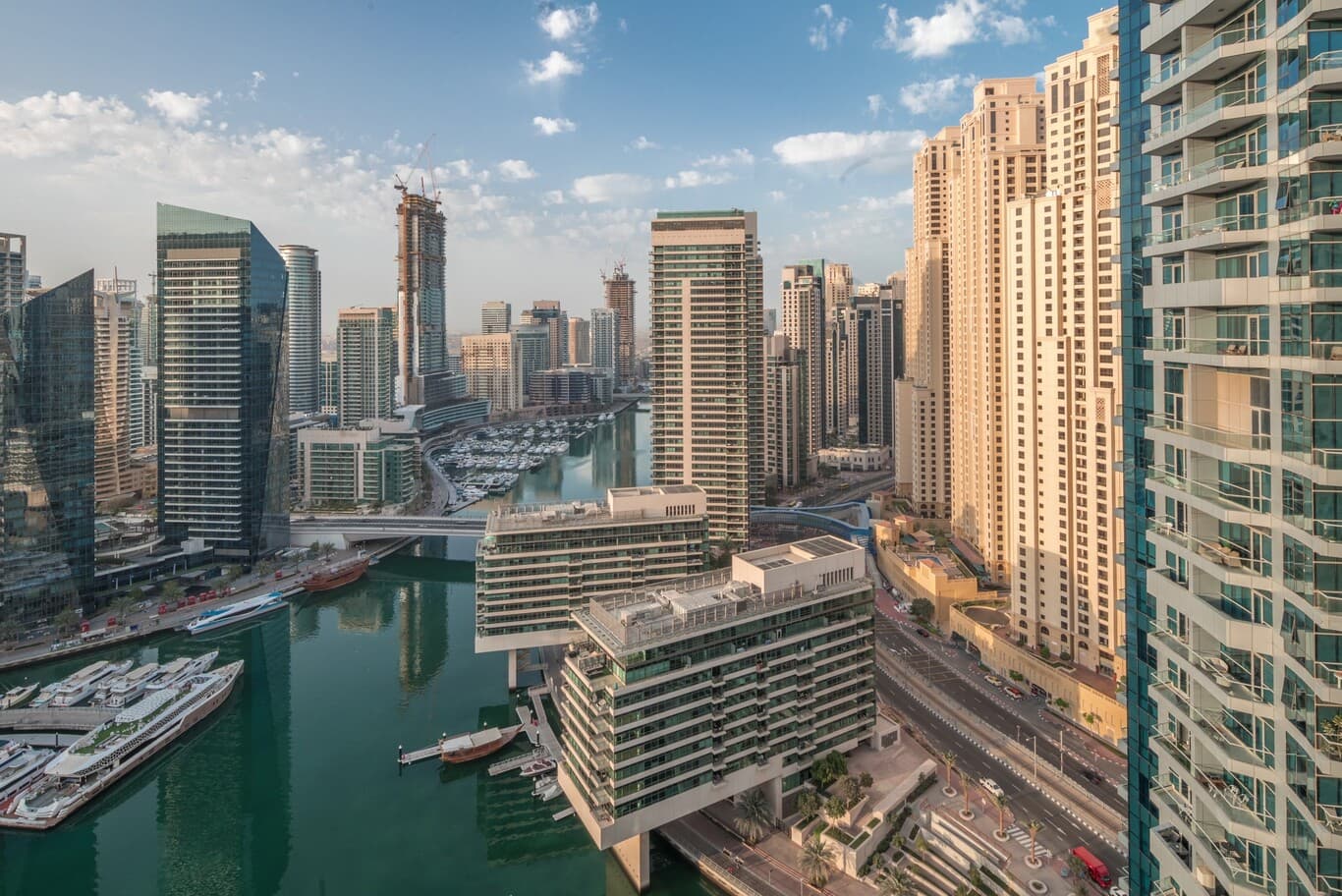
A booming market attracts entrants. Dubai in 2026 is seeing an influx of regional and international contractors who have identified the opportunity and are competing directly for the same tenders. Egyptian, Indian, South Korean, and European contractors are all active in the market, and some bring significant balance sheet depth and international project references that local competitors find difficult to match on paper.
At the same time, clients who have experienced project failures during previous boom cycles have become far more disciplined about who they appoint. The result is a market with more work available but proportionally tougher competition for the best projects.
This means that the contractors who will thrive in this environment are not those chasing the highest volume of tenders — they are the ones who are building the right reputation, maintaining the right relationships, and submitting tenders that are genuinely competitive rather than speculative.
How to Win High-Value Contracts in a Competitive Market
Winning the right work in Dubai's 2026 environment requires more than a low price and a capable team. Developers and their procurement advisors are evaluating the full contractor profile, and the RFP process has become the primary filter through which capability and trustworthiness are assessed.
Here is what contractors need to focus on to convert opportunities into awarded contracts:
Build a submission that answers the right questions. A well-structured RFP response addresses the developer's specific concerns about risk, timeline, and quality — not just the standard boilerplate. Contractors who take the time to understand the developer's priorities and reflect that understanding in their methodology statements consistently outperform those who submit generic responses.
Lead with your delivery evidence. Case studies, client testimonials, and handover documentation from comparable projects are your most powerful commercial tools. Quantify outcomes wherever possible — percentage on-time delivery, zero defects at handover, retained clients — because numbers are harder to dismiss than qualitative claims.
Be transparent about your supply chain. Developers have learned that contractor failure often originates in subcontractor or supplier failure. Pre-qualifying your supply chain and being willing to share that information demonstrates maturity and reduces perceived risk for the principal.
Price to win, not just to compete. Unrealistically low bids are increasingly treated with suspicion rather than enthusiasm. Experienced developers know that a contractor who cannot make a sustainable margin will cut corners or eventually walk off the job. A well-reasoned, commercial price with clear scope definition is more likely to win than a race-to-the-bottom submission.
Conclusion: The Boom Rewards the Prepared
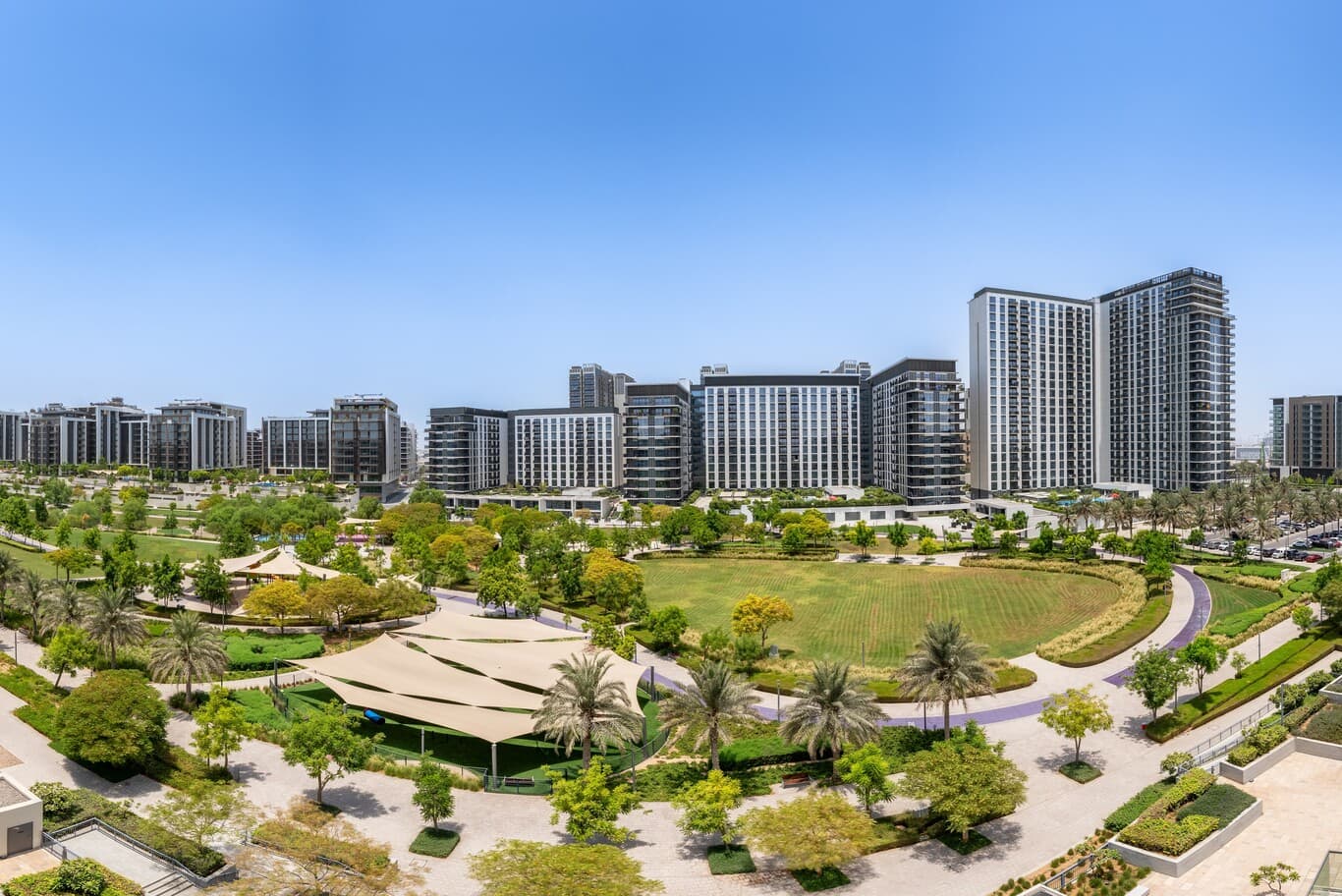
Dubai's real estate surge in 2026 is a genuine, multi-year opportunity for contractors who approach it with strategic clarity. The work is there. The demand is real. But so is the competition, and so are the expectations.
The contractors who will define this era are not those who scramble to chase every opportunity the boom presents. They are the ones who have built the credentials, the systems, and the relationships that make them the obvious choice when developers sit down to build their shortlists.
Understand what developers are looking for. Build a submission that earns trust. Price with integrity. Deliver on every promise. In a market this active, a reputation for reliability is the single most valuable asset a contracting business can hold.
Related Insights
- The boom fits broader patterns. Review comprehensive UAE construction trends and analysis.
- Contractor selection during the boom: Market conditions affect partner choices. Learn how to identify qualified contractors in competitive markets and see why the cheapest option becomes more dangerous during booms.
- Sector opportunities: The boom affects different sectors. Explore luxury villa construction driving market growth.
Work With Capital Associated Building Contracting LLC
Capitalise on Dubai's growth with established contractors Dubai who maintain quality and capacity during market expansion. Our project delivery UAE remains reliable when demand challenges less-prepared competitors.
Build during the boom with a stable partner.
Frequently Asked Questions
Is Dubai's real estate boom sustainable for contractors beyond 2026?
The fundamentals supporting Dubai's construction demand — population growth, the 2040 Urban Master Plan, tourism targets, and continued foreign investment — are structural rather than cyclical. While no market grows indefinitely in a straight line, the multi-year infrastructure commitments and off-plan project pipelines already in delivery suggest sustained construction activity through at least the end of this decade. Contractors building long-term capacity and relationships now are positioning for a decade of opportunity, not a short-term spike.
What types of contractors are most in demand in Dubai right now?
High-specification residential contractors, hospitality construction specialists, MEP engineering firms, and civil infrastructure contractors are all experiencing strong demand. There is also a significant need for fit-out contractors with luxury and branded residence experience as the wave of premium developments approaches handover.
How can a mid-sized contractor compete against large international firms on Dubai tenders?
Local knowledge, established supply chains, regulatory familiarity, and the ability to mobilise quickly are genuine advantages for Dubai-based contractors that international entrants often lack. Mid-sized firms can also offer senior management attention to individual projects in a way that large corporations frequently cannot. The key is to select tenders where those advantages matter most and to present them clearly in RFP submissions.
What is the biggest risk for contractors in a booming market?
Overextension. Taking on more projects than the business can staff, finance, and manage is the most common cause of contractor failure during boom periods. Discipline around capacity, selective tendering, and maintaining cash reserves against inevitable payment delays is as important during growth as it is during downturns.