
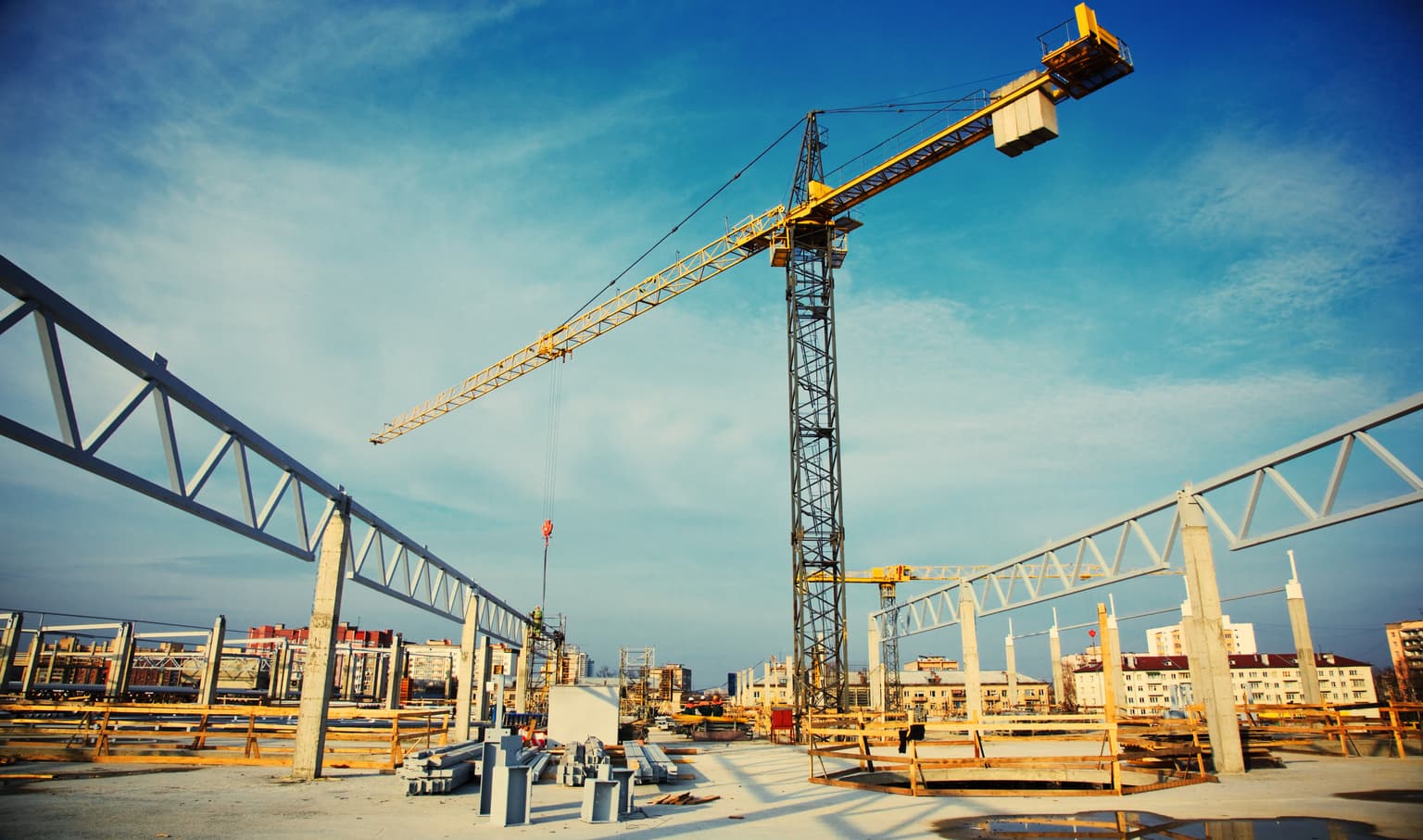
Key considerations for commercial development: site selection, zoning, budgeting, design, construction & post-completion management.
Commercial development projects demand extensive planning and strategic foresight. Developers in Dubai and construction companies in UAE face unique challenges, from site selection to regulatory compliance. This guide explores essential considerations and offers practical tips to ensure project success.
Understanding the Importance of Site Selection
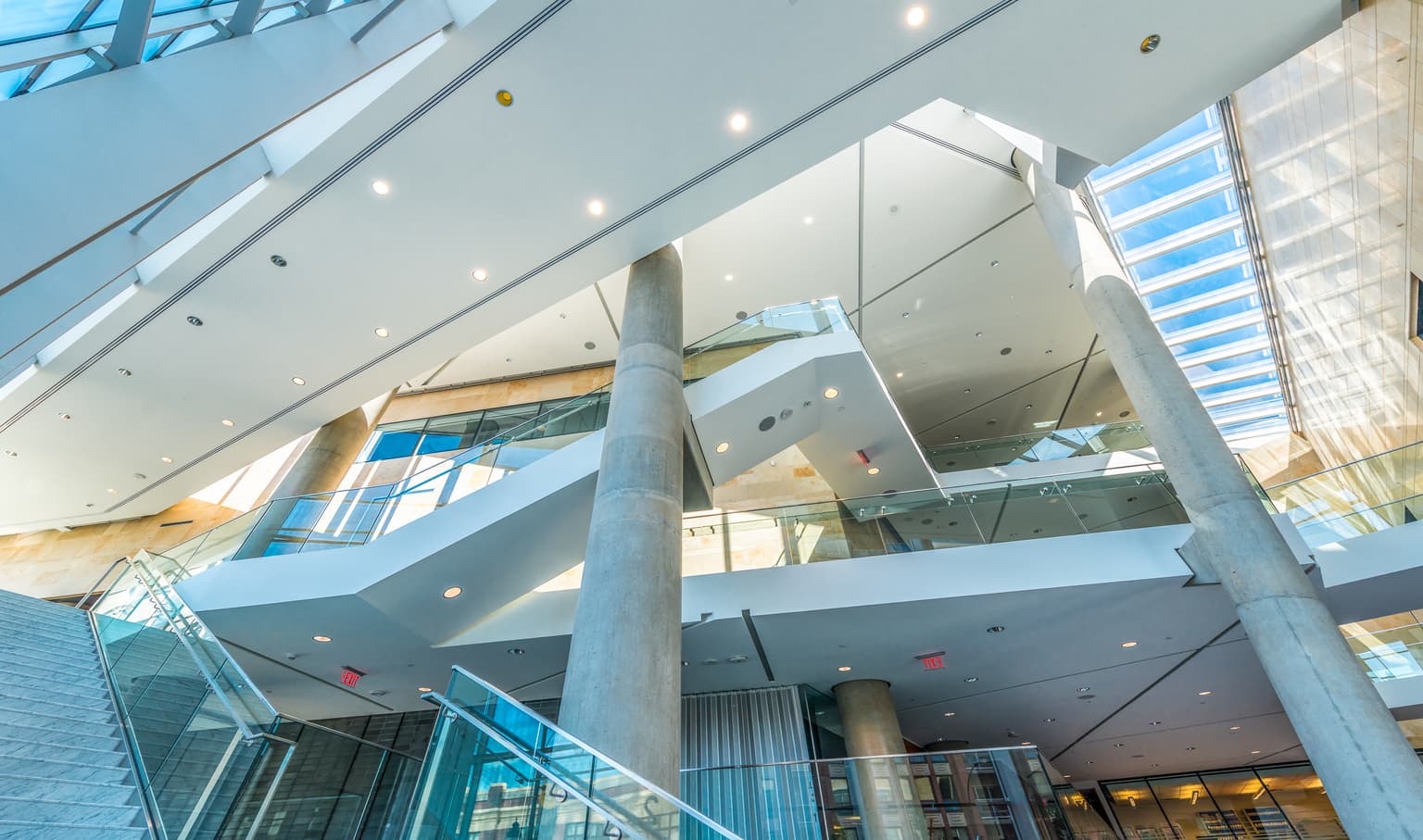
Location and Accessibility
Selecting the right site is crucial. The location should offer easy access for customers and employees. Proximity to major transportation hubs, like highways and public transit, enhances accessibility.
Space and Future Growth
Consider the space required for current needs and future expansion. Evaluate the potential for growth in the surrounding area to accommodate business evolution.
Environmental and Feasibility Studies
Conduct thorough environmental impact assessments to identify any potential issues. Feasibility studies provide insights into the site's suitability, helping to avoid costly mistakes.
Tips:
- Choose a location with good infrastructure.
- Ensure the site has enough space for future expansion.
- Conduct both environmental and feasibility studies early in the process.
Zoning Laws and Permits

Understanding Local Zoning Regulations
Each area has specific zoning laws dictating land use. Familiarize yourself with these regulations to ensure the project aligns with legal requirements.
Permit Acquisition Process
Engage with local authorities to secure necessary permits. Early involvement can prevent delays and ensure the project stays on schedule.
Tips:
- Consult with local zoning experts.
- Start the permit application process early.
- Maintain regular communication with local authorities.
Conducting a Comprehensive Market Analysis

Demand and Competition
Analyze market demand to ensure there is a need for the proposed development. Study the competition to identify gaps in the market.
Demographic Studies
Understand the demographics of the area. This information helps tailor the development to the needs of potential customers and tenants.
Economic Trends
Stay informed about economic trends that could impact the project. This includes understanding the local economy and broader market conditions.
Tips:
- Use market research tools to gather data.
- Focus on both current demand and future trends.
- Analyze competitor strengths and weaknesses.
Financial Planning and Budgeting
Creating a Detailed Budget
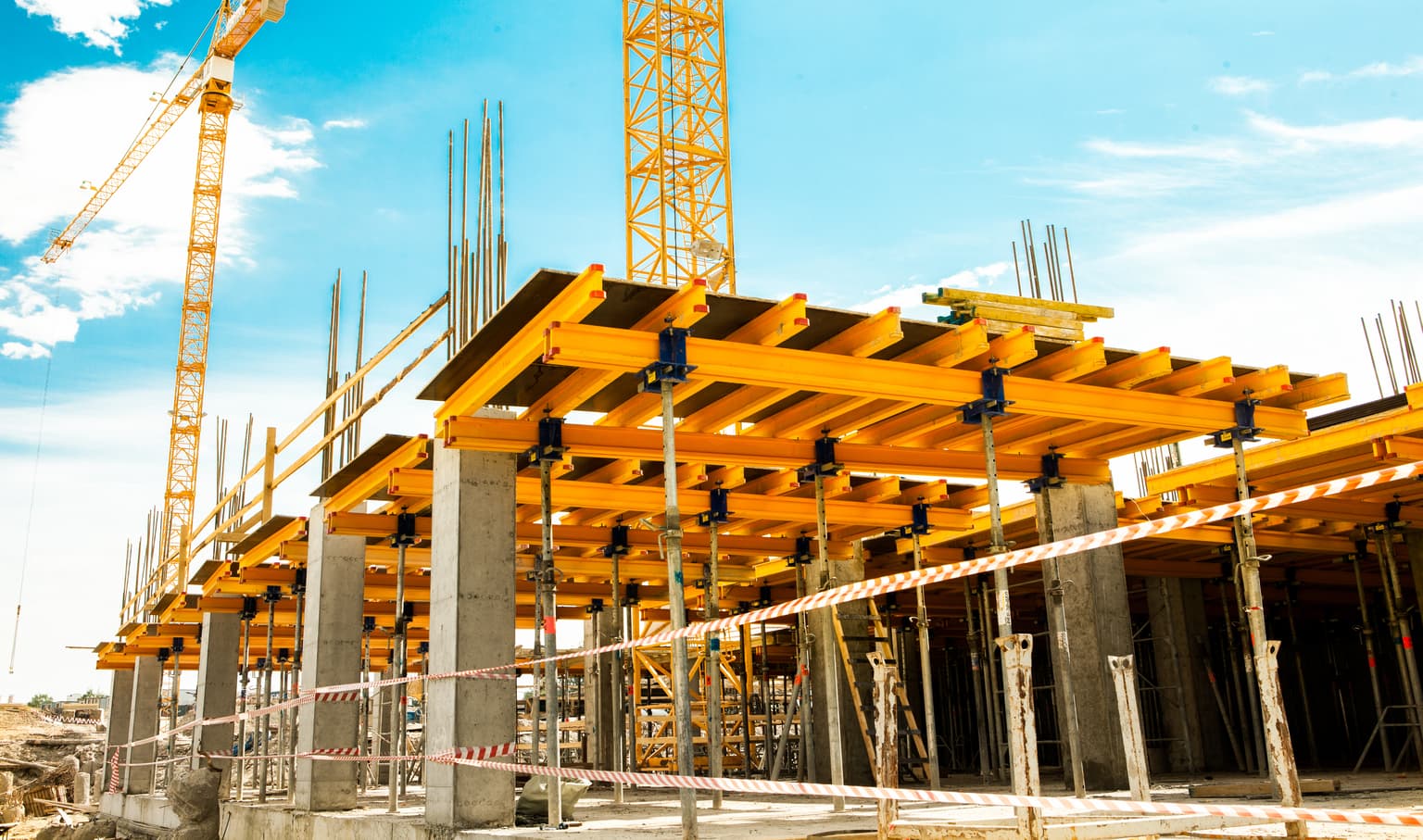
A comprehensive budget covering all phases from planning to construction is essential. Allocate resources efficiently to avoid overspending.
Securing Financing
Explore various financing options, including loans, grants, and investments. Ensure the financial plan is robust and adaptable to changes.
Cost Management Strategies
Implement cost management strategies to monitor and control expenses. Regular financial reviews help maintain budget adherence.
Tips:
- Develop a detailed and realistic budget.
- Explore diverse financing options.
- Regularly review and adjust the financial plan.
Innovative Design and Architecture
Aesthetic Appeal and Functionality
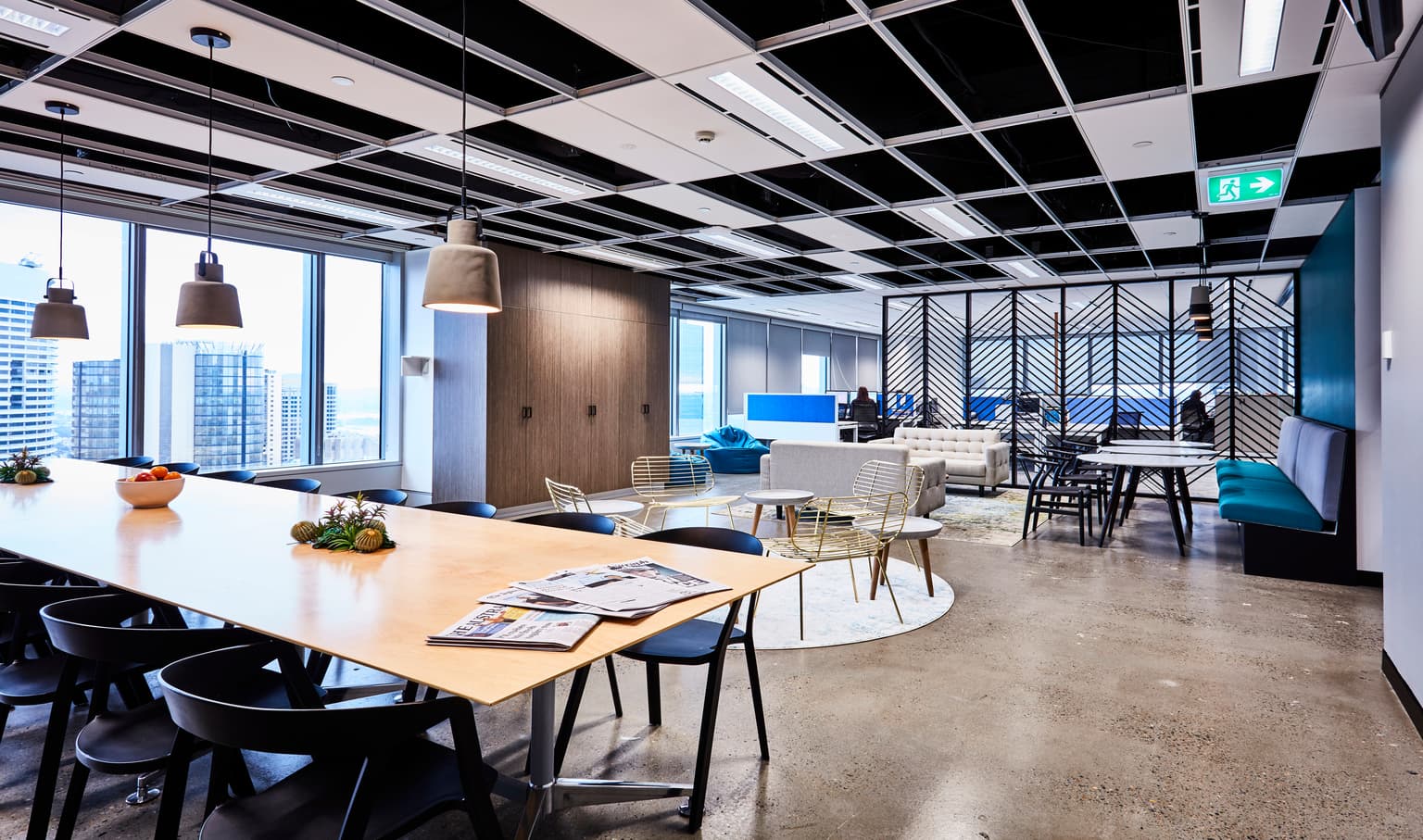
Design buildings that are visually appealing and meet functional requirements. Consider both interior and exterior design elements.
Sustainable Practices
Incorporate sustainable practices in design and construction. This includes using eco-friendly materials and energy-efficient systems.
Collaboration with Architects
Work closely with experienced architects to ensure the design aligns with current trends and standards.
Tips:
- Balance aesthetic appeal with practical functionality.
- Incorporate sustainable and energy-efficient practices.
- Collaborate with reputable architects and designers.
Effective Construction Planning

Developing a Project Schedule
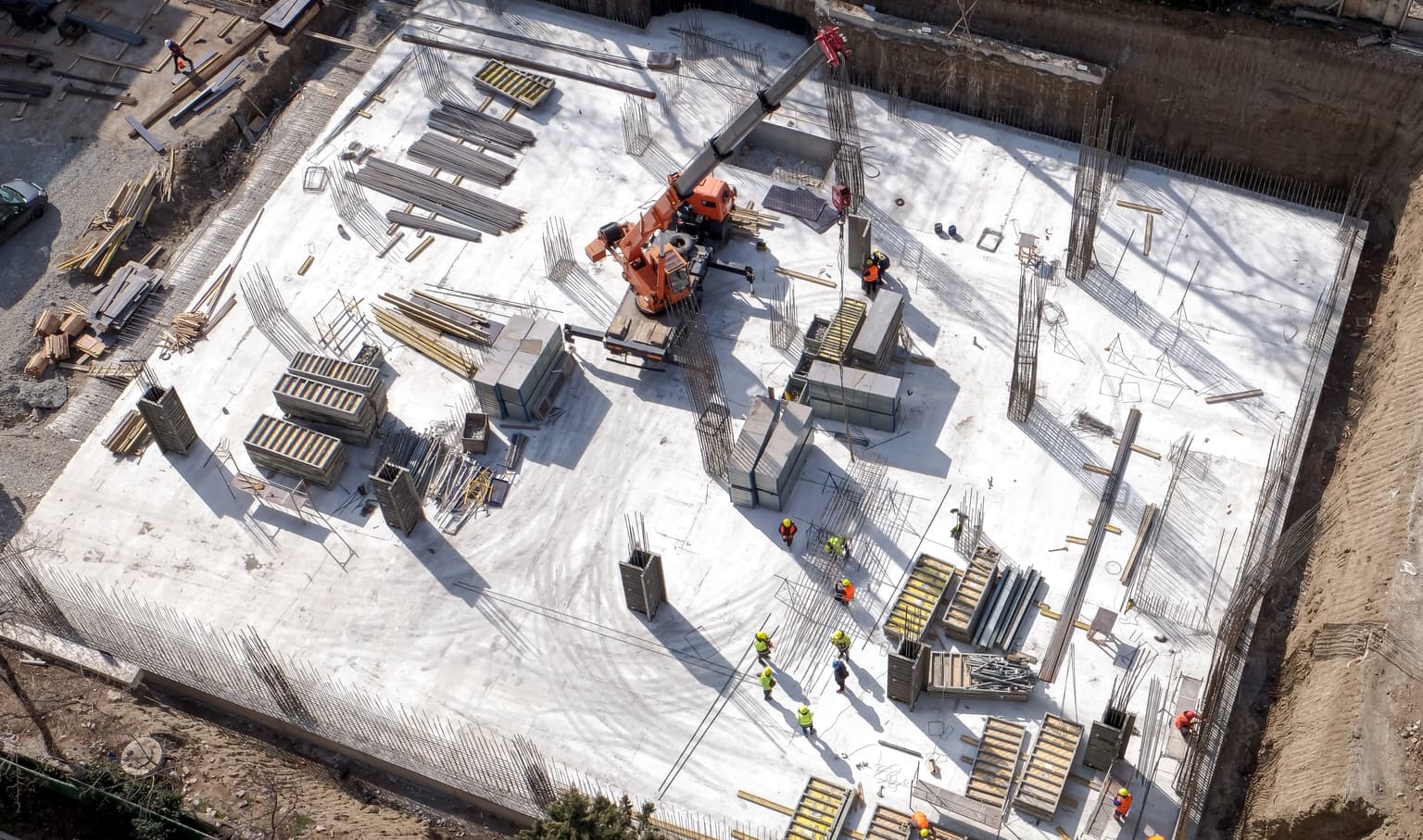
Create a detailed project schedule outlining each phase of construction. This helps ensure timely completion and resource allocation.
Resource Management
Efficiently manage resources, including labor, materials, and equipment. Regular site inspections ensure adherence to the plan.
Risk Mitigation
Identify potential risks and develop contingency plans. Regularly review and update the risk management plan.
Tips:
Develop a detailed construction timeline.
Regularly monitor resource allocation.
Implement a robust risk management strategy.
Embracing Sustainability and Environmental Responsibility
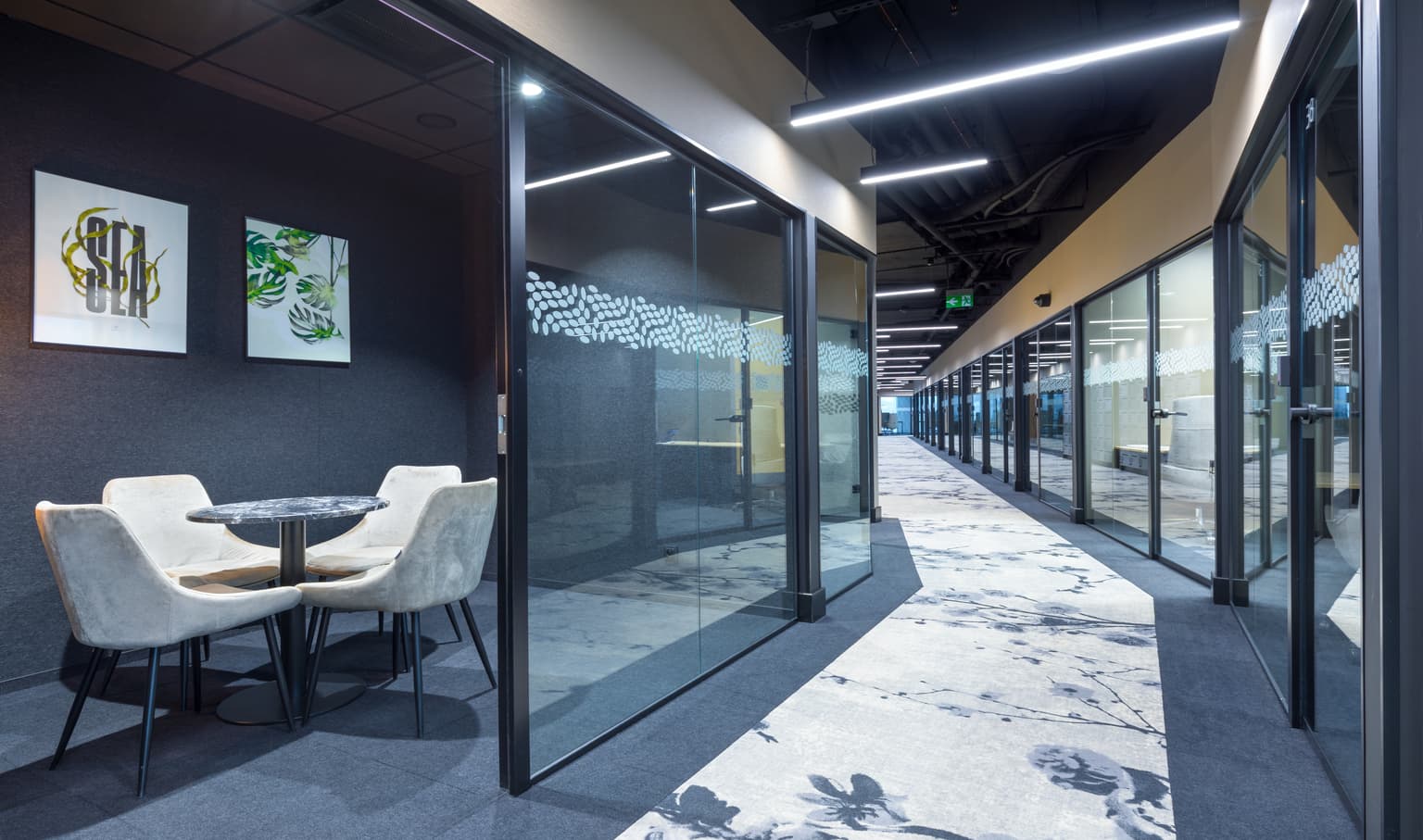
Eco-Friendly Building Materials
Choose sustainable building materials to reduce environmental impact. This includes using recycled or locally sourced materials.
Energy Efficiency
Incorporate energy-efficient systems, such as solar panels and LED lighting. These not only reduce costs but also enhance the building's sustainability.
Environmental Impact Assessments
Conduct assessments to understand and mitigate any negative environmental impacts. This ensures compliance with regulations and promotes sustainability.
Tips:
- Use eco-friendly and sustainable materials.
- Implement energy-efficient systems and technologies.
- Regularly conduct environmental impact assessments.
Integrating Advanced Technology
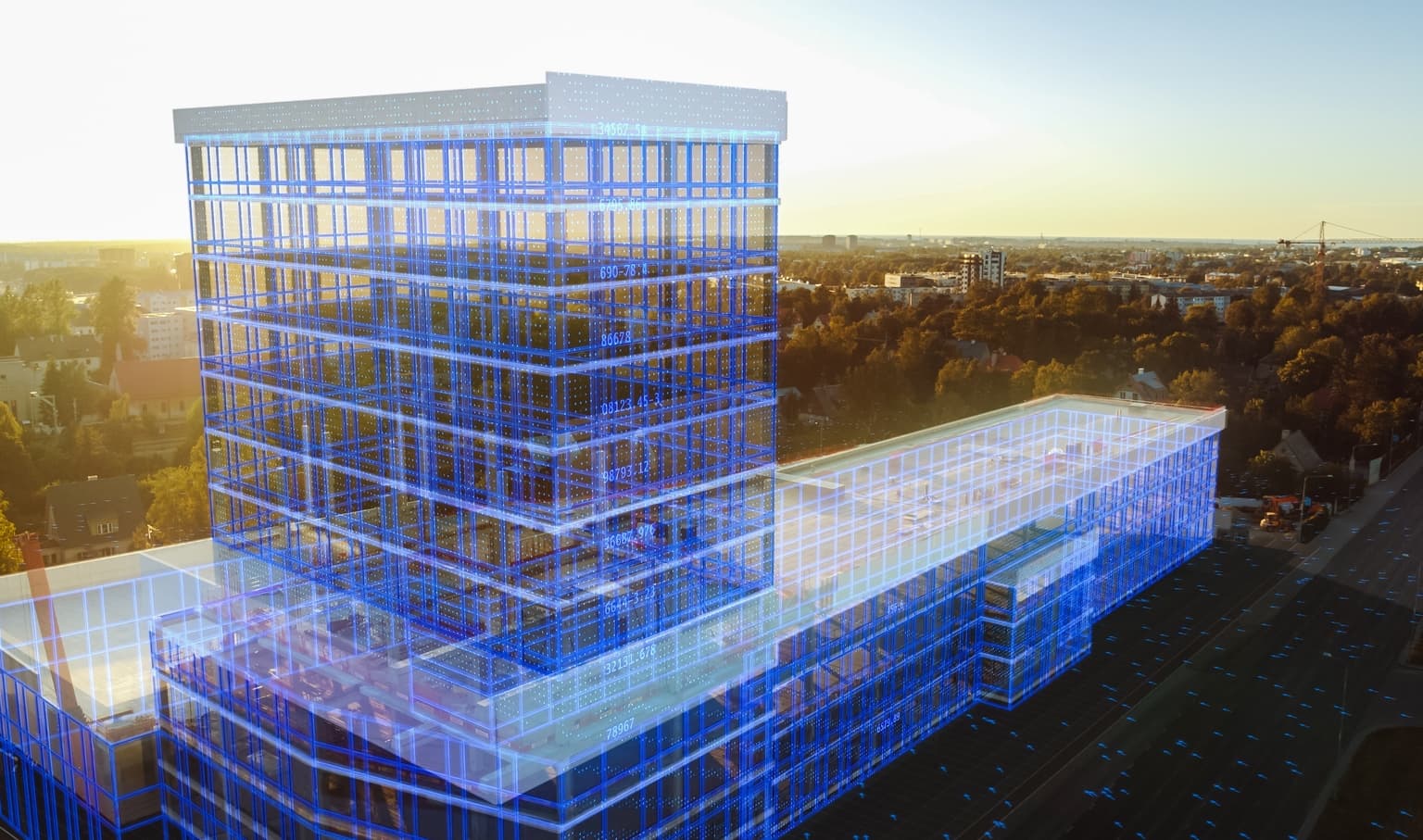
Building Information Modeling (BIM)
Utilize BIM for efficient design and construction processes. BIM helps in visualizing the project and identifying potential issues early.
Smart Building Systems
Integrate smart building systems for energy management and security. These technologies improve operational efficiency and reduce long-term costs.
Automation and IoT
Incorporate automation and Internet of Things (IoT) technologies to enhance building functionality. These innovations improve user experience and operational efficiency.
Tips:
- Implement BIM for better project visualization.
- Use smart building systems for energy and security management.
- Explore automation and IoT technologies for enhanced functionality.
Legal and Regulatory Compliance
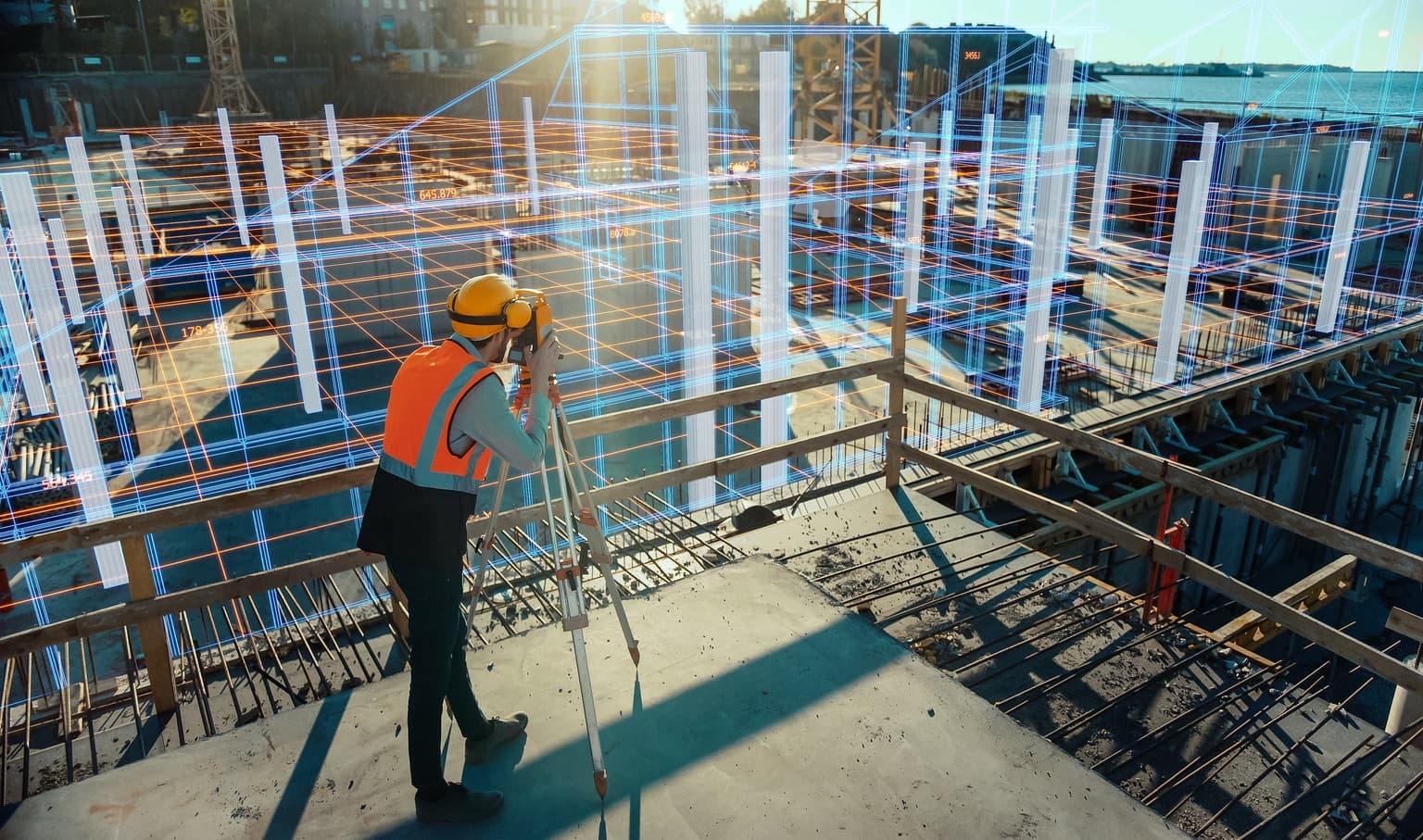
Contract Management
Ensure all contracts are clear and legally binding. Engage legal experts to review and draft contracts, preventing potential disputes.
Labor and Safety Regulations
Comply with all labor and safety regulations to protect workers and avoid legal issues. Regular safety audits ensure adherence to standards.
Dispute Resolution
Develop strategies for resolving disputes efficiently. This includes having a legal team ready to address any issues that arise.
Tips:
Engage legal experts for contract management.
Regularly review and comply with labor and safety regulations.
Have a dispute resolution strategy in place.
Community Engagement and Stakeholder Communication
Public Consultations
Engage with the local community through public consultations. This helps gather valuable input and fosters positive relationships.
Stakeholder Involvement
Involve stakeholders in the planning process to ensure their needs and concerns are addressed. Regular updates and transparent communication build trust.
Positive Impact on Community
Ensure the project positively impacts the local community. This includes creating jobs and enhancing local infrastructure.
Tips:
- Conduct regular public consultations.
- Involve stakeholders early in the planning process.
- Focus on creating a positive community impact.
Marketing and Leasing Strategies
Developing a Marketing Plan
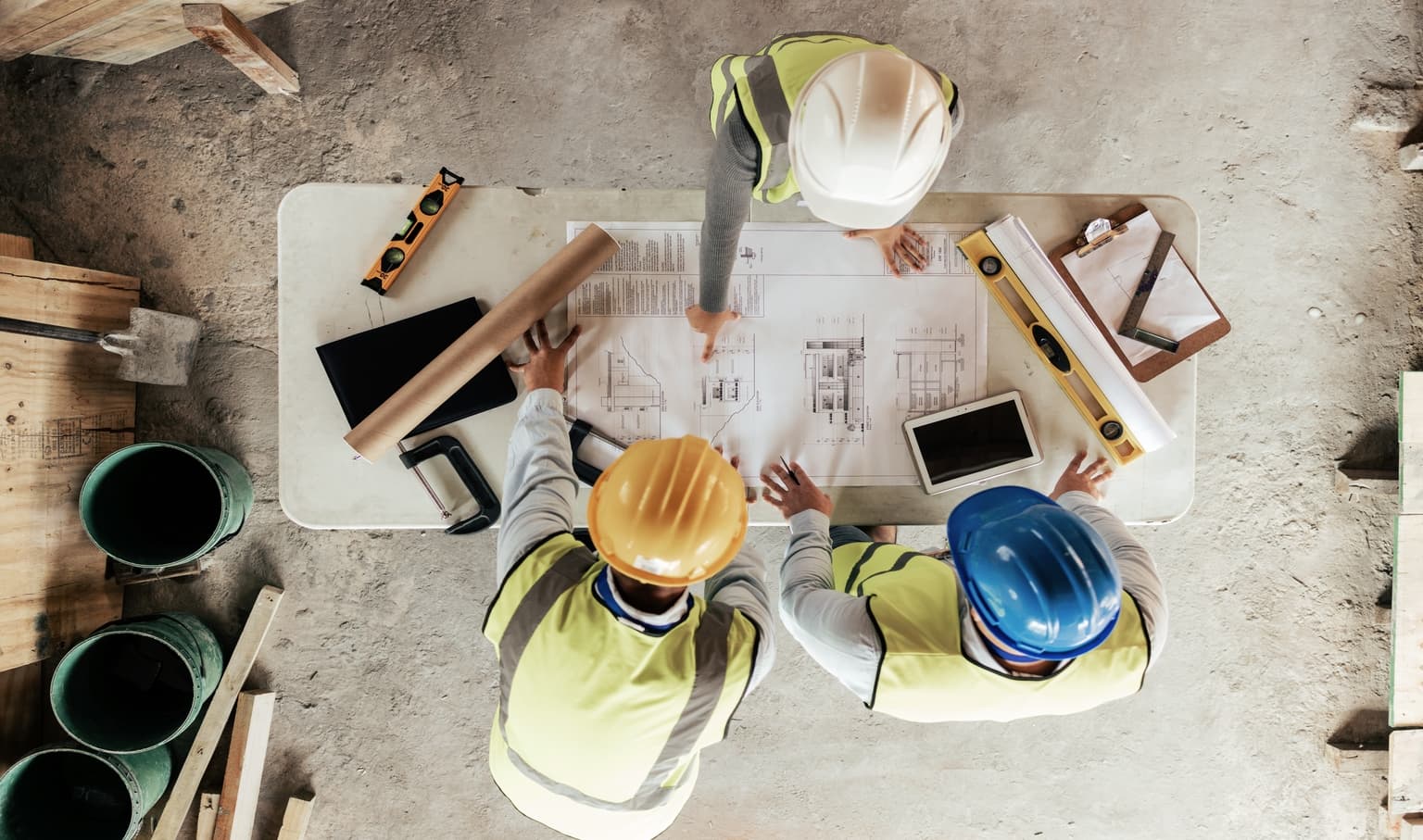
Create a comprehensive marketing plan highlighting the project's unique features. Use various channels, including digital marketing and traditional advertising.
Targeting Potential Tenants
Identify and target potential tenants through effective marketing strategies. This ensures high occupancy rates and project success.
Ongoing Marketing Efforts
Continue marketing efforts post-construction to maintain visibility and attract new tenants. Regular updates and promotions keep the project in the public eye.
Tips:
- Develop a detailed marketing plan early.
- Use diverse marketing channels to reach potential tenants.
- Maintain ongoing marketing efforts post-construction.
Efficient Post-Construction Management
Property Management
Implement effective property management practices to maintain the building's value and functionality. This includes regular maintenance and tenant relations.
Maintenance and Repairs
Schedule regular maintenance and prompt repairs to ensure the building remains in optimal condition. This prevents costly long-term issues.
Tenant Relations
Maintain positive tenant relations through clear communication and responsive service. Happy tenants contribute to the project's success and longevity.
Tips:
- Implement efficient property management practices.
- Schedule regular maintenance and repairs.
- Foster positive tenant relations through excellent service.
Conclusion
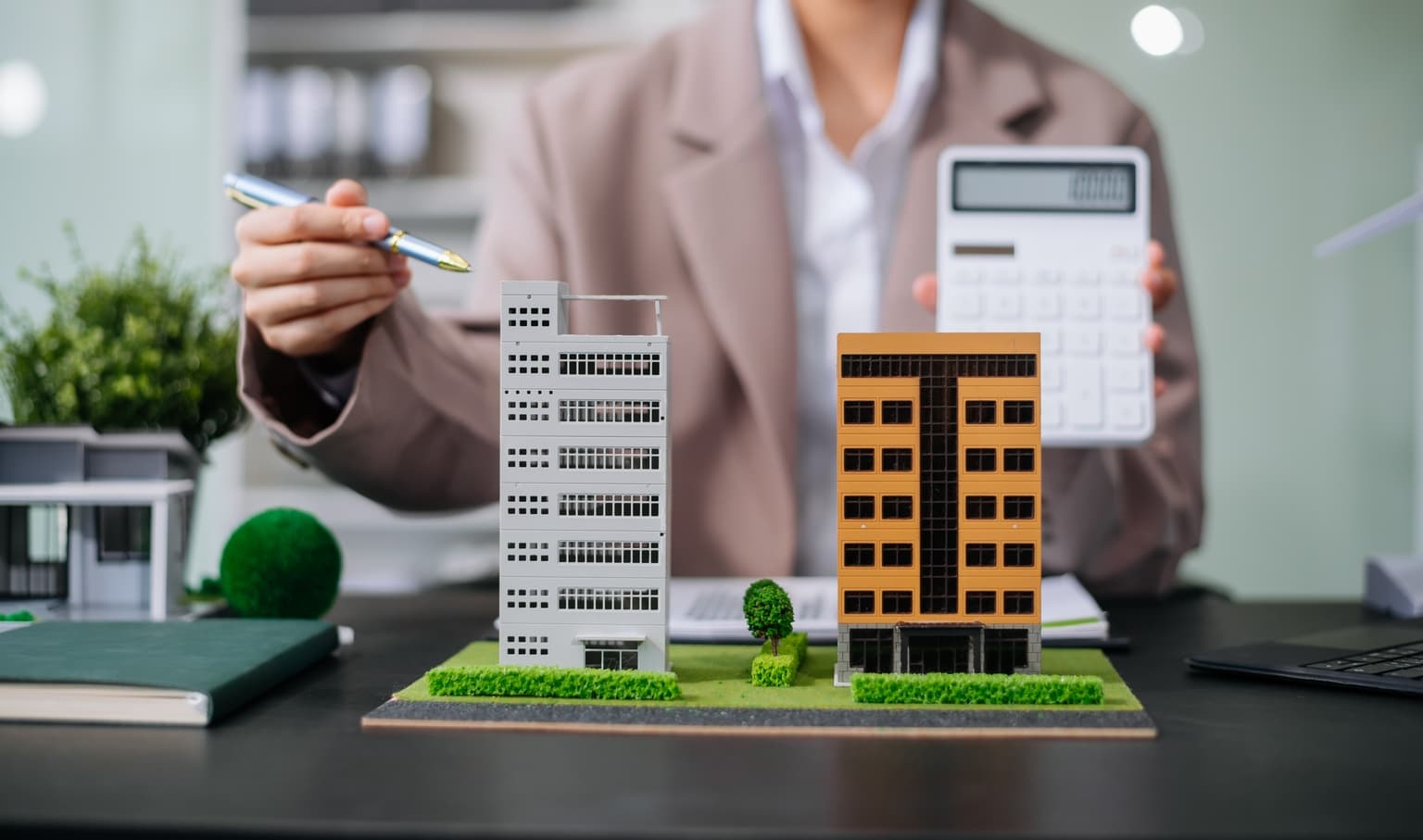
Planning a successful commercial development involves careful consideration of multiple factors. Developers in Dubai and construction companies in UAE must understand site selection, zoning laws, financial planning, and more. Addressing these key aspects and incorporating practical tips for projects, can achieve both aesthetic and functional success.
Related Topics
- Planning aligns with market movements. See commercial construction trends to consider in planning.
- Tenant requirements affect planning. Explore workspace design that attracts quality occupiers.
- Complex projects need integration. Learn coordinating specialty work in mixed-use developments.
- Pre-construction for commercial: Commercial projects benefit from early planning. See pre-construction services that protect project success.
Work With Capital Associated Building Contracting LLC
Plan your development with construction consultants Dubai who understand commercial market dynamics. Our project planning expertise ensures feasibility from concept through completion.
Plan your commercial development with expert guidance.
FAQ
1. What is the first step in planning a commercial development?
Site selection and feasibility analysis are the first critical steps. These determine whether the location supports the project’s commercial goals.
2. Why are zoning laws important in commercial projects?
Zoning laws define how land can be used. Understanding these regulations prevents legal issues and project delays.
3. How can developers control construction costs?
By creating detailed budgets, conducting regular financial reviews, implementing cost monitoring systems, and working with experienced contractors.
4. What role does technology play in commercial development?
Tools such as BIM and smart building systems improve planning accuracy, energy efficiency, operational control, and long term cost management.
5. Why is post construction management important?
Effective property management, maintenance planning, and tenant relations protect the asset’s value and ensure sustainable returns on investment.