
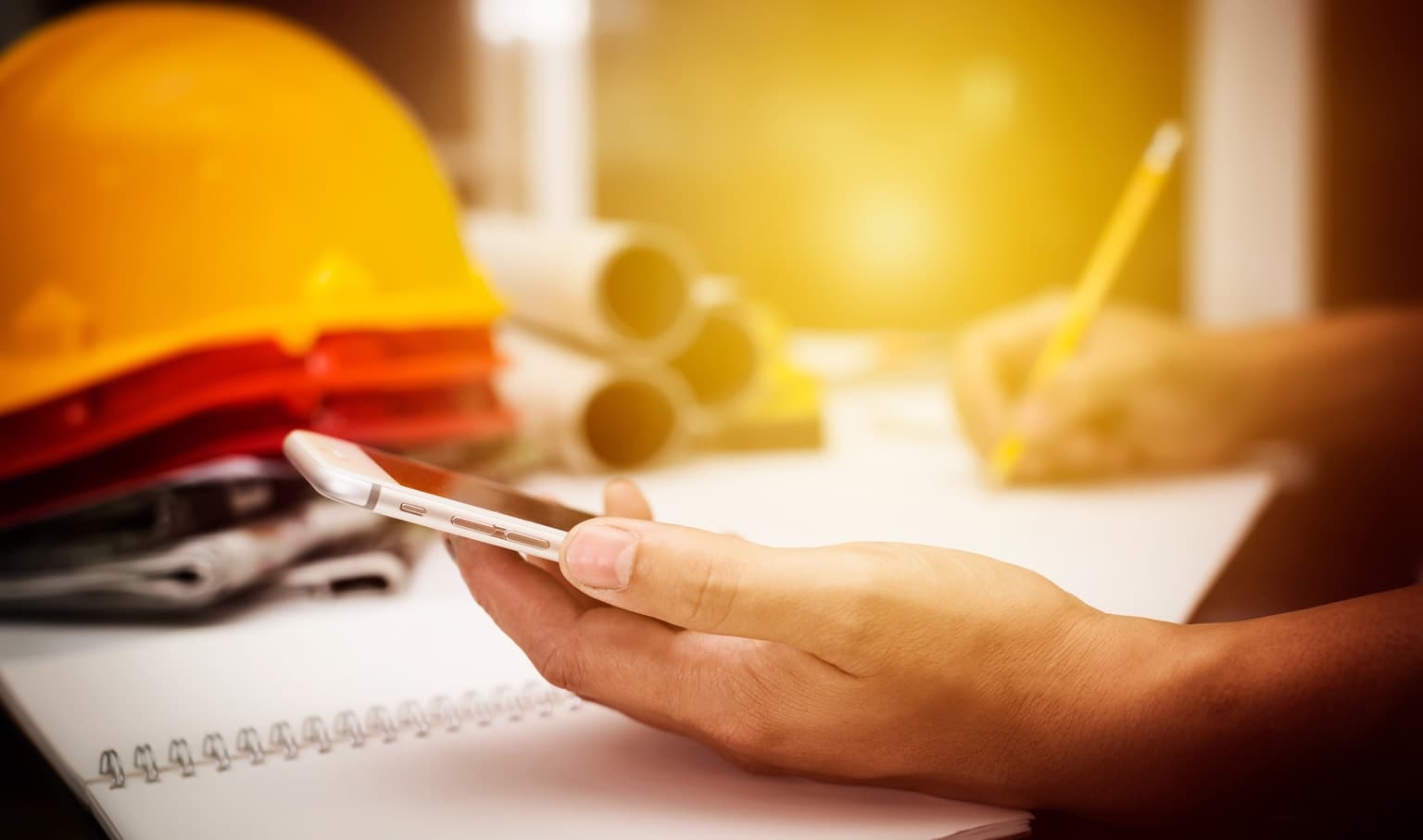
Cost-effective construction strategies: 3D printing, modular building, BIM & adaptive reuse to reduce costs without sacrificing quality.
Companies are constantly looking for new ways to reduce costs while maintaining high levels of quality and efficiency. Understanding and implementing advanced cost-effective solutions is critical in an industry characterized by ever-changing technologies and methodologies.
This comprehensive guide to developing technology, innovative materials, and advanced design and planning processes is created exclusively for architectural design firms and their clients to understand the execution timeline in a detailed look.
We hope to provide insights into how businesses might optimize their operations and projects while balancing cost-effectiveness with architectural brilliance.
Leveraging Technology in Architectural Design
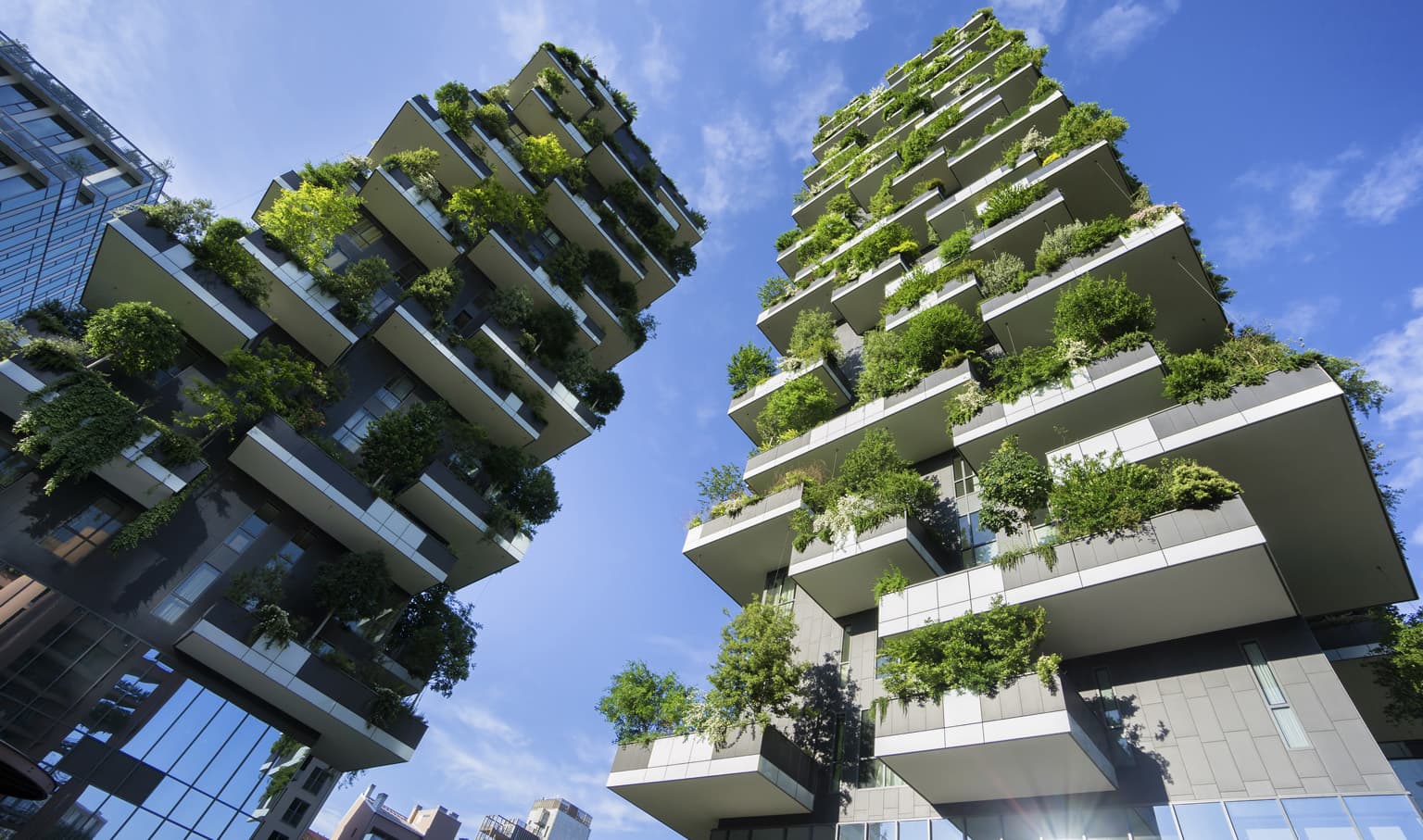
1. 3D Printing and Modular Construction
3D printing in design and construction, which is a rapidly growing technology, is transforming how structures are envisaged and built. 3D printing is a critical component of current architectural innovation since it enables advanced designs at a lower cost, reduces material waste, and speeds construction methods.
There are several benefits to modular construction, which include producing standardized modules in controlled settings and assembling them on-site. This approach reduces labor costs and shortens project deadlines, all of which are vital for maintaining construction's economic viability. It also enhances budget control.
2. Innovative Material Use
Exploring novel materials such as self-healing concrete and aerogels offers potential for long-term cost reductions and sustainability. Self-healing concrete, for example, greatly reduces maintenance costs by automatically fixing cracks. Aerogels, known for their insulating capabilities, help to create energy-efficient building designs, resulting in lower operating costs.
Sophisticated Design and Planning
1. Building Information Modeling (BIM)
BIM's importance in modern architecture cannot be overstated. It transforms project management by enhancing coordination, reducing errors, and ensuring that architects, engineers, and contractors work together more effectively. The capacity of BIM to manage a building's whole lifecycle, from inception to demolition, enables informed, cost-effective decisions throughout the building's lifespan.
2. Energy-Efficient and Sustainable Design
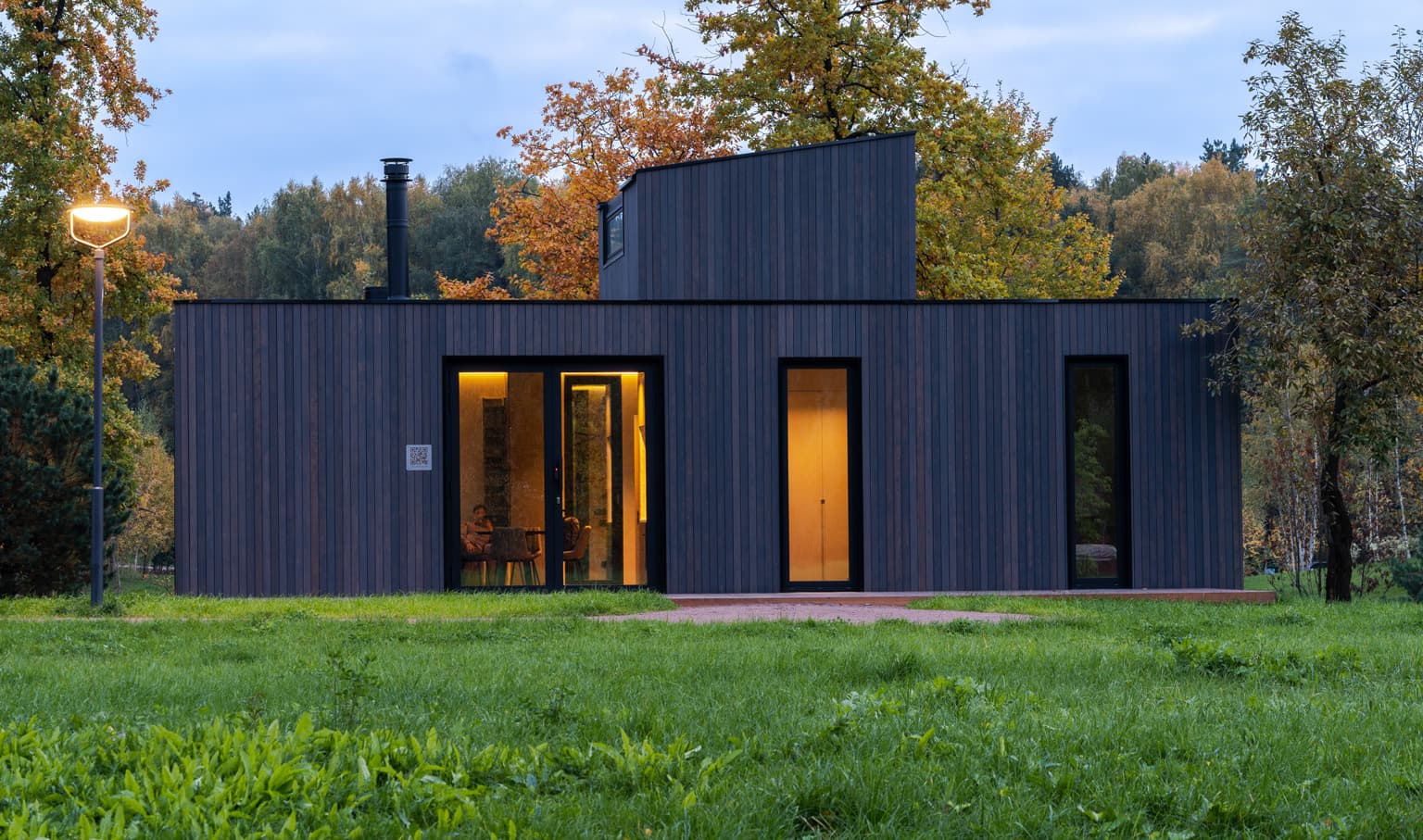
It is becoming more and more crucial to put sustainable design concepts, such passive solar design, into practice. Energy costs are lowered and environmentally friendly practices are upheld when heating, cooling, and lighting are provided by natural resources. Similarly, architects may simulate and optimize a building's energy performance with the use of energy modeling software, leading to more affordable and environmentally friendly designs.
3. Adaptive Reuse of Buildings
The adaptive reuse of existing structures serves a dual purpose. It preserves cultural heritage while reducing costs associated with new construction. This strategy demands creativity and innovation, allowing older buildings to be repurposed for modern functionalities.
Enhancing Client Engagement and Cost Management
1. Transparent Cost Planning
Keeping clients informed during the cost planning stage is critical. This transparency ensures that financial limits are successfully controlled and customer expectations are in line with realistic project outcomes.
2. Value Engineering
Value engineering is a systematic method to analyze design elements and construction methodologies to find cost reduction opportunities without compromising on quality or performance. This approach is fundamental in delivering cost-effective architectural solutions.
Conclusion
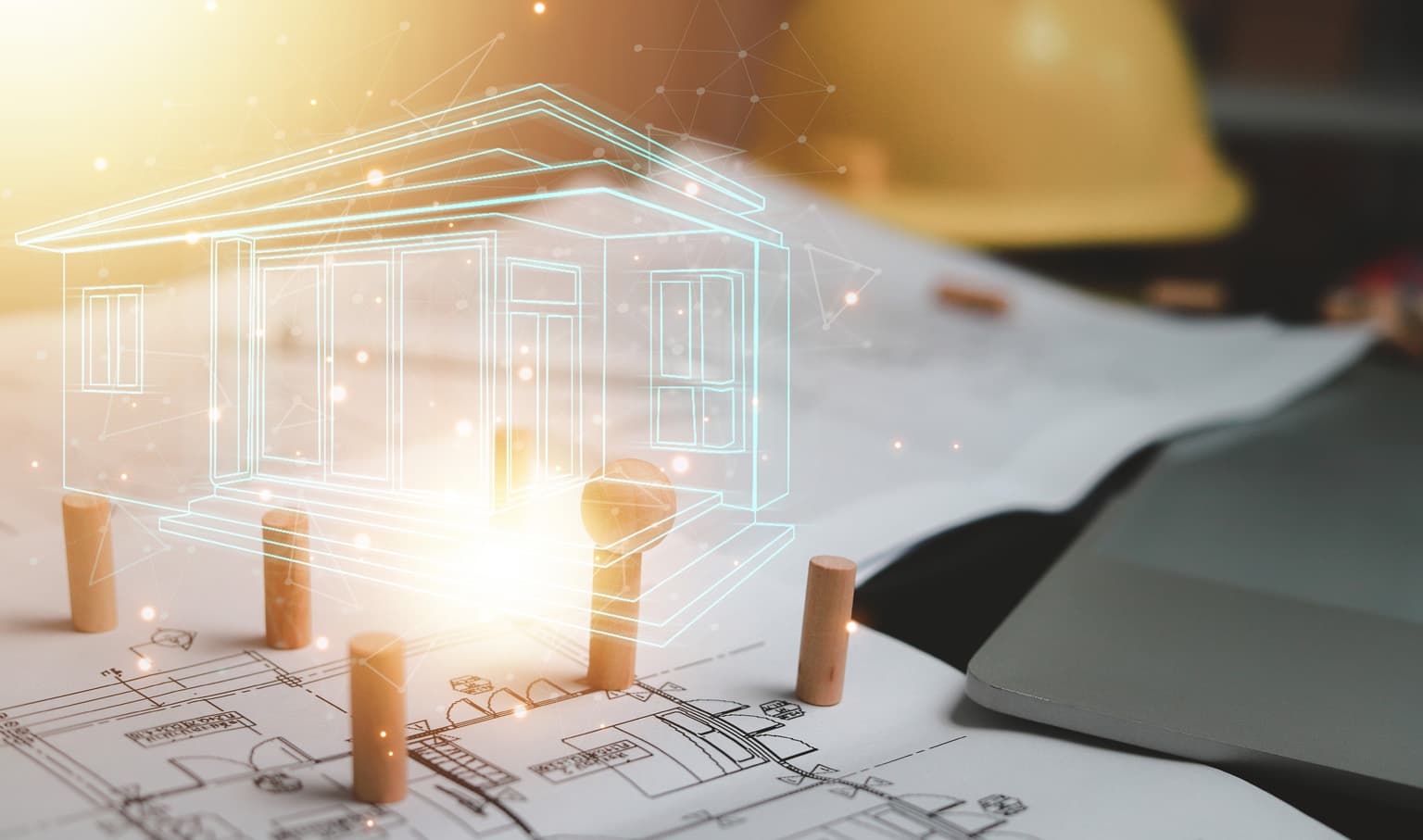
The implementation of these sophisticated cost-effective solutions represents a significant change in building design and construction practices for construction, design, and architectural companies.
Firms are well-positioned to provide high-quality, efficient, and economically viable architectural solutions by leveraging the possibilities of new technology, investigating creative materials, and utilizing advanced planning tools.
This approach benefits clients while also helping to ensure the architectural industry's long-term and ethical growth.
Check our contracting and construction services to search for your need.
Contact Capital Associated Building Contracting LLC Today
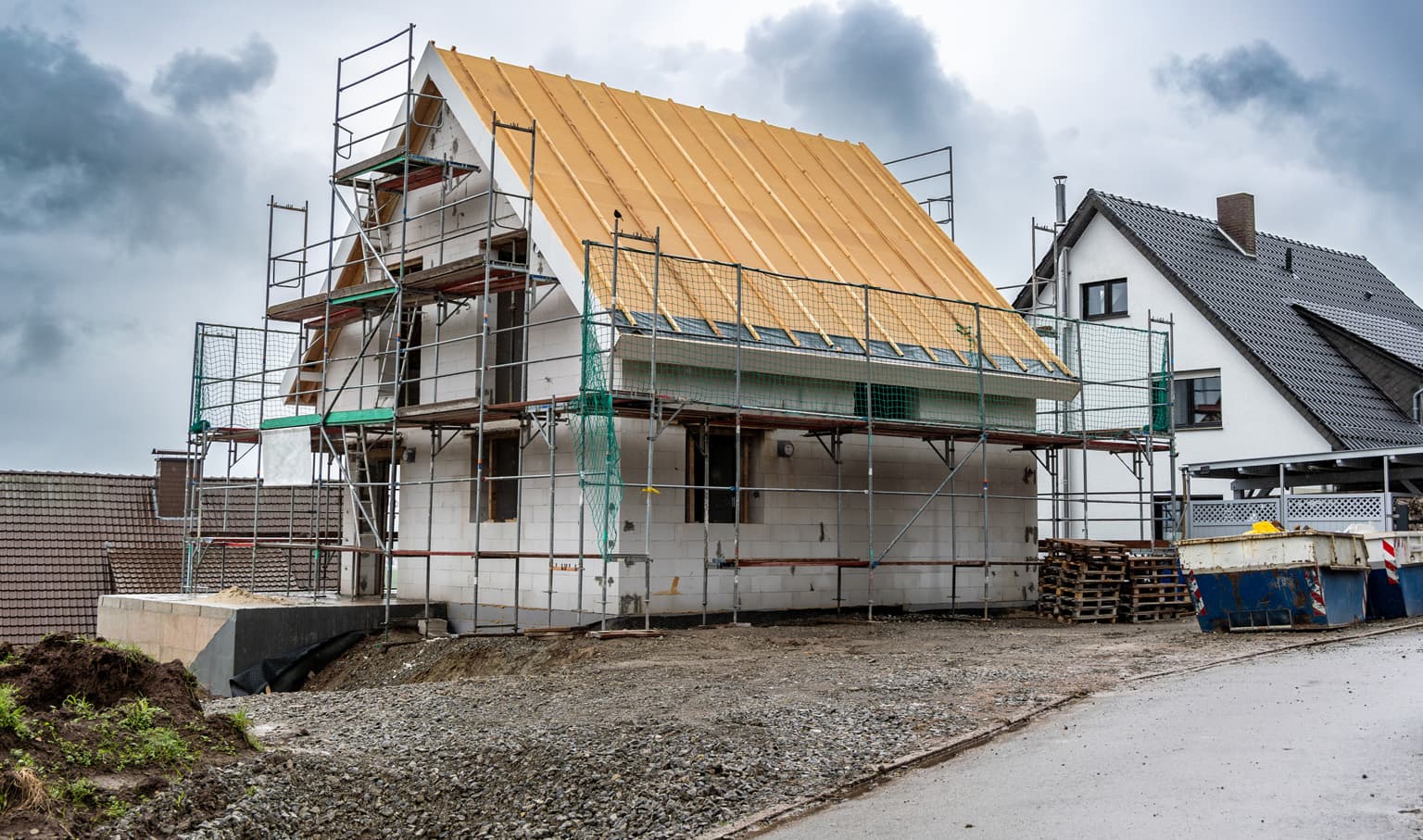
Looking to reduce costs without compromising quality in your next project? Our team delivers practical construction and design solutions tailored to your budget and timeline. Contact us today to discuss how we can support your project from concept to completion.
FAQ
1. What are cost effective solutions in construction and design?
They are strategies that reduce project expenses while maintaining quality and performance. This includes using efficient materials, digital planning tools, modular construction, and sustainable design methods.
2. How does BIM help control construction costs?
Building Information Modeling improves coordination between teams, reduces design errors, and prevents costly changes during construction. It also supports better planning throughout the building lifecycle.
3. Is modular construction more affordable than traditional methods?
In many cases, yes. Modular construction reduces labor time, limits material waste, and shortens project schedules, which helps control overall costs.
4. Can sustainable design actually lower long term expenses?
Yes. Energy efficient systems, proper insulation, and passive design strategies reduce utility bills and maintenance costs over time.
5. What is value engineering in construction?
Value engineering is a structured process that reviews materials and construction methods to find cost saving opportunities without reducing quality or safety.