
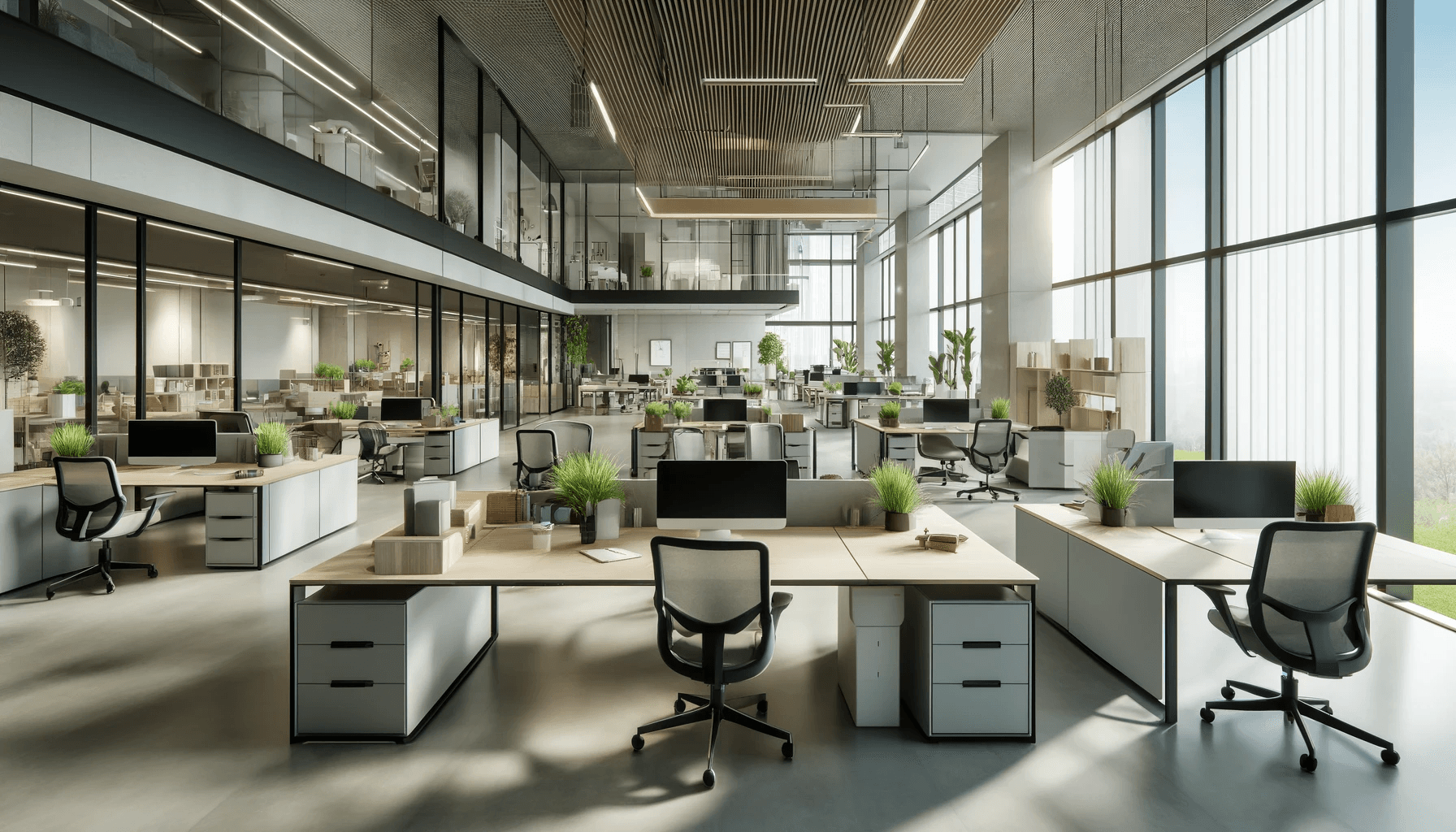
Master commercial fit-out material selection with expert guidance on performance requirements, durability factors, and cost-effective solutions.
Material selection for commercial fit-out projects requires balancing performance requirements, aesthetic objectives, budget constraints, and long-term durability considerations while ensuring compliance with commercial building codes and accessibility standards. The complexity of commercial environments demands materials that can withstand heavy use while maintaining attractive appearances and supporting diverse user needs.
Commercial fit-out materials must address unique challenges including high traffic volumes, diverse user groups, accessibility requirements, and regulatory compliance standards that differ significantly from residential applications. Understanding these requirements enables informed material selections that provide superior performance while meeting project objectives and budget constraints effectively.
Strategic material selection influences project success across multiple dimensions including initial costs, installation efficiency, maintenance requirements, and long-term performance characteristics that affect operational costs and user satisfaction throughout the building lifecycle. The most successful commercial fit-outs achieve optimal balance between these competing factors through comprehensive material evaluation and selection processes.
1
Performance Requirements and Durability Considerations

Commercial fit-out materials must meet stringent performance standards that address traffic volumes, wear resistance, and maintenance requirements significantly exceeding residential applications. Understanding performance requirements enables material selections that maintain attractive appearances while providing reliable service throughout extended commercial building lifecycles.
Traffic analysis determines wear patterns and usage intensity that influence material durability requirements for different areas within commercial spaces. High-traffic corridors, lobbies, and common areas require materials with superior wear resistance compared to private offices or low-traffic spaces that may utilize more cost-effective options.
Durability testing and certification provide objective performance data that enables comparison between material options while ensuring selections meet minimum performance requirements for specific applications. Industry testing standards including ASTM, ANSI, and manufacturer testing provide reliable performance data for informed decision-making.
Maintenance requirements significantly impact long-term costs and should be evaluated alongside initial material costs to determine total ownership costs over building lifecycles. Low-maintenance materials often justify higher initial costs through reduced cleaning, repair, and replacement requirements that minimize operational disruption and expense.
Safety performance including slip resistance, fire resistance, and impact resistance must meet commercial building code requirements while providing adequate protection for building occupants under normal and emergency conditions. Safety considerations often override other factors in material selection decisions to ensure regulatory compliance and occupant protection.
Environmental performance addresses indoor air quality, chemical emissions, and sustainability characteristics that affect occupant health while supporting corporate environmental objectives and green building certification requirements. Low-emission materials contribute to healthier indoor environments while supporting LEED and other green building certification objectives.
Appearance retention capabilities determine how materials maintain attractive appearances under commercial use conditions including cleaning protocols, UV exposure, and wear patterns that could affect aesthetic appeal over time. Materials with superior appearance retention provide better long-term value through sustained aesthetic appeal and reduced replacement frequency.
Dimensional stability prevents warping, shrinkage, or expansion that could create safety hazards or aesthetic problems in commercial applications where consistent appearances and safe walking surfaces are essential for user safety and satisfaction.
Chemical resistance protects materials from damage due to cleaning products, spills, and other chemical exposures common in commercial environments. Materials with adequate chemical resistance maintain performance and appearance while enabling effective cleaning and maintenance protocols.
2
Aesthetic Integration and Design Coordination
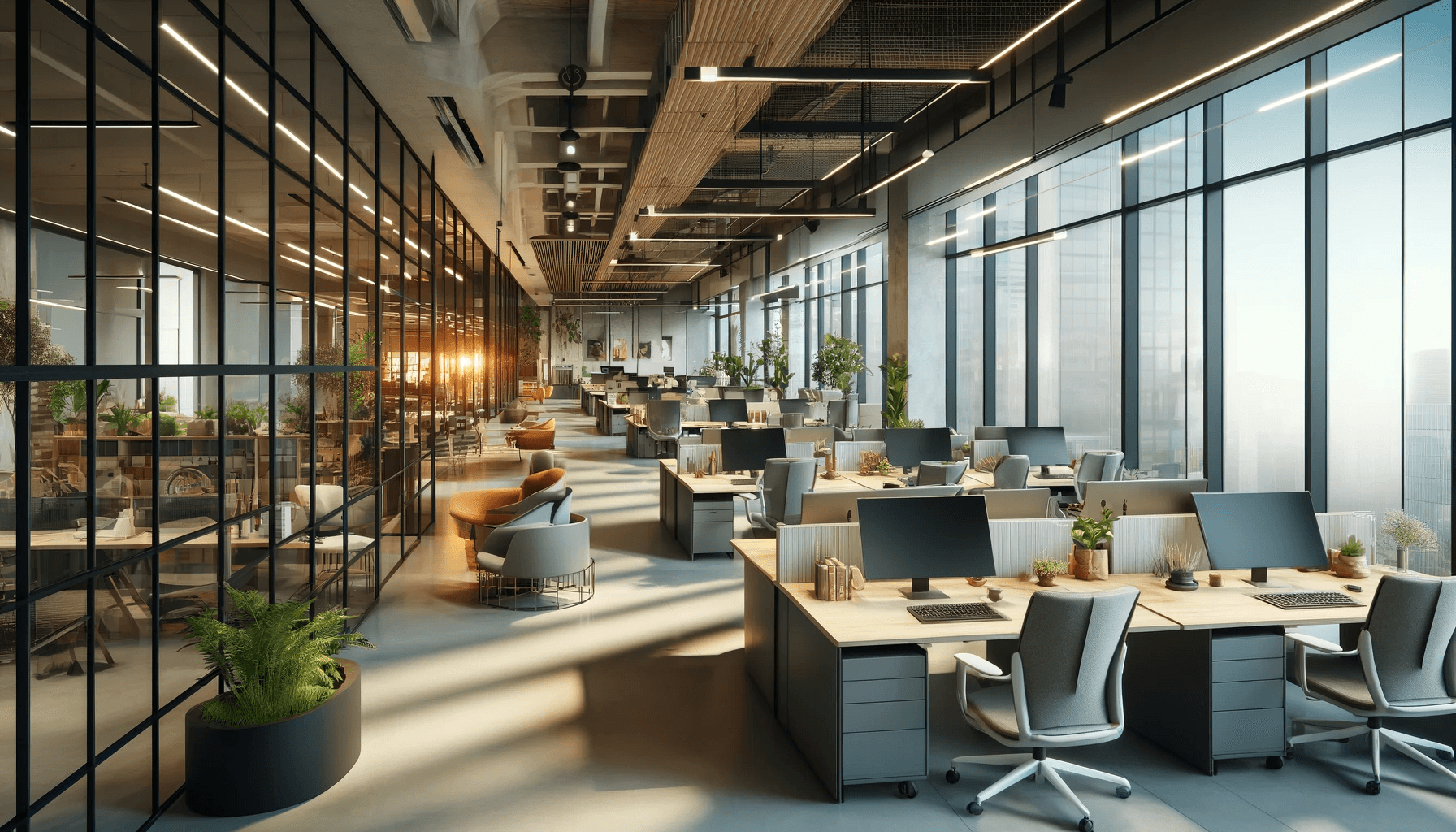
Material selection for commercial fit-outs must achieve aesthetic objectives while maintaining design consistency throughout diverse spaces with different functional requirements. Successful aesthetic integration creates cohesive design themes that reinforce brand identity while providing variety and visual interest appropriate for different space types and user activities.
Design theme development establishes aesthetic direction that guides material selection decisions while ensuring consistency across different spaces and project phases. Clear design themes enable coordinated material selections that create unified appearances while allowing appropriate variation for different functional areas.
Color coordination strategies balance consistency requirements with variety needs through systematic color planning that maintains visual harmony while providing appropriate emphasis and variety for different space types. Effective color coordination supports wayfinding while creating attractive environments that enhance user experience.
Texture and pattern integration adds visual interest while maintaining design unity through thoughtful combination of smooth and textured surfaces that provide tactile variety without creating visual chaos. Balanced texture use enhances aesthetic appeal while supporting acoustic performance and maintenance requirements.
Brand identity integration ensures material selections support corporate identity and marketing objectives through colors, textures, and design elements that reinforce brand messaging and corporate culture. Materials can effectively communicate corporate values while creating environments that support brand identity and employee engagement.
Transition planning addresses interfaces between different materials and spaces to create seamless connections that maintain design continuity while accommodating different performance requirements. Effective transition design prevents awkward juxtapositions while enabling smooth visual and physical transitions between different areas.
Scale and proportion considerations ensure material patterns, textures, and colors work effectively at both detail and room scales while maintaining visual interest and appropriate emphasis throughout commercial spaces. Proper scale relationships prevent overwhelming or underwhelming visual effects that could compromise aesthetic objectives.
Lighting integration considers how different materials respond to various lighting conditions including natural daylight, artificial lighting, and emergency lighting that could affect appearance and performance throughout daily and seasonal cycles. Materials should maintain attractive appearances under all anticipated lighting conditions.
Accessibility compliance ensures material selections support universal design principles while meeting ADA requirements for visual contrast, texture, and safety that enable effective use by people with diverse abilities. Accessibility requirements often influence material selection decisions while supporting inclusive design objectives.